Dialogue as the Core Engine
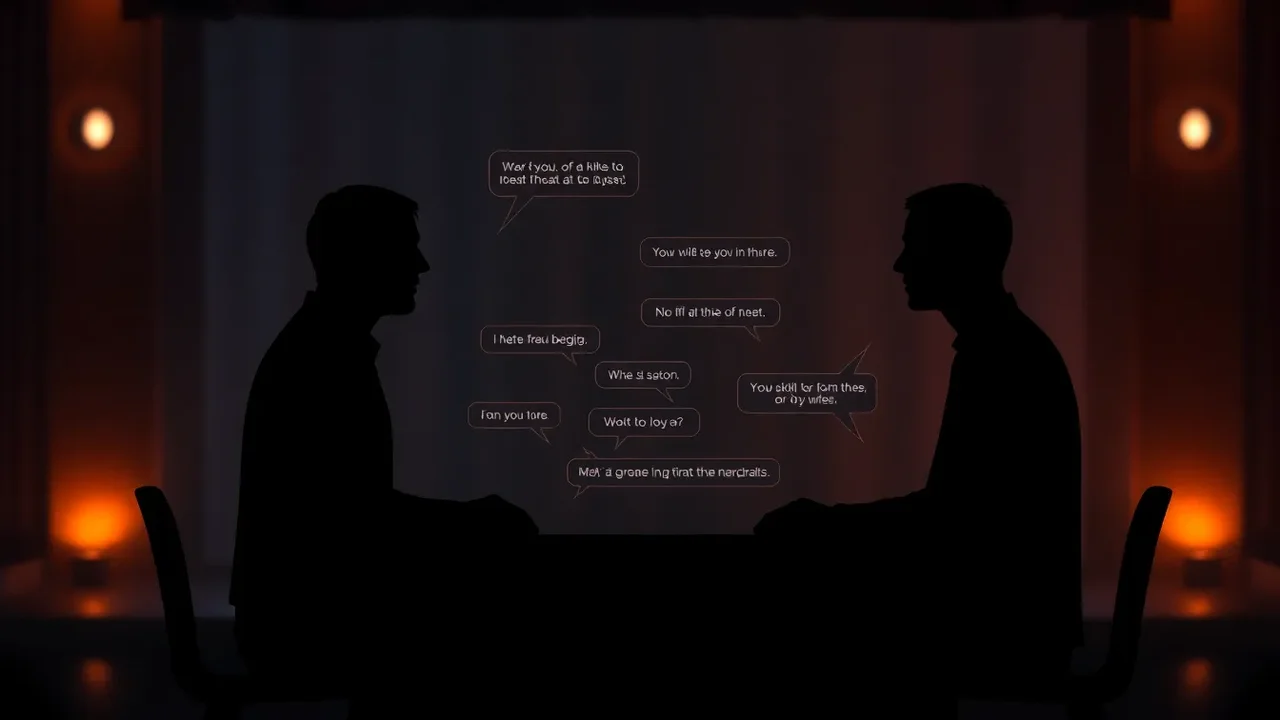
ZOV4 is a short game that understands something many larger productions forget: conversation can carry an entire experience. Instead of relying on cinematic spectacle, ZOV4 places two or more characters in tense rooms and lets their words do the heavy lifting. The result is a compact narrative where every line feels purposeful, every pause matters, and every choice shapes the emotional temperature. Players who expect action may need to adjust, but those who enjoy verbal sparring will find a rare treat. The game proves that dialogue is not filler between gameplay sections; it is the gameplay. In fact, the entire structure revolves around what is said, what is withheld, and how the player responds under pressure.
How ZOV4 Uses Conversation
ZOV4 treats dialogue as a mechanic, not a cutscene. Each response can open a new branch, close a relationship, or reveal a hidden motive. The writing avoids exposition dumps by letting characters argue, joke, deflect, and confess in natural rhythms. A simple question about the weather can become a test of loyalty. A brief silence can feel louder than a shouted accusation. The game rewards attention to tone, subtext, and timing. If you rush through lines, you may miss the subtle cues that tell you when a character is lying or when they are ready to trust you.
- Branching responses: Every choice changes the next line, not just the ending.
- Subtext: Characters often mean the opposite of what they say.
- Silence: Waiting can be as powerful as speaking.
- Memory: The game remembers what you said earlier and brings it back later.
Character Voice and Tension
The cast of ZOV4 is small, but each character has a distinct voice. One speaks in clipped commands, another hides fear behind sarcasm, and a third uses long, poetic sentences to avoid direct answers. These differences make dialogue feel like a chess match. You learn to predict how each person will react, then you decide whether to exploit that knowledge or respect it. Tension builds because the game rarely gives you a perfect option. You must choose between honesty and survival, between kindness and efficiency, between the truth and a useful lie.
| Element | Effect in ZOV4 |
| Short replies | Increase pace and can signal aggression or impatience. |
| Long replies | Reveal backstory but may bore or anger other characters. |
| Questions | Gather information but can make you seem weak or nosy. |
| Silence | Creates unease and sometimes forces others to speak first. |
Choice, Consequence, and Silence
Many games promise that choices matter, but ZOV4 makes consequences feel immediate. A harsh word in the first scene can change how a character treats you in the last scene. A compassionate response may unlock a hidden dialogue path, while a cold response may close it forever. The game also uses silence as a choice. Sometimes you can say nothing, and that nothing becomes a statement. This design encourages replaying short sections to see how different words reshape the same conversation. Because ZOV4 is short, these variations are easy to explore without feeling like a grind.
Pacing and Replay Value
ZOV4 is paced like a stage play. It moves through a few key conversations, each with rising stakes. There are no long walking sections or repetitive combat encounters to pad the runtime. Instead, the game trusts you to be engaged by the writing. This makes the experience feel dense and memorable. On a second playthrough, you notice foreshadowing you missed, jokes that land differently, and small gestures that now make sense. The short length is a strength because it lets you see multiple outcomes without losing momentum.
Visual and Audio Restraint
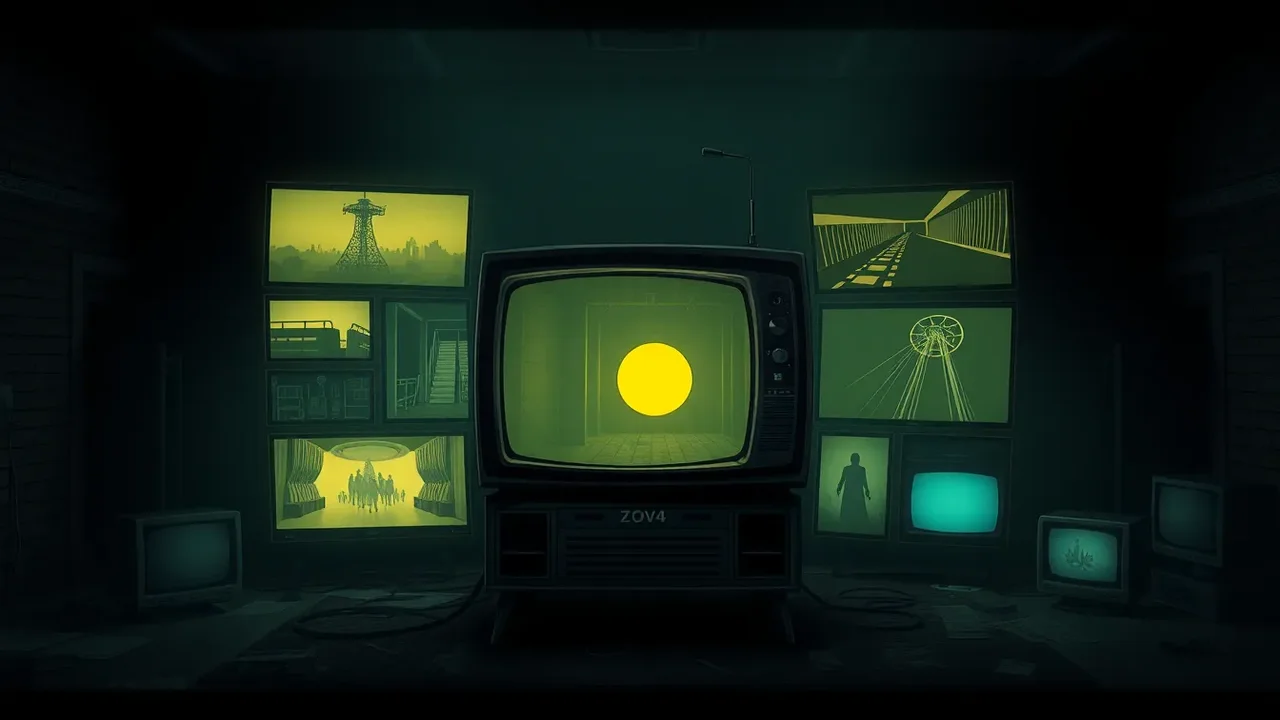
The visuals in ZOV4 are minimal but effective. Static portraits, simple backgrounds, and limited animation keep your focus on the text. The audio design is equally restrained. A soft ambient hum, a distant clock, or a sudden silence can change the mood of a scene. Voice acting, if present, is used sparingly, letting certain lines hit harder when they are spoken aloud. This restraint proves that big budgets are not required for emotional impact. A well-timed pause and a carefully written sentence can do more than an expensive explosion.
Practical Tips for Players
- Read slowly: The best clues are in the phrasing, not just the words.
- Track relationships: Notice who agrees with you and who avoids eye contact.
- Experiment: Save before major conversations and try different tones.
- Embrace silence: Sometimes the best answer is no answer at all.
- Replay: Short games are made for second chances and new perspectives.
Critique and Limitations
ZOV4 is not for everyone. Players who need constant action may find it slow. The minimal presentation can feel too sparse for those who want rich environments. Some dialogue branches are clearly better than others, which can make certain choices feel like traps rather than meaningful dilemmas. The game also assumes you enjoy reading and interpreting subtext. If you prefer direct storytelling, you may feel lost. Still, these limitations are part of its identity. ZOV4 knows what it is and does that one thing with confidence.
Why Dialogue Does the Work
At its best, ZOV4 shows that dialogue can be action, suspense, and character development all at once. A conversation is not a break from the game; it is the game. Every line is a move, every response is a risk, and every silence is a chance to learn something new. The game does not need elaborate set pieces because the human voice, even in text, is already dramatic. When written well, a simple exchange can make you hold your breath. ZOV4 achieves that feeling repeatedly, and that is why it deserves attention.
FAQ - ZOV4 Short Review: When Dialogue Does the Work
What is ZOV4 about?
ZOV4 is a short narrative game focused on conversation, choice, and consequence. Players navigate tense dialogues where every response shapes relationships and outcomes.
Is ZOV4 an action game?
No. ZOV4 is dialogue-driven. Its conflict comes from verbal sparring, subtext, and emotional pressure rather than combat or fast-paced gameplay.
How long does ZOV4 take to finish?
A single playthrough is short, often under an hour, but the branching dialogue encourages replaying to see different responses and endings.
Do choices in ZOV4 really matter?
Yes. Dialogue choices affect how characters treat you, which information you learn, and which endings or scenes become available.
Who should play ZOV4?
It is best for players who enjoy visual novels, interactive fiction, character drama, and stories where writing and subtext carry the experience.
Does ZOV4 have voice acting?
Voice acting may be used sparingly. The game often relies on text, pauses, and ambient sound to create tension and let players imagine the delivery.
ZOV4 is a short dialogue-driven game where conversation is the core mechanic. Branching responses, subtext, silence, and consequence shape tense character interactions. Its minimalist presentation and replayable choices make it a memorable interactive story for players who value writing over action.
ZOV4 succeeds because it trusts dialogue to do the emotional and narrative work. Its short runtime, branching conversations, and restrained presentation create a focused experience where every line feels like a meaningful move. For players who value writing, subtext, and consequence, it is a compact but memorable example of interactive storytelling at its most verbal.