ZOV4 Short Review: The Art of the 60-Second Arc
ZOV4 is a sixty-second short that demonstrates how much story can fit inside a single minute. The film opens with a tight close-up, establishes a problem, escalates tension, and delivers a resonant payoff before the clock runs out. This review examines the craft behind that compressed arc. It looks at pacing, visual grammar, sound design, performance, and the structural choices that make the minute feel complete rather than rushed. For filmmakers, editors, and storytellers, ZOV4 offers a practical case study in economy. Every frame, cut, and sound cue earns its place. The result is a small but sharp reminder that duration does not determine depth. A sixty-second arc can still contain a beginning, middle, and end, and it can leave an afterimage that lingers longer than its runtime.
The 60-Second Arc Defined
A sixty-second arc is not merely a shortened version of a longer story. It is a distinct form with its own rules. In ZOV4, the arc begins with an immediate sensory hook. There is no time for elaborate setup. The audience must understand the situation within seconds. The film uses a visual cue, a sound motif, and a character action to establish context. Then it introduces a complication. The complication must be clear and urgent. The middle section escalates through a series of quick beats. Each beat raises the stakes or reveals new information. The final section resolves the tension, often with a twist or an emotional beat. The resolution must feel earned, even if it is ambiguous. ZOV4 manages this by keeping the focus on one central question. That question drives every decision. The arc is tight because nothing is allowed to wander. The viewer is pulled forward by curiosity and momentum. The sixty-second form rewards precision. It punishes hesitation. ZOV4 understands this and uses every second with intent.
Opening Hook and Immediate Tension
The first five seconds of ZOV4 are crucial. The film opens on a detail that creates a question. A hand trembles. A light flickers. A sound cuts through silence. The viewer does not know what is happening, but they know something is about to happen. This is the hook. It does not rely on exposition. It relies on implication. The camera is close, the depth of field is shallow, and the color palette is restricted. These choices narrow the viewer's attention. They create a sense of intimacy and unease. The tension is immediate because the visual information is incomplete. The brain wants to fill the gap. ZOV4 exploits that desire. It withholds just enough to keep the viewer leaning in. Within ten seconds, the film introduces a second element: a threat, a goal, or a countdown. Now the hook becomes a direction. The viewer knows what the character wants and what stands in the way. This clarity is essential in a sixty-second arc. Without it, the story would feel like a random collection of images. With it, every subsequent shot gains purpose.
Visual Language and Composition
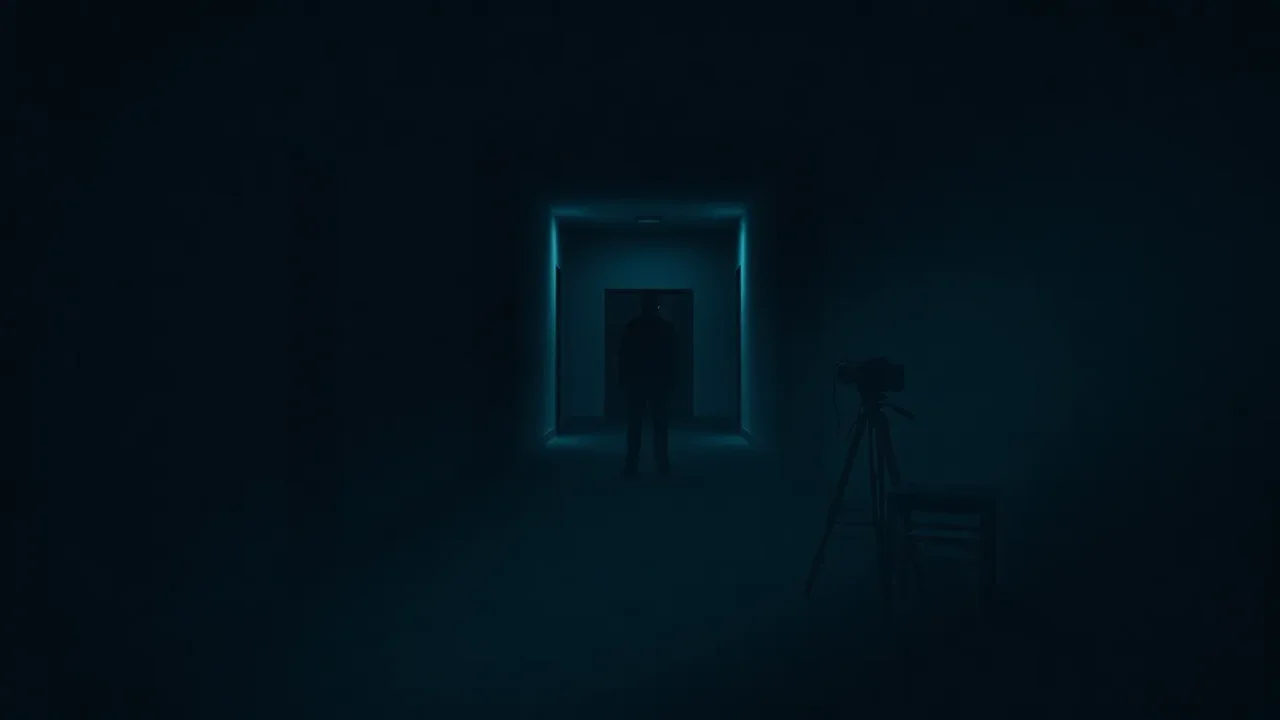
ZOV4 uses a visual language that is both efficient and expressive. The framing is deliberate. Wide shots establish space, but they are used sparingly. Medium shots carry the action. Close-ups deliver emotion. The film often places the character off-center, leaving negative space that suggests isolation or anticipation. This compositional choice does more than look stylish. It tells the viewer where to look and what to feel. Lighting is another key tool. High-contrast lighting creates shadows that hide information. Soft lighting creates moments of vulnerability. The color grade shifts subtly as the arc progresses. Cool tones dominate the early tension. Warmer tones appear during the emotional turn. These shifts are not decorative. They guide the viewer's emotional response without dialogue. The camera movement is also purposeful. Handheld shots add urgency. Static shots create moments of pause. A slow push-in can signal realization. A quick pan can connect two ideas. ZOV4 rarely moves the camera without a reason. This restraint makes the movement feel meaningful. When the camera finally does something dramatic, it lands with impact. The visual grammar is consistent, so the viewer learns the rules quickly. That consistency allows the film to communicate complex ideas in a very short time.
Sound Design and Rhythmic Editing
Sound in ZOV4 is not background. It is a narrative force. The film uses a sparse soundscape at the beginning. Room tone, breath, and small mechanical noises create intimacy. Then a low-frequency drone enters. It signals growing pressure. The drone is not loud, but it is persistent. It sits under the dialogue and images, subtly raising the viewer's heart rate. When the first major cut arrives, the sound cuts with it. That silence is jarring. It makes the next sound more powerful. The editing follows a similar rhythm. Early cuts are slow, allowing the viewer to absorb details. As the tension rises, cuts become faster. The film uses match cuts to link actions and ideas. It uses jump cuts to compress time. It uses insert shots to emphasize objects that matter. The rhythm is not random. It follows the emotional curve. When the character reaches a decision, the editing slows down again. This shift gives the moment weight. The final seconds often use a single long take or a held frame. That stillness contrasts with the earlier speed. It allows the resolution to breathe. ZOV4 proves that editing is not just about pace. It is about shaping perception. Every cut is a beat in the sixty-second arc.
Character in Miniature
Creating a character in sixty seconds is a challenge. ZOV4 succeeds by focusing on one defining trait. The protagonist is not given a full backstory. Instead, the film shows a single desire, a single fear, and a single choice. The desire is visible in the character's eyes and actions. The fear is visible in the way they hesitate or avoid something. The choice is the climax of the arc. Because the film is short, the character must be recognizable immediately. ZOV4 uses costume, posture, and gesture to convey personality. A tight grip on an object suggests anxiety. A quick glance suggests suspicion. A slow exhale suggests resignation. These small details do the work of pages of dialogue. The film also uses contrast to reveal character. The protagonist may be surrounded by people who are indifferent or hostile. Their isolation makes their struggle more acute. When the resolution comes, it feels personal because the viewer has been locked into that character's perspective. The camera rarely leaves them. The sound design often reflects their subjective experience. This intense focus creates a bond that is surprisingly strong for such a short runtime. ZOV4 shows that character is not about quantity of information. It is about quality of attention.
Theme and Emotional Payoff
The theme of ZOV4 is embedded in its structure. The film is about pressure, choice, and consequence. The sixty-second format mirrors the theme. The character is running out of time, and so is the film. This parallel creates a meta-textual tension. The viewer feels the clock even when it is not visible. The emotional payoff comes from the collision of theme and form. When the character makes a decision, the film's rhythm changes. The sound may drop out. The camera may hold. The color may shift. These choices signal that the decision matters. The payoff does not need to be happy or sad. It needs to be true to the arc. ZOV4 often ends on a note of ambiguity. That ambiguity is not a failure of resolution. It is an invitation to reflect. The viewer leaves the film with a question. That question keeps the story alive after the minute ends. The emotional payoff is also reinforced by the film's use of motifs. A repeated image, a repeated sound, or a repeated phrase can accumulate meaning. When it returns at the end, it carries the weight of everything that came before. ZOV4 uses this technique with precision. It plants a seed early and pays it off late. The result is a satisfying emotional arc that feels larger than its runtime.
Practical Lessons for Creators
ZOV4 offers several practical lessons for anyone trying to build a sixty-second arc. First, start with the ending. Know the final image or emotional beat before writing the first shot. This gives the entire piece a target. Second, establish a clear question in the first five seconds. The viewer must know what to wonder about. Third, use visual and auditory motifs to create continuity. A color, a sound, or an object can tie the minute together. Fourth, cut ruthlessly. If a shot does not advance the question or the emotion, remove it. Fifth, let the sound design carry subtext. Music can tell the viewer how to feel, but sound can make them feel it themselves. Sixth, use contrast. Fast cuts feel faster after a slow moment. Loud sounds feel louder after silence. Seventh, trust the viewer. Do not over-explain. A sixty-second arc thrives on implication. Eighth, rehearse the timing. A second too long can break the spell. Ninth, test the arc with fresh eyes. If they cannot follow the story, simplify. Tenth, embrace the constraint. The sixty-second limit is not a prison. It is a creative engine. ZOV4 demonstrates all these lessons in action. It is a masterclass in doing more with less.
Table: Beat Map of ZOV4
| Time | Beat | Function | Craft Element |
|---|---|---|---|
| 0-5s | Hook | Create a question | Close-up, sound motif |
| 5-15s | Setup | Define goal and obstacle | Visual cue, character action |
| 15-30s | Escalation | Raise stakes | Faster cuts, drone |
| 30-45s | Turn | Reveal new information | Camera push-in, color shift |
| 45-55s | Climax | Force a choice | Silence, held frame |
| 55-60s | Resolution | Deliver emotional payoff | Motif return, ambiguity |
Checklist for Building a 60-Second Arc
- Know the final beat: Write the ending first so every shot has a destination.
- Hook within five seconds: Use an image, sound, or action that raises a question.
- Define the want and obstacle: The viewer must understand the central conflict quickly.
- Use motifs: Repeat a visual, sound, or phrase to create unity and payoff.
- Control the rhythm: Alternate slow and fast sections to shape emotional intensity.
- Let sound carry subtext: Use drones, silence, and textures to guide feeling.
- Cut with purpose: Remove any shot that does not advance the question or emotion.
- Trust implication: Avoid over-explaining; let the viewer connect the dots.
- Test timing: A second too long can break the arc; rehearse the pace.
- Embrace the constraint: Treat the sixty-second limit as a creative engine, not a prison.
Common Pitfalls in Short Arcs
Many short films fail because they try to do too much. They introduce multiple characters, subplots, and themes that cannot be resolved in sixty seconds. ZOV4 avoids this by staying focused. Another common pitfall is a weak opening. If the first five seconds are generic, the viewer has no reason to continue. ZOV4 grabs attention immediately. A third pitfall is uneven pacing. Some shorts rush the setup and then drag the ending. ZOV4 distributes its time carefully. A fourth pitfall is over-reliance on dialogue. Dialogue can be efficient, but it can also slow the pace. ZOV4 uses dialogue sparingly and lets visuals do the heavy lifting. A fifth pitfall is a lack of emotional clarity. The viewer may understand the plot but not feel anything. ZOV4 builds emotion through sound, framing, and performance. A sixth pitfall is an unearned resolution. If the ending comes out of nowhere, the arc feels false. ZOV4 plants clues early and pays them off late. A seventh pitfall is ignoring sound design. Poor audio can ruin an otherwise strong short. ZOV4 treats sound as a co-star. Finally, many shorts forget to rehearse the timing. A sixty-second arc lives or dies by its rhythm. ZOV4 is meticulously timed. By avoiding these pitfalls, it achieves a level of polish that is rare in micro-shorts.
Performance and Micro-Expression
In a sixty-second arc, performance must be compressed. There is no time for long monologues or gradual emotional transitions. ZOV4 relies on micro-expressions. A twitch of the eye, a tightening of the jaw, a sudden breath can convey more than a page of dialogue. The actor must be precise. Every gesture is a story beat. The director must also trust the actor's face. Close-ups are used strategically to capture these small shifts. The performance is not about being loud. It is about being specific. When the character makes their final choice, the change must be visible in their eyes. The viewer must see the decision happen. This is the power of micro-acting. It creates an emotional bridge between the character and the audience. ZOV4 also uses physicality. The way the character stands, moves, or holds an object reveals their state of mind. A slumped shoulder can signal defeat. A forward lean can signal determination. These physical choices are consistent throughout the minute. They build a portrait that feels complete despite the short runtime. The performance is not a miniature version of a feature film performance. It is a different art form. It requires economy, precision, and emotional transparency. ZOV4 demonstrates that a single minute can contain a full character arc if the performance is calibrated correctly.
Editing Rhythm and the Illusion of Time
Editing is the invisible hand that shapes the sixty-second arc. ZOV4 uses editing to manipulate the viewer's perception of time. Early in the film, cuts are spaced out. This makes the opening feel slower, allowing the viewer to absorb details. As the tension rises, cuts come faster. The viewer's brain has less time to process each image, which creates a feeling of acceleration. This is the illusion of time. The film can make sixty seconds feel like two minutes or twenty seconds depending on the edit. ZOV4 also uses cutaways to compress action. Instead of showing a character walking from one room to another, it cuts directly to the next important moment. This is the Kuleshov effect in action. The viewer fills in the missing time automatically. The film also uses reaction shots to control emotional pacing. A cut to a character's face after a line or action tells the viewer how to interpret the moment. ZOV4 uses these reaction shots sparingly but effectively. The final edit is a delicate balance. If the cuts are too fast, the viewer feels confused. If they are too slow, the viewer feels bored. ZOV4 finds the sweet spot. It creates a rhythm that feels both urgent and controlled. That rhythm is the heartbeat of the sixty-second arc.
Color, Light, and Mood
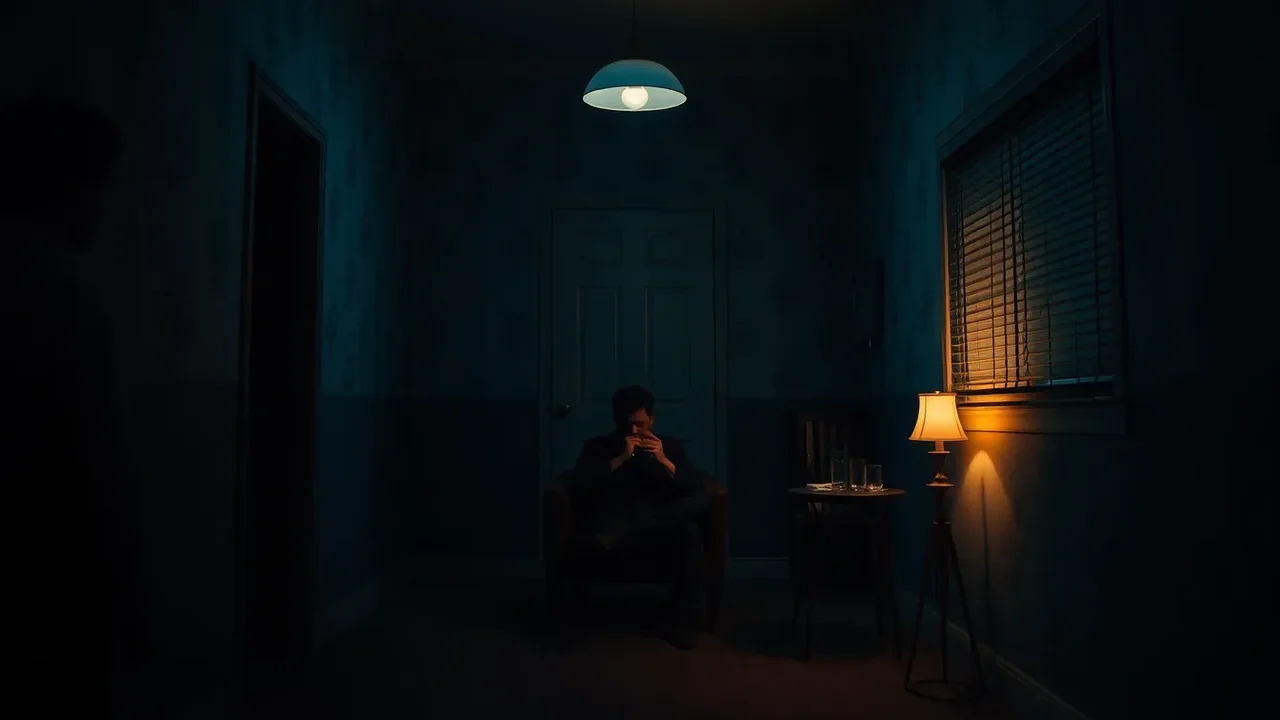
Color and light are not merely aesthetic choices in ZOV4. They are storytelling tools. The film uses a cool palette at the beginning. Blues, grays, and greens create a sense of coldness and isolation. As the arc progresses, warmer tones begin to appear. Ambers and soft reds suggest a shift in emotion. This transition is subtle but powerful. The viewer may not consciously notice it, but they feel it. Lighting follows a similar pattern. Early scenes use hard, directional light. Shadows are deep and threatening. Later scenes use softer, diffused light. The change makes the character feel less trapped. ZOV4 also uses practical light sources within the frame. A flickering bulb, a passing car, or a screen glow can motivate the lighting. This adds realism and helps the viewer believe the world. The film avoids overly stylized color grades that draw attention to themselves. Instead, the grade serves the story. When the climax arrives, the color and light reach their most extreme point. This visual peak aligns with the emotional peak. The resolution then returns to a calmer palette. This circular structure gives the arc a sense of completion. Color and light are not decorations. They are narrative beats. ZOV4 proves that a sixty-second story can use them with the same sophistication as a feature film.
Writing for the Minute: Structure and Economy
Writing a sixty-second arc requires a different mindset than writing a longer screenplay. Every word, every action, and every shot must serve multiple purposes. ZOV4's script is lean. It contains only the essential dialogue and action. The writer trusts the director and editor to convey the rest visually. The structure is simple: hook, setup, escalation, turn, climax, resolution. Each section has a clear function. The writer does not waste time on exposition. Instead, information is revealed through conflict and action. For example, the character's goal is shown through their behavior, not explained in dialogue. The obstacle is shown through a visual barrier or a threatening presence. The stakes are raised through a series of quick complications. The turn introduces a new piece of information that changes the meaning of the goal. The climax forces a choice. The resolution shows the consequence. This structure is not formulaic. It is a reliable framework that allows creativity to flourish within constraints. ZOV4 uses the framework but fills it with specific, original details. The writing is economical but not cold. It has voice and personality. The dialogue, when it appears, is sharp and memorable. The action lines are visual and precise. This is the art of writing for the minute. It is about making every word count. ZOV4 demonstrates that a sixty-second script can be as tight and impactful as a poem.
Directing the Short Arc: Blocking and Staging
Directing a sixty-second arc is an exercise in efficiency. ZOV4's director uses blocking and staging to tell the story without excessive coverage. The character's position in the frame changes as their emotional state changes. In the beginning, they are often small in the frame or positioned at the edge. As they gain agency, they move toward the center. The camera follows this movement. The staging also uses depth. Foreground objects can frame the character or create a sense of entrapment. Background elements can provide context or contrast. The director uses these spatial relationships to guide the viewer's eye. There is no time for multiple takes of complex camera moves. The director must plan precisely. ZOV4's shots are designed to be edited together seamlessly. The director also works closely with the actor to ensure the performance matches the visual plan. Every gesture is choreographed to fit the frame. The result is a film that feels both spontaneous and controlled. The director understands that in a short arc, the camera is a character. Its movement, position, and focus are all part of the storytelling. ZOV4 uses the camera to create tension, release, and emotional connection. The direction is invisible but essential. It turns a collection of shots into a coherent, compelling minute.
Music and Silence as Narrative Tools
Music in ZOV4 is used sparingly. There is no wall-to-wall score. Instead, the film uses music as a punctuation mark. A single note can signal a turning point. A rising chord can build tension. A sudden stop can create shock. The absence of music is just as important. Silence can make a moment feel raw and intimate. It can also make the next sound feel enormous. ZOV4 uses silence strategically. During the climax, the music may drop out entirely. The viewer is left with only the character's breath or the ambient sound. This creates a sense of isolation and focus. When the music returns, it carries more emotional weight. The film also uses diegetic sound as music. A radio, a phone ring, or a rhythmic mechanical noise can become part of the soundtrack. This blurs the line between the world of the story and the emotional score. The sound design and music work together to create a sonic arc that mirrors the visual arc. The result is a film that feels emotionally complete. The viewer is not told how to feel. They are guided by the sound. ZOV4 proves that in a sixty-second arc, every sonic choice matters. Music and silence are not extras. They are essential narrative tools.
Audience Engagement and Replay Value
A successful sixty-second arc does not end when the video stops. It lingers in the viewer's mind. ZOV4 achieves this through ambiguity and detail. The ending raises a question that the viewer wants to answer. They may rewatch the film to look for clues. This replay value is a hallmark of great short-form storytelling. ZOV4 plants small details throughout the minute. A reflection, a background object, or a subtle sound may hint at a deeper meaning. On first viewing, the viewer may miss these details. On second viewing, they notice them and the story becomes richer. This layered approach rewards attention. It also encourages sharing. Viewers who discover a hidden detail want to tell others. This creates organic engagement. ZOV4 also uses emotional resonance to drive replays. The climax is powerful enough to warrant a second watch. The viewer wants to experience that emotional beat again. The film is short enough to watch multiple times without fatigue. This is a strategic advantage of the sixty-second form. It is easy to consume and easy to revisit. ZOV4 maximizes this advantage by making every second dense with information. There is no filler. Every frame contributes to the whole. This density is what makes the arc feel complete. It is also what makes the viewer want to return. The art of the sixty-second arc is not just about capturing attention. It is about earning a second viewing.
Technical Execution: Camera, Lenses, and Format
ZOV4's technical execution supports its narrative goals. The film was likely shot on a digital camera with a large sensor, allowing for shallow depth of field. This helps isolate the character and create intimacy. The lens choice is also important. A wide lens can distort space and create unease. A telephoto lens can compress space and create tension. ZOV4 uses a mix of focal lengths to achieve different effects. The camera movement is smooth when needed and handheld when urgency is required. The format is likely widescreen, which gives the film a cinematic feel. The aspect ratio also affects composition. The wide frame allows for negative space and off-center framing. The film's color depth and dynamic range allow for subtle lighting changes. The editing software and sound tools are used to refine the rhythm. None of these technical elements are random. They are chosen to serve the story. ZOV4 demonstrates that technical mastery is not about using the most expensive gear. It is about using the right gear for the right purpose. A sixty-second arc can be shot on a phone, but it must be shot with intention. ZOV4's technical choices are intentional. They create a visual and sonic world that feels immersive and complete. The viewer does not notice the technology. They only notice the story. That is the highest compliment for technical execution.
Comparing ZOV4 to Other Short-Form Narratives
ZOV4 stands out among short-form narratives because of its discipline. Many viral shorts rely on a single gimmick or a shocking twist. ZOV4 does not. It builds a complete arc with character, theme, and emotion. It can be compared to classic one-minute films, but it feels modern. It uses contemporary editing rhythms and sound design. It also respects the viewer's intelligence. It does not over-explain. Compared to longer short films, ZOV4 is more focused. It does not have time for subplots or secondary characters. This limitation is its strength. It forces the creators to distill the story to its essence. Compared to advertisements, ZOV4 is less product-driven and more character-driven. It could be an ad, but it works as a standalone story. Compared to music videos, ZOV4 is more narrative. It does not rely on lyrics to convey meaning. It uses images and sound to tell a story. This versatility is part of its appeal. ZOV4 can be studied by filmmakers, advertisers, and content creators. It is a model of efficient storytelling. It shows that a sixty-second arc can be art. It can be entertainment. It can be a calling card. ZOV4 succeeds because it understands its form. It does not try to be a feature film. It embraces the minute. That embrace is what makes it memorable.
Practical Exercise: Build Your Own 60-Second Arc
To apply the lessons of ZOV4, try building your own sixty-second arc. Start with a single question. What does your character want? What stands in their way? Write the final image first. Then work backward. Create a hook that raises the question in five seconds. Use a visual or sound motif that you can repeat. Plan your beats on a timeline. Allocate roughly five seconds for the hook, ten for setup, fifteen for escalation, fifteen for the turn, ten for the climax, and five for resolution. This is not a rigid formula, but it helps you visualize the arc. Shoot with intention. Use close-ups for emotion and wide shots for context. Record clean sound. Edit for rhythm. Cut anything that does not serve the question. Add music or silence strategically. Test the film with someone who has never seen it. Ask them what they understood and what they felt. If they missed the point, simplify. If they felt nothing, increase the emotional stakes. Repeat the process. ZOV4 was not made in a single pass. It was refined. Your sixty-second arc can be too. The constraint is not a barrier. It is a creative challenge. Embrace it. The art of the sixty-second arc is learnable. ZOV4 is your proof.
Final Thoughts on the Art of the 60-Second Arc
ZOV4 is a short review in itself. It reviews the possibilities of the minute. It shows that a sixty-second arc can be tense, emotional, and visually striking. It can have a beginning, middle, and end. It can leave a lasting impression. The art of the sixty-second arc is the art of distillation. It is the art of making every second count. ZOV4 achieves this through careful writing, precise direction, rhythmic editing, and expressive sound. It does not waste a frame. It does not waste a beat. For anyone interested in short-form storytelling, ZOV4 is essential viewing. It is a masterclass in economy. It is a reminder that constraints can spark creativity. It is a proof that a minute is enough. The next time you watch a sixty-second video, look for the arc. Look for the hook, the escalation, the turn, and the payoff. You will see the craft. You will see the art. ZOV4 will be your reference. It is a small film with a large lesson. The sixty-second arc is not a limitation. It is a canvas. ZOV4 paints on that canvas with skill and passion. That is why it deserves a place in any discussion of short-form narrative. That is why it works.
FAQ - ZOV4 Short Review: The Art of the 60-Second Arc
What is ZOV4 about?
ZOV4 is a sixty-second short film that demonstrates how to build a complete narrative arc within one minute. It uses a tight hook, escalating tension, and an emotional payoff to tell a compact but resonant story.
Why is the 60-second arc important for filmmakers?
The 60-second arc is important because it forces creators to master economy, pacing, and visual storytelling. It is a practical training ground for making every frame, cut, and sound cue count.
What are the key structural beats in ZOV4?
ZOV4 follows a beat map: hook, setup, escalation, turn, climax, and resolution. Each beat has a clear function and is supported by specific craft elements like close-ups, sound motifs, and rhythmic editing.
How does sound design contribute to ZOV4?
Sound design in ZOV4 acts as a narrative force. It uses sparse soundscapes, low-frequency drones, strategic silence, and motif returns to guide the viewer's emotions and reinforce the arc without relying on dialogue.
Can I apply ZOV4's techniques to my own short videos?
Yes. Start with the ending, hook the viewer within five seconds, define a clear want and obstacle, use visual and sound motifs, control the rhythm, and cut ruthlessly. Test your arc with fresh eyes and refine the timing.
What makes ZOV4 stand out from other short-form content?
ZOV4 stands out through discipline and density. It avoids gimmicks and over-explanation, instead building a complete emotional arc with layered details that reward rewatch and respect the viewer's intelligence.
ZOV4 is a sixty-second short that masterfully packs a full narrative arc into one minute. This review explores its hook, pacing, visual grammar, sound design, and emotional payoff, offering practical lessons for creators who want to tell complete stories within tight constraints.
ZOV4 proves that a sixty-second arc can be a complete and powerful story. By mastering economy, rhythm, visual language, and sound, it turns a strict limitation into a creative advantage. For filmmakers and storytellers, it is both a masterclass and an invitation to embrace the minute.