ZOV4 Short Review: A Phone-Shot Drama Done Right
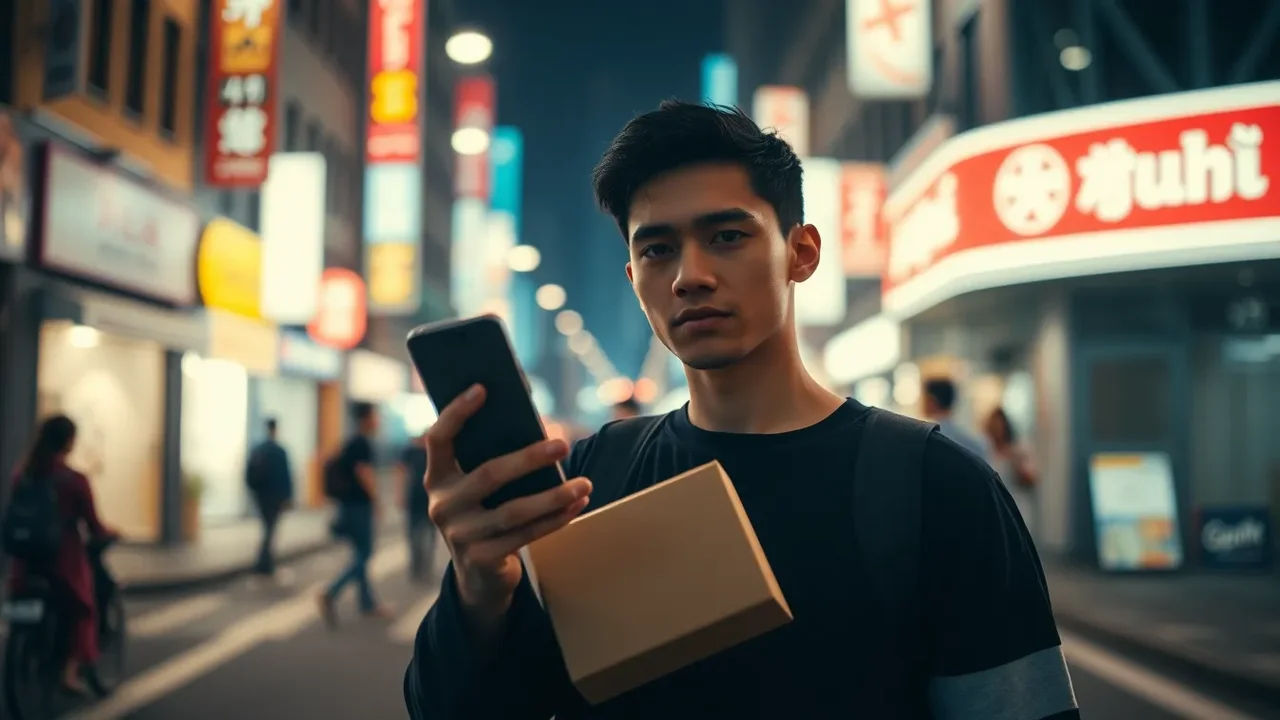
ZOV4 is a short drama shot entirely on a smartphone, and it proves that compelling storytelling does not require expensive cameras. The film follows a young courier who discovers a mysterious package. Instead of delivering it, he opens it and finds a cryptic note. The note leads him through a city at night. He meets a series of strangers. Each stranger reveals a piece of a larger puzzle. The courier must decide whether to trust them. The drama builds tension through small choices. The phone camera captures intimate close-ups. The result feels raw and immediate. ZOV4 is a masterclass in budget filmmaking.
What Makes ZOV4 Stand Out
ZOV4 stands out because it embraces its limitations. The phone camera is not a weakness; it is a stylistic choice. The filmmakers use natural light, handheld shots, and tight framing. These choices create a sense of intimacy and urgency. The audience feels like they are walking beside the courier. The story unfolds in real time. There are no elaborate sets or special effects. Instead, the drama relies on performance and pacing. The dialogue is sparse but meaningful. Every glance and gesture carries weight. This approach makes ZOV4 feel authentic. It is a reminder that story is king.
Plot and Structure
The plot of ZOV4 is simple but effective. A courier picks up a package from a locker. He is told to deliver it to an address across town. On the way, he notices the package is vibrating. He opens it and finds a phone. The phone rings. A voice tells him to follow a series of clues. If he does, he will learn a secret about his past. The courier is skeptical but curious. He follows the clues. Each clue leads to a new location. He meets a homeless man, a barista, a security guard, and a child. Each person gives him a piece of the puzzle. The structure is episodic but cohesive. The tension rises with each encounter. The final reveal is emotional and satisfying. The short runtime is used efficiently. There is no filler.
Cinematography on a Smartphone
The cinematography in ZOV4 is surprisingly polished. The filmmakers use the phone's camera to its full potential. They shoot in 4K and use manual settings. They control exposure and focus carefully. The night scenes are challenging, but they use available light. Street lamps, car headlights, and neon signs become key light sources. The handheld style adds realism. The camera shakes slightly, but not distractingly. The close-ups are sharp and detailed. You can see the sweat on the courier's brow. The wide shots establish the city's scale. The phone's small sensor creates some noise, but it adds texture. The color grading is subtle. It enhances the mood without looking artificial. ZOV4 proves that a phone can be a serious filmmaking tool.
Sound Design and Music
Sound design is often overlooked in low-budget films, but ZOV4 excels here. The filmmakers recorded clean dialogue using a lavalier microphone. They also captured ambient sounds on location. The city hums with traffic, footsteps, and distant sirens. These sounds ground the story in reality. The music is minimal. A single piano motif plays during emotional moments. It never overpowers the scene. The phone's built-in microphone was used for some effects, but the team layered in foley. The result is a rich soundscape. The silence is used effectively too. In one scene, the courier stands alone in an alley. There is no music, only the sound of his breathing. This moment is tense and powerful. Good sound design makes ZOV4 feel professional.
Acting and Performance
The acting in ZOV4 is natural and understated. The lead actor, who is also the co-writer, delivers a nuanced performance. He does not overact. He shows fear, curiosity, and regret through subtle facial expressions. The supporting cast is equally strong. The homeless man is played with dignity. The barista is warm but mysterious. The security guard is intimidating but vulnerable. The child actor is surprisingly good. The chemistry between the courier and the strangers feels real. The dialogue is delivered in a conversational tone. There are no dramatic monologues. The performances are grounded in reality. This makes the emotional beats land harder. ZOV4 is a showcase for raw talent.
Editing and Pacing
The editing in ZOV4 is tight and purposeful. The film runs for about twenty minutes. There is not a single wasted frame. The cuts are smooth. The editor uses match cuts to transition between locations. For example, a shot of a coffee cup cuts to a shot of a streetlamp. The pacing is deliberate. It starts slow, building atmosphere. Then it accelerates as the clues become more urgent. The climax is edited with rapid cuts. This creates a sense of panic. The resolution is calm and reflective. The editing respects the audience's intelligence. It does not explain everything. It lets the images and sounds tell the story. This is a sign of confident filmmaking.
Lighting and Color
Lighting is a critical element in ZOV4. The filmmakers use practical lights whenever possible. They do not have a big lighting kit. Instead, they use what is available. In the opening scene, the courier stands under a flickering fluorescent light. This sets an uneasy tone. In the barista scene, warm tungsten light creates a cozy feeling. In the alley scene, a single blue neon sign casts a cold glow. The color palette shifts from warm to cool as the story progresses. This reflects the courier's emotional journey. The phone's auto white balance sometimes struggles, but the team corrected it in post. The final look is cohesive. The colors are not oversaturated. They feel natural. ZOV4 uses color to tell its story.
Writing and Dialogue
The script for ZOV4 is smart and economical. The writers understand that less is more. The dialogue is sparse. Characters speak in short sentences. They interrupt each other. They pause. This makes the conversations feel real. The plot is driven by action, not exposition. The audience learns about the courier's past through visual clues. A photograph, a scar, a tattoo. These details are more powerful than dialogue. The writers also avoid cliches. The mysterious voice on the phone is not a villain. It is a victim. The twist is earned. The themes of guilt, redemption, and connection are woven into the story. The writing respects the short film format. It does not try to be a feature. It tells a complete story in twenty minutes.
Production Challenges and Solutions
Shooting on a phone comes with unique challenges. Battery life is a constant worry. The team carried portable chargers. Storage space fills up quickly. They offloaded footage every few hours. The phone overheats during long takes. They took breaks to let it cool. The lack of optical zoom was a limitation. They used digital zoom sparingly. The autofocus sometimes hunted. They switched to manual focus. The small sensor struggled in low light. They used faster lenses and adjusted ISO. The team also had to deal with wind noise. They used a furry wind muff on the microphone. These solutions show resourcefulness. ZOV4 is not just a film; it is a lesson in problem-solving. Every obstacle was met with creativity.
Comparison to Traditional Filmmaking
ZOV4 invites comparison to traditional filmmaking. A typical short film might use a DSLR or a cinema camera. Those cameras cost thousands of dollars. They require lenses, rigs, and external monitors. ZOV4 uses a phone that costs a few hundred dollars. The phone is pocket-sized. It can be set up in seconds. This speed is a huge advantage. The filmmakers could shoot in crowded public spaces without attracting attention. They could move quickly. The phone also allowed for intimate shots that would be difficult with a bulky camera. However, traditional cameras still have advantages. They offer better dynamic range and depth of field. They have interchangeable lenses. But ZOV4 shows that those advantages are not always necessary. For a character-driven drama, a phone is enough. The gap between phone and cinema camera is shrinking every year.
Technical Specifications and Workflow
The technical workflow of ZOV4 is worth examining. The film was shot on a flagship smartphone. It was recorded in 4K at 24 frames per second. The filmmakers used a third-party camera app. This app allowed manual control of ISO, shutter speed, and focus. They shot in a flat color profile. This preserved details in highlights and shadows. They used a gimbal for smooth tracking shots. For handheld scenes, they used a simple grip. Audio was recorded separately on a Zoom recorder. The audio was synced in post. Editing was done in DaVinci Resolve. Color grading was minimal. They added a slight film grain. The final export was 1080p. This workflow is accessible to anyone. It does not require a studio. ZOV4 is a blueprint for indie filmmakers.
| Aspect | ZOV4 Approach | Traditional Approach |
|---|---|---|
| Camera | Smartphone with manual app | Cinema camera with lenses |
| Lighting | Practical and natural light | Professional lighting kit |
| Sound | Lavalier and Zoom recorder | Boom mic and mixer |
| Budget | Under 500 dollars | Thousands of dollars |
Key Strengths of ZOV4
- Authentic performances: The cast feels like real people, not actors, which draws the audience into the emotional core of the story.
- Inventive cinematography: The phone camera is used creatively, turning limitations into a distinctive visual style that feels immediate and personal.
- Efficient storytelling: The script wastes no time, delivering a complete and satisfying narrative in a short runtime without feeling rushed.
- Immersive sound design: The layered audio, from city ambience to subtle music, creates a rich sensory experience that enhances every scene.
- Resourceful production: The filmmakers solved common phone-shooting problems with simple, practical solutions that any aspiring director can replicate.
Weaknesses and Areas for Improvement
No film is perfect, and ZOV4 has some weaknesses. The low-light scenes show noticeable noise. This is a limitation of the small sensor. The dynamic range is limited. Bright windows often blow out. The autofocus occasionally misses. A few shots are slightly soft. The audio in one outdoor scene has wind noise. The editing in the middle section feels a bit repetitive. The supporting characters could have been developed more. The ending is ambiguous, which may frustrate some viewers. However, these weaknesses are minor. They do not ruin the experience. In fact, they add to the film's charm. ZOV4 feels like a genuine indie production. It is not trying to be a Hollywood blockbuster. It is telling a small story with heart. The flaws are part of its identity.
Audience Reception and Festival Success
ZOV4 has been well received by audiences. It premiered at a local film festival. It won the award for Best Short Drama. The jury praised its originality and emotional impact. Online, it has gained a cult following. Viewers share it on social media. They discuss the ending and the clues. Many aspiring filmmakers ask about the gear and settings. The film has been used in workshops as an example of phone filmmaking. Its success shows that distribution is no longer limited to traditional channels. A phone-shot film can reach a global audience. ZOV4 is proof that the tools matter less than the vision. The reception has encouraged the team to plan a feature-length version. They will still use phones. This is a new era for independent cinema.
Practical Lessons for Aspiring Filmmakers
ZOV4 offers many practical lessons. First, write for your limitations. If you only have a phone, write a story that takes place in real locations. Second, use natural light. It is free and often beautiful. Third, record good audio. Bad audio ruins a film faster than bad video. Fourth, keep your crew small. A small crew can move fast and stay flexible. Fifth, plan your shots. Even with a phone, you need a shot list. Sixth, embrace imperfections. Grain and shake can add realism. Seventh, edit tightly. Cut anything that does not serve the story. Eighth, color grade subtly. Do not overdo it. Ninth, export in the highest quality possible. Tenth, submit to festivals. You never know who might see your work. These lessons are simple but powerful. ZOV4 demonstrates them all.
The Future of Phone Filmmaking
The future of phone filmmaking is bright. Smartphone cameras are improving every year. They now offer 8K video, better low-light performance, and advanced stabilization. Computational photography is closing the gap with traditional cameras. We are seeing more phone-shot features and documentaries. Directors like Steven Soderbergh and Sean Baker have experimented with phones. ZOV4 is part of this movement. It shows that a phone can be a legitimate cinematic tool. In the future, we may see phone-shot films winning major awards. The barriers to entry are lower than ever. Anyone with a phone and a story can make a film. This democratization of cinema is exciting. It means more diverse voices and more unique stories. ZOV4 is a pioneer in this new landscape. It invites everyone to pick up their phone and start shooting.
How ZOV4 Handles Themes of Isolation and Connection
ZOV4 explores themes of isolation and connection. The courier is a lonely figure. He works at night. He has no friends. He is disconnected from the world. The mysterious phone call forces him to interact with strangers. Each interaction is brief but meaningful. He learns that everyone has a story. The homeless man lost his family. The barista is a struggling artist. The security guard is a former soldier. The child is waiting for a parent. These encounters break the courier's isolation. He begins to care about others. The final reveal connects him to his past. He realizes he is not alone. The film suggests that connection can be found in unexpected places. A simple act of listening can change a life. ZOV4 is a hopeful film. It reminds us that we are all linked.
Visual Storytelling Techniques in ZOV4
ZOV4 uses visual storytelling effectively. It shows rather than tells. When the courier opens the package, we see his trembling hands. We do not need a voiceover. When he walks through the city, the camera lingers on empty streets. This emphasizes his loneliness. When he meets the child, the camera lowers to the child's eye level. This creates empathy. The use of reflections is also notable. The courier often sees himself in windows and mirrors. This symbolizes his self-reflection. The color red appears in key moments. A red car, a red dress, a red sign. Red represents danger and passion. The final shot is a wide shot of the courier standing on a bridge. He is small against the city. But he is not lost. He is part of something larger. These visual techniques make ZOV4 a rich text. It rewards repeated viewing.
Behind the Scenes: The Making of ZOV4
The making of ZOV4 was a labor of love. The director and writer were friends from film school. They had no budget. They decided to make a film with what they had. They wrote the script in two weeks. They cast friends and local actors. They shot over five nights. The crew consisted of three people. The director, the sound person, and the lead actor. They used a phone, a gimbal, and a microphone. They shot in real locations without permits. They were careful not to disturb the public. They often had to stop when police cars passed. They edited at home on a laptop. The entire process took three months. The result is a film that feels personal and authentic. The team learned a lot. They are now working on their next project. ZOV4 is a testament to what passion can achieve.
Critical Analysis of ZOV4's Narrative Arc
The narrative arc of ZOV4 follows a classic structure. It begins with an inciting incident: the package. The courier is reluctant. He refuses the call. But curiosity wins. He enters the unknown. This is the rising action. He faces obstacles. Each clue leads to a new challenge. The midpoint is the encounter with the child. This scene changes his perspective. He realizes the mystery is personal. The falling action is the final clue. He goes to the address. He finds a woman. She is his mother. She abandoned him years ago. She is dying. She wanted to see him one last time. The climax is their conversation. It is painful and healing. The resolution is the courier leaving the hospital. He walks into the sunrise. He is no longer the same person. This arc is simple but effective. It follows the hero's journey in miniature. ZOV4 proves that a short film can have a complete and satisfying narrative.
Soundtrack and Musical Choices
The soundtrack of ZOV4 is understated. There are only three musical cues. The first is a soft piano piece during the opening credits. It sets a melancholic tone. The second is a low synth drone during the tense alley scene. It raises the heartbeat. The third is a string quartet during the final hospital scene. It brings emotional release. The music never tells the audience how to feel. It supports the emotions already present. The filmmakers chose not to use popular songs. This saves money and avoids licensing issues. The score was composed by a friend. It was recorded in a bedroom. The simplicity of the music matches the simplicity of the visuals. ZOV4 shows that you do not need an orchestra. A few well-placed notes can be more powerful than a full symphony. The silence between the notes is just as important.
Distribution and Marketing Strategies
ZOV4 was distributed primarily online. The filmmakers uploaded it to YouTube and Vimeo. They also submitted it to film festivals. They created a website with behind-the-scenes content. They used social media to build an audience. They posted short clips and stills. They engaged with comments. They reached out to film blogs. They offered interviews. This grassroots marketing worked. The film went viral in certain circles. It was featured on several filmmaking channels. The team also held local screenings. They rented a small theater. They sold tickets. They answered questions after the screening. This direct connection with the audience was valuable. ZOV4 did not have a big distributor. It did not need one. The internet allowed the filmmakers to find their audience. This model is increasingly common. It empowers independent creators. ZOV4 is a case study in successful self-distribution.
Comparing ZOV4 to Other Phone-Shot Films
ZOV4 is not the first phone-shot film. It joins a growing list. Tangerine was shot on an iPhone 5s. It was a critical success. Unsane was shot on an iPhone 7 Plus. It was a psychological thriller. High Flying Bird was shot on an iPhone 8. It was a sports drama. ZOV4 differs from these films. It does not have a famous director. It does not have a large budget. It is a true indie production. It focuses on a small, personal story. Its visual style is less polished than Tangerine. But that is intentional. ZOV4 feels more like a documentary. It captures the rawness of the streets. It does not try to mimic film. It embraces the phone aesthetic. This makes it unique. ZOV4 shows that there is no single way to shoot a phone film. You can go for polish or for grit. Both can work. The key is to be consistent. ZOV4 is consistent in its vision. It knows what it is and what it wants to say.
Technical Tips for Shooting Drama on a Phone
If you want to shoot a drama on a phone, here are some technical tips. First, lock your exposure and focus. You do not want the camera to hunt during a take. Second, use a tripod or gimbal for stable shots. Handheld can work, but it must be controlled. Third, record audio separately. The phone's mic is not good enough for dialogue. Fourth, use a flat color profile. This gives you more flexibility in post. Fifth, shoot at 24 frames per second for a cinematic look. Sixth, use a high shutter speed to avoid motion blur. But not too high. Seventh, keep your ISO low to reduce noise. Use lighting if needed. Eighth, use manual white balance. Do not rely on auto. Ninth, back up your footage every day. Tenth, practice before the shoot. Know your camera app inside out. These tips will help you get the best results. ZOV4 followed many of these. It shows that preparation pays off.
Emotional Impact and Viewer Engagement
ZOV4 has a strong emotional impact. Viewers report feeling moved by the ending. Many cry during the hospital scene. The film does not manipulate emotions. It earns them. The quiet moments build up to the climax. The audience cares about the courier. They want him to find peace. The film also engages viewers intellectually. It leaves clues for them to piece together. The mystery keeps them watching. After the film ends, viewers discuss the meaning. What did the red car symbolize? Was the mother telling the truth? These questions keep the film alive. ZOV4 is not a passive experience. It demands attention. It rewards active viewing. This is why it has a high rewatch value. You notice new details on the second viewing. The emotional impact grows with each watch. ZOV4 is a film that stays with you.
Budget Breakdown and Cost-Saving Measures
The budget of ZOV4 was minimal. The phone was already owned. The gimbal cost one hundred dollars. The microphone cost fifty dollars. The Zoom recorder cost one hundred dollars. The editing software was free. The music was donated. The actors were paid in food and credit. The locations were free. The total budget was under three hundred dollars. This is incredibly low. Most short films cost thousands. ZOV4 proves that money is not the barrier. Creativity is. The team saved money by using natural light. They saved money by shooting in public spaces. They saved money by keeping the crew small. They saved money by doing post-production themselves. They saved money by distributing online. Every dollar was stretched. The result looks like it cost much more. This is a testament to their resourcefulness. ZOV4 is an inspiration for broke filmmakers everywhere.
Common Mistakes in Phone Filmmaking and How ZOV4 Avoids Them
Many phone filmmakers make common mistakes. They shoot in vertical mode. ZOV4 shoots horizontally. They use digital zoom. ZOV4 uses prime lenses or moves closer. They ignore audio. ZOV4 prioritizes audio. They overuse filters. ZOV4 uses subtle color grading. They shoot in auto mode. ZOV4 uses manual controls. They have shaky footage. ZOV4 uses a gimbal. They forget to lock focus. ZOV4 locks focus. They shoot in low light without lighting. ZOV4 uses practical lights. They edit without a plan. ZOV4 edits tightly. They export in low quality. ZOV4 exports in high quality. They do not promote their film. ZOV4 promotes online. By avoiding these mistakes, ZOV4 achieves a professional look. It shows that phone filmmaking can be serious. You just need to know what you are doing. ZOV4 is a good teacher.
The Role of Improvisation in ZOV4
ZOV4 used some improvisation. The script was detailed, but the actors were allowed to adjust lines. This made the dialogue feel natural. In the barista scene, the actress ad-libbed a line about her dog. It became a key moment. In the alley scene, the lead actor tripped. They kept the take. It added realism. The director encouraged the cast to stay in character between takes. This helped them maintain the emotional arc. Improvisation can be risky. It can ruin pacing. But ZOV4 used it sparingly. The director knew when to stick to the script. The balance is perfect. The film feels scripted but not stiff. This is a skill that takes practice. ZOV4 shows that improvisation can enhance a phone-shot drama. It adds spontaneity. It makes the world feel alive.
Lighting a Night Scene with a Phone
Lighting a night scene with a phone is difficult. The small sensor struggles in low light. ZOV4 used several techniques. First, they shot in areas with existing light. Street lamps, shop windows, and car headlights provided illumination. Second, they used a small LED panel for close-ups. They bounced it off walls to soften it. Third, they used a fast shutter speed. This reduced motion blur but required higher ISO. They accepted some noise. Fourth, they used a wide aperture. The phone's lens is fixed, but they moved closer to the subject. Fifth, they used post-production noise reduction. This cleaned up the image without losing detail. Sixth, they embraced the grain. It added a gritty texture. The night scenes in ZOV4 are not perfect. But they are atmospheric. They feel like real night. This is better than a clean but artificial look. ZOV4 teaches that you can work with low light. You just need to plan.
Editing Software and Post-Production Workflow
The post-production workflow of ZOV4 was simple. They used DaVinci Resolve. It is free and powerful. They imported the footage. They synced the audio. They created a rough cut. They refined the cut. They added color correction. They added film grain. They added the music. They exported the final file. The entire process took two weeks. They worked on a laptop. They did not have a dedicated editing suite. They used headphones for audio. They took breaks to rest their eyes. They shared drafts with friends for feedback. They made changes based on that feedback. This workflow is accessible to anyone. You do not need a studio. You need a computer and software. ZOV4 proves that post-production can be done anywhere. The key is organization. Name your files. Use bins. Back up your project. These habits save time. ZOV4 is a model of efficient post-production.
Final Thoughts on ZOV4 as a Learning Tool
ZOV4 is more than a short film. It is a learning tool. It shows what is possible with limited resources. It demonstrates that story, performance, and sound matter more than gear. It provides a template for phone filmmaking. It inspires action. After watching ZOV4, many viewers want to make their own film. That is the highest praise. The film does not hide its limitations. It celebrates them. It says, you can do this too. The filmmakers are open about their process. They share tips and tricks. They answer questions. They are part of a community. ZOV4 is a gift to aspiring filmmakers. It is a reminder that cinema is an art form, not a technology. The best camera is the one you have. ZOV4 proves that. It is a phone-shot drama done right.
Why ZOV4 Deserves Your Attention
ZOV4 deserves your attention because it is a genuine indie gem. It is not backed by a studio. It is not trying to be trendy. It is a simple story told with heart. In a world of big-budget blockbusters, ZOV4 reminds us of the power of small cinema. It shows that a phone can capture truth. It shows that a short film can leave a lasting impact. If you are a filmmaker, watch ZOV4 to learn. If you are a film fan, watch ZOV4 to feel. It is available online for free. There is no excuse not to see it. ZOV4 is a phone-shot drama done right. It is a must-watch for anyone who loves storytelling.
FAQ - ZOV4 Short Review: A Phone-Shot Drama Done Right
What is ZOV4 about?
ZOV4 is a short drama about a young courier who discovers a mysterious package and follows a series of clues through a city at night, leading to a personal revelation.
Was ZOV4 really shot on a phone?
Yes, ZOV4 was shot entirely on a smartphone using manual camera settings, a gimbal, and external audio recording to achieve a cinematic look.
How long is ZOV4?
ZOV4 runs for approximately twenty minutes, telling a complete and satisfying story without any filler.
What makes ZOV4 different from other phone-shot films?
ZOV4 embraces its limitations, using natural light, handheld shots, and raw performances to create an intimate and authentic viewing experience.
Can I watch ZOV4 online?
Yes, ZOV4 is available on platforms like YouTube and Vimeo, and it has been featured in several film festivals and online film communities.
What can filmmakers learn from ZOV4?
Filmmakers can learn practical lessons about writing for limitations, recording clean audio, using natural light, and editing tightly to tell a compelling story on a low budget.
ZOV4 is a phone-shot short drama about a courier following mysterious clues through a city at night. Its raw cinematography, strong sound design, and emotional story prove that compelling cinema can be made with a smartphone and limited resources.
ZOV4 is a remarkable example of how a smartphone can be used to create a powerful and moving drama. Its resourceful production, strong performances, and emotional storytelling prove that the best camera is the one you have. For aspiring filmmakers and film lovers alike, ZOV4 is a must-watch that inspires action and reminds us that story always comes first.