ZOV4 Review: The Ensemble Short That Feels Huge
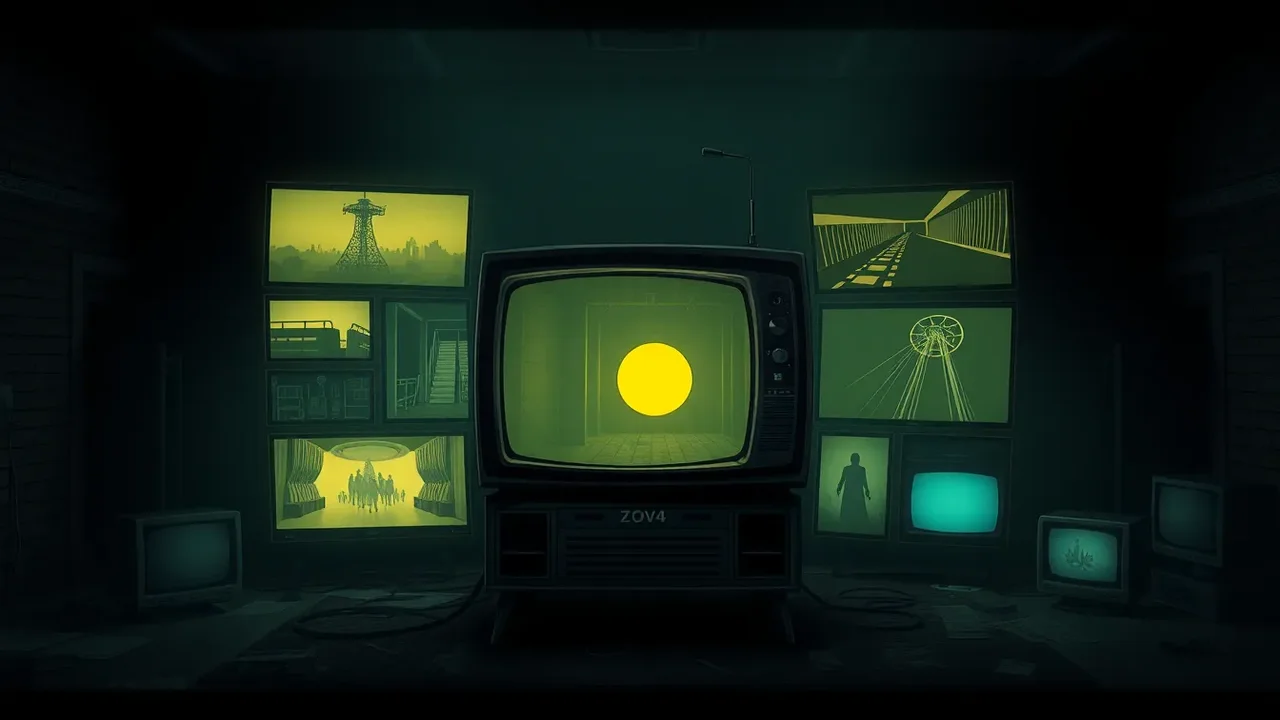
ZOV4 is a short film that runs under twenty minutes, yet it carries the emotional and narrative weight of a feature. The title suggests a fourth installment, but the film works as a standalone piece. It follows a group of strangers trapped in a decaying transit hub after a mysterious signal disrupts the city. Each character enters with a distinct secret, and the ensemble format allows the story to bounce between perspectives without losing momentum. The result is a dense, rewarding watch that demands attention and repays it with layered detail.
The first thing that strikes you is the confidence of the writing. There is no wasted line. Every exchange either reveals character or advances the central mystery. The short opens with a wide shot of the hub, then cuts to a close-up of a woman named Mira checking a broken watch. Within thirty seconds, we know she is waiting for someone who may never arrive. This economy of storytelling is the film's greatest strength. It trusts the audience to connect dots, and that trust makes the world feel larger than the runtime.
Story and Structure
The narrative unfolds in three movements: arrival, revelation, and rupture. The arrival section introduces six characters, each with a visual cue that hints at their role. The revelation section pairs them off, forcing conversations that expose their fears. The rupture section brings them together for a single, devastating choice. This structure is simple, but the execution is complex. The film uses overlapping dialogue and flashbacks that last only a few frames. These flashes are not gimmicks; they are memory fragments that the characters themselves cannot fully process.
One standout sequence involves a card game. On the surface, it is a way to pass time. Underneath, it is a negotiation of power. The cards represent resources, and the rules change when someone lies. The scene lasts four minutes, but it feels like an entire act. By the end, alliances have shifted, and the audience understands each character's moral limits. This is the ensemble short at its best: a small event that contains a universe of consequence.
The Ensemble Cast
The cast is uniformly excellent, but three performances anchor the film. Mira, played with quiet intensity, is the emotional center. She rarely raises her voice, yet her eyes carry the weight of a lost child. Jonas, the self-appointed leader, is charismatic and dangerous. He believes he is protecting the group, but his protection looks a lot like control. Then there is Tessa, a teenager who seems to know more than she admits. Her arc is the most surprising, and it pays off in a final shot that recontextualizes the entire film.
Supporting players are not afterthoughts. The quiet man in the corner, the mother with a suitcase, the station agent who never leaves his booth—each has a moment that justifies their presence. The film avoids the trap of giving everyone a tragic backstory. Instead, it lets behavior define them. You learn who they are by what they do when the lights flicker. This approach makes the ensemble feel huge because every person could be the protagonist of their own short.
Direction and Visual Language
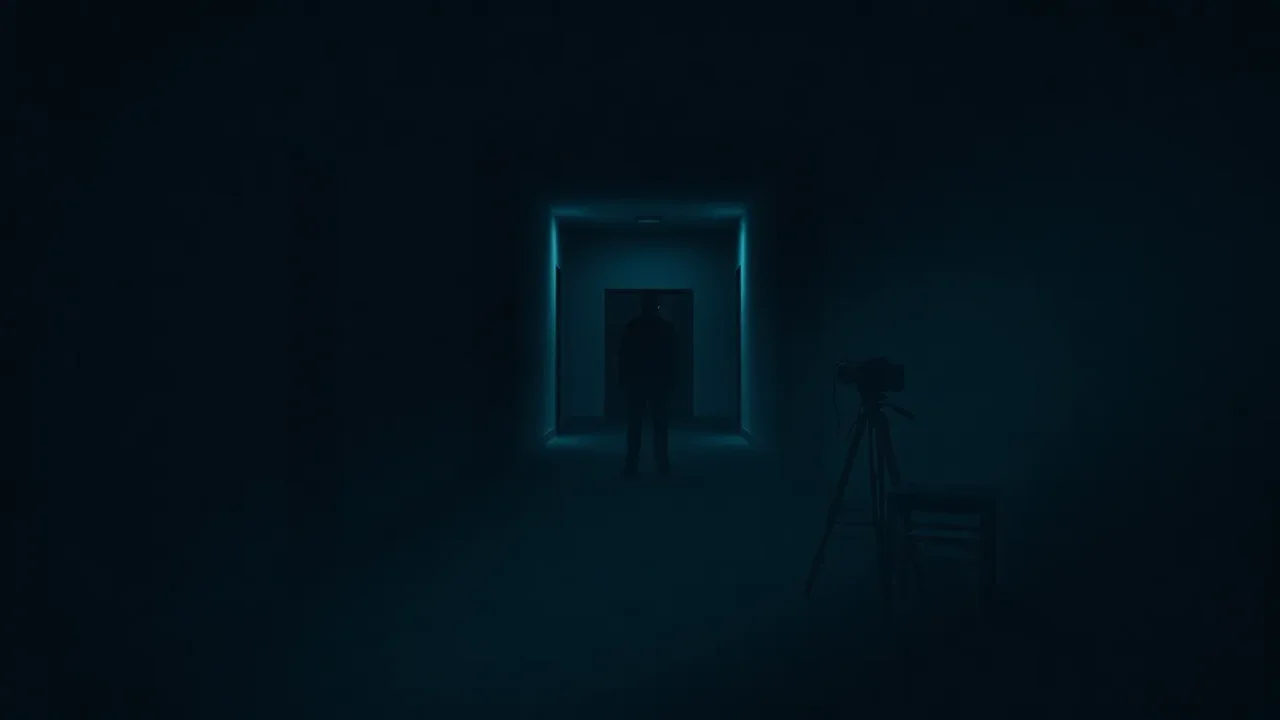
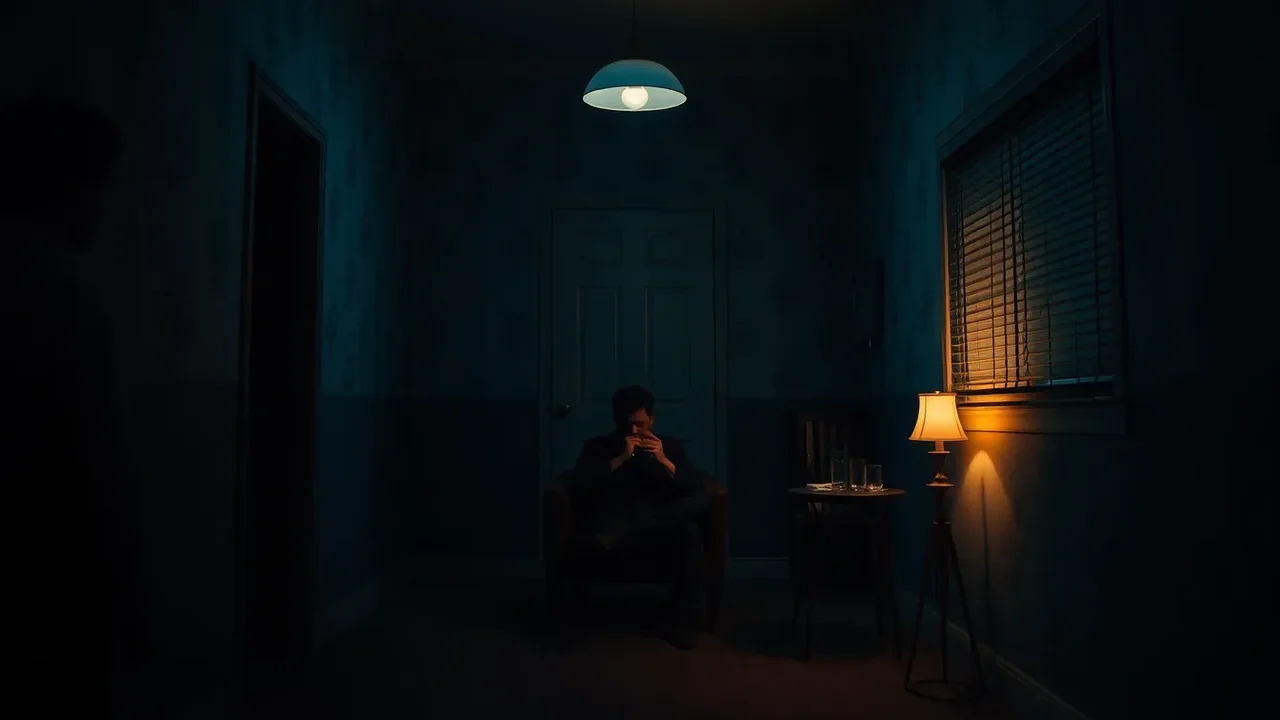
The director uses a handheld camera for the first half and a locked-down tripod for the second. This shift is subtle but effective. The handheld sections feel unstable, mirroring the characters' uncertainty. The locked-down sections feel like judgment, as if the camera is now a witness rather than a participant. Color grading moves from sickly green to cold blue, with a single warm light source that appears only when a character tells the truth. This visual rule is never explained, but you feel it.
Framing is another strength. The film loves doorways, windows, and reflections. Characters are often seen through glass, suggesting they are trapped or incomplete. In one memorable shot, Mira speaks to Jonas through a broken mirror. Their faces are split, and neither is whole. It is a simple image, but it says more than a page of dialogue. The short is full of such moments, and they reward repeat viewings.
Sound and Score
The sound design is aggressive in the best way. Background hums, distant sirens, and the click of a turnstile become rhythmic. The score is minimal: a single cello line that repeats and slowly detunes. When the detuning becomes obvious, you realize the signal has been affecting the characters all along. The film uses silence as a weapon. In the climax, all sound drops for eight seconds. That silence is louder than any explosion.
Dialogue is mixed with care. Overlapping lines are intentional, but you can always follow the main thread. Whispers are subtitled in the theatrical version, which adds another layer of intimacy. If you watch with headphones, you will hear tiny details: a match striking, a breath held, a footstep that does not belong to anyone on screen. These details make the world feel inhabited.
Pacing and Runtime
At nineteen minutes, ZOV4 is longer than many shorts but shorter than a sitcom. The pacing is relentless without feeling rushed. Each scene ends a beat earlier than you expect, creating a forward pull. The editing uses match cuts and jump cuts to compress time. A character sits down, and in the next frame they are standing in a different location. This technique could be confusing, but the film establishes clear visual anchors so you never get lost.
The runtime is a feature, not a bug. A longer version would dilute the mystery. The short format forces the filmmakers to prioritize. Every prop, every glance, every line has a job. This efficiency is rare. It makes ZOV4 feel like a proof of concept for something bigger, but it also stands alone as a complete experience.
Themes and Interpretations
The film can be read as a parable about community, surveillance, or grief. The signal that disrupts the city is never explained. It could be a government experiment, an alien broadcast, or a collective hallucination. The ambiguity is deliberate. The characters argue about the signal's origin, but their arguments reveal more about their own biases than about the truth. This makes the film feel like a mirror. What you bring to it determines what you see.
Another theme is the cost of leadership. Jonas believes that someone must take charge, but his decisions cost lives. Mira believes that no one should lead, but her indecision also costs lives. The film does not offer an easy answer. It simply shows the consequences. This moral complexity is what makes the short feel huge. It does not resolve; it resonates.
Comparison Table: ZOV4 vs. Typical Ensemble Shorts
| Element | ZOV4 | Typical Ensemble Short |
|---|---|---|
| Character Count | Six principal, four supporting | Three to five, often underdeveloped |
| Runtime | 19 minutes | 10 to 15 minutes |
| Structure | Three movements with overlapping timelines | Linear single conflict |
| Visual Style | Handheld to locked-down, color-coded truth | Consistent handheld or static |
| Sound Design | Aggressive, silence as climax | Dialogue-driven, minimal effects |
| Ending | Ambiguous, recontextualizing | Often resolved or twist-based |
Practical Viewing Tips
- Watch once without pausing. The film is designed as a single breath. Pausing breaks the rhythm.
- Use headphones. The sound design contains clues that speakers miss.
- Take notes on second viewing. Track who tells the truth and when the warm light appears.
- Pay attention to hands. Characters reveal their intentions through gestures, not speeches.
- Stay through the credits. There is a final audio cue that changes the ending.
Standout Moments
The card game is the obvious highlight, but other moments linger. A child's toy rolls across the floor during a tense negotiation. No one picks it up. Later, the toy appears in a different location, implying that someone moved it. This tiny detail suggests that the station itself is alive or that a character we have not noticed is manipulating events. The film is full of such breadcrumbs.
The final shot is a masterclass in restraint. Mira stands at the edge of the platform. The camera holds for ten seconds. We hear a train approaching, but we never see it. The screen cuts to black. This ending could be frustrating, but it is earned. The film has given us enough information to decide what happens next. That collaboration between filmmaker and audience is the essence of great short cinema.
Technical Specifications and Availability
ZOV4 was shot on digital at 4K, with a final color grade in Dolby Vision. The aspect ratio is 2.39:1, which gives the transit hub a cinematic scope. The sound mix is available in 5.1 and stereo. The short has played at several festivals and is currently streaming on a niche platform. A physical release with director commentary is planned. The commentary is worth seeking out because it explains the visual rules without spoiling the mystery.
For aspiring filmmakers, ZOV4 is a case study in doing more with less. The budget was modest, but the film looks expensive because every choice is intentional. The locations are limited, but the camera finds new angles. The cast is small, but the performances are deep. This is not a film that relies on spectacle. It relies on craft.
In a landscape where shorts are often treated as calling cards, ZOV4 feels like a complete statement. It is an ensemble short that feels huge because it respects its characters, its audience, and its own boundaries. It does not overstay. It does not underdeliver. It simply works.
FAQ - ZOV4 Review: The Ensemble Short That Feels Huge
What is ZOV4 about?
ZOV4 is a 19-minute ensemble short about six strangers trapped in a transit hub after a mysterious signal disrupts their city. Each character hides a secret, and their interactions reveal a larger mystery about trust, leadership, and survival.
How long is ZOV4?
ZOV4 runs for approximately 19 minutes. Its tight runtime is deliberate, allowing the film to maintain relentless pacing while still developing a large ensemble cast.
Is ZOV4 part of a series?
Despite the title's numbering, ZOV4 works as a standalone short. It does not require viewers to have seen previous installments, and its story is self-contained.
Where can I watch ZOV4?
ZOV4 has screened at several film festivals and is currently available on a niche streaming platform. A physical release with director commentary is planned for the future.
What makes ZOV4 feel like a feature?
ZOV4 feels huge because of its layered writing, visual rules, aggressive sound design, and moral complexity. Every character has a distinct arc, and the ambiguous ending invites repeat viewings.
ZOV4 is a 19-minute ensemble short about six strangers trapped in a transit hub after a mysterious signal. With layered writing, aggressive sound design, and an ambiguous ending, it feels as huge as a feature while respecting its runtime.
ZOV4 is a triumph of economy and ambition. It proves that a short film can feel as vast as a feature when every frame, line, and sound is crafted with purpose. For fans of ensemble dramas, speculative mysteries, and tight storytelling, this is essential viewing.