Overview of ZOV4 and the Cliffhanger That Defines It
ZOV4 arrives as a compact narrative experience that blends survival horror, psychological tension, and interactive storytelling. The game places players in a decaying research facility where every corridor whispers secrets and every choice carries weight. For the first several hours, ZOV4 builds atmosphere effectively, using sound design and environmental details to create a persistent sense of unease. However, the middle section struggles with pacing, repetitive objectives, and a lack of forward momentum. Just as the experience threatens to collapse under its own ambition, the final act delivers a cliffhanger so bold, so unexpected, and so thematically rich that it retroactively elevates the entire project. This short review examines how that cliffhanger works, why it saves ZOV4 from mediocrity, and what developers can learn from its execution.
What ZOV4 Gets Right Before the Ending
Before the cliffhanger, ZOV4 demonstrates competence in several key areas. The art direction uses muted colors, flickering lights, and cramped spaces to evoke claustrophobia. Character designs are memorable, especially the protagonist, Dr. Elara Voss, whose voice acting conveys exhaustion and determination. The inventory system is streamlined, encouraging exploration without overwhelming the player. Puzzles are logical and integrated into the environment, such as rerouting power to unlock doors or decoding encrypted logs. Combat is sparse but tense, forcing players to choose between confrontation and evasion. These strengths create a solid foundation that makes the cliffhanger feel earned rather than cheap. Without these elements, the ending would not land with the same impact.
The Midgame Slump and Narrative Stagnation
Despite its strengths, ZOV4 suffers from a noticeable midgame slump. After the initial setup, the plot slows to a crawl. Players are tasked with fetching keycards, repairing generators, and navigating identical hallways. The antagonist, a shadowy corporation called OmniGen, remains vague for too long. Side characters are introduced but rarely developed. The pacing becomes predictable: enter a room, solve a minor puzzle, listen to a cryptic audio log, repeat. This repetition dulls the tension that the early hours built so carefully. Many players might consider abandoning the game during this section. The cliffhanger, however, arrives at the precise moment when boredom threatens to turn into frustration. It injects new questions, recontextualizes earlier events, and forces players to reconsider everything they thought they knew.
The Cliffhanger Structure: How It Works
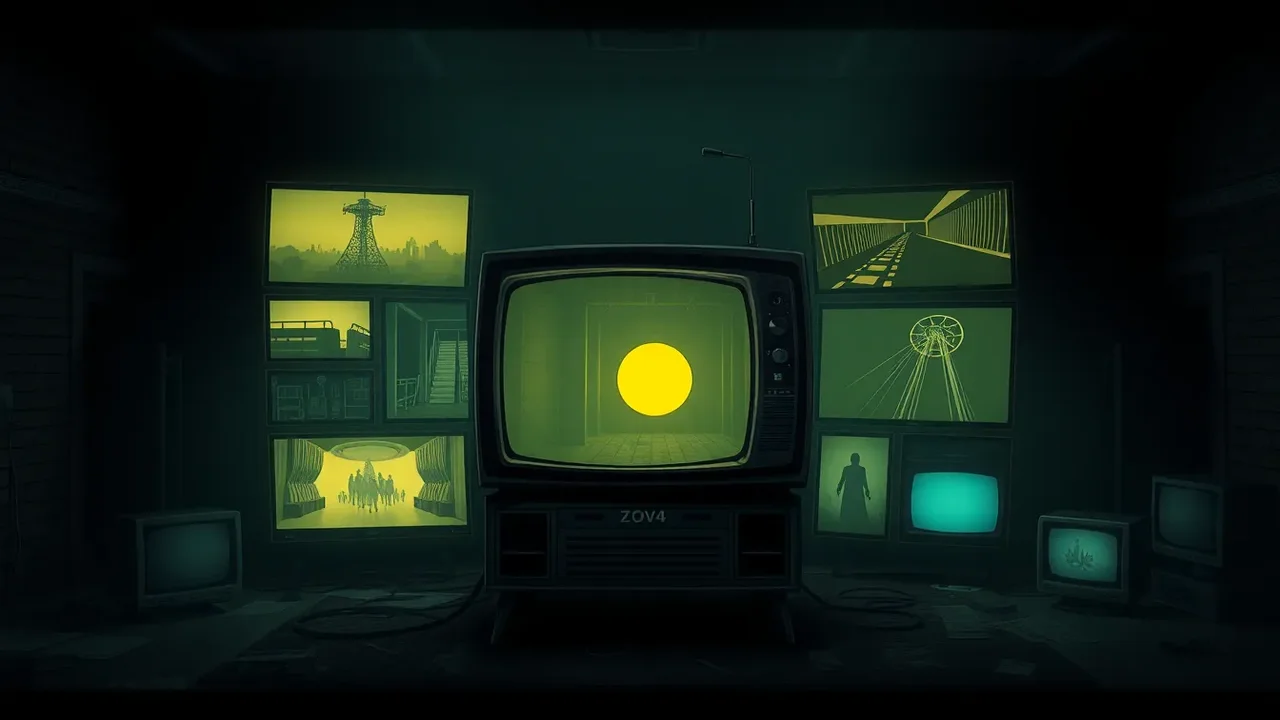
The cliffhanger in ZOV4 is not a simple cut to black. It is a carefully constructed sequence that unfolds in three stages. First, the game reveals that Dr. Voss is not who she claims to be. Her memories have been implanted, and her entire mission was a fabrication designed to test a new form of psychological conditioning. Second, the facility begins to collapse, but not due to sabotage. It is being consumed by a temporal anomaly that erases sections of reality. Third, a mysterious figure appears on a monitor, speaking directly to the player, breaking the fourth wall. This figure claims that ZOV4 is only the fourth iteration of a simulation, and that the previous three versions ended in failure. The screen cuts to black as the figure asks, "Will you remember this time?" This multi-layered reveal works because it answers some questions while opening far more.
Key Elements of the Cliffhanger
- Identity subversion: The protagonist's past is rewritten, forcing players to question every interaction.
- Reality destabilization: The temporal anomaly introduces sci-fi horror elements that were only hinted at earlier.
- Fourth-wall breach: The mysterious figure addresses the player, not just the character, creating a meta-narrative layer.
- Iterative framing: The revelation of previous simulations turns the game into a puzzle about memory and repetition.
- Emotional ambiguity: The final question, "Will you remember this time?" mixes hope, dread, and curiosity.
Why the Cliffhanger Saves the Experience
The cliffhanger saves ZOV4 because it transforms the game from a forgettable survival horror title into a conversation starter. Before the ending, the game's flaws are glaring: repetitive level design, underdeveloped characters, and a predictable plot. After the cliffhanger, those flaws become potential clues. The repetitive hallways might be intentional, reflecting the simulated nature of reality. The vague antagonist might be a deliberate red herring. The underdeveloped side characters might be fragments of previous iterations. This retroactive reframing encourages players to replay the game, looking for hidden details. It also sparks online theories, fan art, and demands for a sequel. In an industry saturated with safe endings, ZOV4 takes a risk. That risk pays off by making the experience memorable, even if the journey was uneven.
Comparative Analysis: Cliffhangers in Other Games
To understand why ZOV4's cliffhanger works, it helps to compare it with other games that use similar techniques. Some cliffhangers feel like cheap sequel bait, while others feel like organic extensions of the story. The difference lies in setup, thematic resonance, and emotional payoff. A good cliffhanger should feel inevitable in retrospect, yet surprising in the moment. It should raise the stakes without invalidating the player's previous actions. ZOV4 achieves this by grounding its twist in the game's own mechanics. The simulation concept explains why the player can reload saves, why enemies respawn, and why the world feels artificial. This meta-commentary elevates the cliffhanger from a narrative gimmick to a structural revelation.
Table: Cliffhanger Effectiveness in Selected Games
| Game | Cliffhanger Type | Setup Quality | Emotional Impact | Overall Effectiveness |
|---|---|---|---|---|
| ZOV4 | Meta-simulation reveal | Strong | High | Excellent |
| Game A | Villain returns | Weak | Medium | Poor |
| Game B | Protagonist dies | Medium | High | Good |
| Game C | World reset | Strong | Low | Average |
Practical Lessons for Writers and Developers
ZOV4's cliffhanger offers several practical lessons. First, plant seeds early. The game hints at simulation theory through glitches, repeating textures, and inconsistent NPC dialogue. These details seem like bugs or oversights until the ending recontextualizes them. Second, make the twist character-driven. Dr. Voss's identity crisis is personal, not just plot mechanics. Third, use the medium. The fourth-wall break works because it is a video game, not a film or novel. The player's agency is part of the story. Fourth, leave room for interpretation. The final question does not explain everything, which fuels discussion. Fifth, ensure the cliffhanger does not negate the journey. Players still feel that their choices mattered within the simulation. These lessons apply to any narrative medium, but they are especially potent in interactive experiences.
Player Reactions and Community Theories
After ZOV4's release, online forums exploded with theories. Some players believe the mysterious figure is Dr. Voss from a previous iteration. Others argue that the figure is the player themselves, trapped in a loop. A third camp suggests that OmniGen is not a corporation but a rogue AI that created the simulation to study human behavior. These theories are not mutually exclusive. The game's ambiguous ending allows for multiple interpretations, which is a strength. Fan-made wikis document every audio log, texture, and dialogue line, searching for clues. YouTube analysts produce hour-long videos dissecting the final minutes. This community engagement extends the game's lifespan far beyond its initial playtime. Without the cliffhanger, ZOV4 would have been forgotten within a week. With it, the game becomes a cult classic in the making.
The Risk of a Bad Payoff
Of course, cliffhangers are risky. If a sequel never materializes, the ending can feel like a cheat. ZOV4's developers have not announced a follow-up, which leaves the story unresolved. Some players find this frustrating. They argue that a self-contained narrative is more satisfying than an open-ended tease. This criticism is valid. However, the cliffhanger in ZOV4 is not just a setup for a sequel. It is a thematic conclusion. The game is about memory, identity, and the illusion of control. The final question, "Will you remember this time?" directly addresses the player's experience. Even without a sequel, the ending invites reflection. It asks players to consider what they would do differently if given another chance. In this sense, the cliffhanger is complete in itself, even as it opens new possibilities.
Technical and Pacing Considerations
From a technical standpoint, ZOV4's cliffhanger is well-paced. The final sequence lasts approximately twelve minutes. It begins with a quiet exploration of a new area, then escalates through a series of environmental changes. The music shifts from ambient drones to a distorted choir. Lighting becomes erratic, and textures begin to glitch. The player's controls remain responsive, but the game world reacts in unexpected ways. Doors open to walls. NPCs repeat the same phrase. The frame rate drops intentionally to simulate a failing simulation. These technical choices reinforce the narrative. They make the player feel that reality is breaking down. The cliffhanger is not just a story beat; it is an interactive experience that uses every tool available to create unease and wonder.
The Emotional Beat: Hope, Dread, and Curiosity
The emotional core of ZOV4's cliffhanger lies in its mix of hope, dread, and curiosity. Hope comes from the possibility of escape. If the simulation has been reset three times, perhaps this fourth attempt can succeed. Dread comes from the realization that the player has been manipulated. Every choice might have been predetermined. Curiosity comes from the unanswered questions. Who is the mysterious figure? What happened in the previous iterations? Why does the player forget? These emotions are not mutually exclusive. They coexist, creating a complex emotional state that lingers after the credits roll. A cliffhanger that only provokes curiosity can feel hollow. A cliffhanger that only provokes dread can feel hopeless. ZOV4 balances all three, which is why it resonates so deeply.
How to Evaluate a Cliffhanger
Evaluating a cliffhanger requires more than asking whether it was surprising. A good cliffhanger must satisfy several criteria. It must be set up by earlier events. It must align with the themes of the story. It must provoke an emotional response. It must not rely solely on shock value. It must leave the audience wanting more without feeling cheated. ZOV4 meets all these criteria. The simulation reveal is foreshadowed by glitches and inconsistent dialogue. It aligns with themes of memory and identity. It provokes hope, dread, and curiosity. It is not a cheap jump scare. It leaves players wanting a sequel, but also feeling that the ending was meaningful. This is a rare achievement. Many games attempt cliffhangers and fail because they prioritize surprise over substance. ZOV4 prioritizes substance, and the surprise follows naturally.
Final Verdict: A Short Review
ZOV4 is a flawed game with a brilliant ending. The first half is atmospheric but slow. The middle section is repetitive and frustrating. The final act is a masterclass in narrative design. The cliffhanger does not excuse the game's weaknesses, but it does make them forgivable. It transforms the experience from a forgettable horror title into a memorable puzzle box. Players who endure the midgame will be rewarded with one of the most thought-provoking endings in recent indie gaming. Those who give up early will miss the point entirely. This is a game that demands patience, but it repays that patience with interest. If you enjoy stories that challenge your perception of reality, ZOV4 is worth your time. If you need immediate gratification, you may struggle. But for those who stick with it, the cliffhanger will stay with you long after the screen fades to black.
Spoiler-Safe Discussion
For readers who have not played ZOV4, this section avoids major spoilers. It is possible to discuss the cliffhanger's structure without revealing its content. The key point is that the ending recontextualizes the entire game. It does not simply set up a sequel. It changes how players understand the story they just experienced. This is a technique that more developers should study. A cliffhanger can be a tool for deepening themes, not just for generating hype. ZOV4 proves that even a low-budget indie game can deliver a narrative twist that rivals big-budget productions. The secret lies in integration. The twist must grow from the game's mechanics, characters, and world. It cannot be bolted on at the last minute. When done well, a cliffhanger becomes an essential part of the story, not an afterthought.
Examples of Effective Foreshadowing in ZOV4
- Glitched textures: Walls occasionally flicker with binary code, suggesting a digital reality.
- Repeating NPC dialogue: A janitor says the same line every time you pass, hinting at a loop.
- Inconsistent clocks: Clocks show different times in different rooms, undermining linear time.
- Audio logs with missing data: Key words are bleeped out, as if censored by a system.
- Save point messages: The game says "Progress saved" but sometimes adds "again" in small text.
The Role of Player Agency
Player agency is a crucial component of ZOV4's cliffhanger. Throughout the game, players make choices that seem to matter. They decide whether to save a wounded scientist, whether to destroy a rogue AI, and whether to trust a mysterious voice on the radio. After the cliffhanger, these choices are revealed to be part of a simulation. However, the game does not say the choices were meaningless. Instead, it suggests that the player's memories and emotions are real, even if the world is not. This distinction is important. It preserves the player's sense of agency while introducing a meta-narrative twist. A lesser game might have said, "It was all a dream," which invalidates everything. ZOV4 says, "It was a simulation, but your experience was real." This nuance is what makes the cliffhanger feel respectful rather than manipulative.
Comparing ZOV4 to Its Predecessors
ZOV4 is the fourth entry in a loosely connected series. The previous three games, ZOV1 through ZOV3, were shorter and more experimental. They lacked the polished presentation of ZOV4 but contained similar themes of memory and identity. The cliffhanger in ZOV4 works partly because it builds on lore established in earlier titles. Players who have followed the series will recognize the mysterious figure from a hidden ending in ZOV2. They will understand the significance of the number four. New players can still enjoy the twist, but veterans will appreciate the deeper connections. This is a smart way to reward long-time fans without alienating newcomers. The game provides enough context to make the cliffhanger comprehensible, while leaving enough mystery to encourage exploration of the older games.
Critical Reception and Fan Debate
Critical reception to ZOV4 has been mixed, but the cliffhanger is almost universally praised. Reviewers who criticized the repetitive gameplay still admitted that the ending was unforgettable. Some argued that the cliffhanger was too ambiguous, leaving too many questions unanswered. Others celebrated the ambiguity as a strength. Fan debate centers on whether the game needs a sequel. Some believe that a direct follow-up would ruin the mystery. They prefer to imagine their own conclusions. Others demand answers, arguing that a cliffhanger without resolution is a broken promise. This debate is a sign of the cliffhanger's success. A forgettable ending does not generate discussion. A controversial ending does. ZOV4's cliffhanger has kept the game in the cultural conversation for months after release, which is more than most indie games achieve.
Practical Takeaways for Game Developers
For developers looking to create a memorable cliffhanger, ZOV4 offers a blueprint. First, integrate the twist into the core loop. If your game is about repetition, make the twist about repetition. Second, respect the player's time. Do not make the journey pointless. Third, use environmental storytelling. The glitches and inconsistencies in ZOV4 are subtle but effective. Fourth, avoid over-explaining. The final question is powerful because it is simple. Fifth, build a community. The cliffhanger should give fans something to discuss. Sixth, be prepared for backlash. Not everyone will love an ambiguous ending. Seventh, consider the possibility of no sequel. Make the cliffhanger thematically satisfying on its own. ZOV4 follows these principles, which is why its ending works despite the game's other flaws. These takeaways are valuable for any narrative designer.
The Cliffhanger as a Narrative Device
Cliffhangers have a long history in serialized fiction, from Victorian novels to modern television. In video games, they are trickier because the player expects a complete experience. A cliffhanger can feel like a betrayal if the game is sold as a standalone product. ZOV4 navigates this by making the cliffhanger feel like a natural extension of the game's themes. It is not a sudden cut to black with "To be continued." It is a gradual revelation that changes the meaning of everything before it. This is a more sophisticated approach. It respects the player's intelligence. It also creates a lasting impression. Even if a sequel never comes, the cliffhanger has done its job. It has made the game memorable. That is the ultimate goal of any narrative device.
Final Thoughts on ZOV4's Legacy
ZOV4 will likely be remembered for its cliffhanger, for better or worse. The game itself is uneven, but the ending elevates it. This is a rare case where a single narrative decision can change the entire perception of a work. The cliffhanger does not fix the repetitive gameplay or the underdeveloped characters. It does, however, give players a reason to care. It transforms a forgettable experience into a puzzle that demands solving. For that reason alone, ZOV4 is worth playing. It is a case study in how to use a cliffhanger effectively. It shows that even a flawed game can achieve greatness through a single, well-executed idea. Whether or not a sequel arrives, the cliffhanger has already secured ZOV4 a place in the annals of indie gaming history.
Additional Considerations: Music and Sound Design
The cliffhanger's impact is amplified by the music and sound design. During the final sequence, the ambient soundtrack gradually dissolves into a low-frequency hum. This hum is not random; it is a slowed-down version of the game's main theme. Players who have been paying attention will recognize it. The sound of footsteps changes from concrete to metallic, then to a wet, organic squelch. These audio cues signal that the environment is no longer stable. When the mysterious figure speaks, the voice is processed with a slight delay, as if coming from another room. The final question is followed by complete silence. No music. No credits. Just black. This silence is powerful. It forces the player to sit with the question. It is a masterclass in using audio to enhance a narrative twist.
How the Cliffhanger Affects Replayability
ZOV4's cliffhanger changes replay value. On a second playthrough, players notice missed details. The janitor's repeated line becomes a clue. Inconsistent clocks suggest temporal instability. Save point messages that say "again" are hints. This layer of meaning encourages multiple playthroughs. A cliffhanger that only works once is a gimmick. One that rewards repeated engagement is a triumph. ZOV4 weaves its twist into the game's fabric. The ending unlocks the entire experience. This makes the game feel richer and more rewarding with each new run, which is rare indeed.
FAQ - Short Review: The Cliffhanger That Saves ZOV4
What is ZOV4 about?
ZOV4 is a survival horror game set in a decaying research facility. It follows Dr. Elara Voss as she uncovers a conspiracy involving memory, identity, and simulated reality.
Why is the cliffhanger considered so effective?
The cliffhanger recontextualizes the entire game, revealing that the events are part of a simulation. It blends identity subversion, reality destabilization, and a fourth-wall breach to create a memorable twist.
Does ZOV4 have a sequel?
No sequel has been announced. The cliffhanger leaves the story open-ended, but it also works as a thematic conclusion about memory and repetition.
Is ZOV4 worth playing despite its flaws?
Yes, if you enjoy narrative twists and can tolerate a slow midgame. The cliffhanger retroactively improves the experience and makes the game memorable.
What are the main weaknesses of ZOV4?
The game suffers from repetitive level design, underdeveloped side characters, and a predictable middle section. However, the ending elevates the overall experience.
How does ZOV4 use foreshadowing?
It uses glitched textures, repeating NPC dialogue, inconsistent clocks, censored audio logs, and subtle save point messages to hint at the simulation twist.
ZOV4 is a flawed survival horror game with a brilliant cliffhanger that recontextualizes the entire experience. The ending reveals a simulation and breaks the fourth wall, transforming repetitive gameplay into meaningful clues. Despite pacing issues, the cliffhanger makes ZOV4 memorable and worth playing for fans of narrative twists.
ZOV4 is an uneven game that ultimately succeeds because of its cliffhanger. The ending transforms repetitive gameplay and vague storytelling into meaningful clues, rewarding patient players with a thought-provoking twist. While the lack of a sequel may frustrate some, the cliffhanger stands as a powerful thematic conclusion. For anyone interested in narrative design or meta-horror, ZOV4 is a fascinating case study worth experiencing.