What ZOV4 Actually Is
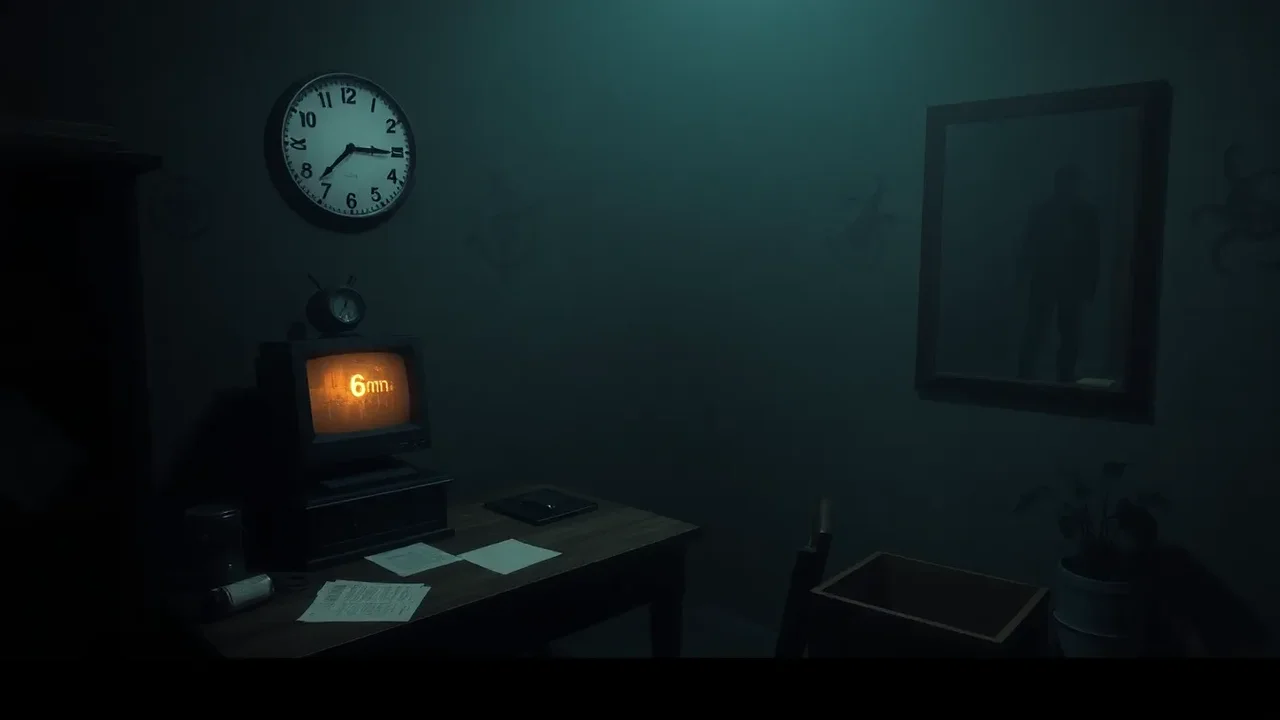
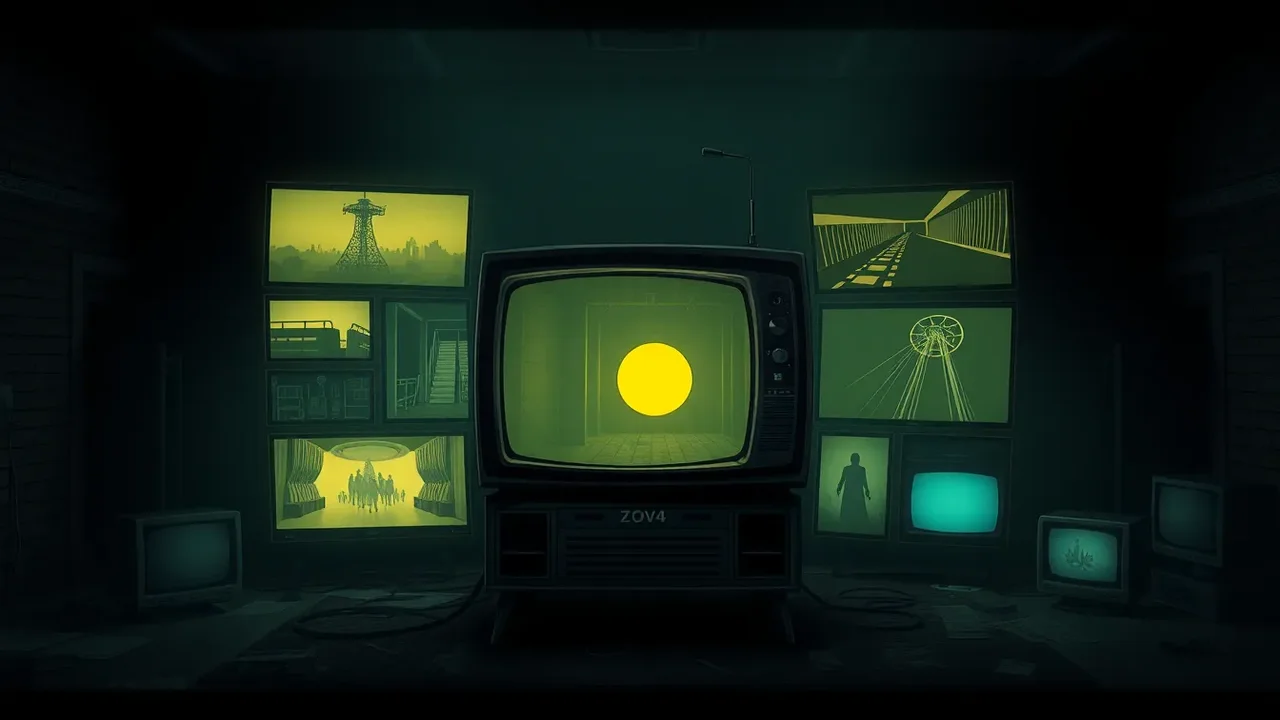
ZOV4 is a compact narrative puzzle game built around a single locked room, two hidden truths, and a strict six-minute timer. You play as an unnamed investigator who wakes beside a flickering terminal. The room contains ordinary furniture, but every object hides a clue. The game asks you to solve two secrets before the timer expires. One secret concerns the room’s previous occupant. The other secret concerns your own identity. The experience lasts only six minutes per run, yet it feels dense, deliberate, and surprisingly emotional. Its tiny scope is not a limitation; it is the entire point. The game rewards observation, memory, and quick thinking.
The Single Room as a Character
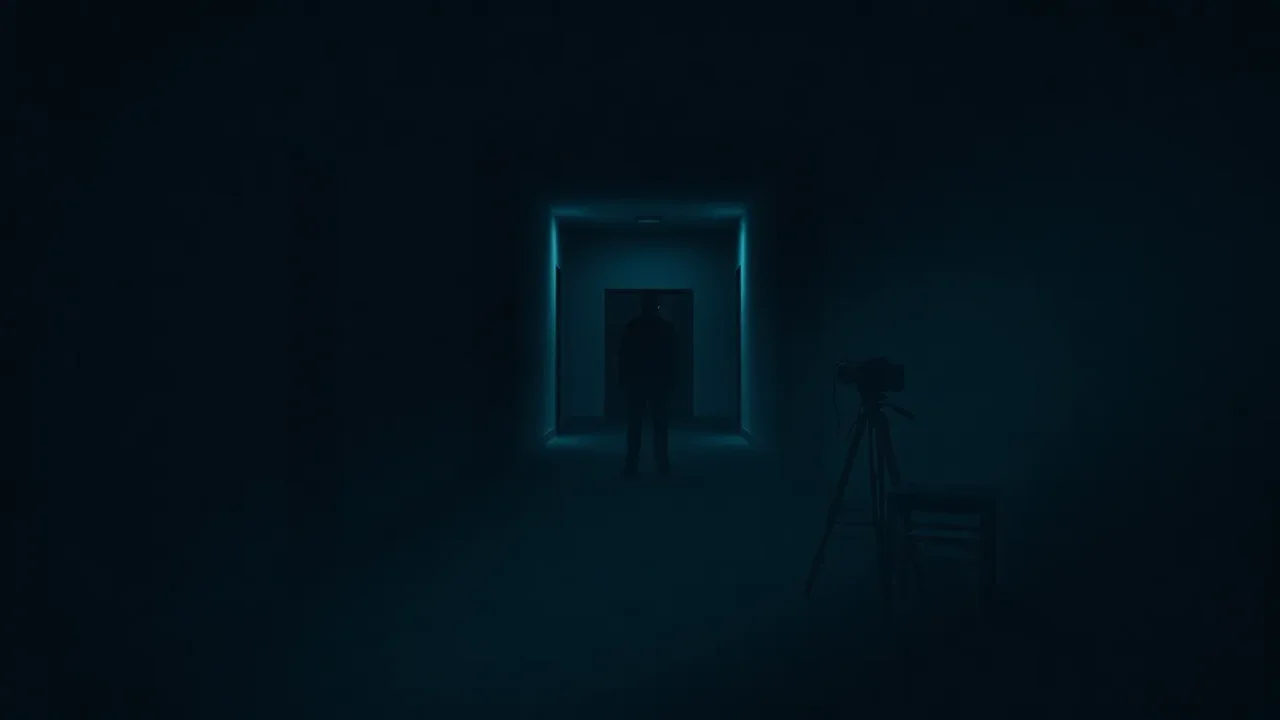
The room in ZOV4 is not a passive backdrop. It is the central character, speaking through scratches on the desk, dust patterns on the floor, and the hum of a dying light. Every corner has a purpose. A crooked painting hides a safe. A coffee mug reveals a timeline. A bookshelf contains a journal with missing pages. Because the space is so small, players quickly memorize its layout. That familiarity becomes a tool. You notice when something changes between runs. You learn which objects react to your touch. The room feels alive, hostile, and sad all at once. It holds both secrets in plain sight.
Secret One: The Previous Occupant
The first secret focuses on the person who lived in the room before you. Clues suggest they were a researcher, perhaps a whistleblower. A torn photograph shows a face scratched out. A calendar marks dates with red circles. A hidden note mentions a meeting that never happened. To solve this secret, you must connect three separate clues. One clue establishes motive. Another establishes opportunity. The third establishes the method. If you guess too early, the game locks you into a wrong conclusion. You can restart, but the six-minute timer makes every mistake costly. The truth is tragic, not sensational. It explains why the room feels haunted by unfinished business.
Secret Two: Your Own Identity
The second secret is more personal. You are not a random investigator. The terminal recognizes your voice. A mirror shows a reflection that does not match your movements. A locked drawer contains an ID card with your face but a different name. As you uncover clues, you realize you have been in this room before. The game never tells you directly. It lets you assemble the truth from fragments. Your identity connects to the previous occupant. You may be a colleague, a betrayer, or a copy. The ambiguity is intentional. ZOV4 trusts you to decide what the evidence means. That choice shapes how the ending feels.
Why Six Minutes Matters
The six-minute timer is not a gimmick. It forces focus. You cannot explore every object slowly. You must prioritize. The timer also mirrors the game’s themes of urgency and regret. Six minutes is enough to solve both secrets if you know what to do. It is not enough to waste time on irrelevant details. The game pauses during dialogue, but not during exploration. That design choice keeps pressure high. When the timer hits zero, the room resets. You keep knowledge, not items. This makes each run a test of memory and deduction. The timer transforms a small puzzle box into a tense, repeatable challenge.
The Core Gameplay Loop
Each run follows a simple loop. You wake up. You scan the room. You interact with objects. You read notes, open drawers, and input codes. You gather clues about the two secrets. You make a final accusation at the terminal. Then the timer ends or you solve the case. If you fail, you restart with everything reset. The loop is short, but the information you carry forward changes. You learn shortcuts. You learn which clues are essential. You learn which red herrings waste time. The loop is satisfying because progress is mental, not mechanical. You are not leveling up a character. You are becoming a better detective.
Puzzle Design and Clue Logic
ZOV4 uses classic adventure game logic with modern pacing. Puzzles are fair. Every solution has at least two hints. One hint is environmental. The other is textual. For example, a safe code appears in a poem, but the poem’s first letters spell the numbers. Another puzzle requires aligning three symbols based on a child’s drawing. The game never relies on pixel hunting. Interactive objects glow faintly when you are close. The challenge comes from connecting ideas, not from finding tiny hotspots. That makes the six-minute limit feel exciting rather than frustrating. The best puzzles make you feel clever, not lucky.
Narrative Delivery Through Objects
ZOV4 tells its story without cutscenes. You learn everything by examining objects. A chipped teacup suggests a violent argument. A stack of unpaid bills suggests financial desperation. A child’s toy in a locked drawer suggests a hidden family. The game rarely uses exposition. Instead, it places items in meaningful arrangements. The position of a chair tells you where someone sat. The angle of a lamp tells you what they were reading. This environmental storytelling rewards curiosity. It also makes the room feel authentic. You are not reading a novel. You are reconstructing a life from the things left behind. That approach is intimate and powerful.
Dialogue and Subtext
There is very little spoken dialogue in ZOV4. Most communication happens through text on the terminal. The terminal asks questions. You choose responses. The responses affect what the terminal reveals. Some answers unlock new clues. Others close off information. The writing is sharp and minimal. Characters speak in fragments. They interrupt themselves. They avoid direct statements. This creates subtext. You must read between the lines. A simple question like “Do you remember me?” carries weight because of what is not said. The dialogue system is not a branching tree with dozens of paths. It is a focused tool for revealing character and deepening mystery.
Character Dynamics in Isolation
Despite the single-room setting, ZOV4 has a cast of characters. You never see them, but you feel their presence. The previous occupant is the most important. Their habits, fears, and mistakes are everywhere. The terminal operator is a second character. They guide you, mock you, or test you depending on your choices. A third character appears only in notes. They may be a lover, a rival, or a victim. The dynamics between these absent people drive the plot. You are the detective, but you are also a participant. The game slowly reveals that your relationship with these characters is more complicated than you first believed.
Visual Style and Atmosphere
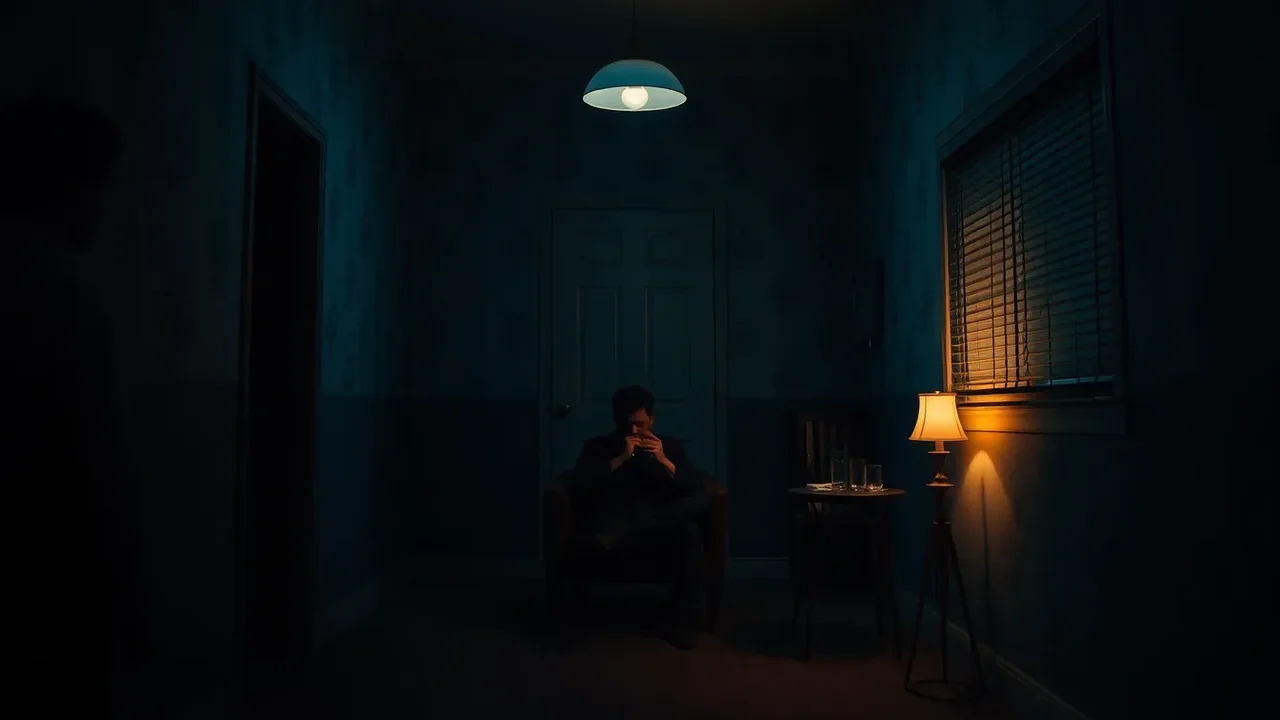
ZOV4 uses a muted color palette. Browns, grays, and dim greens dominate. The lighting is low, but not so dark that you cannot see. Shadows are used to hide details. A corner might seem empty until you approach. Then a shape emerges. The art style is semi-realistic with slight stylization. Objects have weight and texture. The room feels lived in. Dust motes float in the light. The terminal screen glows with amber text. The overall atmosphere is oppressive but not horror-level scary. It is melancholy. The visual design supports the themes of memory, guilt, and isolation. Every frame looks like a forgotten photograph.
Audio Design and Sound Cues
Sound is crucial in ZOV4. The ticking clock is constant but not overwhelming. It becomes faster as time runs out. Footsteps echo differently depending on the floor material. Drawers creak. Paper rustles. The terminal hums. These sounds are not just decoration. They are clues. A faint beep might indicate a hidden compartment. A change in ambient music might signal that you are close to a solution. The voice acting is minimal, mostly grunts and sighs. The music is sparse, using piano and low strings. The audio design creates tension without relying on jump scares. It makes the six minutes feel physical and immediate.
Interface, Controls, and Accessibility
The interface is clean and unobtrusive. A small timer sits in the top corner. Your inventory is a simple list. You interact with objects using a single button. The controls are intuitive on both keyboard and controller. The game supports remapping. It also includes subtitles, colorblind modes, and adjustable text size. There is an option to pause the timer in the settings, though purists may avoid it. The accessibility features do not compromise the core experience. They make the game available to more players. The tutorial is brief and integrated into the first run. You learn by doing. The interface never gets in the way of the mystery.
Branching Choices and Consequences
ZOV4 is not a massive branching narrative. However, your choices matter. At several points, you can decide who to trust. You can lie to the terminal. You can hide evidence. You can accuse the wrong person. These choices affect the ending you receive. There are four main endings. One is considered the true ending. The others are variations based on incomplete information. The game does not punish you harshly. It encourages replay. Each ending reveals a new piece of the puzzle. The branching is manageable for a short game. It adds depth without overwhelming the player. The consequences feel earned because they stem from your deductions.
The Secret System Explained
The two secrets are tracked separately. You can solve one without the other. The terminal will ask you to confirm each secret when you think you know the answer. If you are correct, you receive a key. Two keys open the final door. If you are wrong, you lose time. You can attempt to solve a secret multiple times, but each attempt costs thirty seconds. This system encourages careful thought. You should only answer when you are confident. The secrets are not hidden in arbitrary places. They are built from evidence you have already seen. The game expects you to take notes. Many players use a notepad. That is a feature, not a bug.
Time Pressure and Replay Value
The six-minute timer gives ZOV4 high replay value. A first run might end in failure. A second run might solve one secret. A third run might reveal the true ending. Each run is short enough that restarting does not feel painful. You learn the room’s layout. You learn which clues to check first. You develop a route. Speedrunners have completed both secrets in under three minutes. Casual players may take longer. The game also includes a practice mode without the timer. This mode lets you explore freely. However, the timed mode is the intended experience. The pressure makes the story feel urgent. Replayability comes from mastery and from the desire to see every ending.
Environmental Storytelling Techniques
ZOV4 uses several environmental storytelling techniques. First, it uses object placement. A key left in a book suggests the owner was interrupted. Second, it uses wear and tear. Scratches on a windowsill show repeated attempts to escape. Third, it uses contrast. A clean object in a dirty room stands out. Fourth, it uses repetition. The same symbol appears in different contexts. Fifth, it uses absence. A missing photograph leaves a blank space that tells its own story. These techniques are subtle. They reward players who slow down and observe. Even in a six-minute game, there is time to notice details if you know where to look.
Clue Integration and Fairness
Every clue in ZOV4 is integrated into the world. There are no floating icons or glowing arrows pointing to the answer. However, the game is fair. If a clue is essential, it appears in at least two places. One place might be obvious. The other might be hidden. For example, a safe combination is written in a diary, but the diary is locked. The key to the diary is under a plant. The plant is wilting, which suggests it was recently moved. That chain of logic is typical. It requires attention but not leaps of faith. The game respects your intelligence. It also provides a hint system if you get stuck, but using it adds a time penalty.
Difficulty and Player Agency
ZOV4 is moderately difficult. It is harder than a casual hidden object game but easier than a hardcore escape room. The difficulty comes from time management and logical deduction. You have agency in how you approach the room. You can focus on one secret at a time. You can multitask. You can ignore the timer and explore. The game does not force a single path. However, some puzzles require specific items. If you miss an item, you may need to restart. That can be frustrating. But because runs are short, the frustration is brief. The game encourages experimentation. There is no penalty for trying different solutions, except the ticking clock.
Performance, Platforms, and Pricing
ZOV4 runs smoothly on most platforms. It is available on PC, Mac, and major consoles. The system requirements are modest. It does not need a powerful graphics card. Load times are short. The game is well optimized. There are occasional minor bugs, such as an object not highlighting correctly. These are rare and usually fixed by restarting the run. The price is budget-friendly. It costs less than a typical indie game. For the amount of content, it is a fair value. The game also includes achievements and a gallery of concept art. The gallery unlocks as you find endings. The pricing reflects the short runtime, but the replay value justifies the cost.
Comparison to Similar Short Games
ZOV4 shares DNA with games like Twelve Minutes, The Room, and Return of the Obra Dinn. Like Twelve Minutes, it uses a time loop in a single space. Like The Room, it focuses on tactile puzzle boxes. Like Obra Dinn, it asks you to deduce identities from evidence. However, ZOV4 is shorter and more focused. It does not try to be a full-length adventure. It delivers a complete experience in six minutes per run. That makes it stand out. It is ideal for players who want a dense mystery without a huge time commitment. It also works well for streaming because each run is short and dramatic.
Strengths of ZOV4
ZOV4 has several strengths. Its pacing is excellent. The six-minute timer creates constant tension. The puzzle design is fair and clever. The environmental storytelling is rich. The audio and visual atmosphere are cohesive. The game respects player intelligence. It does not hold your hand. The replay value is high. The price is affordable. The accessibility options are thoughtful. The endings are meaningful. The game also has a strong emotional core. It is not just a puzzle box. It is a story about guilt, memory, and identity. These strengths outweigh its minor flaws. It is a memorable experience that stays with you after the timer stops.
Weaknesses and Limitations
ZOV4 is not perfect. Its short runtime may disappoint players who expect a longer campaign. The six-minute limit can feel punishing for those who prefer to explore without pressure. Some puzzles rely on note-taking, which may frustrate players who play casually. The dialogue system is limited. The graphics are functional but not spectacular. The game occasionally suffers from minor bugs. The hint system is helpful but can break immersion. The endings, while meaningful, may feel abrupt to some. These weaknesses are real, but they are minor compared to the overall experience. The game knows what it wants to be and executes its vision well.
Feature Table
This table summarizes the core specifications of ZOV4. It is designed to give a quick overview for players who want to know what to expect before starting. The game is short, but its structure encourages repeated runs. Each feature supports the central tension between time, observation, and deduction. The table does not capture the emotional depth, but it provides a practical snapshot.
| Feature | Details |
|---|---|
| Genre | Narrative puzzle, escape room |
| Average Run Time | 6 minutes |
| Secrets to Solve | 2 |
| Endings | 4 main endings |
| Platforms | PC, Mac, consoles |
| Accessibility | Subtitles, colorblind mode, timer pause |
| Price | Budget-friendly |
| Replay Value | High |
Practical Tips for First Playthrough
Use these tips to improve your first few runs without spoiling the mystery.
- Scan the entire room before touching anything. You need a mental map.
- Read every note twice. Important details are often in the second sentence.
- Check objects that seem out of place. A clean item in a dirty room is a clue.
- Keep a notepad nearby. Write down codes, names, and dates.
- Do not guess secrets early. Wait until you have three supporting clues.
- Use the timer pause only if you are truly stuck. It reduces tension.
- Focus on one secret at a time. Splitting attention can waste seconds.
Advanced Strategies and Speedrunning
Once you understand the room, you can optimize your route. Advanced players start with the terminal. They enter a known code to unlock a shortcut. Then they move to the desk. The desk contains the first secret clue. Next, they check the painting. The painting hides the second secret clue. After that, they go to the bookshelf. The bookshelf provides the final confirmation. This route takes about two minutes. Speedrunners use glitches to skip animations. They also memorize dialogue choices. The current world record is under ninety seconds. However, speedrunning is not the intended first experience. It is a way to appreciate the design. The game rewards mastery. Watching a speedrun can teach you new things about the room.
Spoiler-Free Walkthrough Guidance
If you are stuck, use this spoiler-free guidance. First, do not panic. The timer is short, but you can restart. Second, revisit the objects you have already examined. Sometimes a clue only makes sense after you have seen another clue. Third, talk to the terminal. It often gives subtle hints if you ask about specific topics. Fourth, check the floor and ceiling. Some clues are above or below eye level. Fifth, listen carefully. Audio cues can guide you to hidden compartments. Sixth, if you have solved one secret, focus entirely on the other. Do not try to confirm both at once. Finally, remember that failure is part of the learning process.
Who Should Play ZOV4
ZOV4 is for players who enjoy short, dense mysteries. It is ideal for fans of escape rooms, visual novels, and puzzle games. It is also good for streamers because runs are brief and dramatic. Players who prefer long, open-world games may find it too limited. Players who dislike time pressure may find it stressful. However, the practice mode helps. The game is suitable for adults and older teenagers. There is no graphic violence. The themes are mature but handled with restraint. If you like games that make you think and feel in equal measure, ZOV4 is worth your time. It is a small game with a big impact.
Design Lessons for Indie Developers
ZOV4 offers several lessons for indie developers. First, constraints can be creative. A single room and a six-minute timer force elegant design. Second, trust your players. Do not over-explain. Let them discover the story. Third, make every object meaningful. If an object is not interactive, it should still add atmosphere. Fourth, use audio as a clue system. Sound can guide without arrows. Fifth, respect the player’s time. A short game can be more memorable than a long one. Sixth, include accessibility options. They expand your audience. Seventh, test your puzzles. If players consistently miss a clue, the clue is not clear enough. These lessons apply to any small-scale narrative game.
Lasting Impact and Replay Thoughts
ZOV4 lingers in your mind after the timer stops. You think about the previous occupant. You wonder about your own identity. You replay conversations in your head. The game’s brevity is its greatest strength. It delivers a complete emotional arc in six minutes. The replay value comes from wanting to understand every detail. Each run reveals something new. The true ending is satisfying but bittersweet. The other endings add context. The game does not overstay its welcome. It ends exactly when it should. For a small indie title, that is a rare achievement. ZOV4 proves that a single room and two secrets can be enough to create a lasting mystery.
FAQ - ZOV4 Review: One Room, Two Secrets, 6 Minutes
What is ZOV4 about?
ZOV4 is a short narrative puzzle game set in one locked room. You have six minutes to solve two secrets: one about the previous occupant and one about your own identity.
How long does one run take?
Each run is designed to last six minutes. You can restart immediately, and most players need several runs to solve both secrets and see the true ending.
Is ZOV4 difficult?
It is moderately difficult. The puzzles are fair and clue-based, but the timer adds pressure. A practice mode without the timer helps players who want to explore freely.
Are there multiple endings?
Yes. ZOV4 has four main endings. Your choices, evidence gathering, and final accusations determine which ending you receive. The true ending requires solving both secrets correctly.
Is ZOV4 suitable for streaming?
Yes. Its short six-minute runs make it ideal for streaming, highlights, and reaction videos. Viewers can follow the clues without a long time commitment.
Does ZOV4 have accessibility options?
Yes. It includes subtitles, colorblind modes, adjustable text size, and an optional timer pause. These features make the game more approachable without removing its core challenge.
ZOV4 is a six-minute narrative puzzle game set in one room with two secrets. This review covers its fair puzzles, environmental storytelling, tense timer, replay value, accessibility, and emotional ending. It is a dense indie mystery that rewards observation, note-taking, and repeated runs.
ZOV4 is a tightly designed narrative puzzle game that turns one room, two secrets, and six minutes into a surprisingly rich mystery. Its fair puzzles, environmental storytelling, tense timer, and meaningful endings make it a standout short indie experience. While its brevity and note-heavy design may not suit everyone, the replay value and emotional payoff justify the price. For fans of escape rooms, deduction games, and compact storytelling, ZOV4 is well worth playing and replaying.