Short Review: ZOV4's Opening Hook in 30 Seconds
ZOV4 opens with a thirty-second sequence that immediately defines its tone, pace, and central mystery. The first moments are not wasted on exposition. Instead, the game uses environmental storytelling, a sharp audio sting, and a single interactive choice to pull the player forward. Within half a minute, ZOV4 establishes a world on the edge of collapse, a protagonist with unclear motives, and a threat that feels both intimate and enormous. The hook is not just a cinematic trailer; it is a playable promise. It tells you what kind of experience awaits without explaining everything. That balance is difficult to achieve, and ZOV4 mostly succeeds.
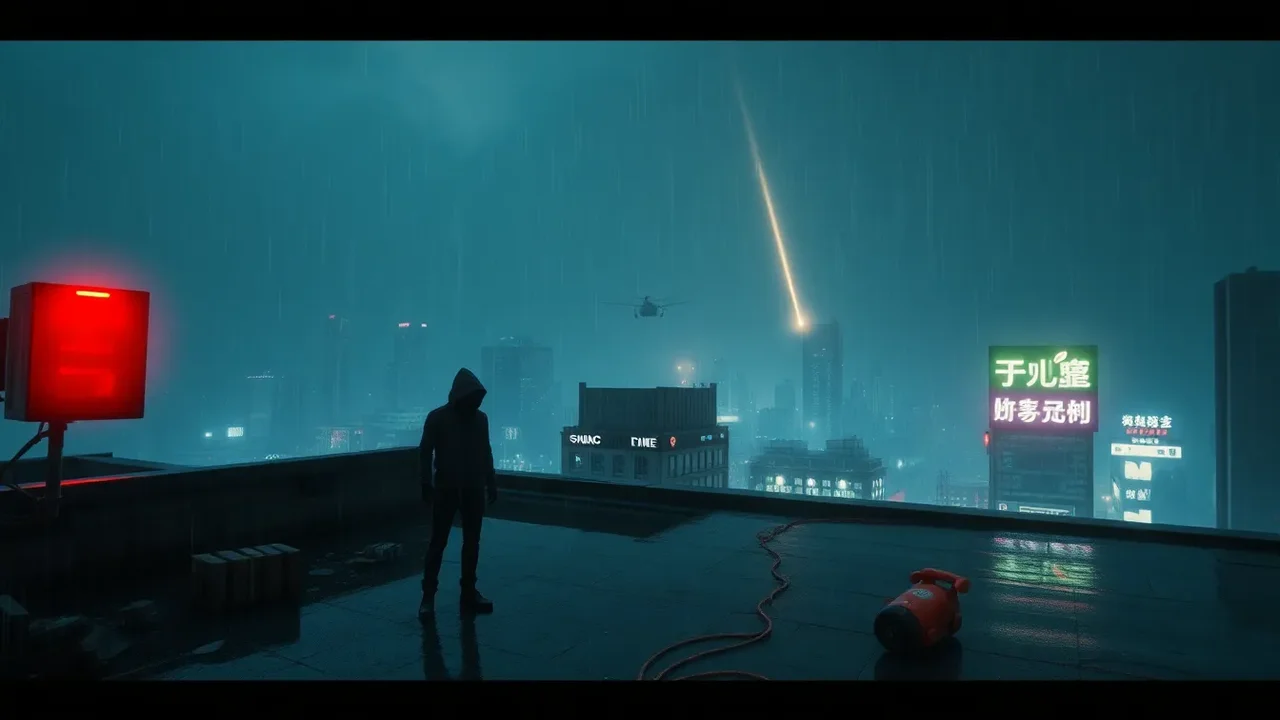
The opening shot is a slow pan across a rain-slicked rooftop. Neon signs flicker in the distance, but most of the city is dark. A radio crackles with fragmented orders. The player can move the camera slightly, which creates an immediate sense of agency. This tiny interaction matters. It signals that ZOV4 is not a passive movie. You are already inside the character's head. The rain sound is layered with a low synth drone, and every few seconds a distant explosion rumbles. The visual palette is muted except for a single red emergency light. That red light becomes the first objective marker. It is simple, effective, and readable in seconds.
The Visual Language of the Hook
ZOV4 relies on contrast to make its opening memorable. The first frame is almost monochrome, with deep blues and grays. Then a sudden flare of orange from a burning car cuts through the darkness. This color shift draws the eye exactly where the designers want it. The camera does not wrestle control away from the player for long. After a brief cinematic sweep, the view settles behind the protagonist's shoulder. The character's breathing is audible. Their hands tremble slightly. These details create vulnerability without a single line of dialogue. The environment also tells a story: shattered glass, abandoned barricades, and a child's toy half-buried in rubble. None of these elements are explained, but they accumulate into a coherent mood of loss and urgency.
The lighting engine deserves special mention. Wet surfaces reflect the emergency lights, and smoke drifts in realistic patterns. When the player takes the first step, the camera shakes just enough to suggest weight. The frame rate remains stable, which is crucial for a hook that depends on smooth motion. ZOV4 avoids the common mistake of overloading the first scene with particle effects. Instead, it uses restraint. A single helicopter searchlight sweeps across the rooftop, then disappears. That brief appearance implies a larger conflict without showing it. The visual language is confident and economical. It respects the player's intelligence and trusts them to connect the dots.
Audio Design and Immediate Tension
Sound is the secret weapon of ZOV4's opening. The thirty-second hook begins with near silence. Then a heartbeat fades in, followed by a distorted voice on the radio. The voice says only three words: 'They are inside.' That line is not explained. It does not need to be. The player immediately understands that safety has been breached. The music is sparse: a single cello note, a reversed cymbal, and a deep bass pulse. When the first enemy appears, the audio does not spike into loud action music. Instead, it drops out entirely. The silence is more frightening than any jump scare. You hear your own footsteps, the wind, and a faint mechanical clicking. That clicking grows louder as the threat approaches. It is a masterclass in building tension through subtraction.
The voice acting is also strong. The protagonist does not deliver a long monologue. They whisper a name, then breathe out slowly. That whisper is layered with reverb, as if the character is trapped in a small space. The radio operator interrupts with static and partial coordinates. These fragments feel real because they are incomplete. ZOV4 understands that horror and mystery thrive on missing information. The player fills the gaps with imagination. By the time the thirty seconds end, you are already leaning forward, listening for the next sound. The audio mix prioritizes clarity over bombast. Even in chaotic moments, you can distinguish between enemy footsteps, environmental creaks, and the protagonist's heartbeat. That clarity makes the hook feel professional and immersive.
Player Agency and Control
Many games treat the opening thirty seconds as a cutscene. ZOV4 does not. It gives the player control almost immediately. You can look around, crouch, and move toward the red light. The game does not force you to sprint. You can take your time. This freedom is important because it lets the player set their own pace. If you rush, you might miss a crucial detail, like a bloodstain leading to a locked door. If you move slowly, you hear extra radio chatter that hints at a larger conspiracy. The hook rewards curiosity without punishing caution. That design choice creates a personal connection to the world. You are not watching a character survive; you are surviving as that character.
The first interactive prompt appears after about twenty seconds. It asks you to open a door. The action is simple, but the animation is deliberate. The character pushes slowly, and the door resists. You have to hold the button, not just tap it. This tiny mechanic builds tension because it takes time. During that time, the enemy is approaching. You can hear it. You can see the door shaking. When it finally opens, you feel relief and fear at the same time. ZOV4 uses this moment to teach the player that actions have weight. Nothing is instant. Everything costs something. That philosophy carries through the rest of the game, but it is established perfectly in the first thirty seconds.
Breaking Down the 30-Second Hook
To understand why ZOV4's opening works, it helps to break it into distinct beats. Each beat has a specific purpose, and none of them overstay their welcome. The pacing is tight, but it never feels rushed. The following list outlines the key moments and their functions.
- 0-5 seconds: A slow visual sweep establishes the ruined city and the protagonist's isolation. The rain and neon create a mood of dangerous beauty.
- 5-10 seconds: A radio transmission introduces the threat without showing it. The words 'They are inside' create immediate urgency.
- 10-15 seconds: The player gains control. A red emergency light becomes the first objective marker. Movement teaches weight and vulnerability.
- 15-20 seconds: Environmental details reward observation. A child's toy, a bloodstain, and a locked door suggest a larger story.
- 20-25 seconds: The first enemy sound is heard. The music drops out. The player must decide whether to hide or run.
- 25-30 seconds: A simple door interaction creates a physical and emotional climax. The hook ends on a cliffhanger that demands resolution.
This structure is not accidental. It follows a classic hook formula: attract attention, create tension, offer agency, and end with a question. ZOV4 executes that formula with confidence. The beats are clear enough for a first-time player to follow, but layered enough for a repeat player to appreciate. For example, the radio transmission changes slightly depending on how long you wait. If you move immediately, you hear a different set of coordinates. If you linger, you hear a warning about a second threat. These variations add replay value and make the opening feel alive.
Comparison with Other Openings
ZOV4's hook can be compared to other games in the survival horror and action genres. The table below highlights key differences in pacing, player agency, and information delivery. This comparison is not about ranking; it is about understanding what makes ZOV4's approach distinct.
| Game | Opening Length | Player Agency | Information Style | Emotional Tone |
|---|---|---|---|---|
| ZOV4 | 30 seconds | High from second 10 | Fragmented, environmental | Dread and curiosity |
| Game A | 2 minutes | None until minute 2 | Expository dialogue | Confusion and awe |
| Game B | 45 seconds | Medium from second 15 | Radio and notes | Panic and urgency |
| Game C | 90 seconds | Low until minute 1 | Cinematic voiceover | Melancholy and mystery |
The table shows that ZOV4 prioritizes player agency earlier than many of its peers. It also delivers information in smaller pieces. That choice makes the opening feel more like a puzzle than a lecture. The emotional tone is carefully balanced between dread and curiosity. You are afraid, but you also want to know what is behind the door. That dual impulse is what keeps players engaged. In contrast, some games rely on long cutscenes that look impressive but do not let the player participate. ZOV4 avoids that trap. It respects the player's time and attention.
What the Hook Does Right
The strongest aspect of ZOV4's opening is its efficiency. Every element serves a purpose. The rain establishes mood and masks enemy sounds. The red light provides direction without a map. The radio voice gives context without a tutorial. The door interaction teaches mechanics without a pop-up. This efficiency creates a sense of polish. Nothing feels wasted. The hook also uses negative space effectively. The dark areas of the screen are not empty; they are threatening. The player's imagination fills them with dangers. That is more powerful than showing a monster in full daylight. ZOV4 understands that fear comes from the unknown, not from gore.
Another strength is the integration of narrative and gameplay. The protagonist's trembling hands are not just a cinematic detail; they affect weapon sway later. The radio static is not just atmosphere; it hides clues about enemy positions. The locked door is not just a barrier; it introduces the game's crafting system through a broken lockpick. These connections make the world feel coherent. The opening thirty seconds are not a separate tutorial level. They are the first chapter of the story. That cohesion is rare in modern games, where openings often feel disconnected from the main loop. ZOV4 avoids that disconnect by making every action matter.
Potential Weaknesses and Nitpicks
No opening is perfect, and ZOV4 has a few minor issues. The first camera sweep is beautiful, but it lasts about two seconds too long for players who want to jump into action. The radio voice is intentionally distorted, which can make the words hard to understand on small speakers. Some players might miss the crucial phrase 'They are inside' and feel confused. The game could have used subtitles by default, but it does not. The red light objective marker is clear, but it is also very small on certain displays. Players with low brightness settings might struggle to see it. These are small complaints, but they matter for accessibility.
The door interaction, while tense, can also be frustrating on a second playthrough. Once you know what is behind the door, the slow animation becomes a delay rather than a thrill. ZOV4 could have added a skip option for repeat players, but it does not. The enemy sound design is excellent, but the first enemy is never actually seen in the thirty-second hook. Some players might feel cheated by the lack of a visual payoff. However, this is likely intentional. The hook is designed to make you imagine the threat, not to show it. That choice works for horror, but it might disappoint players who expect immediate action. These weaknesses do not ruin the opening, but they are worth noting.
Practical Takeaways for Designers
ZOV4's opening hook offers several lessons for game designers, writers, and interactive storytellers. First, start with a single sensory detail that carries emotional weight. In ZOV4, that detail is rain on a rooftop. It is simple, universal, and evocative. Second, give the player control as soon as possible. Even a small camera movement creates ownership. Third, use audio to build tension through silence and subtraction. Do not fill every second with music. Fourth, deliver information in fragments. Let the player assemble the meaning. Fifth, end the hook with a question, not an answer. A door that opens slowly is more engaging than a door that is already open.
Another takeaway is the importance of environmental consistency. Every object in ZOV4's opening could exist in the real world. The barricades are made of furniture. The bloodstains follow gravity. The radio has a visible battery indicator. This attention to detail makes the fantastic elements feel believable. Designers should avoid adding random props that do not serve the story. Every item should have a history. The child's toy, for example, implies a family that once lived there. That implication is more powerful than a written note. Finally, test the hook with players who have never seen the game. Watch where they look. Listen to what they ask. If they miss the red light or misunderstand the radio, adjust the design. ZOV4's hook is strong because it was likely tested and refined many times.
How the Hook Sets Up the Rest of the Game
The thirty-second opening is not an isolated demo. It plants seeds that grow throughout ZOV4. The radio operator becomes a major character later. The locked door leads to a safehouse that serves as a hub. The trembling hands become a mechanic for weapon accuracy. The red light is revealed to be a signal for a resistance group. These payoffs make the opening feel meaningful. Players who paid attention are rewarded with context. Players who rushed still get a coherent story, but they miss the deeper connections. This layered design encourages replay and discussion. It also creates a strong first impression that lingers after the game is turned off.
The hook also establishes the game's difficulty curve. The first enemy is slow and predictable. The player has time to learn the controls. But the tension is high because the environment is dark and the audio is threatening. This combination teaches the player to be cautious without being unfair. Later enemies become faster and smarter, but the foundation of fear is already set. ZOV4 does not need to rely on jump scares because it has built a persistent atmosphere of dread. That atmosphere starts in the first thirty seconds and never fully leaves. Even in safe areas, the player remembers the rain, the radio, and the door. That memory shapes every decision.
Final Verdict on the Opening Hook
ZOV4's opening hook is a short, sharp, and effective introduction to a world of danger and mystery. It uses visual contrast, audio restraint, and player agency to create an immediate emotional connection. The thirty-second sequence is not perfect, but its flaws are minor. It understands that a hook does not need to explain everything. It only needs to make you ask one question: what happens next? By the time the door opens, you are already invested. You want to know who is inside, what they want, and whether you can survive. That is the mark of a successful opening. ZOV4 may not revolutionize the genre, but it demonstrates a deep understanding of pacing and immersion. For players who value atmosphere and smart design, the first thirty seconds are worth the price of admission alone.
FAQ - Short Review: ZOV4's Opening Hook in 30 Seconds
What is ZOV4's opening hook?
ZOV4's opening hook is the first thirty seconds of the game, where the player is introduced to a ruined city, a fragmented radio threat, and a simple interactive door sequence that builds tension and curiosity.
Why is the 30-second opening so effective?
It is effective because it combines visual contrast, sparse audio, early player agency, and environmental storytelling to create immediate dread and investment without over-explaining the plot.
Does ZOV4 show the enemy in the opening hook?
No, ZOV4 deliberately hides the first enemy. The threat is suggested through sound and environmental clues, which forces players to use their imagination and increases fear.
What can game designers learn from ZOV4's opening?
Designers can learn to give players control early, use audio subtraction for tension, deliver information in fragments, and end the hook with a question rather than a full explanation.
Are there any weaknesses in ZOV4's opening hook?
Minor weaknesses include a slightly long camera sweep, distorted radio audio that may be hard to understand, and a slow door animation that can feel tedious on repeat playthroughs.
How does the opening hook connect to the rest of ZOV4?
The hook plants story seeds such as the radio operator, the locked door, and the protagonist's trembling hands, which later become major characters, hub areas, and gameplay mechanics.
ZOV4's 30-second opening hook uses rain, radio static, a red emergency light, and a slow door interaction to create immediate dread and player agency. It hides the enemy, fragments the story, and ends on a cliffhanger, making the first half-minute a strong, immersive introduction.
ZOV4's opening hook in thirty seconds is a masterclass in economical storytelling. It builds a world, introduces a threat, grants agency, and ends on a question, all without wasting a single moment. While it has minor flaws, its strengths far outweigh them. For anyone interested in immersive design, the first thirty seconds are worth studying closely.