ZOV4 Anthology Format and Standout Criteria
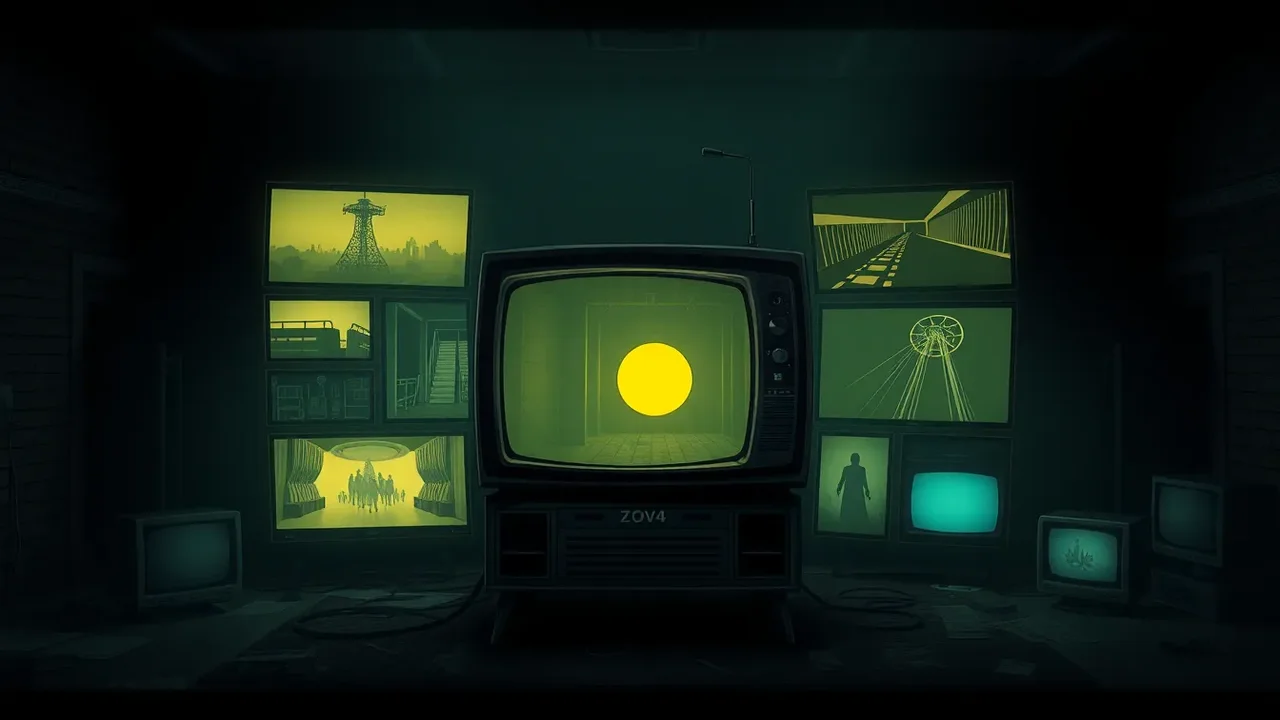
ZOV4 is an anthology horror experience that packages ten self-contained episodes under one unsettling banner. Each episode introduces new characters, a new location, and a new rule set, but they all share a subtle connective tissue. That connective tissue is not always obvious on a first playthrough. Sometimes it appears as a recurring symbol, a distorted voice, or an object that seems out of place. The anthology format gives ZOV4 permission to swing wildly between tones. One episode can be a slow-burn ghost story, while the next is a frantic body horror chase. This variety is the main reason the game has become a talking point among horror fans. The standouts are not simply the scariest episodes. They are the ones that use the anthology structure to say something memorable about fear, guilt, memory, or performance.
A standout episode in ZOV4 usually achieves three things. First, it establishes a clear and unsettling premise within its first few minutes. Second, it introduces a mechanical or narrative twist that feels earned rather than random. Third, it leaves behind an image or idea that lingers after the credits roll. The best episodes also reward replay. Small details in the background, alternate dialogue lines, and hidden documents change meaning once the player understands the full picture. This review focuses on those episodes. It examines what makes them work, where they stumble, and why they remain the most discussed parts of ZOV4. The goal is not to rank every episode by personal fear factor. The goal is to explain why certain chapters rise above the rest and how they represent the best of what this anthology can do.
Episode One: The Last Signal
The Last Signal opens with a radio operator stationed at a remote relay tower. The station has been silent for weeks, but a faint transmission begins repeating a single phrase. The phrase is not threatening on its own. It is the timing that makes it disturbing. The message arrives every nineteen minutes, and each repetition includes one additional word. This simple structure creates a powerful sense of escalation. The player spends most of the episode checking equipment, adjusting frequencies, and walking between rooms. There are no monsters in the first half. The horror comes from the growing certainty that something is learning how to speak.
The standout moment in The Last Signal occurs when the player realizes the transmission is not coming from outside. It is coming from the station's own emergency recorder. The recorder has been running for years, capturing the final words of previous operators. The new words are being assembled from old recordings. This twist transforms the episode from a ghost story into a meditation on isolation and inherited trauma. The operator is not hearing a stranger. The operator is hearing a version of themselves that has already failed. The voice acting sells this revelation. The final line is delivered with a calmness that feels more terrifying than any scream.
Mechanically, The Last Signal is one of the simpler episodes. It relies on exploration, audio cues, and a few light puzzle interactions. That simplicity works in its favor. The episode never overwhelms the player with combat or complex inventory management. Instead, it asks the player to listen. The sound design is exceptional. Static crackles, distant wind, and the hum of old electronics create a constant low-level anxiety. The episode also includes a small list of optional recordings that expand the backstory. These recordings are not required, but they add emotional weight. They reveal that each previous operator heard a different final word. That detail suggests the signal is not fixed. It adapts to whoever is listening.
- Standout strength: Escalating audio horror without relying on jump scares.
- Memorable image: A reel-to-reel recorder spinning in an empty room.
- Replay value: High, because early transmissions contain hidden foreshadowing.
- Weakness: The middle section can feel slow for players who prefer action.
Episode Two: Glasshouse Protocol
Glasshouse Protocol is the puzzle-box episode of ZOV4. It takes place in a research facility built entirely of transparent walls and mirrored corridors. The player can see danger approaching from every direction, but they cannot always tell which reflections are real. The episode uses this visual gimmick to create constant uncertainty. A figure may appear in a side room, only to vanish when the player turns. A door may reflect a hallway that does not exist. The result is a disorienting but carefully designed experience. Unlike some anthology episodes that rely on shock, Glasshouse Protocol relies on spatial distrust.
The story follows a technician who wakes up inside the facility with no memory of how they arrived. A calm voice over the intercom instructs them to complete a series of containment protocols. Each protocol requires the player to redirect light, unlock doors, and isolate contaminated rooms. The voice claims to be a safety system, but its instructions become increasingly cruel. The player eventually discovers that the facility was designed to study how people make decisions under observation. The transparent walls were never for security. They were for surveillance. The horror is not that the player is trapped. The horror is that the player has been performing for an audience the entire time.
The standout sequence in Glasshouse Protocol is the mirror room. The player must cross a large chamber filled with dozens of reflective panels. Only one path is safe, and the safe path changes every time the player looks away. The solution involves using a handheld light to mark reflections that cast no shadow. It is a clever mechanic that turns observation into a weapon. The episode also features a brilliant audio trick. When the player stands still, the ambient music fades. When the player moves, the music returns. This design encourages moments of frozen silence, which makes every footstep feel like a confession. Glasshouse Protocol is not the scariest episode in ZOV4, but it is one of the most intellectually satisfying.
Episode Three: Marrow Market
Marrow Market is the episode that most viewers will either love or hate. It leans hard into body horror and dark satire. The setting is a night market that sells impossible goods. Vendors offer memories, years of life, and physical traits in exchange for pieces of the customer's body. The player character is a desperate parent trying to buy medicine for a sick child. To afford the medicine, they must sell parts of themselves. The episode turns this premise into a grotesque shopping trip. Each transaction changes the player's appearance and abilities. Selling an eye improves night vision but reduces peripheral awareness. Selling a hand increases carrying capacity but makes certain puzzles impossible.
The standout element in Marrow Market is its economy of sacrifice. Most horror games treat the body as a health bar. This episode treats the body as currency. The player must decide what they are willing to lose. The game does not offer a clean moral answer. Even the best ending requires some permanent loss. The vendors are memorable characters. One vendor speaks in riddles while stitching a customer's skin into a book. Another vendor is a child who sells laughter and seems confused when customers hesitate. The atmosphere is chaotic, colorful, and deeply wrong. The market is loud, crowded, and visually dense. It feels alive in a way that makes the player's gradual disfigurement even more disturbing.
Mechanically, Marrow Market is the most complex episode in ZOV4. It includes a trading system, multiple currencies, and branching outcomes. This complexity is also its weakness. Some players may feel overwhelmed by the number of choices. The episode does not always explain the long-term consequences of a trade. A player might sell a lung to afford a key, only to discover later that they need stamina for a chase sequence. That frustration is intentional, but it can still feel unfair. The best way to approach Marrow Market is to accept imperfection. The episode is not about optimizing a build. It is about living with irreversible decisions. That theme makes the frustration meaningful, even when it stings.
Episode Four: The Ninth Passenger
The Ninth Passenger is a time-loop thriller set aboard a night train. The player is a conductor who realizes that the train has nine passengers, but the manifest lists only eight. Every time the train enters a tunnel, time resets. The player must use knowledge from previous loops to identify the extra passenger and prevent a disaster. The episode is tightly paced and highly replayable. Each loop is short, usually lasting five to seven minutes. That structure makes failure feel less punishing and more informative. The player learns the train's layout, the passengers' routines, and the exact moment when things go wrong.
The standout feature of The Ninth Passenger is its use of dialogue. The player can ask passengers the same questions across multiple loops. Their answers change depending on what the player already knows. In the first loop, a passenger might lie about their ticket. In the fourth loop, they might admit the truth if the player mentions a specific detail. This dialogue system creates a strong sense of detective work. The extra passenger is not a monster in the traditional sense. They are a person who has been erased from reality. The horror comes from the idea that being forgotten is a form of death. The player is not just solving a puzzle. They are restoring someone's existence.
The episode's best sequence occurs in the dining car. The player must arrange objects on a table to match a photograph from a previous loop. The photograph is slightly different each time, reflecting small changes in the timeline. This mechanic is simple but effective. It turns memory into a gameplay resource. The Ninth Passenger also includes one of the strongest endings in ZOV4. Depending on how many loops the player completes and which passengers they save, the final reveal changes. The most satisfying ending requires the player to sacrifice their own memory of the loops. That choice is bittersweet. It means the player solves the mystery but loses the knowledge that made them special. It is a mature and memorable conclusion to a standout episode.
Episode Five: Static Bloom
Static Bloom is the psychological fragmentation episode. It follows a television repair technician who begins seeing distorted broadcasts that predict local tragedies. The episode alternates between the technician's apartment, a repair shop, and a series of surreal TV landscapes. The transitions are intentionally jarring. A character might be watching a screen, then suddenly find themselves inside the screen. The episode uses this structure to explore the technician's deteriorating grip on reality. The player never knows whether the broadcasts are supernatural, technological, or purely hallucinatory.
The standout quality of Static Bloom is its visual language. The episode uses color bleeding, scan lines, and frame stuttering to create a constant sense of interference. These effects are not random. They intensify when the technician is lying to themselves. For example, when the technician denies responsibility for a past mistake, the screen fills with static. When they finally admit the truth, the image becomes clear for a brief moment. This design choice turns visual distortion into an emotional barometer. The player learns to read the static as a sign of psychological resistance. It is a clever and subtle mechanic that rewards attention.
Static Bloom also includes one of the most unsettling antagonists in ZOV4. The antagonist is a smiling broadcaster who never speaks directly to the player. Instead, the broadcaster describes the player's actions in a calm, cheerful voice. The descriptions are always slightly wrong. If the player opens a door, the broadcaster says they are closing a wound. If the player picks up a tool, the broadcaster says they are choosing a weapon. This technique creates a sense of being narrated by someone who does not understand human experience. The episode's ending is ambiguous, but it is not frustrating. It leaves the player with a question rather than a puzzle. That question is whether healing and broadcasting are both forms of exposure. It is a haunting note to end on.
Episode Six: The Understudy
The Understudy is the meta-horror episode. It takes place in a failing theater where a small cast is preparing a play about a cursed production. The player is an understudy who has never been allowed on stage. When the lead actor disappears, the understudy is finally given the role. From that point on, the line between rehearsal and reality collapses. Scenes from the play begin to happen backstage. Actors forget whether they are speaking dialogue or expressing genuine fear. The episode uses this premise to explore performance, identity, and the hunger for recognition.
The standout element in The Understudy is its use of the theater itself as a character. The building has trapdoors, rotating stages, and hidden catwalks. Each area reflects a different layer of performance. The lobby represents public expectation. The dressing rooms represent private insecurity. The stage represents the moment of exposure. The player must move between these layers to solve puzzles and uncover the truth. The best puzzle involves memorizing lines from a script and then reciting them in the correct order while the environment changes around the player. If the player makes a mistake, the other actors react with exaggerated disappointment. That reaction is both funny and cruel. It captures the anxiety of forgetting a line in front of an audience.
The Understudy also features the strongest voice performances in ZOV4. The lead actor, who is missing for most of the episode, speaks through prerecorded tapes. These tapes reveal that the lead was not talented but simply willing to destroy anyone who threatened their spotlight. The understudy must decide whether to follow the same path or break the cycle. The episode offers multiple endings, but the most powerful one involves walking off stage during the final performance. In that ending, the player refuses to perform. The applause fades. The theater goes dark. It is a quiet, defiant conclusion that redefines what victory means in a horror game.
Episode Seven: Cold Open
Cold Open is the found-footage episode. It presents itself as a collection of recovered video files from a documentary crew investigating a abandoned summer camp. The player watches and interacts with the footage, rewinding, pausing, and enhancing audio to uncover what really happened. The episode is less about direct control and more about observation. That shift in pacing makes Cold Open feel like a companion piece to the rest of ZOV4 rather than a traditional level. It is also one of the most innovative episodes in the anthology.
The standout feature of Cold Open is its commitment to the found-footage aesthetic. The video quality is grainy, the audio is muffled, and the camera angles are often obstructed. These limitations are not flaws. They are the puzzle. The player must piece together events from incomplete information. A shadow in one frame might match a missing person in another. A voice in the background might be the only clue to a hidden room. The episode rewards patience and close attention. It also includes a brilliant sequence where the player must sync two separate video files by aligning their audio tracks. When the tracks line up, a hidden conversation becomes audible. That moment is genuinely chilling because the player has to work for it.
Cold Open is not for everyone. Players who prefer active gameplay may find it slow. The episode has very little walking and almost no combat. It is essentially an interactive editing room. However, that limitation is also its greatest strength. By removing the ability to fight or flee, Cold Open makes the player feel like an investigator rather than a survivor. The horror comes from knowledge. The more the player learns, the worse the truth becomes. The final video file reveals that the documentary crew was not investigating the camp. They were reenacting a previous tragedy without knowing it. That reveal ties directly into ZOV4's larger themes of repetition and performance. Cold Open is a standout because it trusts the player to be curious.
Episode Eight: The Long Hallway
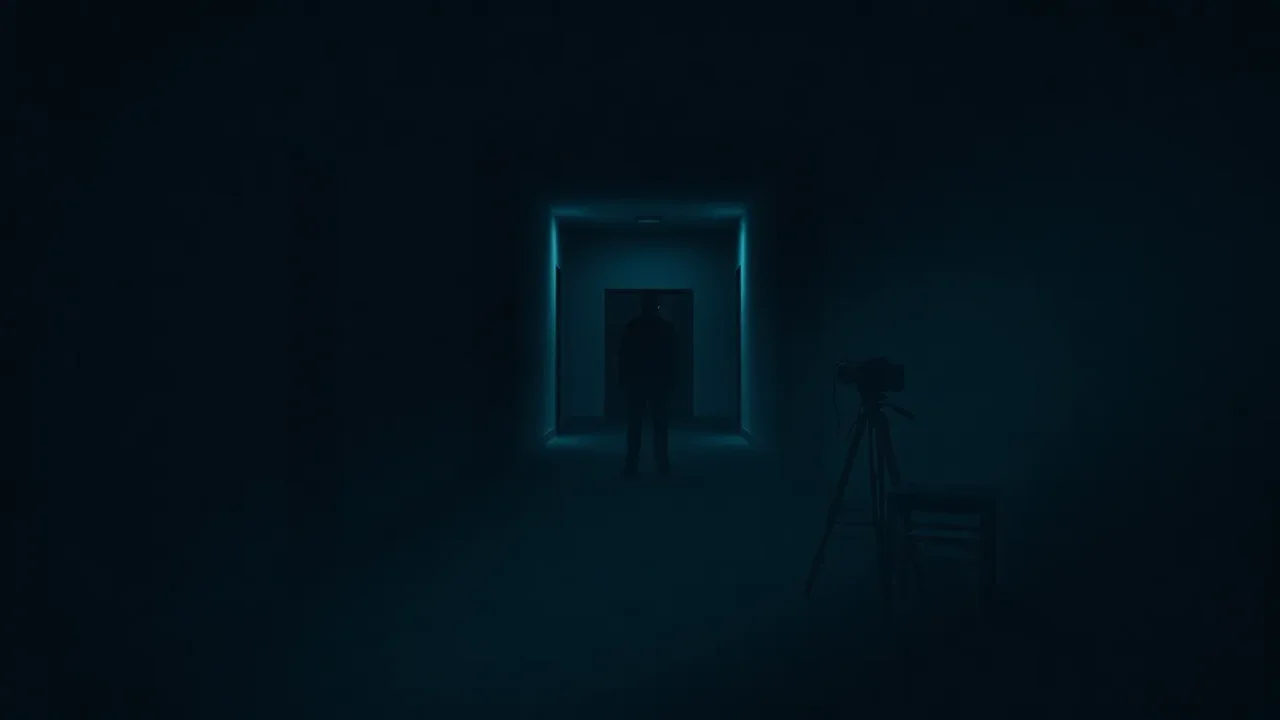
The Long Hallway is the minimalist dread episode. It takes place in a single corridor that seems to stretch forever. The player walks forward, opens doors, and occasionally encounters a figure standing at the far end. The figure never moves while the player is looking. It only moves when the player blinks, turns, or checks an object. The episode is built on a simple rule. Do not look away. That rule creates a constant tension that is difficult to sustain in longer games. In a short anthology episode, it works perfectly.
The standout quality of The Long Hallway is its sound design. There is almost no music. The only sounds are footsteps, breathing, and the faint hum of fluorescent lights. When the figure moves, it makes no sound at all. That silence is more frightening than any scream. The episode also uses light in a clever way. Some sections of the hallway are lit, while others are dark. The player must find switches to keep the lights on. If the lights go out, the figure advances faster. This mechanic turns environmental maintenance into a survival task. The player is not just running from a monster. They are fighting against entropy.
The Long Hallway has the simplest story in ZOV4. The player is a patient in a hospital who has been forgotten in a forgotten wing. The figure is a doctor who never completed their rounds. The episode does not explain why the hallway is endless. It does not need to. The horror is existential rather than plot-driven. The player is trapped in a system that has stopped working but cannot stop existing. The ending is inevitable. The player reaches a door that leads back to the beginning. The only difference is that the figure is now standing in the starting room. It is a perfect loop. The episode ends with the player closing the door and hearing their own footsteps from the other side. It is a masterclass in economical horror.
Episode Nine: Paper Sun
Paper Sun is the emotional science-fiction episode. It follows a parent and child living in a domed city where the sun is artificial and the air is slowly becoming toxic. The parent works as a maintenance engineer who repairs the dome's failing filters. The child dreams of seeing a real sunrise. The episode balances this tender relationship with a growing sense of environmental doom. It is the least traditionally scary episode in ZOV4, but it is also one of the most affecting.
The standout element in Paper Sun is its use of color. The dome is lit by a pale yellow light that mimics sunlight but never quite feels warm. As the filters degrade, the light shifts toward orange and then gray. The player learns to read the color of the sky as a health indicator for the city. This visual storytelling is elegant and understated. The episode also includes a crafting system where the player builds small paper suns to comfort the child. Each paper sun requires materials that could be used for repairs. The player must decide whether to prioritize hope or survival. That choice is the emotional core of the episode.
Paper Sun is not without tension. There are sections where the player must venture outside the dome to repair a filter. Outside, the air is toxic and the landscape is littered with failed domes. These sections are brief but terrifying. The player has limited oxygen and must navigate by sound because the dust blocks visibility. The contrast between the warm interior and the hostile exterior makes the dome feel precious. The ending is bittersweet. The player can save the city, but only by sacrificing their own future. The child sees a real sunrise for the first time, but the parent does not live to see it. Paper Sun is a standout because it proves that ZOV4 can deliver horror through sadness rather than fear.
Episode Ten: ZOV4
The final episode is simply titled ZOV4. It serves as a framing narrative that connects the previous nine episodes. The player wakes up in a control room filled with monitors, each showing scenes from the earlier episodes. A voice explains that the episodes were not separate stories. They were simulations designed to study how people respond to fear, guilt, and sacrifice. The player is the final test subject. The voice wants to know which episode changed them the most. The player must choose one standout episode to revisit, but the revisit is not a simple replay. It includes new dialogue and new environmental details that reveal the truth behind the anthology.
The standout feature of ZOV4 is its use of player memory. The game does not ask the player to remember specific button presses. It asks them to remember emotional moments. When the player revisits The Last Signal, they notice that the radio operator is wearing the same watch as the parent in Paper Sun. When they revisit Marrow Market, they see a vendor selling a paper sun. These connections are subtle but rewarding. They suggest that all the episodes exist in the same universe or at least the same simulation. The final choice determines which theme the game emphasizes. Choosing The Understudy leads to an ending about performance. Choosing The Long Hallway leads to an ending about repetition. Choosing Paper Sun leads to an ending about sacrifice. No single choice is canon, but each one feels valid.
The final episode also includes the most direct horror in ZOV4. As the player moves through the control room, the monitors begin to show the player's own face. The face is distorted, but recognizable. The voice reveals that the player has been recorded since the beginning. Every hesitation, every wrong turn, and every moment of fear has been catalogued. The episode ends with the player destroying the monitors or accepting the simulation. Both endings are unsettling. The destruction ending suggests that escape is possible but meaningless. The acceptance ending suggests that being observed is the only form of existence. ZOV4 is a strong finale because it recontextualizes the entire anthology without diminishing the individual episodes.
Standout Episode Ranking Table
| Rank | Episode | Core Strength | Memorable Moment |
|---|---|---|---|
| 1 | The Long Hallway | Minimalist dread and sound design | The figure appearing in the starting room |
| 2 | The Ninth Passenger | Time-loop detective work | Syncing the photograph in the dining car |
| 3 | Paper Sun | Emotional science fiction | The first real sunrise |
| 4 | Glasshouse Protocol | Spatial puzzles and surveillance | The mirror room with shadowless reflections |
| 5 | The Last Signal | Escalating audio horror | The emergency recorder assembling new words |
| 6 | The Understudy | Meta-horror and performance | Walking off stage during the final applause |
| 7 | Cold Open | Found-footage investigation | Syncing two audio tracks to hear a hidden conversation |
| 8 | Static Bloom | Psychological fragmentation | The smiling broadcaster narrating the player's actions |
| 9 | Marrow Market | Body horror economy | Selling a body part for medicine |
| 10 | ZOV4 | Framing narrative and payoff | The monitors showing the player's own distorted face |
Replay Value and Unlockables
ZOV4 rewards replay in ways that most anthology games do not. Each episode includes hidden collectibles, alternate dialogue branches, and at least two endings. Some of these extras are cosmetic. Others change the meaning of the episode. For example, finding all the recordings in The Last Signal unlocks a new final transmission that reveals the operator's name. Completing The Ninth Passenger without failing a single loop unlocks a passenger commentary track. These rewards are not necessary to enjoy the game, but they add depth for players who want to understand the full picture.
The most valuable unlockable is the director's commentary mode. This mode adds optional audio clips from the fictional developers of ZOV4. The clips discuss the design choices behind each episode. They explain why The Long Hallway has no music, why Marrow Market uses a complex economy, and why Paper Sun is the only episode with a warm color palette. The commentary mode is not just a bonus. It is a critical tool for understanding the anthology's themes. It also includes a few jokes that lighten the mood without undermining the horror. For players who enjoy analysis, the commentary mode doubles the value of the game.
- Hidden collectibles: Recordings, photographs, and personal items that expand each episode's backstory.
- Alternate endings: Two or more per episode, with the best endings requiring specific moral choices.
- Commentary mode: Optional developer insights that explain design decisions and hidden connections.
- Episode select: Allows players to replay standouts without completing the entire anthology again.
- Challenge modifiers: Optional settings like no HUD, permadeath, and increased enemy speed.
Sound Design and Visual Language
ZOV4's standouts share a commitment to sound design. The Last Signal uses silence to make static feel like a threat. The Long Hallway uses footsteps to measure distance and danger. Glasshouse Protocol uses music as a movement detector. These choices are not decorative. They are mechanical. The player learns to listen for specific cues and adjust their behavior accordingly. This integration of audio and gameplay is one of the strongest aspects of the anthology. It also makes the standout episodes more memorable than episodes that rely on visual spectacle alone.
Visually, ZOV4 uses a muted palette with selective color. Most episodes are dominated by grays, browns, and sickly greens. When a bright color appears, it carries meaning. The red of Marrow Market's blood is shocking because the rest of the episode is so drab. The yellow of Paper Sun's artificial sky is beautiful because it is fragile. The white of Glasshouse Protocol is cold and clinical. This disciplined approach to color makes each episode feel distinct while still belonging to the same anthology. The standouts are the episodes that use color most deliberately. They do not just look different. They feel different.
Writing and Performance Highlights
The writing in ZOV4's standout episodes is economical. The Last Signal tells its story through a handful of recordings and a single repeating phrase. The Long Hallway has almost no dialogue at all. Paper Sun relies on small conversations between a parent and child. This restraint is a strength. The game trusts the player to infer meaning from context. It does not overexplain. When an episode does include exposition, it is usually delivered by a character who has a reason to explain. The intercom voice in Glasshouse Protocol is a safety system, so it makes sense for it to describe protocols. The vendors in Marrow Market are salespeople, so they naturally explain their goods. The writing never feels like a manual.
The performances are equally strong. The voice actor for the radio operator in The Last Signal delivers a performance that is weary, precise, and gradually terrified. The child in Paper Sun avoids the trap of being overly cute. The child is curious, stubborn, and sometimes angry. The smiling broadcaster in Static Bloom is unsettling because the voice is so pleasant. The actor never raises their voice. That calmness makes the character feel inhuman. The understudy in The Understudy carries the episode with a performance that shifts from anxious to defiant. These performances elevate the material. They make the standout episodes feel like short films rather than levels in a game.
Practical Guide for New Players
New players should approach ZOV4 without trying to complete every episode perfectly on the first run. The anthology is designed for experimentation. It is normal to make mistakes in Marrow Market or fail a loop in The Ninth Passenger. The game does not punish failure harshly. It often uses failure to teach the player something new. The best strategy is to pay attention to audio cues, read optional documents, and avoid rushing. Many of the standout moments are hidden in quiet details. A player who sprints through every episode will miss the best parts.
It also helps to play the episodes in release order. Although each episode is self-contained, the framing narrative in ZOV4 becomes richer if the player has experienced the earlier stories. The connections between episodes are subtle, but they are rewarding. Players who want to maximize their experience should enable subtitles, use headphones, and avoid looking up solutions unless they are truly stuck. The puzzles in standout episodes like Glasshouse Protocol and Cold Open are fair. They require observation, not guesswork. Finally, players should not be afraid to replay an episode immediately after finishing it. A second run often reveals details that were invisible on the first.
- Use headphones: Audio cues are essential in The Last Signal and The Long Hallway.
- Read documents: Optional notes add context and sometimes unlock alternate endings.
- Do not rush: Standout episodes reward patience and observation.
- Replay episodes: A second run often changes the meaning of key scenes.
- Avoid spoilers: The twists in The Ninth Passenger and The Understudy are best experienced blind.
Common Criticisms and Fair Responses
ZOV4 is not a perfect anthology. Some players criticize the uneven pacing. Episodes like Marrow Market are dense and stressful, while episodes like Paper Sun are slow and emotional. That unevenness is intentional, but it can still be jarring. Other players complain that the framing narrative is too vague. They want a clear explanation of how the episodes connect. The game deliberately avoids a single answer. That ambiguity is part of its theme. ZOV4 is about how people interpret fear differently. A clear explanation would undermine that theme.
Another common criticism is that some episodes rely too heavily on repetition. The Ninth Passenger and The Long Hallway both use loops as a core mechanic. However, they use loops for different purposes. The Ninth Passenger uses loops to build knowledge. The Long Hallway uses loops to build dread. The repetition is not lazy. It is a tool. Players who dislike repetition may still enjoy the standout episodes if they focus on the small changes that occur each cycle. Those changes are where the real horror lives. ZOV4 asks the player to pay attention to variation within repetition. That is a demanding but rewarding request.
Legacy of the Standout Episodes
The standout episodes of ZOV4 have already begun to influence discussions about anthology horror. The Long Hallway is frequently cited as a masterclass in minimalism. The Ninth Passenger is praised for its clever use of time loops. Paper Sun is held up as an example of emotional science fiction in a horror context. These episodes work because they are confident in their scope. They do not try to be full-length games. They tell a complete story in a short time and leave the player with something to think about. That efficiency is rare in modern horror.
Ultimately, ZOV4's anthology format is a success because it allows for risk. Not every episode is a standout, but the ones that are stand out brightly. They experiment with structure, mechanics, and tone. They trust the player to engage with difficult ideas. They also demonstrate that horror can be quiet, sad, intellectual, or grotesque. The best episodes are not just scary. They are memorable. They linger in the mind like a song heard through static or a hallway that never ends. For anyone interested in short-form horror, ZOV4's standout episodes are essential viewing. They represent the anthology at its most inventive and its most human.
FAQ - Short Review: ZOV4's Anthology Episode Standouts
What is ZOV4's anthology format?
ZOV4 is a horror game made of ten self-contained episodes. Each episode has its own characters, setting, and mechanics, but they share subtle connections and themes. The anthology format allows the game to switch between ghost stories, body horror, science fiction, and psychological terror.
Which episodes are considered the biggest standouts?
The most frequently praised standouts are The Long Hallway, The Ninth Passenger, Paper Sun, Glasshouse Protocol, and The Last Signal. These episodes are noted for strong pacing, memorable mechanics, and emotional or psychological impact.
Do I need to play the episodes in order?
You can play most episodes in any order, but playing in release order makes the framing narrative in the final episode more rewarding. The connections between episodes are subtle and easier to notice if you experience them in sequence.
Are the standout episodes scary or emotional?
They vary. The Long Hallway and The Last Signal focus on dread. Marrow Market uses body horror. Paper Sun is more emotional science fiction. The anthology deliberately mixes fear with sadness, guilt, and wonder.
Does ZOV4 have replay value?
Yes. Each episode includes hidden collectibles, alternate endings, and optional commentary. Replaying standout episodes often reveals new details, changed dialogue, and deeper connections to the overall anthology.
What is the best way to experience ZOV4's standouts?
Use headphones, read optional documents, avoid rushing, and replay episodes after finishing them. The best moments are often hidden in audio cues, background details, and small changes between repeated scenes.
ZOV4's anthology standouts include The Long Hallway, The Ninth Passenger, Paper Sun, Glasshouse Protocol, and The Last Signal. These episodes mix dread, time loops, emotional sci-fi, spatial puzzles, and audio horror. They reward replay, hidden details, and careful listening, making them the most memorable chapters in the collection.
ZOV4's anthology episode standouts prove that short-form horror can be as memorable as a full-length campaign. The Long Hallway, The Ninth Passenger, Paper Sun, Glasshouse Protocol, and The Last Signal each use a distinct idea to create fear, sadness, or unease. They reward patience, observation, and replay. While not every episode reaches the same height, the best chapters show how flexible the anthology format can be. For horror fans who value atmosphere, clever mechanics, and emotional weight, these standouts are the reason ZOV4 deserves attention.