The Final Shot as a Visual Anchor
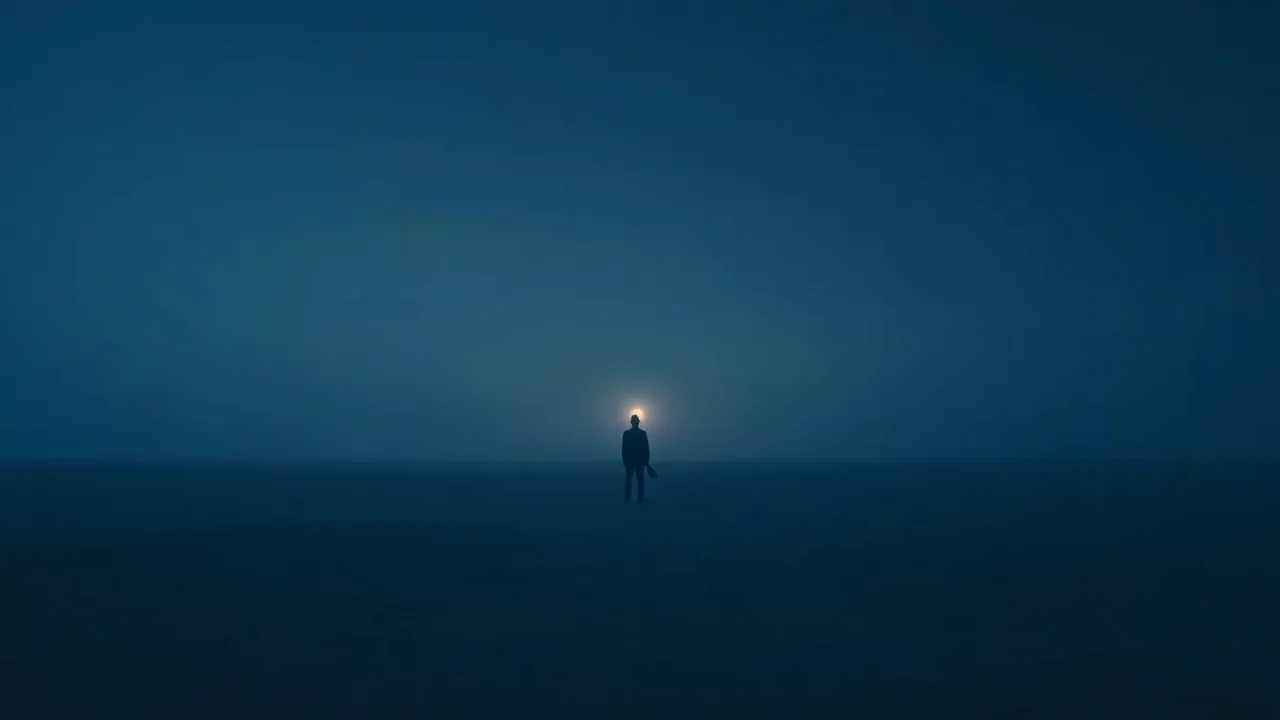
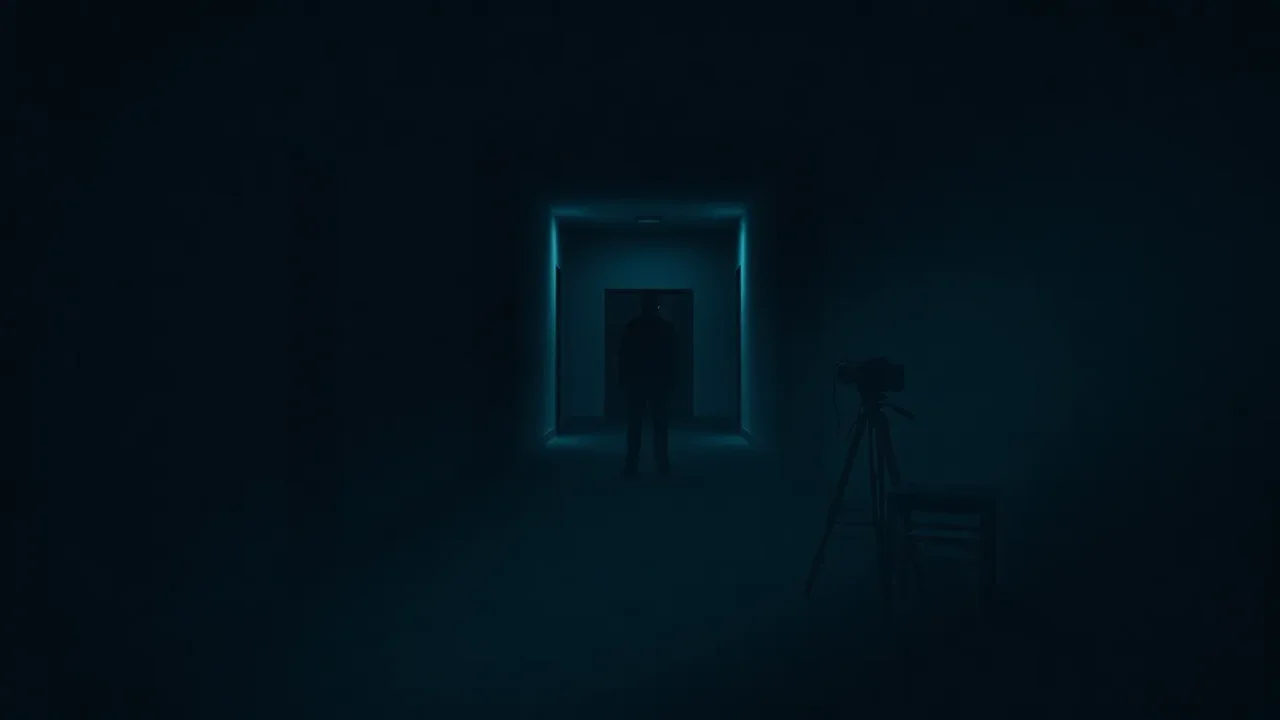
The closing image of ZOV4 does not simply end the story; it becomes a visual anchor that refuses to drift away. The camera holds on a quiet, almost empty frame, and that stillness forces the viewer to sit with everything that came before. Instead of resolving every tension, the final shot amplifies them. It lingers because it trusts the audience to feel the weight of the journey without explanation. The composition is precise: negative space dominates, the subject is small, and the light source is ambiguous. This creates a psychological pull that keeps the image alive in memory.
Why Stillness Beats Spectacle
Many blockbuster endings rely on rapid cuts, swelling music, and a final punchline. ZOV4 does the opposite. The final shot is slow, nearly silent, and visually restrained. That restraint is the reason it lingers. When a film withholds easy catharsis, the brain keeps working after the credits roll. The viewer mentally rewrites the ending, searches for clues, and replays earlier scenes. This active engagement is what makes the final shot sticky. It is not a period at the end of a sentence; it is an ellipsis.
Sound Design and the Echo of Silence
The audio in the final shot is as important as the image. A low hum, a distant wind, or a single footstep can create a haunting aftertaste. In ZOV4, the soundscape drops away until only a faint ambient tone remains. That silence is not empty. It is charged with the memory of explosions, arguments, and promises. The contrast between earlier chaos and final quiet makes the silence feel loud. The viewer hears the absence of what was lost.
Emotional Payoff Without Closure
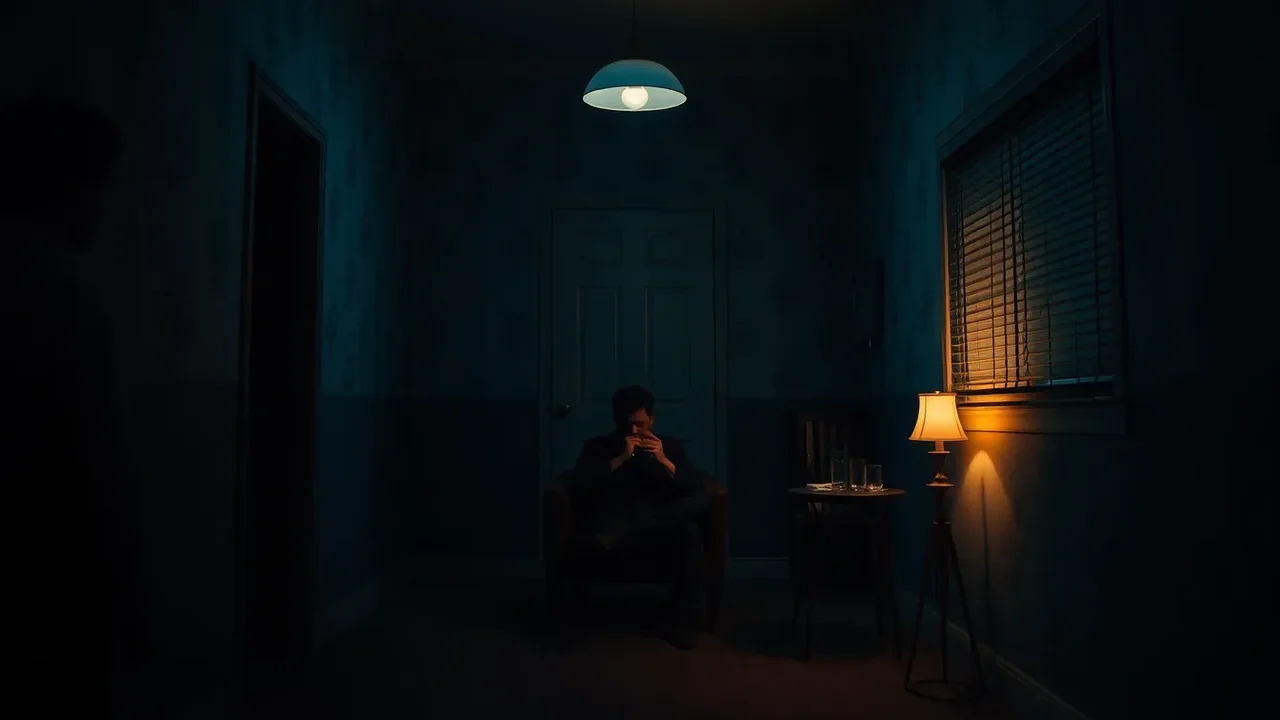
The final shot works because it delivers emotional payoff without closure. The protagonist’s face may be half-lit, turned away, or reflected in glass. We cannot read every thought. That ambiguity is deliberate. If the film explained everything, the shot would evaporate. Instead, it leaves a residue of doubt, hope, or regret. The audience completes the emotional equation. This is why the final shot lingers: it becomes personal. Each viewer projects their own interpretation onto the frame.
Symbolism in the Frame
Symbols in the final shot are not decorative. They are structural. A broken mirror, a fading light, a closed door, or a distant horizon can carry the entire theme. In ZOV4, the final image includes a recurring object from earlier scenes. That object is not highlighted with a close-up. It simply exists in the background. For attentive viewers, this subtle callback creates a shock of recognition. The film does not say, “Remember this?” It trusts you to remember. That trust deepens the lingering effect.
Table: Elements That Make the Final Shot Linger
| Element | How It Works | Why It Lingers |
|---|---|---|
| Composition | Wide frame, negative space, off-center subject | Creates unease and invites the eye to search |
| Lighting | Low-key, natural, or ambiguous sources | Obscures details and suggests hidden meaning |
| Sound | Minimal ambience, no score, faint diegetic noise | Forces internal reflection instead of guided emotion |
| Performance | Stillness, micro-expression, averted gaze | Leaves emotions unresolved and therefore memorable |
| Narrative ambiguity | No explicit answer, open-ended action | Encourages repeated viewing and debate |
| Symbolism | Recurring object or motif in background | Rewards attention and creates a personal connection |
Practical Reasons to Rewatch the Final Shot
- Check the background: Details hidden in shadow often change the meaning of the ending.
- Listen without visuals: The audio mix reveals layers that the eye misses.
- Pause on the last frame: Freezing the image lets you study composition and color.
- Compare with the opening shot: Visual rhymes between first and last frames are intentional.
- Read the actor’s posture: Body language often carries the emotional truth.
- Notice what is absent: Missing characters or objects can be as important as what remains.
The Role of Editing and Rhythm
Editing shapes how long a shot feels. If the final shot is held for several seconds longer than expected, the audience becomes aware of duration. That awareness creates tension. In ZOV4, the editor resists the urge to cut on a reaction. The shot continues after the expected exit point. This extra beat is where the lingering begins. The film refuses to release you. It asks you to wait, and in that waiting, you feel more.
Performance and the Unspoken
A great final shot often depends on what the actor does not do. There is no grand speech, no tears, no final smile. Instead, there is a slight tightening of the jaw, a slow blink, or a hand that almost reaches out but stops. These micro-actions are powerful because they are incomplete. The viewer’s mirror neurons fire, and we mentally finish the gesture. That unfinished action loops in the mind. It is a psychological itch that cannot be scratched.
Color and Texture as Memory Cues
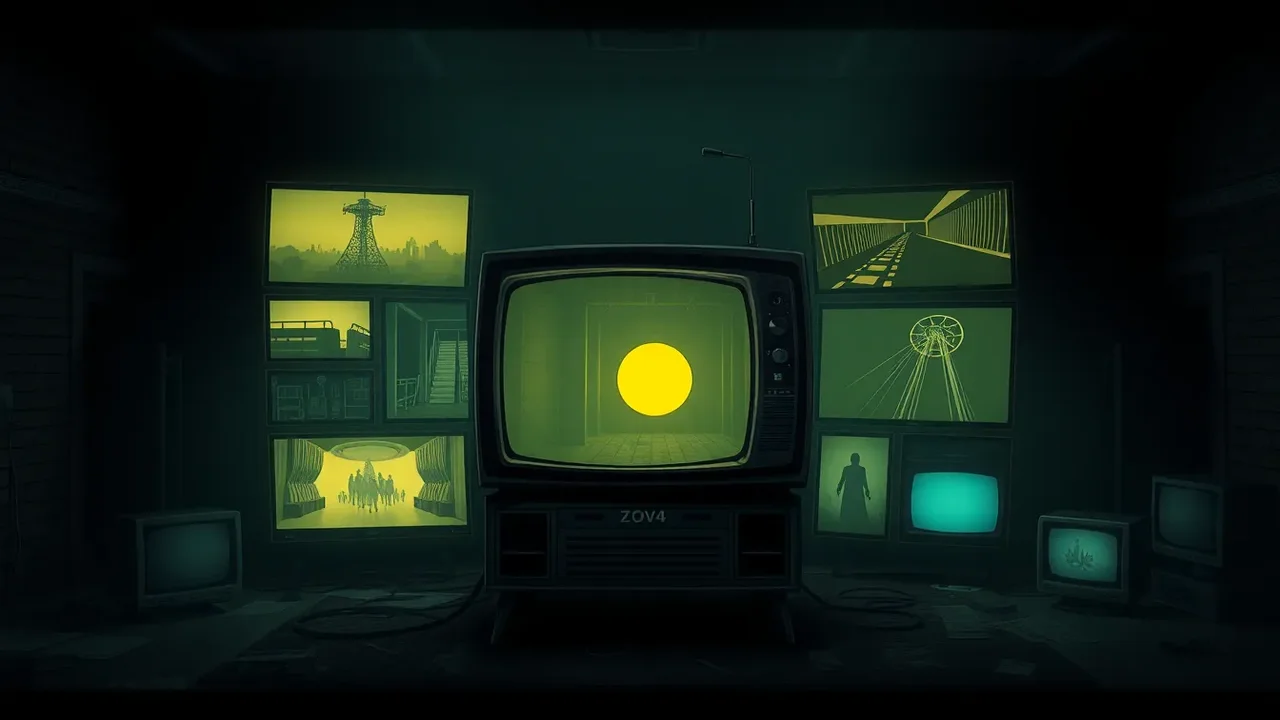
Color grading in the final shot often shifts from the rest of the film. It may become desaturated, warmer, or cooler. In ZOV4, the palette narrows to a few tones. This visual simplification makes the image easier to recall. Texture also matters: grain, soft focus, or a shallow depth of field can make the frame feel like a memory rather than a present event. The final shot becomes a photograph in the mind.
How the Final Shot Connects to the Theme
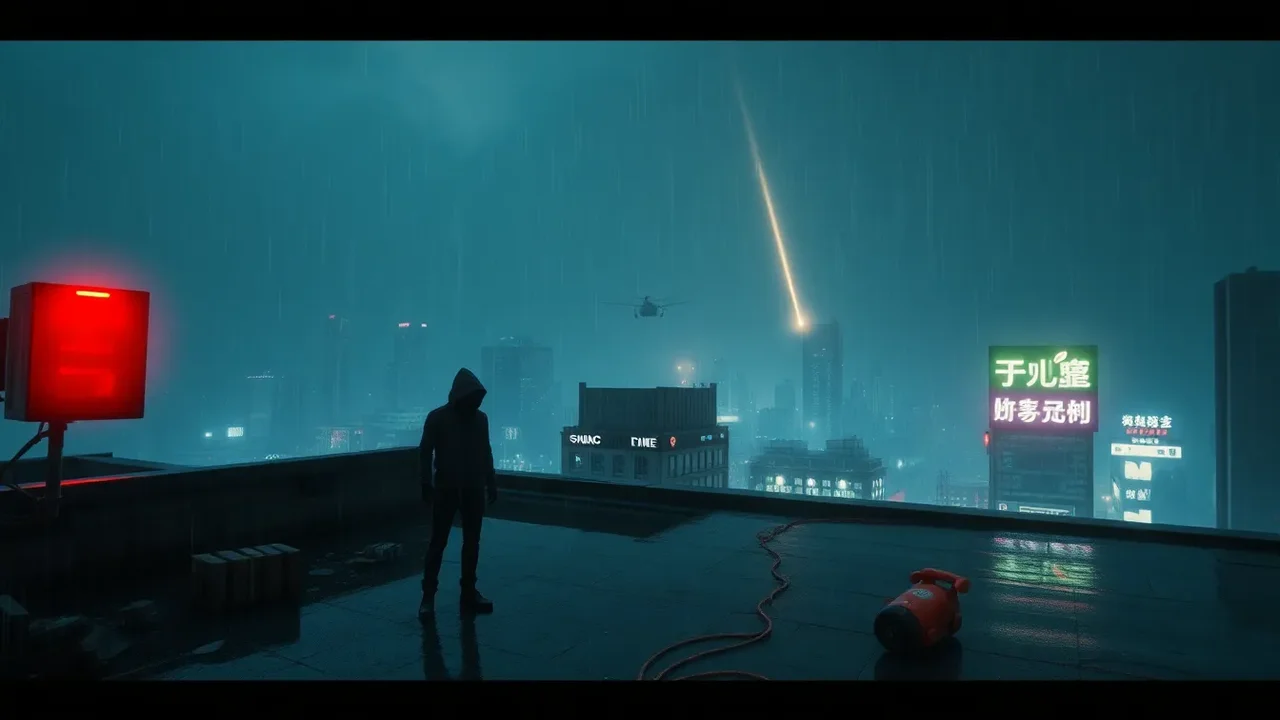
The final shot is not just a pretty picture. It is the thesis of the film compressed into a single moment. If ZOV4 is about loss, the final shot shows absence. If it is about hope, the final shot shows a small light in darkness. If it is about cycles, the final shot mirrors the beginning. The best final shots are both specific and universal. They belong to the story, but they also belong to the viewer. That dual ownership is why they linger.
Common Misreadings of the Final Shot
Some viewers mistake ambiguity for laziness. They want a clear answer. But the final shot of ZOV4 is not vague; it is precise in its uncertainty. Every element is chosen. The lack of dialogue is a choice. The empty space is a choice. The unresolved chord is a choice. When a filmmaker controls ambiguity, it becomes a tool, not a flaw. Misreading it as an accident misses the point.
Why Fan Theories Persist
Fan theories persist because the final shot provides enough evidence to support multiple readings. A reflection might be a ghost or a memory. A distant figure might be a savior or a threat. The film does not confirm or deny. This openness creates a community of interpretation. People return to the shot, freeze it, zoom in, and argue. The shot becomes a conversation starter. That social dimension extends its lifespan far beyond the credits.
Table: Emotional Responses and Their Triggers
| Emotion | Trigger in the Final Shot | Result |
|---|---|---|
| Melancholy | Empty space, fading light | Viewer feels loss without being told |
| Hope | Small point of light, open door | Viewer imagines a future beyond the frame |
| Unease | Off-center subject, low hum | Viewer senses unresolved danger |
| Wonder | Wide landscape, cosmic scale | Viewer feels small and curious |
| Grief | Recurring object left behind | Viewer connects object to lost character |
The Psychology of the Lingering Image
Psychologists call it the Zeigarnik effect: unfinished tasks are remembered better than completed ones. A final shot that refuses closure is an unfinished task. The brain wants to resolve it. It replays the shot, searches for missing information, and creates its own ending. This mental activity keeps the image active. The more you try to forget it, the more it returns. ZOV4 exploits this effect masterfully.
Practical Filmmaking Lessons
Aspiring filmmakers can learn from ZOV4’s final shot. First, trust silence. Second, compose for the pause, not just the cut. Third, leave one question unanswered. Fourth, use a recurring motif without underlining it. Fifth, let the actor do less. Sixth, grade for memory, not just realism. Seventh, hold the shot two seconds longer than comfortable. These choices are simple but difficult to execute with confidence.
FAQ - Why ZOV4's Final Shot Lingers
What makes the final shot of ZOV4 so memorable?
It combines visual restraint, emotional ambiguity, and sound design that drops into near silence. The shot refuses easy closure, so the viewer’s mind keeps working after the film ends.
Is the final shot open to multiple interpretations?
Yes. The composition and lack of dialogue allow viewers to read hope, grief, or dread into the same image. That flexibility is intentional and central to its lingering power.
How does the final shot connect to the rest of the film?
It echoes earlier motifs, colors, and objects. These visual rhymes create a sense of completion without explaining everything, making the ending feel both inevitable and unresolved.
Why does the silence in the final shot matter?
Silence removes the director’s emotional guidance. Without a score telling you how to feel, you must supply your own response. That personal investment makes the shot stay with you longer.
Can the final shot be understood on a first viewing?
You can grasp its emotional tone on a first viewing, but its details reward rewatching. Background objects, lighting shifts, and micro-expressions are easy to miss initially.
What is the main reason the final shot lingers?
It creates an unresolved emotional task. The brain dislikes incomplete stories, so it keeps returning to the image, trying to finish what the film deliberately left open.
ZOV4's final shot lingers through visual restraint, emotional ambiguity, and near silence. It refuses easy closure, leaving viewers to complete the story in their minds. This unresolved tension, combined with symbolic composition and subtle performance, makes the image unforgettable and rewards repeated viewing.
The final shot of ZOV4 lingers because it respects the viewer enough to leave something unfinished. It replaces explanation with atmosphere, closure with resonance, and noise with a silence that speaks. By trusting composition, performance, and ambiguity, the film creates an image that does not end when the credits roll. It continues in memory, debate, and rewatch. That is the mark of a truly lasting final shot.