Why Villains in ZOV4 Shorts Get the Best Lines
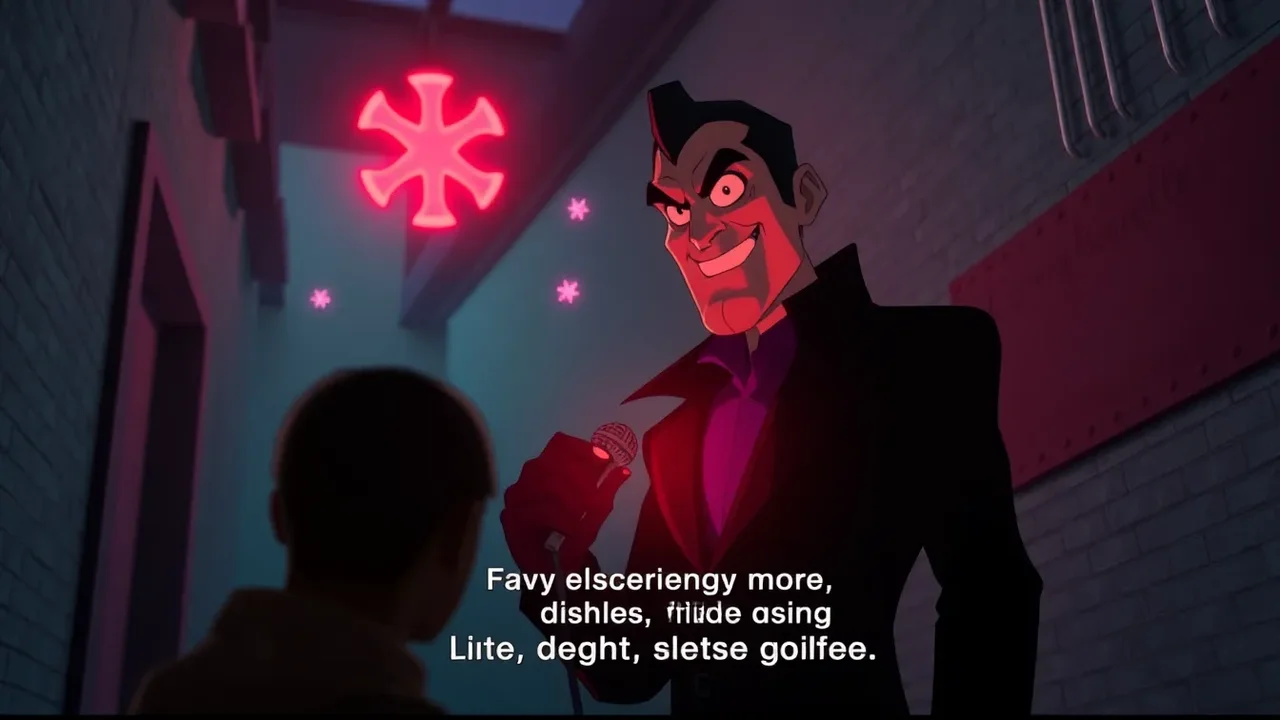
ZOV4 Shorts thrives on compressed storytelling. In a format where seconds matter, every line must do heavy lifting. Villains naturally fit this economy because they drive conflict, expose theme, and create memorable moments. Their dialogue often carries exposition, threat, humor, and personality at once. Heroes must explain their morals; villains can simply act, tempt, mock, and reveal. That freedom gives writers permission to make villain lines sharper, stranger, and more quotable.
Narrative Economy and Immediate Conflict
Short-form video cannot waste time on slow setup. A villain can enter, make a claim, and force a reaction. This creates instant stakes. When a villain says, You call it chaos; I call it clarity, the line defines the character and the episode. Heroes often need context, allies, and justification. Villains can skip that. They represent a direct challenge, so their words become the spark that ignites the scene.
- Compression: One villain line can replace a full monologue of explanation.
- Contrast: Villains speak against the hero, making both roles clearer.
- Memorability: Sharp threats and twisted logic stick in the viewer's mind.
- Rhythm: Villain dialogue often lands on beats that editing can amplify.
Charisma, Freedom, and Forbidden Truth
Villains in ZOV4 Shorts are not bound by likeability. They can be petty, theatrical, cruel, or weirdly charming. That freedom lets writers experiment with cadence, slang, and dark humor. A hero who jokes too much may seem irresponsible; a villain who jokes can seem dangerous. The villain can also speak uncomfortable truths. They point out hypocrisy, weakness, or futility. This makes their lines feel smarter and more dangerous, even when they are wrong.
Visual and Vocal Advantage
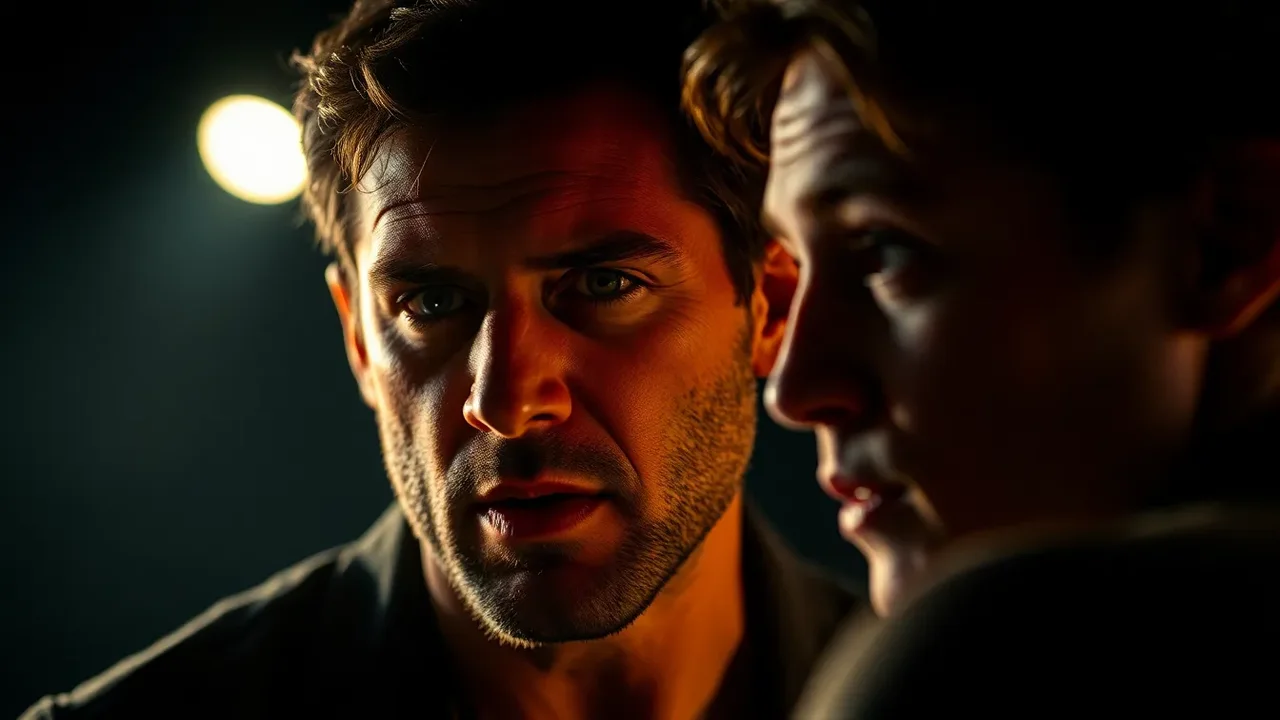
ZOV4 Shorts uses bold colors, sudden close-ups, and sound cues. Villains benefit from these tools. A tilted camera, a red glow, or a bass hit can turn a simple sentence into a threat. Voice acting also matters. Villains often get more range: whispers, growls, singsong mockery, and sudden shouts. Heroes may be limited to brave or determined tones. Villains can switch emotional gears within one short, making every line feel unpredictable.
Writing Techniques That Favor Villains
Writers use several techniques that naturally suit antagonists. First, rule of three: a villain lists three options, each worse than the last. Second, false empathy: the villain pretends to understand the hero before attacking. Third, callback: a villain repeats a hero's phrase with a twisted meaning. Fourth, understatement: a calm line like I expected more can be more chilling than a scream. These tools create punchy dialogue that fits short episodes.
| Technique | Why It Works in ZOV4 Shorts | Example Line |
|---|---|---|
| False empathy | Creates a brief pause before betrayal | I understand your fear. That is why I use it. |
| Rule of three | Builds rhythm and escalation fast | You can run, hide, or kneel. |
| Callback | Rewards attentive viewers | You wanted hope. Here is your hope. |
| Understatement | Contrasts calm voice with violent action | That was almost interesting. |
Audience Psychology and Quotability
Viewers remember villains because villains are allowed to break social rules. They say what others cannot. They express anger, ambition, and spite without apology. In short videos, this creates clips that are easy to share. A hero's noble speech may inspire, but a villain's line can be remixed, captioned, and turned into a meme. ZOV4 Shorts is built for repetition, and villain lines are often designed to survive repetition.
Practical Lessons for Writers
To write better villain lines for ZOV4 Shorts, give the villain a clear want, a twisted logic, and a distinct voice. Cut any word that does not add threat, humor, or information. Let the villain interrupt, misdirect, and dominate the frame. Use silence before the punchline. Pair the line with a visual or sound effect that makes it land. Finally, remember that the best villain lines are not just evil; they are revealing. They show the hero what they fear and what they might become.
FAQ - Why Villains in ZOV4 Shorts Get the Best Lines
Why do villains in ZOV4 Shorts often have more memorable dialogue?
Villains drive conflict and are free from likeability limits, so writers can give them sharper, stranger, and more quotable lines that fit short-form pacing.
Do villains get better lines because heroes must be morally consistent?
Yes. Heroes often need to explain or justify their actions, while villains can tempt, mock, and threaten directly, which creates faster and more memorable scenes.
How does editing in ZOV4 Shorts help villain lines land?
Quick cuts, close-ups, sound cues, and color shifts can turn a simple villain sentence into a dramatic punchline that viewers remember and share.
What writing techniques make villain dialogue stronger in short videos?
False empathy, rule of three, callbacks, and understatement are effective because they create rhythm, surprise, and emotional contrast within seconds.
Are villain lines in ZOV4 Shorts always dark or violent?
No. They can be funny, petty, philosophical, or theatrically evil. The key is that they reveal character and create immediate conflict without wasting time.
Villains in ZOV4 Shorts get the best lines because short-form storytelling needs instant conflict, quotable dialogue, and strong charisma. Their freedom from likeability lets writers create sharper, stranger, and more memorable lines that drive scenes and spark shares.
Villains in ZOV4 Shorts get the best lines because the format rewards conflict, compression, and charisma. Their freedom to tempt, mock, and reveal uncomfortable truths makes every sentence sharper. When writers combine that freedom with strong editing and voice acting, villain dialogue becomes the engine of the short, turning brief moments into unforgettable hooks.