Why ZOV4 Shorts Reward Subtle Acting Choices
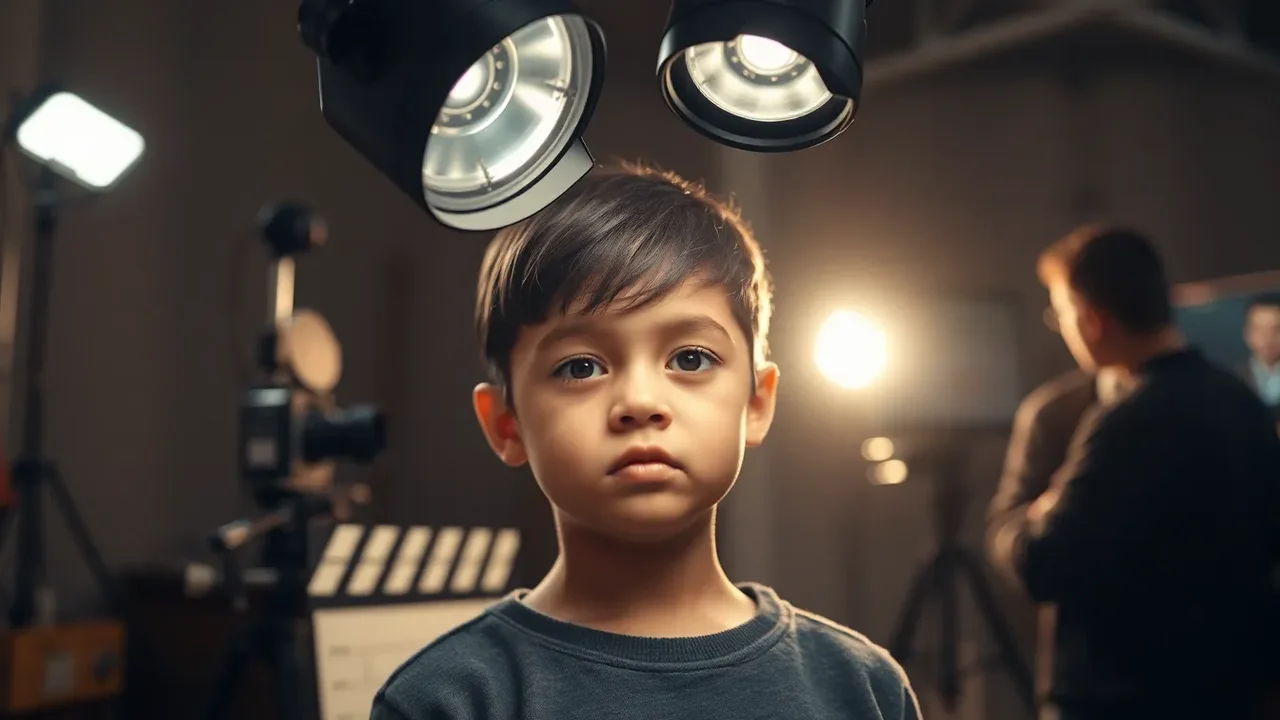
ZOV4 shorts are built for vertical screens and rapid swipes. Viewers decide in seconds whether to stay. That pressure changes how actors should perform. Big gestures can feel loud and fake. Subtle choices pull the audience closer. A tiny pause can carry more weight than a shout. When the frame is small, the face becomes the landscape. Micro-expressions become the main event. Actors who trust silence and stillness often win. This article explains why subtle acting works so well in ZOV4 shorts. It offers examples, techniques, and practical guidance for modern creators.
The Format Creates a Microscope
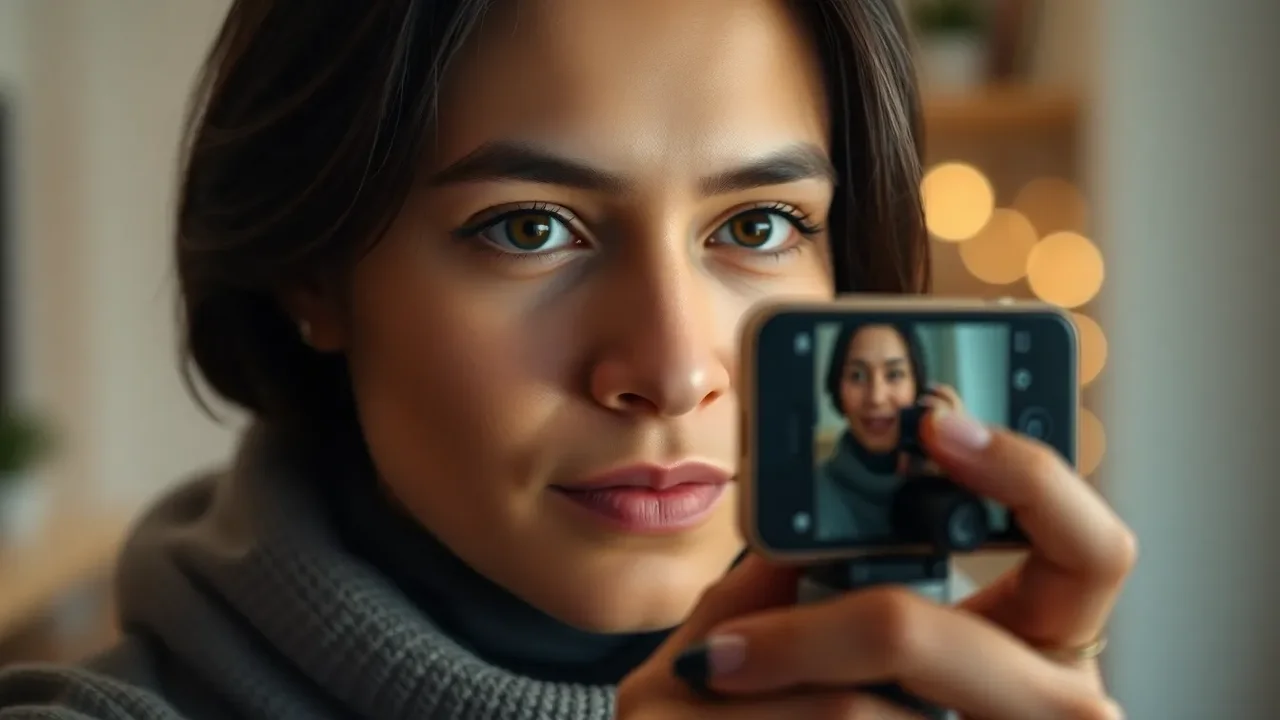
The vertical format acts like a microscope for human behavior. It magnifies tiny shifts that would disappear on a cinema screen. A flicker of the eyes becomes a plot point. A small swallow becomes a confession. Because the viewer holds the screen close, the actor feels intimately near. That nearness makes exaggeration unnecessary and even distracting. Subtle acting uses this intimacy as a creative advantage. It turns the phone into a window rather than a stage. The audience feels like a witness, not a spectator. This feeling of witnessing creates stronger emotional investment. That investment is exactly what ZOV4 shorts need to survive the swipe.
Attention Economics in Vertical Video
Every ZOV4 short competes with infinite distractions. The first second must hook the eye. The next second must hold the heart. Subtle acting supports this economy because it creates curiosity. A viewer sees a restrained face and wonders what is hidden. That wonder becomes a reason to keep watching. Loud acting answers every question immediately. Subtle acting asks a question and delays the answer. The delay is pleasurable when the actor is skilled. It makes the audience lean in rather than scroll away. In this attention economy, restraint is not passivity. Restraint is a powerful form of control.
The Difference Between Broadcasting and Behaving
Broadcasting means showing an emotion to the back row. Behaving means living an emotion in a private moment. ZOV4 shorts reward behaving because the camera is already inside the private moment. The actor does not need to project. The microphone and lens do the work. A whispered line can feel louder than a shouted one. A still face can feel more dramatic than a wild gesture. When actors behave rather than broadcast, the audience forgets the performance. They begin to read the character as a real person. That illusion is fragile and precious. Subtle choices protect the illusion and deepen the story.
How Subtlety Builds Character Memory
Audiences remember what they discover for themselves. If an actor shows everything, the viewer has nothing to find. If an actor hides a little, the viewer becomes a detective. That detective work creates strong memory. A small lip press in one scene can explain a betrayal three scenes later. A nervous finger tap can become a signature of anxiety. These tiny motifs accumulate into a rich character portrait. ZOV4 shorts are short, so every detail must carry weight. Subtle acting turns small details into emotional anchors. The viewer may forget the plot, but they remember the feeling. That feeling is built from micro-beats, not grand declarations.
The Role of the Cut and the Close-Up
Editing in ZOV4 shorts often cuts on small movements. A cut can land on a blink, a nod, or a breath. If the actor offers subtle beats, the editor has more rhythms to work with. If the actor offers only broad gestures, the edit feels choppy and obvious. The close-up is the most common shot in vertical video. It reveals pores, tears, and tiny muscle movements. Actors who understand this shot avoid unnecessary motion. They let the camera find the truth in their face. They trust that the cut will catch the exact moment. This collaboration between actor and editor creates seamless storytelling. Subtle acting is therefore also an editing-friendly choice.
Practical Techniques for Subtle Acting
- Lower your volume until the microphone barely catches the words.
- Replace a large gesture with a single finger movement or wrist turn.
- Delay your reaction by half a second to let the audience anticipate.
- Use breath as punctuation instead of filling silence with noise.
- Focus on one specific thought rather than a general emotion.
- Let your eyes finish the sentence that your mouth does not say.
Examples from Common ZOV4 Short Scenarios
| Scene type | Subtle choice | Audience effect |
| Breakup confession | Slow exhale before speaking | Feels like real dread |
| Hidden betrayal | Tiny smile that fades fast | Creates chilling doubt |
| Quiet reunion | Eyes water without tears falling | Builds tender restraint |
| Final warning | Jaw tightens, voice stays soft | Suggests controlled menace |
Common Mistakes That Break Subtlety
Many actors confuse subtlety with stillness. Stillness without intention feels empty and robotic. Others confuse subtlety with mumbling. Mumbling hides the story instead of revealing it. Some actors add tiny gestures that have no meaning. Those gestures distract the viewer and weaken the character. Another mistake is playing the emotion instead of the action. The actor tries to look sad rather than trying to hide sadness. That difference is huge on a close-up. ZOV4 shorts reward the action, not the label. When actors play actions, subtle choices become clear and compelling.
Directing and Editing for Subtle Choices
Directors can encourage subtlety by reducing the size of the frame. They can ask actors to imagine the lens is a trusted friend. They can remove unnecessary dialogue and let silence work. Editors can protect subtle beats by holding shots a beat longer. They can cut on the micro-expression rather than the line. Sound designers can lower music so breath becomes audible. These choices create a space where subtle acting can breathe. Without that space, even great micro-acting gets lost. ZOV4 shorts are a team effort, and subtlety is a shared language. The whole production must agree that small is powerful.
Audience Psychology and Rewatch Value
Subtle acting gives viewers a reason to rewatch. On the first view, they follow the plot. On the second view, they notice the tiny clues. A hand tremor, a delayed blink, a swallowed word. These details reward repeated viewing and increase engagement metrics. ZOV4 shorts thrive on loops and shares. A performance that reveals new layers will be watched again. That rewatch value is gold for creators and platforms. It also builds a loyal audience that trusts the actor. The audience knows that close watching will pay off. Subtle acting is therefore not just art. It is also a smart strategy for retention.
Measuring Performance Through Micro-Beats
Creators can review their ZOV4 shorts and count micro-beats. A micro-beat is a small change in face, breath, or body. Does the character have at least three micro-beats per ten seconds? Are those beats motivated by the scene? Do they build on each other or repeat randomly? A simple table can help track these choices. The goal is not to overplan every twitch. The goal is to ensure the inner life is visible. When micro-beats are clear, the performance feels alive. When they are missing, the performance feels flat. Measurement turns subtlety into a repeatable craft.
ZOV4 shorts demand that actors trust the smallest possible choices. The vertical frame turns the human face into a landscape. Viewers swipe quickly, so every micro-beat must earn its place. A slow blink can suggest doubt better than a gasp. A tiny mouth twitch can reveal hidden anger or fear. When the actor underplays, the audience always starts leaning forward. That forward lean creates active engagement and very lasting memory. Big theatrical gestures often feel false on a phone screen. Subtle choices feel private, as if we are watching life. This intimacy is the core reward of ZOV4 short acting.
Actors must learn to treat camera as a close friend. A close friend notices small changes in mood and breath. The camera also notices those small changes in ZOV4 shorts. Therefore, the actor should always reduce performance size by half. Then reduce it again until only simple quiet truth remains. This process is not ever about being boring or lifeless. It is about being precise, specific, and truly deeply alive. A single tear can be more powerful than a scream. A held breath can signal dread more effectively than words. These choices reward viewers who watch without ever looking away.
ZOV4 shorts often use very tight close-ups and shallow depth. The background blurs, so the face carries the whole story. In that space, a nostril flare can signal suppressed rage. A slight jaw shift can show a decision being made. A quick eye dart can reveal a plan or lie. These signals are small, but they are not ever random. They are the visible surface of a character's inner life. When actors plan these beats, the performance feels much richer. When actors ignore them, the performance feels empty and flat. Subtle acting is therefore a form of precise emotional engineering.
The best ZOV4 performances often look like non-performance. The actor seems to be thinking rather than acting. That thinking is visible in the smallest movements. A pause before a reply can show calculation or fear. A soft breath can show relief or resignation. The viewer feels like they are reading a mind. That feeling is addictive in short-form video. It makes the audience stay for the next second. It makes them comment, share, and rewatch. Subtle acting creates a conversation between actor and viewer. That conversation is the secret engine of ZOV4 success.
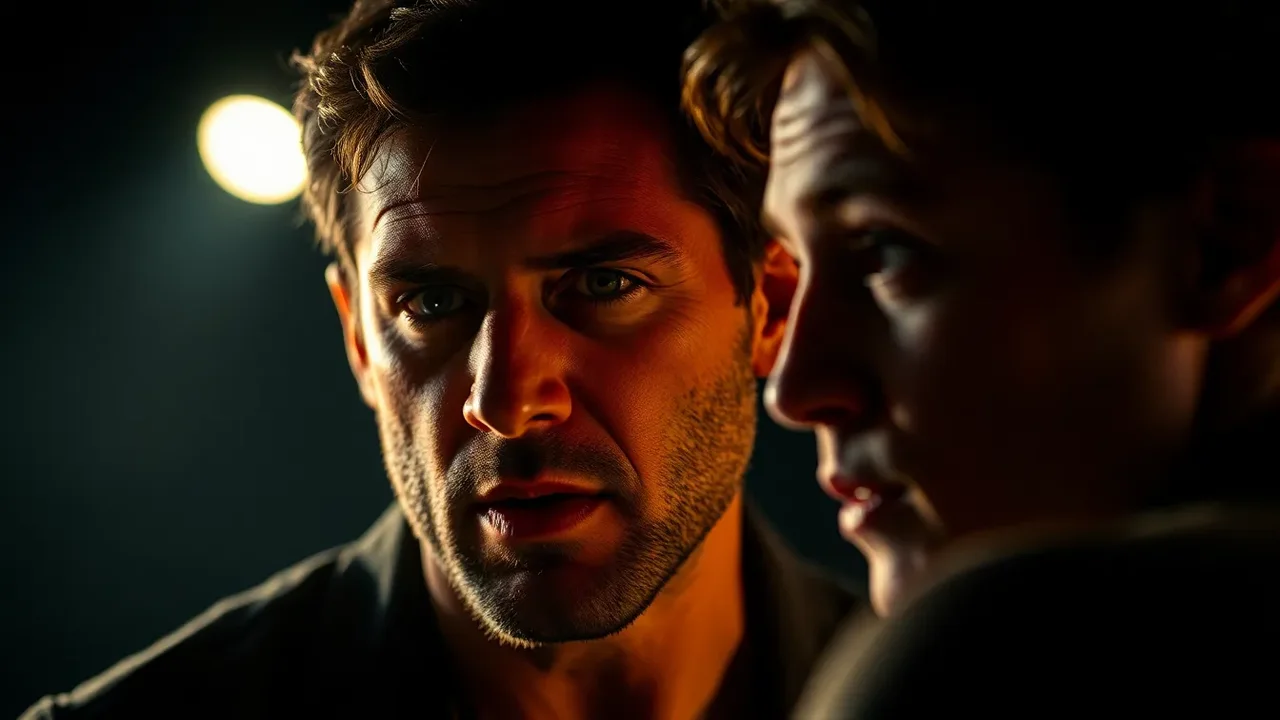
Lighting and framing can support or destroy subtle choices. Harsh shadows may hide the micro-expressions that matter. Soft, frontal light often reveals the face more honestly. A tight frame removes distracting body language. A slightly lower angle can make a small choice feel powerful. A slightly higher angle can make it feel vulnerable. Directors should choose these tools with intention. They should not rely on the actor to overcome bad framing. When light and frame work together, subtlety becomes visible. When they fight the actor, subtlety disappears. ZOV4 shorts are a visual medium, so visual support is essential.
Sound design is another partner to subtle acting. A quiet room tone can make a breath feel enormous. A sudden silence can make a blink feel like a gunshot. Music that swells too early can drown a micro-beat. Music that waits can amplify a tiny choice. The actor's voice should usually stay near speaking level. Whispering can be powerful, but only if it is audible. The microphone is close, so the actor does not need to push. That closeness allows for intimate vocal textures. These textures make the character feel real and present. Subtle acting and subtle sound design are natural allies.
Actors can practice subtlety with simple exercises. They can perform a scene while keeping their hands still. They can repeat a line with ten different inner thoughts. They can focus on one tiny muscle at a time. They can record themselves and watch without sound. They can ask what the face is saying without words. They can study real people in cafes and trains. They can notice how little is needed to communicate. They can practice waiting before reacting. These exercises build the muscle of micro-expression. Over time, subtlety becomes a natural instinct.
ZOV4 shorts often feature direct address to the camera. That format makes subtle acting even more important. The viewer feels personally spoken to. A tiny eye roll can feel like a shared secret. A small smile can feel like a private joke. A micro-pause can feel like a real hesitation. If the actor overacts in direct address, it feels like a commercial. If the actor underacts, it feels like a confession. The sweet spot is a natural, unforced presence. That presence is built from subtle choices. It is the difference between talking at someone and talking with them.
Genre also affects how subtlety works in ZOV4 shorts. In horror, subtlety creates creeping dread. A slight head tilt can be more scary than a jump scare. In romance, subtlety creates butterflies. A nervous finger brush can be more romantic than a kiss. In comedy, subtlety creates dry wit. A deadpan blink can be funnier than a pratfall. In drama, subtlety creates empathy. A quiet tear can be more moving than a monologue. The genre provides the context, but subtlety provides the truth. Actors should study how their genre rewards restraint. Then they can calibrate their choices for maximum impact.
One common fear is that subtle acting will be missed. That fear is understandable but often exaggerated. ZOV4 viewers are often watching closely. They have headphones and bright screens. They are used to reading micro-expressions in daily life. They will notice a well-placed beat. They may not articulate it, but they will feel it. The feeling is what matters. If the actor trusts the audience, the audience will trust the actor. That mutual trust creates a powerful bond. It also creates a performance that lingers after the swipe. Subtlety is not about hiding. It is about trusting the viewer to see.
Another fear is that subtle acting is too slow for short-form. But subtlety is not slowness. A micro-beat can happen in a fraction of a second. It can be as fast as a blink or a breath. The key is clarity, not duration. A fast, clear micro-beat can be more exciting than a slow, vague one. ZOV4 shorts reward clarity above all. The actor must know exactly what the character wants. Then the tiny choice can be sharp and specific. That specificity makes the performance pop on a small screen. Subtlety and speed are not enemies. They are partners in short-form storytelling.
Directors can help actors find subtle choices through questions. Instead of saying make it sadder, ask what are you hiding. Instead of saying be angrier, ask what are you afraid of. Instead of saying be happier, ask what are you pretending not to feel. These questions shift the actor from result to action. Action-based acting naturally produces subtle behavior. The actor tries to achieve something, not to display something. That trying is visible in the face. It is the raw material of ZOV4 short performance. Directors who ask good questions get better micro-beats. They also create a safer space for vulnerability.
Editors can also protect subtle choices in the timeline. They can avoid cutting away too quickly. They can hold the reaction shot for an extra half second. They can use a slow push-in to amplify a micro-expression. They can cut on the breath rather than the word. They can remove music that competes with silence. They can add room tone to make the moment feel real. These small editorial decisions add up. They tell the audience that the subtle moment matters. When the edit respects subtlety, the audience respects it too. ZOV4 shorts are built in the edit, so editors are co-creators of subtlety.
Actors should also consider the character's physical state. Tension, fatigue, pain, and desire all affect micro-movements. A tired character may blink more slowly. A frightened character may swallow more often. A guilty character may avoid eye contact for a split second. A hopeful character may lean forward almost imperceptibly. These physical details make subtle acting specific. They prevent the performance from becoming generic. The actor does not need to announce the state. The body will tell the truth if the actor lets it. ZOV4 shorts reward this kind of embodied truth. It feels real because it is rooted in physical life.
Costume and makeup can either support or undermine subtle acting. Heavy makeup can mask micro-expressions. Loose clothing can hide tension in the shoulders. Props can give the hands something meaningful to do. A ring turned nervously can become a story point. A sleeve pulled down can signal shame or cold. These details should be chosen with the character in mind. They should not distract from the face. In ZOV4 shorts, the face is the primary screen. Everything else should serve that face. When costume and makeup support subtlety, the performance becomes richer. When they fight it, the performance becomes muddy.
Audience feedback can teach actors about subtlety. Comments often mention small moments that stood out. Viewers may say they loved the tiny smile or the held breath. They may not mention the big gesture at all. This feedback is valuable data. It shows what actually lands on a phone screen. Actors can use this data to refine their choices. They can double down on what reads clearly. They can reduce what gets lost. Over time, they develop an intuitive sense of scale. That sense is essential for ZOV4 success. Subtlety is not guesswork. It is a skill that improves with feedback and reflection.
ZOV4 shorts also benefit from a strong inner monologue. The actor should know what the character is thinking at every moment. That inner life gives the micro-beats meaning. Without it, subtle choices become random twitches. With it, even a still face becomes fascinating. The audience can feel the thought behind the eyes. They may not know the exact words, but they sense the activity. This sense of inner activity is magnetic. It makes the viewer want to stay and decode. ZOV4 shorts are short, so every second must feel alive. A rich inner monologue keeps the performance alive. It is the fuel for subtle acting.
Actors can also use the environment as a partner. A cold wind can make the eyes water naturally. A loud noise can cause a genuine startle. A bright light can make the pupils contract. These real reactions add authenticity to subtle choices. The actor does not have to fake everything. They can use what is actually happening. This approach is sometimes called being in the moment. It creates a performance that feels unplanned and fresh. ZOV4 shorts often look best when they feel spontaneous. Subtle acting plus real environment equals believable behavior. That combination is hard to ignore and easy to remember.
Finally, subtle acting in ZOV4 shorts is a form of respect. It respects the audience's intelligence. It respects the intimacy of the screen. It respects the power of silence. It respects the craft of acting itself. When actors choose subtlety, they invite the viewer into a partnership. That partnership is more engaging than a one-way performance. It creates loyalty, rewatches, and shares. It turns a short video into a small piece of art. That art can still be commercial and fast. But it will feel human. And human feeling is what makes ZOV4 shorts worth watching.
This final thought reinforces why subtle acting remains essential for ZOV4 creators today.
FAQ - Why ZOV4 Shorts Reward Subtle Acting Choices
Why do ZOV4 shorts make subtle acting more effective than big gestures?
ZOV4 shorts are watched on small vertical screens, often close to the face. That intimacy magnifies micro-expressions and makes large gestures feel theatrical or false. Subtle choices pull the viewer in and create a sense of real, private behavior.
What is a micro-beat in ZOV4 short acting?
A micro-beat is a tiny, intentional change in the face, breath, or body, such as a delayed blink, a small swallow, or a slight jaw shift. These beats reveal inner thought and emotion without dialogue or exaggeration.
Can subtle acting work in comedy and horror ZOV4 shorts?
Yes. In comedy, subtlety creates dry wit and deadpan humor. In horror, it creates creeping dread and unease. The genre changes the context, but restraint often makes the emotional effect stronger and more memorable.
How can directors help actors make subtle choices in ZOV4 shorts?
Directors can ask action-based questions like what are you hiding or what are you afraid of, rather than telling the actor to show a specific emotion. They can also reduce dialogue, soften lighting, and hold shots longer to protect micro-beats.
Why does subtle acting increase rewatch value on ZOV4?
Subtle acting gives viewers new details to notice on a second or third viewing. A tiny hand tremor, a swallowed word, or a fading smile can reveal hidden layers. That discovery process encourages loops, shares, and stronger engagement.
What is the biggest mistake actors make when trying to be subtle?
The biggest mistake is confusing subtlety with stillness or mumbling. Subtlety must be specific, motivated, and clear. The actor should play an action, not an emotion, so the tiny choices carry meaning instead of becoming random or invisible.
ZOV4 shorts reward subtle acting because the vertical close-up magnifies micro-expressions. Tiny blinks, breaths, and jaw shifts feel more real than big gestures, creating intimacy, rewatch value, and stronger audience engagement on small screens.
Subtle acting choices are not a limitation of ZOV4 shorts; they are the format's greatest creative advantage. When actors trust the close-up, the silence, and the viewer's attention, they turn tiny expressions into powerful storytelling. The result feels intimate, real, and deeply rewatchable, which is exactly what short-form vertical video rewards.