The Power of Silence in Drama Shorts
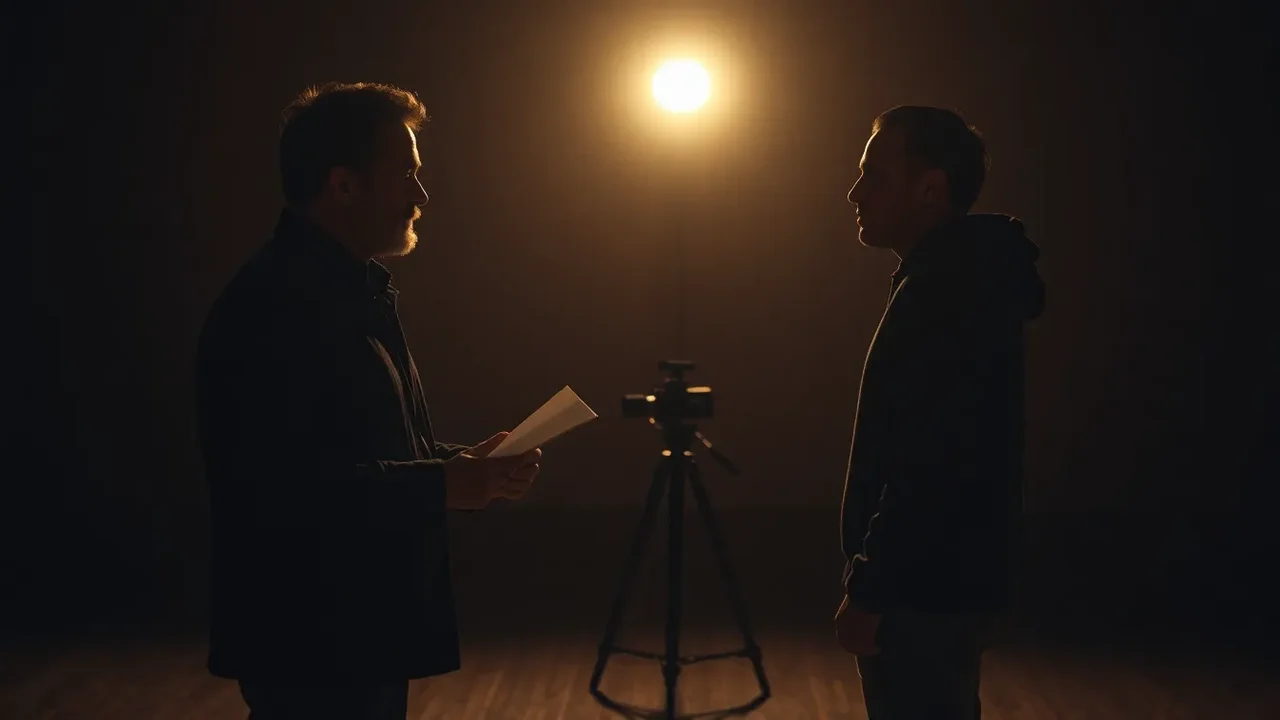
Silence is not empty space in a drama short. It is a charged, active material that directors shape with the same care as dialogue, performance, and camera movement. In a short film, every second counts, and silence can compress exposition, reveal subtext, and force the audience to lean in. When a character stops speaking, the room does not become neutral. It becomes a pressure chamber. The audience starts reading faces, breathing, posture, and the smallest shifts in light. A director who understands silence can make a three-minute short feel like a full emotional journey. Silence creates anticipation. It allows a line to land harder. It gives the viewer time to feel the weight of a decision. In short-form drama, silence is often the difference between a scene that merely plays and a scene that bruises. The most powerful shorts use silence not as a pause between dialogue but as the main event.
Why Shorts Demand Silence
Short films have no room for filler. A feature can wander through a subplot or let a conversation breathe for ten minutes. A short must strike fast and deep. Silence is the most efficient tool for that task. One held look can replace a page of explanation. One beat of quiet after a revelation can communicate shock, guilt, or resolve without a single word. When you remove dialogue, you remove the writer's safety net and the actor's verbal crutch. What remains is pure behavior. The audience must interpret, and interpretation creates engagement. In a short, engagement is survival. Silence also solves the problem of exposition. Instead of having characters say what they feel, you let them avoid saying it. The gap between what is said and what is meant becomes the drama. That gap is where silence lives.
Silence as Narrative Compression
Compression is the short filmmaker's greatest challenge. You need backstory, conflict, turn, and resolution in minutes. Silence compresses by omission. A character staring at an empty chair tells us someone is missing. A character refusing to answer a phone tells us about fear or estrangement. A character cleaning a wound in silence tells us about pain and isolation. Each silent action carries a history. The director does not need to show that history. The audience fills it in. This is not laziness. It is collaboration. When you trust the audience to complete the emotional equation, you create a more intimate experience. Silence also compresses time. A long pause can suggest hours of internal debate. A silent walk can imply a journey across a city or across a life. In a short, silence is a narrative accelerator disguised as a pause.
Types of Silence
Not all silence is the same. A director must distinguish between the silence of shock, the silence of intimacy, the silence of dread, and the silence of defeat. Each requires a different rhythm, camera distance, and performance energy. The silence after a slap is not the silence after a kiss. The silence before a confession is not the silence after a funeral. Knowing which silence you are using helps you direct actors and design sound. You can then decide whether the silence should be absolute or textured with room tone, breath, or distant traffic. The type of silence determines its duration. A comedic beat might need half a second. A tragic realization might need five seconds or more. The wrong duration can turn tension into boredom or grief into melodrama.
- Shock silence: A sudden absence of sound after a violent or devastating event. It freezes the audience and the character.
- Intimate silence: A soft, close quiet between two people who do not need words. It often includes breath and fabric.
- Dread silence: A low, ambient quiet that feels like something is about to happen. It uses subtle room tone and distant noises.
- Defeat silence: A heavy, empty quiet after a loss. It feels drained and final.
- Comic silence: A precise pause that lets an absurdity land. It is shorter and often followed by a small sound.
- Transitional silence: A bridge between scenes that resets the audience's attention.
Silence as a Pacing Tool
Pacing in a drama short is not just about how fast events happen. It is about how fast the audience feels them. Silence slows the perceived pace while increasing emotional speed. A rapid exchange of dialogue can feel light and forgettable. A slow exchange with long pauses can feel dangerous. When you place silence before a key line, you create a runway for meaning. When you place silence after a key line, you create an echo. Both are powerful. The director must decide where the silence belongs. A common mistake is to put silence everywhere. That flattens the rhythm. Silence works best when it contrasts with sound. If the whole short is quiet, the quiet stops being special. You need noise, music, or dialogue to make silence visible. Think of silence as a color. It needs other colors around it to be seen.
Beat Before the Line
The beat before a line is one of the most reliable tools in drama. An actor holds, looks away, swallows, then speaks. That tiny gap tells the audience the line costs something. It also gives the audience time to predict what might be said, which makes the actual line more satisfying or more surprising. In a short, you can use this beat to reveal character. A confident character might speak immediately. A guilty character might delay. A character in love might delay and then rush. The director's job is to protect that beat from editors who want to cut it for pace. Sometimes the beat is the scene. If you cut it, you cut the drama. You must also coach actors not to fill the silence with unnecessary movement. A small stillness is stronger than a nervous gesture.
Silence After the Line
The silence after a line is where the audience decides what the line meant. If you cut immediately to the next line, you rob them of that decision. A held shot after a confession allows the words to sink in. It also allows the other character to react without speaking. That reaction is often more important than the confession itself. In a short, you may not have time for a long aftermath, but even two seconds of silence can change the meaning of a scene. The camera should stay on the person who is listening, not the person who spoke. The listener's face becomes the audience's mirror. If the listener is silent and still, the audience feels the weight. If the listener looks away, the audience feels avoidance. If the listener tears up, the audience feels the break.
Visual Silence
Silence is not only audio. Visual silence is the absence of visual noise. A cluttered frame makes it hard for the audience to feel quiet. A clean frame with a single subject can feel silent even if there is ambient sound. Visual silence includes negative space, stillness, and simple composition. When you want a moment to feel silent, remove movement from the background. Remove extras. Remove camera movement. Let the frame hold. A locked-off shot of a character sitting alone can be more powerful than a moving shot with music. Visual silence also includes color. Desaturated colors can feel quiet. High contrast can feel loud. Soft light can feel intimate. Hard light can feel harsh. The director should design the visual silence to match the emotional silence. If the scene is about grief, use soft, empty space. If the scene is about dread, use hard shadows and stillness.
Directing Actors in Silence
Actors often fear silence. They are trained to fill space with words and movement. A director must give them permission to do less. This starts with language. Instead of saying, 'Do a pause,' say, 'Let the thought finish before you speak.' Instead of saying, 'Be quiet,' say, 'Listen to the room.' You must create a safe environment where an actor can be still and vulnerable. Silence exposes. It shows when an actor is not truly thinking. So you must help them think. Give them an inner monologue. Give them a physical task that requires concentration. Give them a reason to hold back. The best silent performances are not empty. They are full of unspoken thoughts. The camera can see that fullness if the actor trusts it.
Micro-Expressions and Stillness
In a close-up, silence magnifies micro-expressions. A flicker of the eyes, a slight tightening of the jaw, a breath that catches. These are the words of silent drama. You should shoot enough coverage to catch them. You should also avoid over-rehearsing them. If an actor plans every micro-expression, it looks mechanical. Instead, create the conditions for spontaneous reaction. Use off-camera prompts. Use real objects. Use silence in the rehearsal room so the actor becomes comfortable with it. When you shoot, give the actor a clear intention but not a fixed result. Then watch. The smallest change can become the emotional climax of the short. A single tear in silence can be more devastating than a monologue.
Sound Design and Negative Space
Sound design is the art of deciding what not to hear. In a drama short, you can remove music, dialogue, and effects to create negative space. But absolute silence is rare and often unnatural. Complete digital silence can feel like a technical error. Instead, use room tone, breath, cloth, and distant hums. These tiny sounds make the silence feel real. They also make the audience aware of their own listening. When you drop all sound for a moment, the effect is shocking. Use that sparingly. A sudden cut to silence can simulate a character's trauma or focus. A gradual fade to silence can simulate drifting away. You can also use silence to isolate a single sound. If the room goes quiet, a ticking clock becomes a heartbeat. A dripping faucet becomes a countdown. The director and sound designer must work together to shape the negative space.
Table: Silence Techniques and Effects
| Technique | Duration | Emotional Effect | Best Use |
|---|---|---|---|
| Hard cut to silence | 0.5-2 seconds | Shock, trauma, focus | After a gunshot, slap, or revelation |
| Held beat before line | 1-3 seconds | Anticipation, cost, guilt | Before a confession or refusal |
| Silent reaction shot | 2-5 seconds | Empathy, realization, grief | After a devastating line |
| Ambient dread silence | 5-15 seconds | Tension, unease, foreboding | Before a confrontation or discovery |
| Intimate breath silence | 3-8 seconds | Closeness, trust, vulnerability | Between lovers or family members |
| Transitional silence | 1-4 seconds | Reset, reflection, passage of time | Between scenes or acts |
Building Tension with Silence
Tension is the promise of something. Silence makes that promise louder. When two characters stop talking, the audience waits. They wonder who will speak first. They wonder what will happen if no one speaks. That waiting is tension. You can build it by extending the silence past the expected point. Just when the audience thinks someone will speak, hold a little longer. But do not hold so long that they disengage. The key is to make the silence active. Give the characters something to do that contradicts the silence. One might clean a knife. One might stare out a window. One might slowly close a door. These actions keep the audience's eyes busy while their ears wait. When the silence finally breaks, the release is powerful. If it never breaks, the short can end on a note of unresolved dread. That can be just as powerful.
The Silent Confession
A silent confession is a scene where a character admits something without words. They might place a photograph face down. They might remove a wedding ring. They might look at someone with tears in their eyes. The audience understands the confession because of context and performance. This is the highest form of showing, not telling. To direct a silent confession, you must build the context earlier. The audience needs to know what the object means or what the relationship was. Then you can strip away the dialogue. The silence becomes the confession. The other character's silence becomes the response. This is incredibly efficient in a short. It also creates a moment of shared humanity. The audience feels like they are in the room, not watching from outside.
Silence in Dialogue Scenes
Dialogue scenes are not the enemy of silence. They are the frame for it. A scene with sharp dialogue can be punctuated by silence to create rhythm. Think of a boxing match. The punches are the lines. The silence is the footwork. Without the footwork, the punches are just noise. In a dialogue scene, you can use silence to show power dynamics. The person who is comfortable with silence often has more power. The person who rushes to fill it is more anxious. You can direct actors to use silence as a weapon. One character waits. The other rambles. The audience sees who is in control. You can also use silence to show intimacy. Two people who can be silent together are often closer than two people who talk constantly. In a short, a single silent exchange can establish a relationship better than a page of exposition.
Overlapping Silence
Overlapping silence is a technique where two characters are silent at the same time, but for different reasons. One is silent because they are guilty. The other is silent because they are heartbroken. The audience can feel both silences at once. This is complex but powerful. To achieve it, you need clear performances and careful framing. A two-shot can show both faces. A close-up can alternate. The sound design should remain minimal. The silence becomes a container for multiple emotions. When one character finally speaks, the other's silence changes meaning. This technique is especially useful in short dramas about family secrets or broken relationships. It creates a layered emotional texture without adding dialogue.
Editing Silence
Editing is where silence is often saved or destroyed. An editor may be tempted to cut out pauses to keep the short moving. But in a drama short, the pauses are the story. The editor must protect the silence. This means watching the scene with the sound off. Does the silence still read? If not, the visual performance is not strong enough. The editor can also use silence to create transitions. A cut from a loud scene to a silent scene can be jarring in a good way. A slow fade to silence can feel like a memory ending. The editor should also consider the rhythm of silence across the whole short. If every scene has a long pause, the short becomes sluggish. If only the key scenes have silence, those scenes stand out. The editor and director must decide where silence serves the story and where it merely slows it down.
J-Cuts and L-Cuts with Silence
J-cuts and L-cuts are audio transitions that can make silence feel more natural. A J-cut brings the audio of the next scene before the picture. If the next scene is silent, the J-cut can create a sense of dread. An L-cut lets the audio of the previous scene continue over the next picture. If the previous scene ends in silence, the L-cut can carry that silence into the new scene. These techniques help silence flow across cuts. They prevent silence from feeling like a technical gap. Instead, it becomes a continuous emotional presence. You can also use a J-cut to bring in a tiny sound, like a breath, before we see the character. That sound prepares us for the silence. Editing silence is not about removing sound. It is about shaping the absence of sound.
Silence and Character Arc
A character arc in a short film often happens in silence. The character may not say what they learn. They may simply act differently. For example, a character who begins by shouting may end by whispering. A character who begins by avoiding eye contact may end by holding a gaze. These changes are visible in silence. The director should map the character's silent journey. What do they do with their hands? How do they breathe? Where do they look? These details can show growth or decline without dialogue. In a short, the arc must be compressed. Silence helps because it allows the audience to infer change. If the character was loud in scene one and silent in scene three, the audience feels the shift. They may not know exactly why, but they feel it. That feeling is often more memorable than an explanation.
Practical Exercises for Directors
To master silence, you must practice it. These exercises can be done with actors, a camera, or even alone. The goal is to become comfortable with the uncomfortable. Silence often feels longer to the director than to the audience. You must learn to trust it. You must also learn to recognize when silence is working and when it is dead. These exercises will help you build that instinct.
- One-Minute Silent Scene: Direct two actors to play a breakup without any dialogue. They can only use objects and eye contact.
- Silence Count: Have an actor hold a silence for five seconds after a line. Then ten seconds. Notice when it becomes too much.
- Room Tone Recording: Record the silence of a room. Listen for the tiny sounds. Use them in your edit.
- Silent Reaction Shot: Shoot a close-up of an actor listening to a devastating story. Do not let them speak. Watch the micro-expressions.
- Cut to Silence: Edit a loud scene and cut to complete silence for one second. Then cut back. Feel the shock.
- Visual Silence: Compose a shot with no background movement. Hold it for ten seconds. See if the stillness feels powerful or boring.
Common Mistakes with Silence
The first mistake is using silence without contrast. If the whole short is quiet, the silence loses its power. The second mistake is filling silence with music. Music tells the audience what to feel. Silence lets them feel it themselves. The third mistake is making silence too long. A pause that lasts too long can pull the audience out of the story. The fourth mistake is not directing the silence. Actors may feel abandoned if you just say, 'Be quiet.' You must give them inner life. The fifth mistake is cutting silence in the edit because you are afraid. Trust the pause. The sixth mistake is using silence in every scene. Variety is essential. The seventh mistake is ignoring sound design. True silence is rarely absolute. Use room tone and breath to make it real. The eighth mistake is not shooting enough coverage. You need close-ups and wide shots to edit silence effectively.
Case Study: The Last Text
Imagine a three-minute drama short called The Last Text. A young woman sits in a car. She reads a text from her estranged father. The text says, 'I am sorry.' She does not reply. The entire short is mostly silent. She looks at the phone. She looks out the window. She starts the engine. She stops. She cries without sound. She types a reply, then deletes it. She types again, then deletes it. Finally, she puts the phone down and drives away. The silence carries the entire emotional arc. The audience understands her anger, her longing, and her choice. There is no dialogue. There is only the hum of the engine and the sound of her breath. The director uses close-ups of her thumb hovering over the send button. The silence before she deletes the message is the climax. This short works because silence is not a gap. It is the character's voice.
Silence in Different Genres
Silence works differently in different genres. In a thriller, silence creates dread. In a romance, silence creates intimacy. In a family drama, silence creates tension. In a horror short, silence creates anticipation. In a comedy short, silence creates awkwardness. The director must adjust the type and duration of silence to fit the genre. A thriller might use long, ambient silence with subtle creaks. A romance might use short, breathy silence with soft eye contact. A family drama might use silence filled with unspoken resentment. You can also mix genres. A romantic thriller might use intimate silence that turns into dread. The key is to know what emotion you want the audience to feel. Then design the silence to produce that emotion. Silence is not a single tool. It is a whole toolbox.
Advanced Techniques: Silence and Point of View
Silence can be used to represent a character's point of view. When a character is overwhelmed, the world may go silent. When a character is dissociating, sound may fade away. When a character is focused, background noise may disappear. You can use this subjectively. For example, during a panic attack, you might drop all sound except a ringing tone. During a moment of clarity, you might cut to complete silence. This technique pulls the audience into the character's head. It makes the drama more immersive. You can also use silence to show a character's isolation. If everyone else is talking and one character hears nothing, we feel their loneliness. This requires careful sound mixing. You must decide what the character hears and what the audience hears. Sometimes they are the same. Sometimes they are different. That difference is powerful.
Working with Composers and Sound Designers
When you work with a composer, tell them where silence must live. Do not let music cover the silence. Instead, let music stop before the silence. Let the silence be the solo. A good composer will understand that silence is part of the score. They may write a theme that ends on a unresolved note, then leave the rest to silence. A sound designer can create a bed of room tone that makes the silence feel alive. They can also remove all sound for a moment of impact. You should give them a map of the short's emotional beats. Mark the moments where silence is essential. Mark the moments where sound can support. Then collaborate. The best sound work in drama shorts is often invisible. The audience does not notice the silence. They only feel the story.
Final Thoughts on Directing Silence
Using silence to direct powerful drama shorts is not about being quiet. It is about being deliberate. Every pause, every held look, every absence of sound must serve the story. Silence can reveal character, build tension, compress time, and create intimacy. It can also bore, confuse, or distance the audience if used poorly. The director must study rhythm, performance, sound, and editing. They must trust the audience to fill the gaps. They must protect the silence in the edit. They must give actors the inner life to make silence meaningful. When done well, silence becomes the most memorable part of a short film. It stays with the audience after the screen goes black. It echoes. It haunts. It speaks louder than any line. So before you write the next line of dialogue, ask yourself: what would happen if no one spoke? The answer may be your most powerful scene.
FAQ - Using Silence to Direct Powerful Drama Shorts
Why is silence so effective in drama shorts?
Silence compresses story, reveals subtext, and forces the audience to engage actively. In a short film, where every second counts, silence can replace exposition and create emotional weight without dialogue.
How long should a silent pause last in a short drama?
It depends on the emotion. A shock beat may last half a second to two seconds. A grief reaction might last three to five seconds. Test with your edit and audience. If it feels too long, cut one second. If it feels rushed, add one.
Can silence work in a dialogue-heavy scene?
Yes. Silence in a dialogue scene creates rhythm and power dynamics. The character who is comfortable with silence often controls the scene. Use pauses before and after key lines to let meaning land.
How do I direct actors to be silent without looking empty?
Give them an inner monologue, a physical task, or a clear intention. Instead of saying 'pause,' say 'let the thought finish.' Rehearse silence so they become comfortable. Shoot close-ups to capture micro-expressions.
Should I use complete digital silence in my short?
Rarely. Absolute silence can feel like a technical error. Use room tone, breath, or distant hums to make silence feel real. Save complete silence for a sudden shock or a moment of focused trauma.
What is the biggest mistake when using silence?
The biggest mistake is using silence without contrast. If the whole short is quiet, silence loses power. Also, do not fill every pause with music. Let silence do its own work.
Using silence in drama shorts compresses story, builds tension, and reveals subtext without dialogue. Directors can use pauses, reaction shots, room tone, and contrast to make silence active and emotionally powerful.
Using silence to direct powerful drama shorts is a craft of restraint, rhythm, and trust. When you remove words, you invite the audience into the emotional core of the story. Silence can make a short feel larger, deeper, and more human. Practice it, protect it in the edit, and let it speak when dialogue cannot.