The Psychology of the Close-Up
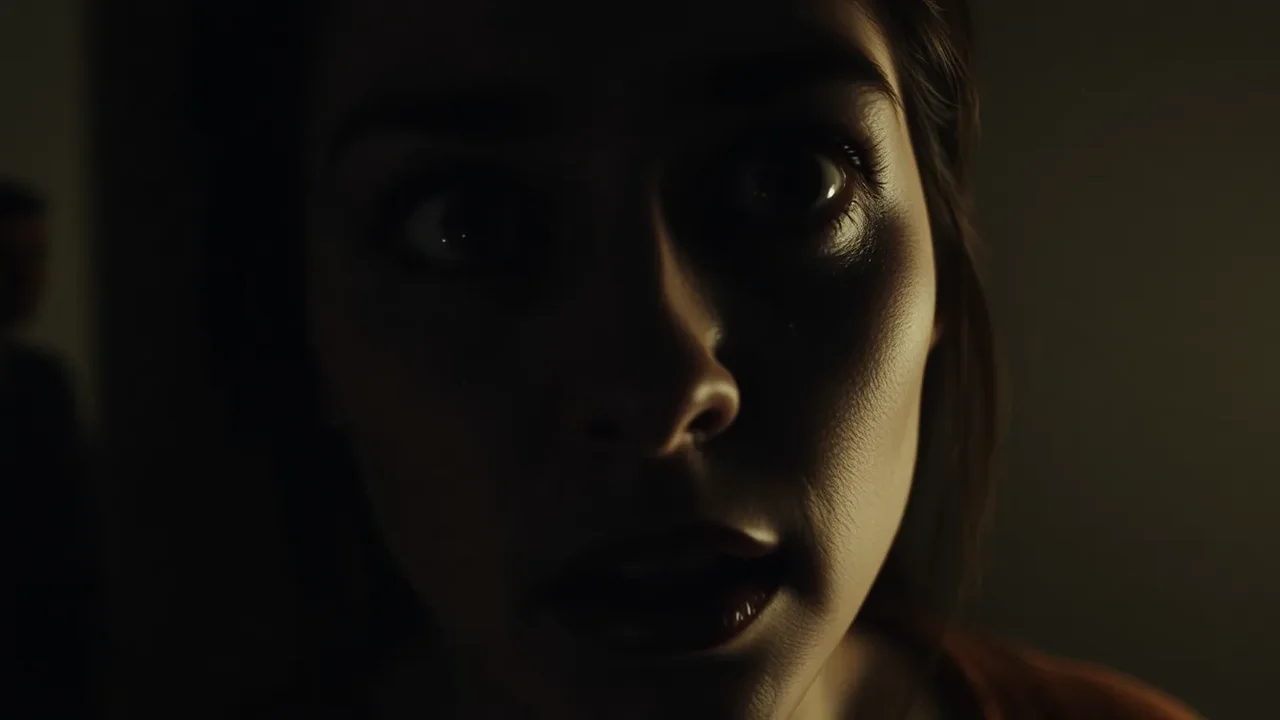
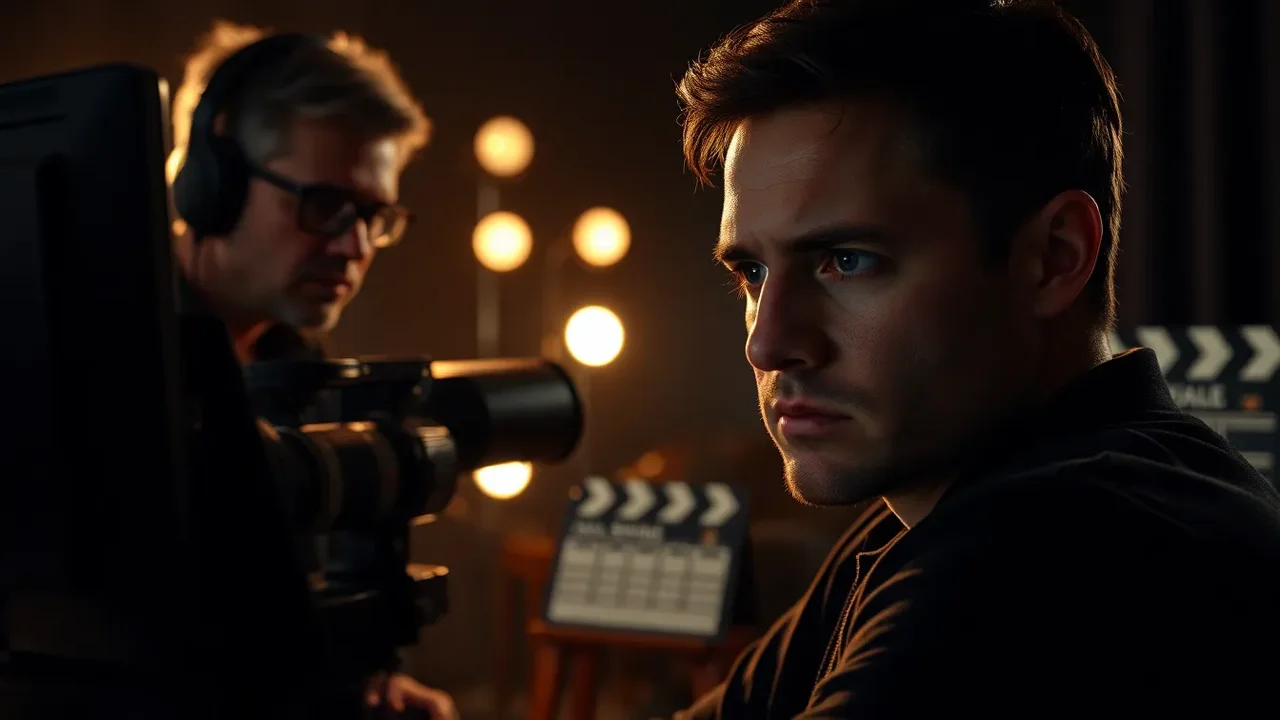
The close-up is not merely a shot size. It is a psychological pressure device. When a filmmaker pushes the camera toward a face, the audience loses spatial context and gains emotional proximity. That shift is the foundation of tension in short drama. A short film has limited time to establish stakes, so every close-up must earn its place. It can reveal a secret, hide a threat, or force viewers to read micro-expressions they cannot ignore. The close-up works because human beings are wired to read faces. A slight twitch, a held breath, or a flickering gaze can signal danger faster than any line of dialogue. In a short drama, where exposition is compressed, the close-up becomes a shortcut to interiority. It tells the audience what the character cannot say. It also creates a claustrophobic feeling that mirrors the character's trapped state. When used with precision, a close-up can make a quiet moment feel like a countdown.
Why Faces Hold Tension
The human face is a landscape of tiny signals. A close-up magnifies those signals until they become the entire world of the scene. In a short drama, the audience does not have time to learn a character through backstory. The face must carry the weight. A trembling lip, a swallow, a blink that lasts too long, or a pupil that dilates can communicate fear, guilt, desire, or resolve. Directors often ask actors to do less in close-up, not more. The camera captures what a stage performance would lose. This is why close-ups are so effective for tension: they make the audience complicit in observation. We become detectives of the face, searching for the moment when the character will break. That search is inherently suspenseful. The longer we look, the more we expect something to happen. When nothing happens, the tension builds. When something finally happens, it lands with immense force.
The Kuleshov Effect and Emotional Ambiguity
The Kuleshov effect demonstrates that meaning is created by juxtaposition. A neutral face followed by a bowl of soup reads as hunger. The same face followed by a coffin reads as grief. In short drama, this principle is a superpower. A close-up does not need to show a clear emotion. It can be a blank canvas that the audience paints with context. This ambiguity is a powerful tension tool. If the audience cannot decide what the character feels, they lean in. They project their own fears onto the face. A close-up of a character staring off-screen can suggest a threat that is never shown. The audience imagines the worst. That imagined threat is often more terrifying than any monster. By withholding information and relying on the Kuleshov effect, a short film can create a dense atmosphere of dread with very few resources. The close-up becomes a question mark, and the audience cannot look away until it is answered.
Framing Choices That Amplify Anxiety
Not all close-ups are equal. The distance between camera and subject changes the emotional temperature. A medium close-up, from the chest up, allows some body language and context. A close-up, from the shoulders up, focuses on the face. An extreme close-up, on the eyes or mouth, becomes almost abstract. Each step inward increases pressure. In a short drama, you can use this progression to build tension without cutting away. Start with a medium close-up as the character speaks. Then push to a close-up as they hesitate. Then cut to an extreme close-up as they make a decision. The audience feels the walls closing in. Framing also includes headroom and look space. Less headroom can make a character feel trapped. More look space can suggest they are searching for an escape. A centered close-up can feel confrontational. An off-center close-up can feel unstable. These subtle choices are not decoration. They are the grammar of tension.
Extreme Close-Up vs. Close-Up
The extreme close-up is the most aggressive shot in the filmmaker's toolkit. It can show a bead of sweat, a quivering eyelash, or a finger twitching on a trigger. It removes all context and forces the audience to inhabit a single detail. This is why it is so effective in short thrillers and dramas. But it is also risky. If used too early, it can feel melodramatic. If used too often, it loses impact. The close-up, by contrast, is more sustainable. It keeps the face as a whole, allowing the actor to work with subtle expressions. A good strategy is to save the extreme close-up for the moment of highest tension. The close-up can build the pressure. The extreme close-up can release it. In a short film, you might have only one or two extreme close-ups. Make them count. Place them at the turning point or the climax. The audience will remember them because they are rare and intense.
Eye-line and Off-Screen Space
Where a character looks in a close-up is as important as how they look. The eye-line directs the audience's attention. If a character stares at something off-screen, the audience wants to see it. That desire is tension. You can delay the reveal by holding the close-up. The longer the character stares, the more the audience imagines. When you finally cut to the object of their gaze, it may be mundane. But the tension was real. In short drama, off-screen space is a budget-friendly tool. You do not need to build an elaborate set. You only need a face and a direction. You can also use eye-line to create conflict. Two characters in close-ups looking at each other can feel intimate or hostile. If their eye-lines do not match, the audience feels unease. A character looking down can feel submissive or ashamed. Looking up can feel hopeful or terrified. These are simple cues, but they carry enormous weight in a compressed narrative.
Timing, Duration, and Rhythm
Tension is not just about what you show. It is about how long you show it. A close-up that lasts two seconds is a glance. A close-up that lasts ten seconds is an interrogation. In short drama, duration is a primary tool. You can hold a close-up past the point of comfort. The audience will start to wonder why the shot has not cut. That wondering is tension. But you must earn the hold. If the shot is static and the performance is empty, the audience will become bored. If the shot is static and the performance is rich, the audience will become hypnotized. You can also vary rhythm. Quick cuts between close-ups create panic. Slow dissolves between close-ups create dread. A sudden cut from a wide shot to an extreme close-up creates shock. A slow push-in creates anticipation. The editor and director must collaborate to find the rhythm that serves the story. In a short film, every second counts, so the rhythm must be deliberate.
| Shot Type | Emotional Effect | Best Use in Short Drama |
|---|---|---|
| Medium Close-Up | Context and empathy | Establishing character before tension rises |
| Close-Up | Intimacy and pressure | Building suspense during dialogue or silence |
| Extreme Close-Up | Shock and obsession | Climax or revelation moment |
| Over-the-Shoulder Close-Up | Subjectivity and unease | Creating a sense of being watched |
Lighting and Color in Close-Up Tension
Lighting a close-up is different from lighting a wide shot. In a wide shot, you can create depth and atmosphere with background sources. In a close-up, the face is the entire frame. Every shadow on the skin becomes a dramatic event. Hard light can create sharp shadows that feel harsh and threatening. Soft light can create gentle transitions that feel intimate or deceptive. A single eye light can make a character look alive or predatory. In short drama, you can use lighting to guide the audience's eye to a specific detail. A glint on a knife, a tear on a cheek, a vein on a forehead. Color also plays a role. Cool blue tones can suggest isolation or dread. Warm amber tones can suggest nostalgia or safety, which can be subverted. A sudden shift from warm to cool in a close-up can signal a change in emotion. These choices do not need expensive equipment. A desk lamp, a piece of diffusion, and a colored gel can transform a face into a landscape of tension.
Chiaroscuro and Shadow
Chiaroscuro is the art of strong contrast between light and dark. In a close-up, it can split a face in two. One side is revealed, the other hidden. This visual duality mirrors inner conflict. A character may be hiding a secret. The audience sees only half the truth. That partial view creates tension. They want to see the other side. When the character turns, the lighting changes, and new information is revealed. You can also use shadow to suggest a threat. A shadow falling across an eye can make a character look sinister. A shadow moving across a face can suggest an unseen presence. In short drama, chiaroscuro is efficient because it does not require complex set design. You only need a light source and a flag. The face becomes the set. The tension is built through what is hidden as much as what is shown. This technique is timeless, from film noir to modern thrillers.
Color Temperature and Skin
Skin is sensitive to color temperature. Under tungsten light, skin may look warm and human. Under daylight, it may look cool and clinical. Under green light, it may look sickly. In a close-up, these shifts affect how the audience feels about a character. If a character's skin suddenly looks pale and blue, the audience may sense illness or death. If it looks flushed and red, the audience may sense anger or passion. You can use color temperature to create continuity errors intentionally. A cut from a warm close-up to a cool close-up can feel jarring. That jarring feeling is tension. It suggests that something has changed, even if the dialogue has not. In short drama, you can also use practical lights within the frame. A flickering fluorescent tube can cast a pulsing light on a face. A candle can create a warm, unstable glow. These sources add movement and unpredictability to the close-up, making the audience uneasy without a single cut.
Sound Design and the Close-Up
Sound is half of the close-up experience. When the camera moves in, the audience expects to hear more. You can use this expectation to build tension. A close-up of a face can be accompanied by amplified breathing. The sound of a swallow becomes a roar. The rustle of clothing becomes a threat. You can also use silence. A close-up with no sound at all can feel like a vacuum. The audience strains to hear something. That straining is tension. In short drama, sound design can replace expensive visual effects. A low sub-bass rumble under a close-up can create a sense of impending doom. A high-frequency ring can suggest anxiety or tinnitus. A sudden cut to silence can make a close-up feel like a held breath. You can also use off-screen sound. A door creaking, a footstep, a phone vibrating. The close-up face reacts, and the audience imagines the source. This is the audio version of off-screen space. It is powerful because it engages the audience's imagination.
Breath, Silence, and Sub-Bass
Breath is the most intimate sound in a close-up. When you hear a character breathe, you are inside their body. You can use breath to control the audience's pulse. Slow, steady breathing can be calming. Fast, shallow breathing can be panic. A held breath can be the most tense of all. The audience holds their breath too. In a short drama, you can build a sequence around breath alone. A close-up of a character hiding. Their breath is loud. Then it stops. The silence is deafening. Then a sound. The release. This simple pattern can create more tension than a car chase. Sub-bass frequencies, below the range of human hearing, can create a physical sensation of unease. You can layer a low drone under a close-up. The audience may not consciously hear it, but they will feel it in their chest. This is a common technique in horror and thriller sound design. It is cheap and effective. Use it sparingly, or it will lose power.
Performance and Micro-Expressions
In a close-up, the actor's face is the special effect. Micro-expressions are fleeting facial movements that last a fraction of a second. They can reveal true emotion before the character masks it. A flash of fear, a twitch of disgust, a micro-smile of satisfaction. These are gold for tension. The audience may not consciously notice them, but they will feel them. Directors should work with actors to find these moments. Sometimes the best take is the one where the actor does almost nothing. The camera captures a thought passing behind the eyes. This is why close-ups require trust. The actor must feel safe enough to be vulnerable. In short drama, you may not have time for many takes. Rehearse the close-up separately. Block the scene so the actor knows exactly where the camera will be. Then let them explore. The smallest gesture can carry the entire story. A single tear, a clenched jaw, a darting eye. These are the building blocks of dramatic tension.
The Art of the Hold
Holding a close-up is a directorial decision that says to the audience: look at this. Do not look away. The hold creates a contract. The audience expects a payoff. If the payoff comes, it satisfies. If it does not, it frustrates. Both can be useful. In a short drama, you can hold a close-up on a character who is waiting. The audience waits with them. The tension is shared. You can also hold a close-up on a character who is lying. The audience may know they are lying. The hold becomes an accusation. The character cannot escape the camera's gaze. This is uncomfortable, and discomfort is tension. The length of the hold should be motivated by the story. A hold that is too short feels like a missed opportunity. A hold that is too long feels self-indulgent. The editor must feel the rhythm. Sometimes a hold is best broken by a cut to a wide shot. The release of pressure can be as dramatic as the buildup. Other times, a hold is best broken by a sudden sound or movement. The key is to make the audience aware of time passing.
Editing Patterns for Short-Form Drama
Short drama has its own editing grammar. You do not have the luxury of long scenes. Every cut must advance tension. Close-ups are your primary tool. One common pattern is the cut-in. Start with a medium shot of two characters talking. Then cut to a close-up of one character's reaction. Then cut to a close-up of the other. This creates a rhythm of action and reaction. But you can intensify it by cutting closer and closer. Medium close-up, close-up, extreme close-up. This is called a progressive close-up. It mimics the feeling of leaning in. Another pattern is the hold and release. Hold a close-up for an uncomfortable amount of time. Then cut to a wide shot. The wide shot feels like a breath of fresh air. But the tension does not disappear. It lingers because the close-up is still in the audience's mind. You can also use match cuts on close-ups. A close-up of an eye cuts to a close-up of a clock. The similarity in shape creates a visual rhyme. This can suggest that time is running out. These patterns are simple but powerful.
The Cut-In
The cut-in is the most basic close-up edit. It moves from a wider shot to a closer shot of the same subject. In a short drama, the cut-in can be used to emphasize a line of dialogue. But it is more effective when used to emphasize a reaction. The character says something, but the close-up shows that they do not believe it. The audience sees the lie. That is tension. You can also use a cut-in to reveal a detail. A character is holding a cup. Cut to a close-up of their hand shaking. The audience now knows they are nervous. No dialogue needed. The cut-in should feel motivated. If it is too abrupt, it can feel like a mistake. If it is too smooth, it can feel boring. The best cut-ins feel inevitable. They arrive exactly when the audience wants more information. You can also use a cut-in to break the 180-degree rule intentionally. This can disorient the audience and increase tension. But use this sparingly. In a short film, clarity is usually more important than confusion.
The Snap Zoom
The snap zoom is a rapid zoom into a close-up. It is an aggressive, almost cartoonish move. But in the right context, it can be terrifying. The snap zoom mimics the way a human head turns when startled. It is a visual exclamation point. In short drama, you can use a snap zoom to punctuate a revelation. A character sees something shocking. Snap zoom to their face. The audience feels the shock. You can also use a snap zoom to create comedy, but for tension, it should be used sparingly. Too many snap zooms will make the film feel like a parody. A slow zoom, by contrast, is a gradual increase in pressure. It is more subtle and often more disturbing. The audience may not notice the zoom at first. Then they realize the frame is tighter than before. That realization is tension. You can combine slow zoom with a hold. The camera creeps in while the actor remains still. The audience feels the walls closing in. This is a classic technique in horror and thriller. It works because it is patient.
Practical Shot Lists and Coverage
To use close-ups effectively, you need coverage. In a short drama, you cannot rely on improvisation. You need a plan. A shot list should include specific close-ups for each emotional beat. Do not just shoot a master shot and hope to find close-ups in the edit. Shoot the close-ups intentionally. For each scene, identify the moment of highest tension. That is where you need an extreme close-up. Identify the moment of decision. That is where you need a close-up. Identify the moment of reaction. That is where you need a medium close-up. You should also shoot clean plates. A clean plate is a shot without the actor. This allows you to add visual effects or remove unwanted elements. In a close-up, clean plates can be used to fix continuity errors. You can also shoot multiple takes of the same close-up with different intensities. A subtle take, a moderate take, an intense take. This gives the editor options. The editor can then choose the take that best fits the rhythm. Coverage is not about shooting more. It is about shooting the right shots.
- Extreme close-up on eyes for shock or revelation.
- Close-up on hands for nervous energy or hidden weapons.
- Medium close-up on face for dialogue and empathy.
- Over-the-shoulder close-up for subjective fear.
- Insert close-up on objects for symbolic tension.
- Reaction close-up after a line for subtext.
- Held close-up during silence for unbearable suspense.
Use close-ups with intention, and the tension will follow naturally in your short drama.
FAQ - Using Close-Ups to Build Drama Short Tension
Why are close-ups so effective for building tension in short drama?
Close-ups create emotional proximity and claustrophobia. They force the audience to read micro-expressions, making them complicit in the character's fear or anxiety. In a short film, this immediacy builds tension quickly without lengthy exposition.
How long should I hold a close-up to maximize tension?
Hold a close-up just past the point of comfort. The ideal duration depends on the performance and context. A hold of five to ten seconds can create unbearable suspense if the actor's face reveals subtle changes. Always cut when the tension peaks, not after it fades.
What is the difference between a close-up and an extreme close-up?
A close-up frames the face from the shoulders up, allowing subtle expressions. An extreme close-up isolates a single feature, like an eye or mouth, removing context. Extreme close-ups are more aggressive and should be saved for climactic or shocking moments.
How can sound design enhance close-up tension?
Amplify intimate sounds like breathing, swallows, or fabric rustling. Use silence to create a vacuum that makes the audience strain to hear. Low sub-bass drones can add physical unease. Off-screen sounds force the audience to imagine threats, increasing suspense.
Can close-ups be used in comedy as well as drama?
Yes. Close-ups can amplify comedic timing by highlighting a reaction or a tiny detail. However, for tension, the close-up must be motivated by emotional stakes. In comedy, the hold is often shorter and punctuated by a punchline or absurd reveal.
What is the biggest mistake when using close-ups for tension?
Using them without motivation or holding too long without change. If nothing happens in the face, the audience becomes bored. Add micro-actions like a blink or swallow. Also, avoid overusing extreme close-ups, as they lose impact when repeated.
Close-ups build tension in short drama by forcing intimacy, amplifying micro-expressions, and controlling duration. By combining framing, lighting, sound, and editing rhythms, filmmakers create claustrophobic pressure that makes every second feel suspenseful. Use extreme close-ups sparingly for maximum impact.
Using close-ups to build drama and short tension is a craft of restraint, timing, and emotional precision. By mastering framing, duration, lighting, sound, and performance, filmmakers can turn a simple face into a pressure cooker of suspense. In short drama, where every second counts, the close-up is not just a shot—it is a narrative weapon that forces the audience to feel every heartbeat, every hesitation, and every unspoken threat.