The Rise of Supporting Actors in ZOV4 Shorts
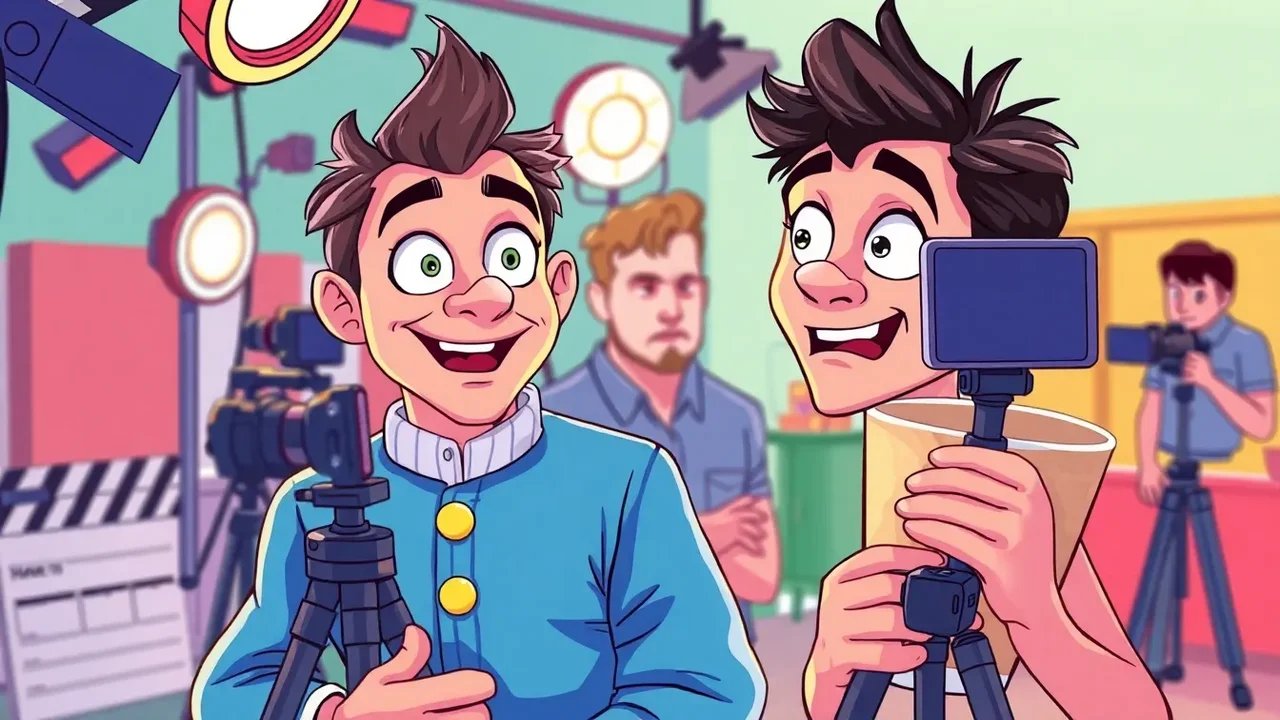
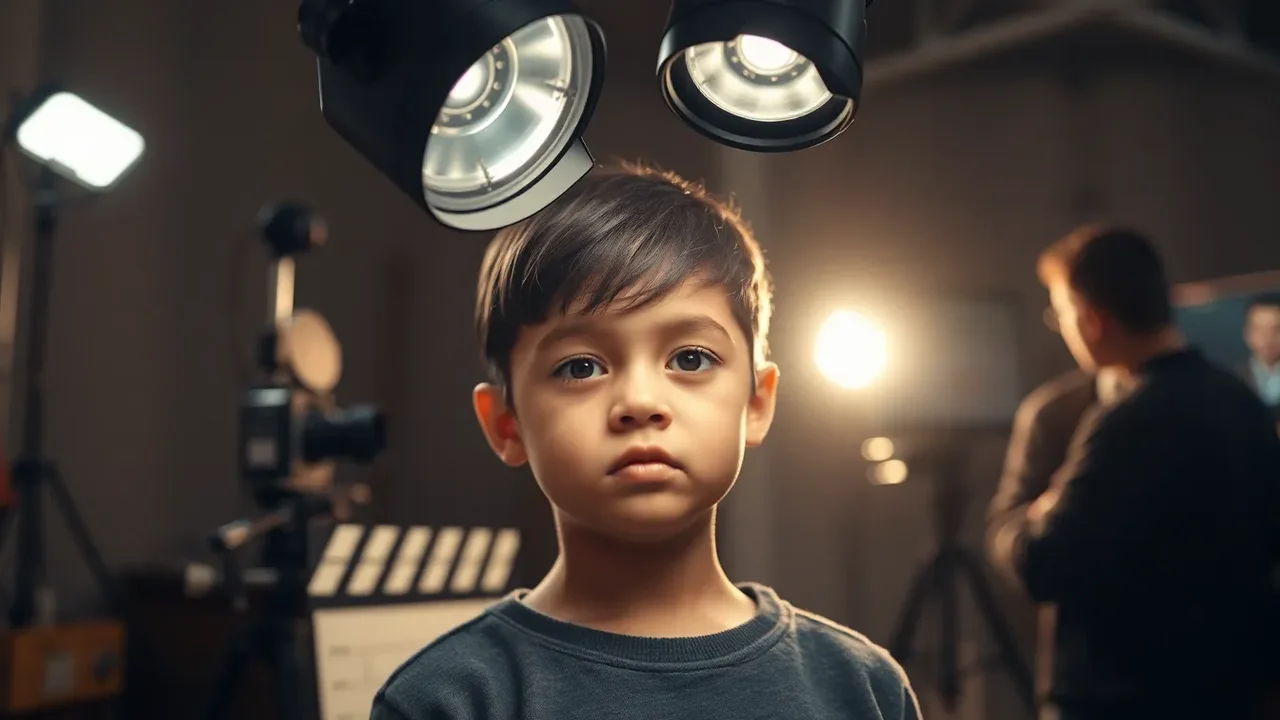
ZOV4 Shorts has become a platform where supporting actors often steal scenes from leads. These short-form videos rely on quick character introductions and memorable beats. Supporting actors bring unique energy, improvisation, and visual distinctiveness. They create viral moments that drive shares and comments. Directors now cast for charisma and reaction ability, not just line delivery. This shift changes how stories are written, shot, and edited. The audience remembers the quirky friend, the stern boss, or the silent guard. Supporting roles become the emotional anchor or comic relief. Their brief appearances leave lasting impressions. This phenomenon deserves detailed study.
Why Shorts Amplify Supporting Performances
Short-form content compresses storytelling into seconds. A lead has little time to establish a full arc. Supporting actors, however, can enter with a strong trait and exit with a punchline. The brevity works in their favor. They do not need complex backstory. A single gesture, a costume choice, or a repeated phrase can define them. The audience fills gaps with imagination. This makes supporting roles highly efficient. They can be exaggerated without breaking believability. In ZOV4 Shorts, the supporting actor often becomes the scene's center of gravity. The lead reacts, and the supporter drives the moment. This dynamic creates memorable clips.
Casting for Charisma Not Just Lines
Casting in ZOV4 Shorts prioritizes presence over pedigree. A supporting actor might have three lines but a face that reads instantly. Casting directors look for expressive eyes, comic timing, and physical comedy skills. They also seek actors who can improvise within a tight framework. The goal is to find someone who can steal a scene without derailing the plot. This requires a delicate balance. The supporter must be bold but not distracting. They must elevate the lead's performance, not overshadow it completely. When done right, the supporting actor becomes a fan favorite. Their character may return in future shorts. This creates a feedback loop where audiences demand more of them.
The Power of Micro-Moments
Micro-moments are brief, wordless beats that carry huge emotional weight. A supporting actor might raise an eyebrow, drop a cup, or hesitate before speaking. These tiny actions become the scene's highlight. In ZOV4 Shorts, editors often freeze on these moments or add a sound effect. The audience replays them. They become GIFs and memes. Supporting actors who master micro-moments can steal scenes without saying a word. They understand that less is more. A slow blink can convey disbelief. A nervous laugh can signal guilt. These details make the character feel real. They also give the lead something to react to. The scene becomes a dialogue of reactions.
Case Study Mira and the Coffee Shop
In a popular ZOV4 Short, the lead orders coffee and complains about her day. Mira, the barista, says only two lines. But her deadpan expression and slow pour of milk steal the entire scene. She rolls her eyes when the lead turns away. She writes a sarcastic name on the cup. The camera lingers on her smirk. Viewers commented more about Mira than the lead. Within days, Mira became a recurring character. Her apron and name tag became iconic. This example shows how a supporting actor can transform a simple setting. The coffee shop became a stage for silent commentary. Mira's performance was not scripted in detail. The actress improvised the eye roll. The director kept it. That choice made the short go viral.
Case Study The Doorman Who Became a Meme
Another ZOV4 Short features a tense office confrontation. The lead argues with a client. A doorman stands in the background. He says nothing. But his facial journey from boredom to alarm to amusement is priceless. The editor cut to him three times. Each cut added comedy. The doorman's final shrug became a meme. People used it to react to chaos. The actor was a non-professional hired for the day. He had no lines. Yet he stole the scene. This case proves that supporting actors do not need dialogue. They need reaction skills. They need to listen with their whole body. The camera will find them if the director knows where to look.
Editing Techniques That Spotlight Supporters
Editors play a crucial role in scene-stealing. They choose when to cut to a supporting actor. They can insert a reaction shot after a lead's line. They can hold on a supporter's face a beat longer. They can use split screens or picture-in-picture. In ZOV4 Shorts, editors often add zoom-ins on a supporter's expression. They might add a record scratch or a comedic sting. These techniques amplify the supporter's impact. They also create rhythm. A well-timed cut to a confused side character can save a flat joke. Editors must resist overusing this. Too many reaction shots dilute the effect. The best edits feel invisible. They guide the audience's eye without shouting. They make the supporter's moment feel earned.
Sound Design and Reaction Shots
Sound design can make or break a supporting actor's scene. A simple sigh, a snort, or a muttered aside can become the funniest part. In ZOV4 Shorts, audio is often recorded separately. Foley artists add footsteps, slurps, and clinks. These sounds draw attention to the supporter's actions. A loud sip from a background character can undercut a dramatic speech. A sudden cough can break tension. Reaction shots paired with sound effects create comedic gold. The supporter does not need to be loud. A whispered comment can be amplified in post. This gives supporting actors a unique power. They can influence the scene's tone without dominating the frame. Directors should collaborate with sound designers early. They should plan which micro-moments will get sonic emphasis.
Writing Supporting Roles with Depth
Writers can intentionally craft supporting roles that steal scenes. They give these characters a distinct voice, a quirk, or a secret. They write lines that are quotable. They create entrances and exits that are memorable. In ZOV4 Shorts, every second counts. A supporting character might have one sentence that reveals a whole personality. For example, a janitor says, I have seen things. That line implies a hidden history. The audience wants more. Writers should avoid making supporters mere props. They should give them agency. They should let them react to the lead's flaws. This makes the lead more relatable. It also creates conflict. A supporter who challenges the lead can become the story's heart. The best ZOV4 Shorts balance lead and supporter arcs.
The Risk of Overpowering the Lead
There is a danger when supporting actors steal too much attention. The lead may become a straight man with no arc. The audience may root for the supporter instead. This can break the intended narrative. In ZOV4 Shorts, this risk is high because of limited screen time. If the supporter is too charismatic, the lead fades. Directors must manage energy. They can give the lead a strong reaction or a counter-quirk. They can balance close-ups. They can adjust the edit to favor the lead at key moments. However, sometimes the audience's preference is a gift. It can lead to spin-offs or sequels. The key is to decide whether the scene-stealing is intentional. If it is accidental, it can confuse the story. If it is intentional, it can become a franchise asset.
Balancing Ensemble Energy
ZOV4 Shorts often feature small ensembles. Balancing energy means ensuring every actor has a moment. The lead should have the main goal. Supporters should have smaller goals. Each goal creates conflict. For example, a supporter might want to leave early. Another might want to impress the lead. These mini-goals create reactions. The director can then choose which reaction to highlight. In editing, the best take might be from a supporter. That is fine if the scene still serves the lead's journey. The ensemble should feel like a team. When supporters shine, the lead should shine brighter through their reactions. This is the art of collaborative scene-stealing. It requires trust and rehearsal. It also requires a clear vision of the scene's purpose.
Practical Tips for Directors
- Cast supporting actors with strong reaction skills and expressive faces.
- Give supporters specific objectives, not just background presence.
- Shoot extra reaction shots for every scene with a supporter.
- Allow improvisation within a tight framework to capture magic.
- Use close-ups sparingly but strategically on supporter micro-moments.
- Collaborate with editors to identify the funniest or most moving take.
- Balance screen time so the lead still drives the narrative.
- Encourage supporters to develop physical quirks and signature props.
- Review dailies with the whole team to spot accidental gold.
- Plan sound design to amplify supporter reactions and asides.
Practical Tips for Supporting Actors
- Listen actively and react truthfully even when you are not speaking.
- Create a backstory for your character, even if it is never shown.
- Find a physical habit or prop that defines your role instantly.
- Use your eyes and breath to convey emotion in close-ups.
- Do not upstage the lead; elevate the scene together.
- Improvise small additions only if they serve the story's tone.
- Stay in character during cuts to maintain continuity.
- Ask the director what the scene needs from your character.
- Watch playback to see how your micro-moments read on camera.
- Build relationships with leads to create natural chemistry.
Audience Psychology and Parasocial Attachment
Audiences form parasocial bonds with supporting actors quickly. A single memorable gesture can make a character feel like a friend. In ZOV4 Shorts, viewers often comment on supporters more than leads. They create fan art, fan fiction, and edit compilations. This attachment is powerful. It drives engagement and loyalty. The supporter becomes a familiar face in a chaotic feed. Viewers return to see them again. This psychology explains why scene-stealing works. The brain remembers novelty and emotion. A supporter who delivers a surprising reaction creates a dopamine hit. The audience wants to repeat that feeling. Directors and writers can leverage this by giving supporters recurring traits. They can build a mini-fandom around a side character. This can extend the life of a short series.
Social Media Impact and Memeability
Memeability is a key factor in ZOV4 Shorts success. A supporting actor's expression can become a reaction image. A line can become a catchphrase. A dance move can become a trend. These elements spread across platforms. They bring new viewers to the original short. Supporting actors often benefit most from this. They may gain followers and brand deals. Their scene-stealing moment becomes their calling card. Producers should track which moments are clipped and shared. They can then create more content around that character. This is not selling out; it is listening to the audience. The best ZOV4 Shorts are designed with shareable supporter moments. They plant seeds for memes without forcing them. Authenticity is essential. Forced memes fail. Organic reactions win.
The Role of Improvisation
Improvisation is a secret weapon for supporting actors. When the script is sparse, actors fill gaps with natural behavior. They might add a sigh, a look, or a small gesture. In ZOV4 Shorts, directors often encourage this. They shoot long takes and let actors play. The editor then selects the best improvised moment. This process requires trust. The lead must be comfortable with surprises. The supporter must stay within the scene's reality. Improvisation can create the most memorable lines. It can also create continuity errors. Directors should record multiple takes and note changes. They should also respect the writer's intent. The goal is not chaos but discovery. When improvisation works, it feels fresh and alive. It makes the scene feel unscripted, which is perfect for short-form authenticity.
Costume and Props as Character Shortcuts
In ZOV4 Shorts, costume and props do heavy lifting. A supporting actor with a bright scarf, a broken watch, or a giant coffee cup becomes instantly recognizable. These items tell the audience who they are without exposition. They also give the actor something to do. A supporter can fidget with a prop during a tense scene. That action adds layers. A costume can signal a character's job, mood, or secret. For example, a lab coat suggests a scientist. A clown nose suggests chaos. Directors should collaborate with costume designers to create visual hooks. These hooks make the supporter stand out in a crowded frame. They also make the character easier to cosplay and meme. This increases fan engagement. Props can also become running gags. A supporter who always carries a plant, for instance, can create a bizarre throughline.
Table Supporting Actor Scene-Stealing Matrix
| Technique | Description | Example | Impact |
|---|---|---|---|
| Reaction Shot | Cut to supporter after lead speaks | Wide-eyed stare | Comedy or tension |
| Micro-Moment | Small wordless action | Slow blink | Memorable GIF |
| Prop Play | Fidgeting with object | Spinning pen | Adds depth |
| Improvised Line | Unscripted comment | Wait, what | Quotable catchphrase |
| Costume Hook | Distinct visual item | Neon hat | Instant recognition |
| Sound Sting | Added audio emphasis | Loud slurp | Undercuts drama |
| Exit Beat | Memorable departure | Backward glance | Leaves wanting more |
| Running Gag | Repeated behavior | Always late | Fan anticipation |
Common Pitfalls in ZOV4 Shorts
Many ZOV4 Shorts fail because they mishandle supporting actors. One pitfall is over-scripting every reaction. This leaves no room for spontaneity. Another is ignoring the supporter in editing. If the best moment is on the cutting room floor, the scene suffers. A third pitfall is casting a supporter who cannot take direction. They may try to upstage the lead aggressively. This creates tension and ruins the ensemble. A fourth pitfall is inconsistent characterization. A supporter who acts differently in each short confuses the audience. A fifth pitfall is relying on the same scene-stealing trick too often. The audience grows tired of the eye roll or the sarcastic sigh. Variety is key. Directors should rotate techniques and give different supporters the spotlight. They should also avoid making every supporter a comic relief. Some can be dramatic, mysterious, or tragic. This variety keeps the series fresh.
Measuring Success Beyond Views
Views are not the only metric for a scene-stealing supporter. Engagement metrics matter more. Comments mentioning the supporter, shares of their clips, and fan edits indicate impact. Watch time on scenes with the supporter can show retention. If viewers replay a moment, that is a strong signal. Producers can track which characters are mentioned in comments. They can also look at follower growth for the actor. A supporter who gains thousands of followers after one short is a valuable asset. This data can inform future casting and writing. It can also justify higher budgets for recurring supporters. Success should be measured by the supporter's ability to enhance the lead's story, not just steal it. When both lead and supporter benefit, the series wins. This holistic view prevents ego clashes and encourages collaboration.
Future Trends in Supporting Roles
The future of ZOV4 Shorts will likely see more intentional scene-stealing. Writers will create roles specifically for charismatic supporters. Directors will use AI tools to analyze which reactions test well. Interactive shorts may let viewers choose which supporter to follow. This could create branching narratives. Supporting actors may become the main draw, with leads rotating around them. We may see spin-off series focused entirely on a supporter. Crossovers between ZOV4 Shorts and other platforms will increase. Augmented reality filters may let fans become the supporter. The line between lead and supporter will blur. This is good for creativity. It means more opportunities for diverse actors. It also means higher expectations. Audiences will demand fresh, authentic moments. The supporters who can deliver will become stars in their own right.
Training and Workshops for Supporting Actors
Supporting actors in ZOV4 Shorts can benefit from specific training. Improv classes build quick thinking. Meisner technique teaches active listening. Clowning and physical theater develop expressive bodies. On-camera workshops help actors understand frame and eyeline. Voice training ensures whispers and asides are audible. Actors should also study editing software. Understanding how cuts work helps them time reactions. They can practice delivering micro-moments in self-tapes. They should learn to take direction quickly. Short shoots have little rehearsal time. Adaptability is crucial. Actors who can adjust their energy on demand will thrive. They should also build a personal brand. A distinctive look or skill can make them memorable. Networking with directors and editors is essential. Many ZOV4 Shorts are cast through social media. A strong reel of scene-stealing moments can open doors.
Collaboration Between Leads and Supporters
Scene-stealing works best when leads and supporters collaborate. The lead should welcome the supporter's energy. They should react genuinely to surprises. This makes the scene feel alive. Supporters should respect the lead's central role. They should not compete for attention. Instead, they should serve the scene's overall goal. Rehearsals can help establish boundaries. Even a five-minute chat before shooting can align intentions. Directors should foster a safe environment. Actors should feel free to try things without fear. When a supporter steals a scene, the lead should celebrate it. That generosity creates trust. It also leads to better performances. In ZOV4 Shorts, the best ensembles are those where everyone wins. The audience can feel that chemistry. It translates into shares, likes, and loyalty. Collaboration is the secret sauce.
The Economics of Scene-Stealing
Scene-stealing has economic implications for ZOV4 Shorts. A breakout supporter can increase a series' value. Brands may want to sponsor content featuring that character. Merchandise with their likeness can sell. The actor may command higher rates for future appearances. Producers can negotiate better deals with platforms. However, there are costs. Recurring supporters require contracts, scheduling, and pay. If a supporter becomes too popular, they may leave for other projects. This can disrupt the series. Producers should plan for growth. They can offer profit-sharing or creative control to retain talent. They can also build a roster of supporting characters so no single loss is fatal. The economics of short-form content are volatile. A viral moment can change everything. Smart producers treat scene-stealing supporters as assets, not accidents. They invest in their development and well-being.
Fan Theories and Character Expansions
Fans love to theorize about supporting characters. In ZOV4 Shorts, a supporter's mysterious past can spark endless speculation. Why does the janitor always carry a wrench? What is in the barista's notebook? These questions drive engagement. Producers can lean into this by dropping subtle clues. They can create companion posts or behind-the-scenes content. They can also let fans vote on a supporter's next action. This interactive approach builds community. It also gives writers ideas. A fan theory might become canon. This rewards loyal viewers. It makes the world feel larger. Supporting actors can contribute by improvising small details that hint at backstory. A tattoo, a photo in a wallet, or a nervous habit can become a plot point. The audience will do the rest. This collaborative storytelling is unique to short-form platforms. It turns supporting actors into co-creators of the narrative.
Directing Non-Verbal Performances
Directing non-verbal performances is a specialized skill. Directors must communicate emotion without dialogue. They can use verbs: you are dismissing, you are fearing, you are savoring. They can adjust the actor's pace, breath, and eyeline. In ZOV4 Shorts, close-ups are frequent. The director must ensure the actor's face tells the story. They should shoot multiple takes of the same micro-moment. They should also give the actor freedom to explore. Sometimes the best non-verbal choice is unexpected. A supporter might laugh when they should cry. That contrast can be powerful. Directors should watch playback with the actor. They can point out what reads on camera. They should also consider the edit. A non-verbal moment might be cut short or extended. The director and editor must collaborate to maximize impact. Non-verbal performances are the heart of scene-stealing in ZOV4 Shorts.
Lighting and Framing for Supporting Actors
Lighting and framing can make or break a supporting actor's scene. A supporter in the background should still be visible. If they are too dark, their reaction is lost. Directors should light the whole set, not just the lead. They can use practical lights to draw the eye. Framing should include the supporter in over-the-shoulder shots. A slightly wider frame allows the supporter to react. In close-ups, the supporter's face should be well-lit. Shadows can add mystery. Color can signal mood. A warm light on the barista might make her seem friendly. A cold light on the doorman might make him seem stern. These choices guide audience attention. They also help the supporter's performance land. In ZOV4 Shorts, vertical framing is common. Directors must place supporters strategically within that narrow frame. They should avoid cutting off heads or important gestures. Good lighting and framing make scene-stealing possible.
Music and Timing
Music and timing are crucial for scene-stealing. A supporter's reaction can be amplified by a musical sting. A comedic pause can be extended with silence. In ZOV4 Shorts, editors often use sound effects and music to heighten moments. A supporter's eye roll might be accompanied by a sad trombone. A dramatic gasp might get a violin swell. These choices are not cheating; they are storytelling. They tell the audience how to feel. They also make the moment more memorable. Timing is about rhythm. The supporter should wait for the right beat. They should not rush their reaction. They should let the lead's line land. Then they can respond. This creates a comedic or dramatic beat. Editors can also manipulate timing in post. They can slow down a reaction or speed it up. They can cut on a specific frame. The best scene-stealing moments are often a collaboration between actor, editor, and composer. Music and timing turn a small gesture into a viral moment.
The Art of the Exit
A supporting actor's exit can steal a scene. How they leave the frame matters. A slow walk, a backward glance, or a slammed door can be iconic. In ZOV4 Shorts, exits are often the final beat. They leave the audience with a lasting impression. Actors should plan their exit carefully. They can add a small action: a wave, a shrug, a dropped item. This gives the editor a strong cut point. Directors should shoot the exit from multiple angles. They can use a wide shot to show the full body. They can use a close-up to capture the face. The exit should feel earned. It should not be abrupt unless intended for comedy. A well-crafted exit can make a supporter the star of the short. It can also set up a sequel. The audience will wonder where that character is going. This curiosity drives engagement. The art of the exit is underrated but powerful.
Recurring Supporting Characters
Recurring supporting characters build loyalty. In ZOV4 Shorts, a supporter who appears in multiple episodes becomes a familiar friend. The audience anticipates their arrival. They notice small changes in their costume or mood. This creates a rich viewing experience. Writers can develop ongoing arcs for these characters. A barista might start a new job. A doorman might get a promotion. These small stories add depth. They also give the actor more to play. Recurring supporters can become the series' backbone. They provide continuity in a chaotic feed. They also allow for callbacks and inside jokes. Fans love to spot references to previous shorts. This rewards attentive viewers. Producers should plan for recurring roles. They should contract actors for multiple episodes. They should also keep track of character details. Consistency is key. A recurring supporter who changes too much feels like a different person. A consistent supporter becomes an icon.
Cross-Promotion and Spin-Offs
Scene-stealing supporters can fuel cross-promotion and spin-offs. A popular supporter from one ZOV4 Short can appear in another series. This crossover event excites fans. It also introduces new audiences to both shows. Spin-offs focused on a supporter can be successful. They allow deeper exploration of a beloved character. However, spin-offs risk losing the magic. The supporter worked because they were a supporting actor. Giving them the lead role changes the dynamic. Producers must be careful. They should keep the character's essential traits. They should also surround them with strong new supporters. Cross-promotion can be subtle. A supporter might wear a shirt from another series. They might mention a character from a different short. These Easter eggs reward loyal viewers. They also build a shared universe. This is the future of ZOV4 Shorts. A connected world where supporting actors move between stories. This increases engagement and longevity.
Ethical Considerations
Scene-stealing raises ethical questions. Should a supporting actor be paid more if their scene goes viral? Should they receive credit for improvised lines? In ZOV4 Shorts, contracts are often informal. This can lead to exploitation. Producers should be fair. They should pay supporters for their work. They should credit them properly. They should not use their likeness without permission. Actors should also be aware of their rights. They should negotiate for residuals or bonuses. Ethical treatment builds trust. It also attracts better talent. A supporter who feels valued will give their best performance. They will promote the short to their followers. This benefits everyone. The industry needs standards. As ZOV4 Shorts grow, so should protections for supporting actors. Scene-stealing should not come at the cost of dignity. Fairness is essential for sustainable creativity.
FAQ - Supporting Actors Steal Scenes in ZOV4 Shorts
Why do supporting actors often steal scenes in ZOV4 Shorts?
Supporting actors in ZOV4 Shorts benefit from brevity. They can enter with a strong trait, deliver a memorable micro-moment, and exit quickly. The audience fills gaps with imagination, making their performances feel larger than life. Their reactions and quirks often become the most shareable part of the short.
How can directors balance a scene-stealing supporter with the lead?
Directors should give the lead a strong reaction or counter-quirk, adjust editing to favor the lead at key moments, and ensure the supporter's actions serve the scene's overall goal. Collaboration and rehearsal help maintain balance while still allowing spontaneous magic.
What techniques help supporting actors steal scenes without dialogue?
Supporting actors can use micro-moments like slow blinks, eyebrow raises, and nervous laughter. They can fidget with props, use expressive body language, and react truthfully to the lead. Sound design and editing can amplify these non-verbal choices into viral moments.
Can scene-stealing supporters become the main draw of a ZOV4 Shorts series?
Yes. Audiences often form parasocial bonds with supporting characters. If a supporter goes viral, they can become a recurring favorite, drive engagement, and even warrant spin-offs. Producers should treat them as valuable assets and plan for their development.
What are common pitfalls when supporting actors steal scenes?
Pitfalls include over-scripting reactions, ignoring the supporter in editing, casting actors who cannot take direction, inconsistent characterization, and relying on the same trick too often. Variety, balance, and clear objectives prevent these issues.
How can supporting actors train for scene-stealing roles in ZOV4 Shorts?
Actors can take improv, Meisner, clowning, and on-camera workshops. They should study editing, practice micro-moments in self-tapes, and learn to take direction quickly. Building a distinctive personal brand and networking on social media also helps.
Supporting actors in ZOV4 Shorts often steal scenes through micro-moments, improvisation, and distinctive reactions. Their brief but memorable performances drive viral engagement, fan attachment, and spin-off potential. Directors balance their energy with leads while editors and sound designers amplify key beats. This phenomenon reshapes casting, writing, and short-form storytelling.
Supporting actors in ZOV4 Shorts have proven that brief appearances can create lasting impact. Through micro-moments, improvisation, distinctive props, and collaborative editing, they often become the heart of a scene. Directors and writers who embrace this dynamic can build loyal audiences, viral memes, and sustainable series. The future of short-form storytelling belongs to those who recognize that every role, no matter how small, can steal the spotlight.