ZOV4 and the Single-Location Thriller
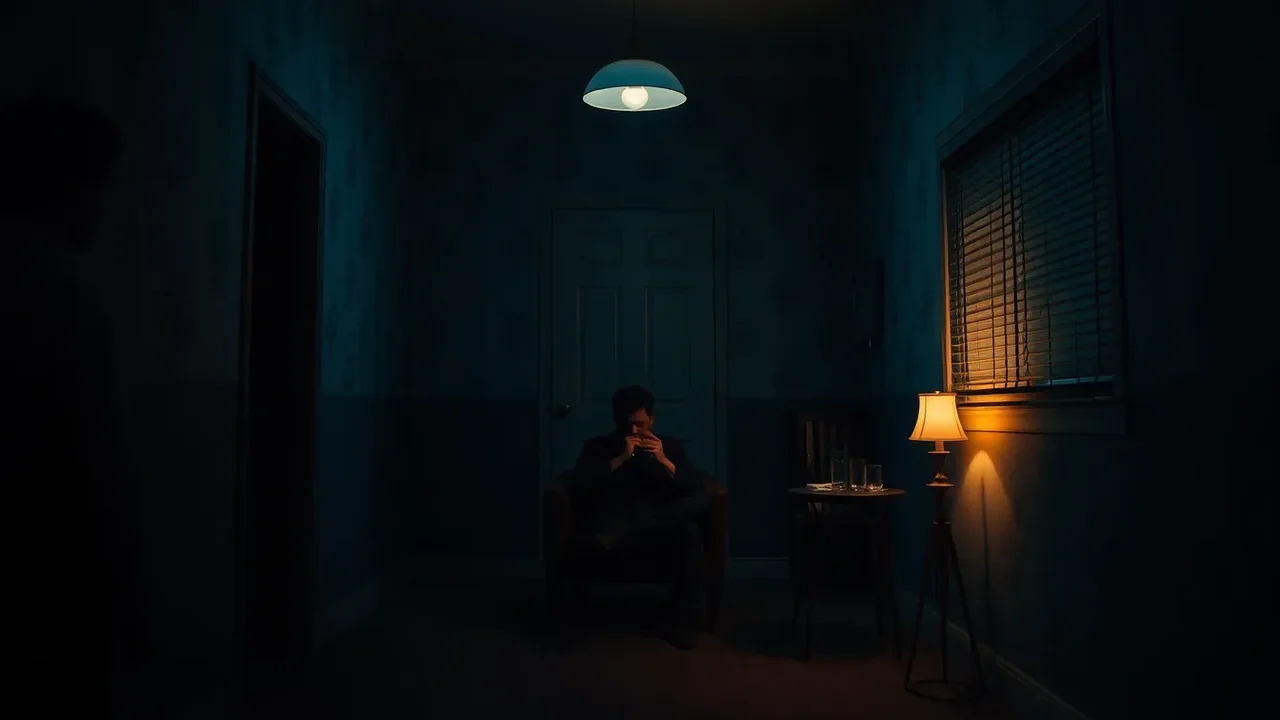
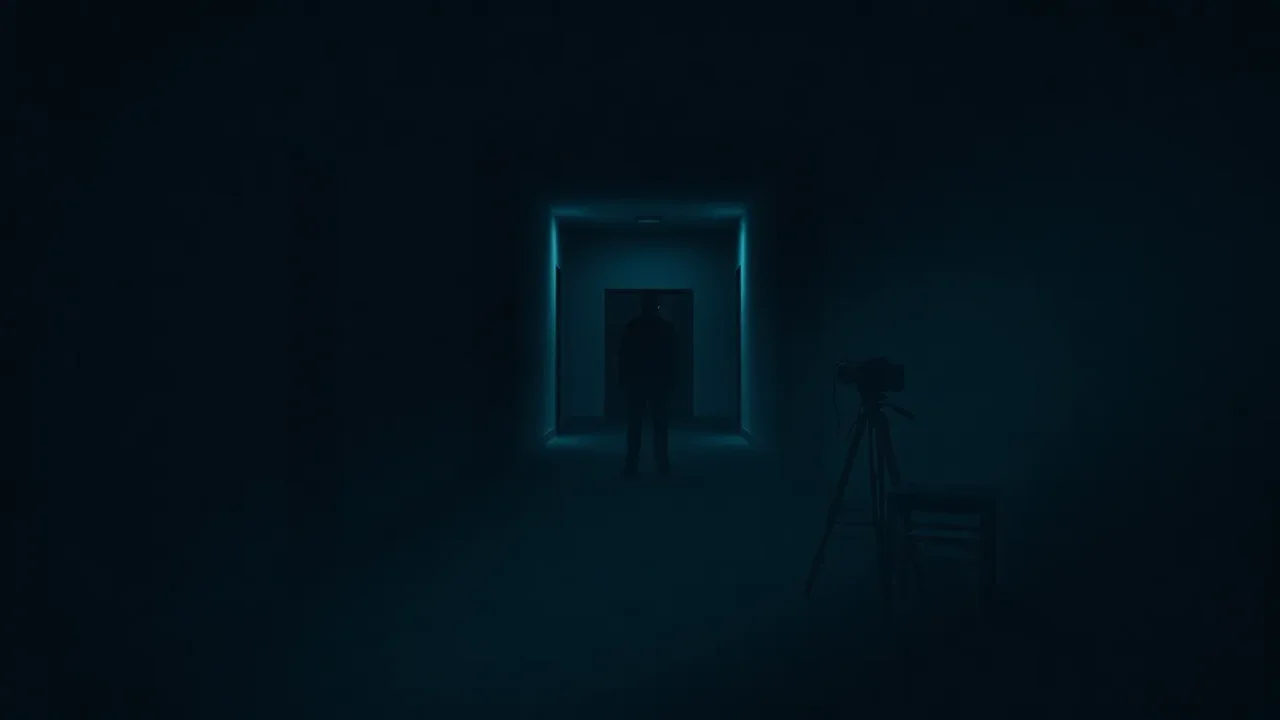
ZOV4 has built a reputation for squeezing maximum tension from minimal space. The shorts often unfold in a single room, a parked car, a basement, or a narrow hallway. Instead of chasing scale, ZOV4 treats the location as a pressure cooker. Every object, shadow, and sound becomes a potential threat. The result is a body of work that feels intimate, claustrophobic, and surprisingly cinematic. This review examines why the one-location thriller format works so well for ZOV4, and what other filmmakers can learn from the approach. It also considers the limitations of the style and the moments where the constraint becomes visible.
What Defines a One-Location Thriller?
A one-location thriller restricts its action to a single physical setting. That setting might be a living room, a warehouse, a phone booth, or an elevator. The genre relies on character conflict, dialogue, off-screen sound, and camera movement to sustain momentum. ZOV4 understands that limitation is not a weakness but a narrative engine. By refusing to cut away to new places, the filmmaker forces the audience to share the characters' confinement. The walls become emotional boundaries. The clock on the wall becomes a countdown. The smallest gesture can escalate into a crisis because there is nowhere else to look.
Why Constraint Works for ZOV4
ZOV4 uses the single location as a stage for psychological pressure. The camera rarely leaves the room, so the audience notices details that would otherwise be ignored. A trembling hand, a flickering light, a half-open door, a stain on the carpet. These details accumulate meaning. The filmmaker also avoids the temptation to over-explain. Instead, ZOV4 lets the space tell the story. A locked window suggests escape is impossible. A ringing phone suggests an unseen threat. A single chair suggests interrogation. The result is a thriller that feels both theatrical and intensely visual.
Narrative Techniques in ZOV4's Shorts
ZOV4's scripts often begin with a simple premise. A man waits for a package. A woman receives a threatening call. A couple argues about a noise in the basement. From that premise, the story escalates through revelation and reversal. The single location means every new piece of information changes the meaning of the room. A character who seemed safe becomes dangerous. An object that seemed ordinary becomes a weapon. ZOV4 also uses time pressure. A bomb timer, a deadline, a dying phone battery, or an approaching intruder keeps the audience oriented. The shorts rarely exceed twenty minutes, so every scene must justify its existence.
Dialogue and Silence
Dialogue in ZOV4's work is sparse but loaded. Characters speak in short, defensive bursts. They interrupt, lie, and deflect. Silence does as much work as speech. A long pause before an answer can reveal guilt. A sudden noise can break a tense quiet and make the audience jump. ZOV4 often uses silence to force attention onto body language. A character's posture, eye movement, and breathing become the primary text. This approach demands strong performances. When it works, the audience feels trapped inside the character's mind. When it fails, the silence can feel like empty space rather than suspense.
Off-Screen Space and Sound Design
Because the camera cannot show everything, ZOV4 makes the unseen world vivid through sound. Footsteps in the hallway, a car door outside, a muffled argument through a wall, a phone vibrating on a table. These sounds expand the location without breaking its unity. The audience imagines what is beyond the frame. That imagination is often scarier than any visible monster. ZOV4 also uses sound to misdirect. A loud crash might be a cat. A gentle knock might be a killer. The sound design is precise, layered, and mixed to prioritize clarity over spectacle. In a one-location thriller, audio is not decoration. It is architecture.
Visual Language and Camera Work
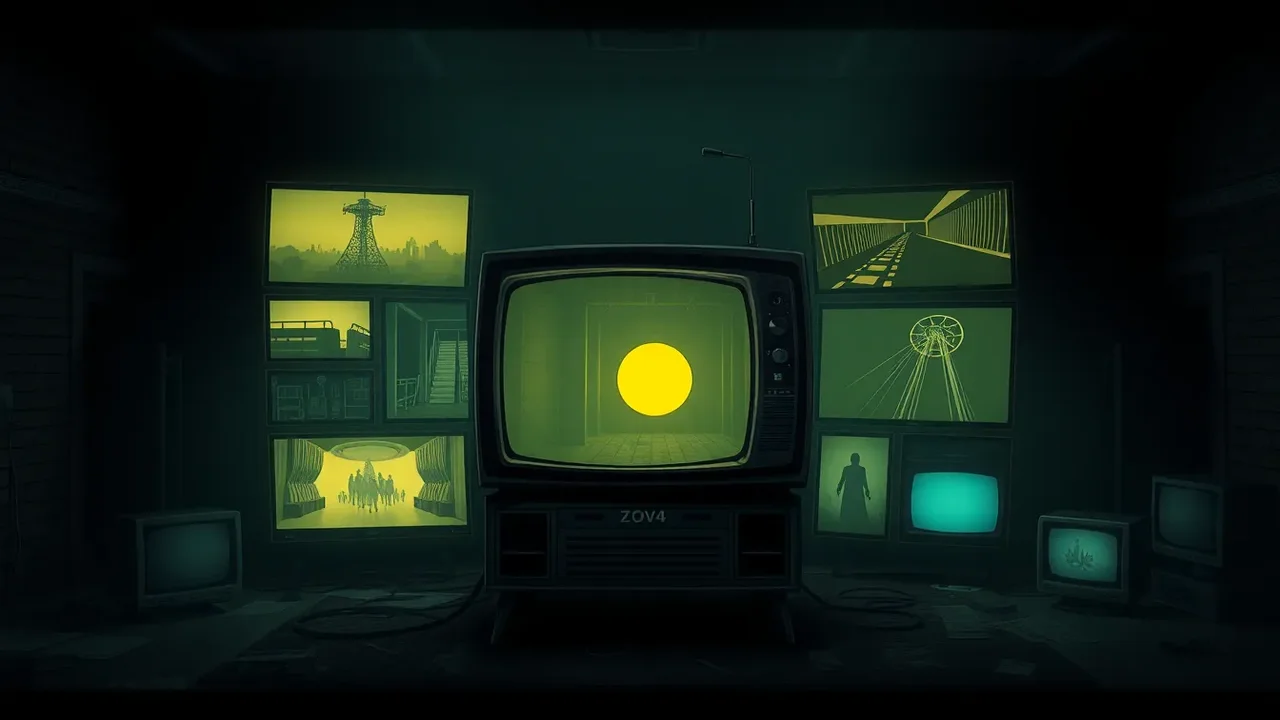
ZOV4's camera work is patient but purposeful. The lens often stays close to faces, creating a sense of intimacy and unease. Wide shots establish the geography of the room and then trap the characters inside it. Slow zooms tighten the noose. Handheld shots appear only when the situation becomes chaotic. The lighting is usually motivated by practical sources: a desk lamp, a television, a phone screen, a flickering fluorescent tube. Shadows carve the space into safe and unsafe zones. ZOV4 rarely uses flashy transitions. Instead, the camera moves when the story demands it, not to show off. This discipline keeps the audience focused on the characters.
Examples and Case Studies
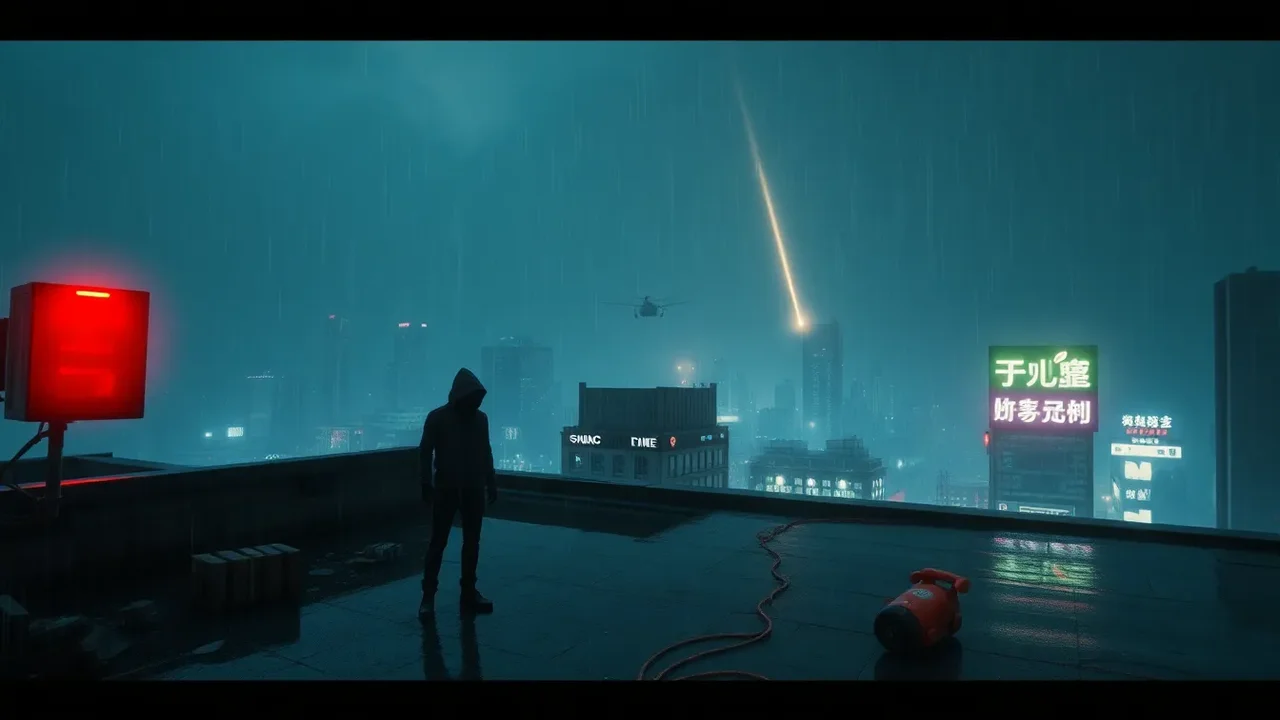
ZOV4's catalog includes several shorts that demonstrate the one-location approach. In one, a man is trapped in a storage unit while someone tries to break in. In another, two strangers share a hospital waiting room and slowly realize they are connected to the same crime. A third short takes place entirely in a car during a rainstorm, with the driver receiving instructions from a mysterious caller. Each story uses the location differently. The storage unit emphasizes physical confinement. The waiting room emphasizes social tension. The car emphasizes isolation and motion without movement. Together, they show the range of the format.
| Short | Location | Core Tension |
| Storage Unit | Locked metal room | Intruder and limited oxygen |
| Waiting Room | Hospital lounge | Shared guilt and mistaken identity |
| Rain Car | Parked sedan | Remote caller and hidden past |
| Basement Call | Home basement | Family secret and power outage |
| Elevator Stop | Stuck elevator | Claustrophobia and betrayal |
| Motel Room | Cheap motel | Witness protection and ambush |
| Server Room | Data center | Sabotage and corporate espionage |
| Dressing Room | Theater backstage | Jealousy and a missing prop |
| Laundry Room | Apartment basement | Neighborly suspicion and a locked door |
| Parking Garage | Concrete level | Car trouble and a silent pursuer |
Performance and Character
In a one-location thriller, the actors carry the story. ZOV4 casts performers who can communicate fear, anger, and calculation with minimal dialogue. The shorts often feature two or three characters, allowing the audience to track alliances and betrayals. A character's physical position in the room matters. Standing near the door suggests a desire to escape. Sitting in the corner suggests defeat. Moving toward another character suggests aggression or intimacy. ZOV4 directs performances that are naturalistic but heightened. The actors must react to sounds and objects as if they are real threats. When the performances are strong, the room feels alive.
Editing and Pacing
ZOV4 edits with restraint. The average shot length is longer than in many modern thrillers. This allows tension to build without constant cutting. When a cut does arrive, it lands with impact. A sudden close-up of a shaking hand or a knife can feel like a punch. The pacing follows a rhythm of calm, disturbance, escalation, and release. The calm establishes normalcy. The disturbance introduces the threat. The escalation raises stakes through discovery and confrontation. The release provides a twist or a final scare. ZOV4 rarely wastes time on filler. Every scene either reveals character, advances the plot, or tightens the noose.
Strengths of the One-Location Format
- Budget efficiency: A single location reduces set costs, travel, and scheduling complexity. ZOV4 can shoot faster and spend more time on performance and sound. This efficiency does not automatically make the film good, but it removes logistical noise that often distracts from story.
- Intimacy: The audience shares the characters' space. That closeness creates empathy and dread. When a character cannot leave, the viewer feels the same trapped sensation. The emotional connection is stronger than in a sprawling chase scene.
- Focus: With fewer variables, the filmmaker can control lighting, props, and blocking. Every element can be curated. A single lamp can become a symbol. A single chair can become a throne or a trap. The audience notices because there is less to distract them.
- Sound design: Off-screen sound becomes a co-star. ZOV4 uses audio to suggest a larger world without showing it. This technique is cost-effective and psychologically potent. The audience's imagination fills the gaps with personalized fear.
- Performance showcase: Actors get long, uninterrupted takes. They can build a character arc within a confined space. The result can feel like a stage play captured with cinematic precision. For emerging actors, these roles are often more demanding and rewarding than background work.
- Twist potential: A single location makes reveals more powerful. When the truth is exposed, it changes the meaning of everything the audience has seen. The room itself becomes a clue. A hidden door, a missing key, or a changed object can reframe the entire story.
- Genre purity: One-location thrillers strip away subplots and spectacle. They focus on fear, suspicion, and survival. Fans of suspense appreciate the purity. There is no escape into a car chase or a shootout. The threat must be resolved in the room.
- Replay value: Because the setting is limited, viewers can rewatch and notice details they missed. A shadow in the corner, a line of dialogue, a prop that changes position. These details reward close attention and encourage discussion online.
- Theatrical roots: The format connects to stage plays and radio dramas. ZOV4 draws on that tradition while using film techniques like close-ups and sound mixing. The blend feels both classical and modern.
- Accessibility: Aspiring filmmakers can replicate the format with minimal resources. ZOV4's work serves as a proof of concept. A room, a camera, a microphone, and a strong script can produce a compelling thriller. The barrier to entry is lower than for sci-fi or action.
Limitations and Risks
The one-location format also has risks. If the script lacks escalation, the film can feel static. If the performances are weak, the audience notices every flaw. If the lighting is flat, the room looks like a stage rather than a world. ZOV4 sometimes struggles with pacing in the middle act. A revelation may arrive too late, or a conversation may repeat information. The camera can also become too restless, trying to compensate for the lack of locations. When the camera moves without purpose, it breaks the tension. Finally, the twist ending can feel gimmicky if it is not seeded earlier. A good one-location thriller earns its surprises through careful setup.
Practical Lessons for Filmmakers
ZOV4's approach offers practical lessons. First, choose a location that has natural obstacles. A room with two doors, a broken window, or a single exit creates immediate tension. Second, map the space before shooting. Know where characters stand, where the camera can go, and where light comes from. Third, write for sound. Include off-screen noises that can be recorded later. Fourth, rehearse with actors until blocking feels natural. Fifth, shoot coverage but do not over-edit. Let moments breathe. Sixth, use props that can change meaning. A phone, a key, a knife, or a photograph can carry the story. Seventh, test the twist with fresh eyes. If it does not surprise but also make sense, revise it.
Audience Reception and Genre Context
ZOV4's one-location thrillers have found an audience among fans of short-form suspense. Viewers praise the economical storytelling and the strong sound design. Critics note that the shorts sometimes feel like exercises rather than fully realized films. That criticism is fair but incomplete. The format is not a limitation to overcome. It is a deliberate choice that highlights craft. In a media landscape filled with bloated running times and endless CGI, ZOV4's shorts feel refreshing. They remind us that fear does not require a huge budget. It requires a clear threat, a trapped character, and a camera that knows where to look. The best entries in ZOV4's catalog achieve that balance.
Where ZOV4 Goes Next
ZOV4 could continue to refine the one-location thriller or expand into new territory. A feature-length version would need more variation, perhaps by moving between two locations or using flashbacks. A series of connected shorts could build a larger mythology. ZOV4 might also experiment with interactive elements, letting the audience choose what the character does next. Whatever the next step, the core strengths should remain. Strong sound design, disciplined camera work, and performances that feel lived-in. The one-location format is not a cage. It is a laboratory for suspense. ZOV4 has proven that with the right script and the right team, a single room can contain a universe of fear.
Final Assessment
ZOV4's one-location thrillers work because they understand the audience's psychology. We fear what we cannot see, what we cannot escape, and what we cannot control. A single room amplifies all three. ZOV4 uses that amplification with skill. The shorts are not perfect. Some drag, some twists land harder than others, and some performances outshine the material. But the overall body of work is impressive. It demonstrates that constraint can be a creative gift. For filmmakers, ZOV4 offers a blueprint. For viewers, the shorts offer a tense, compact, and memorable experience. If you enjoy thrillers that rely on atmosphere over spectacle, ZOV4's one-location work is worth your time.
FAQ - Short Review: ZOV4's One-Location Thriller Works
What is a one-location thriller?
A one-location thriller is a film or short that takes place entirely in a single setting, such as a room, car, or basement. It relies on dialogue, sound, and character conflict to create suspense instead of multiple locations.
Why does ZOV4 use only one location?
ZOV4 uses a single location to create claustrophobia, focus attention on performance and sound, and reduce production costs. The constraint forces creative storytelling and makes every detail in the room meaningful.
What are the strengths of ZOV4's one-location shorts?
The main strengths include strong sound design, intimate performances, efficient pacing, and effective use of off-screen space. The format also rewards close viewing and makes twists more impactful.
What are the weaknesses of the one-location format?
The format can feel static if the script lacks escalation. Weak performances or flat lighting become more obvious. The camera may also become restless trying to compensate for the lack of new locations.
Can new filmmakers learn from ZOV4's approach?
Yes. ZOV4's work shows that a compelling thriller can be made with minimal resources. Key lessons include mapping the space, writing for sound, rehearsing blocking, and using props to carry narrative meaning.
Where can I watch ZOV4's one-location thrillers?
ZOV4's shorts are typically available on online video platforms and film festival channels. Check the official ZOV4 page or social media for current streaming links and release announcements.
ZOV4's one-location thrillers use confined spaces, strong sound design, and tense performances to create suspense on a minimal budget. The shorts show how limitation can fuel creativity, though pacing and twists vary. A smart, claustrophobic study in economical storytelling.
ZOV4's one-location thrillers prove that a single room can be as terrifying as any sprawling landscape. By mastering sound, performance, and visual restraint, ZOV4 turns limitation into tension. The shorts are not flawless, but they are inventive, efficient, and psychologically sharp. For fans of suspense and aspiring filmmakers alike, these works offer a valuable lesson: fear does not need space. It needs pressure, and ZOV4 knows exactly how to apply it.