The Architecture of Silence in ZOV4
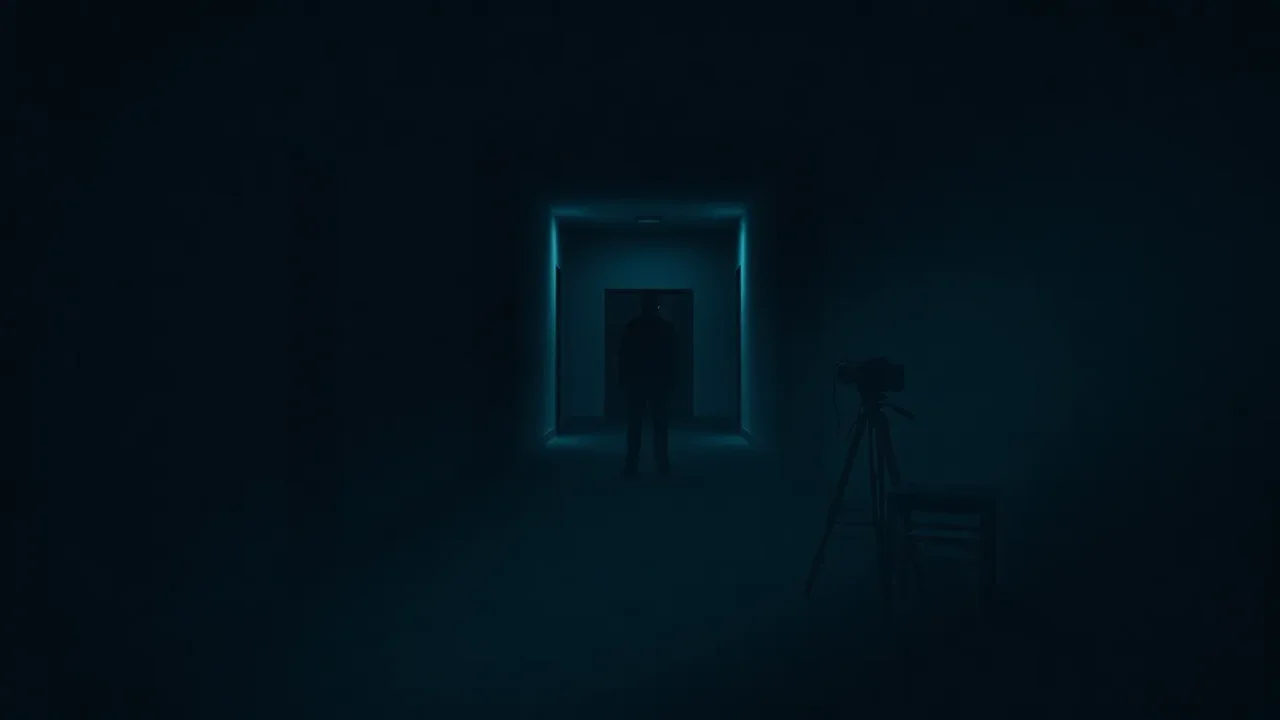
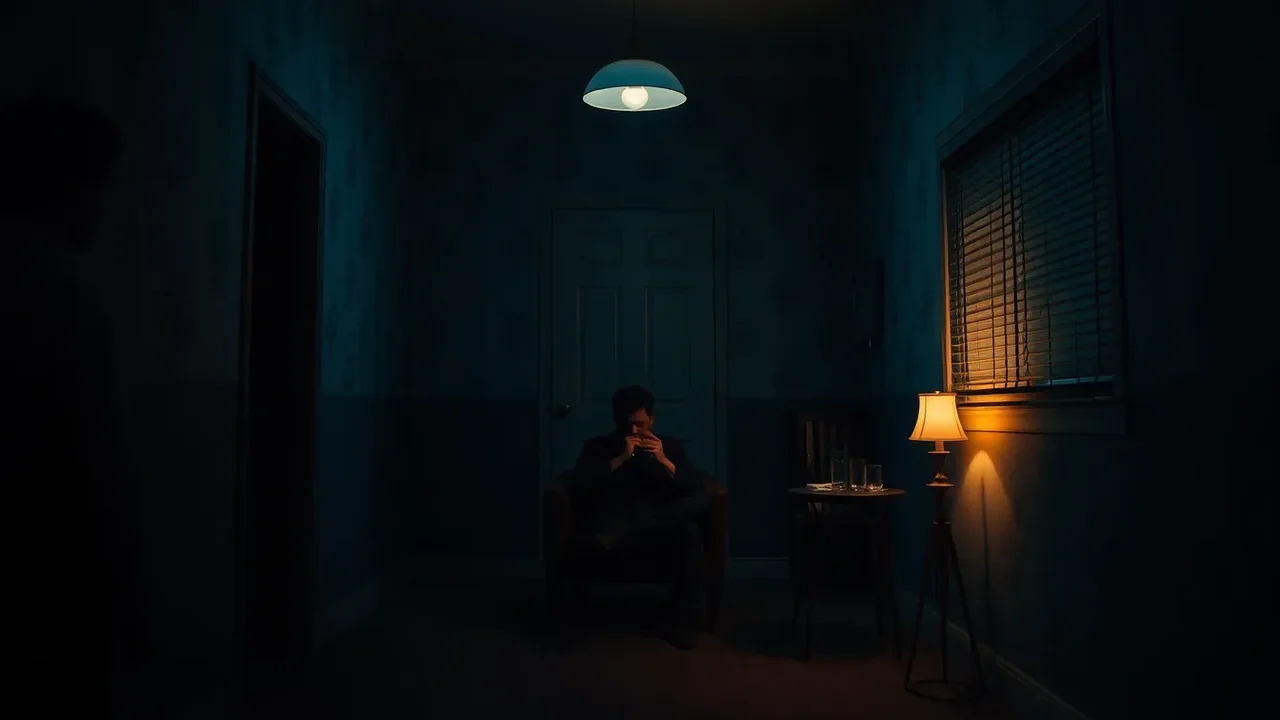
ZOV4 opens with a room that refuses to speak. The camera holds on a chair, a window, and dust. No score tells us how to feel. That absence becomes the first pressure. We lean in because nothing else is offered. The film trusts silence as a character. It does not fill every gap with dialogue or music. Instead, it lets the air sit. That choice makes ordinary objects feel dangerous. A clock tick becomes a threat. A breath becomes a confession. The silence is not empty. It is loaded with expectation. ZOV4 builds tension by making us wait inside the quiet.
Sound Design as Negative Space
Sound in ZOV4 is defined by what it withholds. The mix strips away room tone until a single footstep feels like a gunshot. When a refrigerator hum returns, it arrives as a relief and a warning. The filmmakers use silence as a canvas for micro sounds. A fingernail taps wood. A zipper pulls. A distant car passes. Each noise gains unnatural weight because it is isolated. This technique is not mere quietness. It is negative space. The absence of expected sound creates a vacuum. Our brains rush to fill it with dread. ZOV4 understands that tension lives in the gap between what we hear and what we fear.
Visual Silence and Framing
ZOV4 uses visual silence as deliberately as audio silence. Long static shots frame empty doorways, unoccupied chairs, and blank walls. The composition leaves large areas of negative space. Characters are often pushed to the edge of the frame. This imbalance makes us scan the image for missing information. A dark corner becomes a potential threat. A closed door becomes a question. The camera refuses to cut away. It holds until the stillness becomes uncomfortable. That discomfort is the point. ZOV4 builds tension by making the viewer wait for something to enter the frame. When nothing does, the anticipation grows louder than any jump scare.
Pacing and the Weight of Waiting
Pacing in ZOV4 is slow, but not sluggish. The film understands that tension is a rhythm of withholding and release. It stretches moments of silence until they almost break. Then it offers a small sound or a slight movement. That release is never complete. It only resets the clock. A character reaches for a doorknob. The film cuts to a hallway. We wait. We hear nothing. Then a floorboard creaks. The pacing trains us to expect danger in every pause. ZOV4 does not rush to explain. It lets silence do the narrative work. The result is a viewing experience that feels like holding your breath for ninety minutes.
Performance in the Absence of Dialogue
The actors in ZOV4 carry tension through micro expressions and stillness. A blink lasts a fraction too long. A jaw tightens. Eyes dart toward off-screen space. Because there is little dialogue, every gesture becomes a line. A hand tremor speaks volumes. A slow exhale becomes a monologue. The performers resist the urge to fill silence with busyness. They trust the camera to capture subtle shifts. This restraint makes the characters feel isolated and watchful. We project our own fears onto their quiet faces. ZOV4 builds tension by letting us study them. In that study, we become complicit in the dread.
Editing Rhythms and Cut Points
Editing in ZOV4 often cuts on silence rather than sound. A shot ends just before a character speaks. The next shot begins after the moment has passed. This creates gaps in the narrative that we must bridge. The film also uses hard cuts from quiet interiors to quiet exteriors. The lack of auditory transition is disorienting. We cannot settle into a new space. Every cut feels like a held breath. Sometimes the edit holds a shot for an extra beat after the action stops. That extra beat is where tension lives. ZOV4 understands that the cut itself can be a silence. It is a punctuation mark made of absence.
Table of Tension Techniques
| Technique | How ZOV4 Uses It | Tension Result |
|---|---|---|
| Extended pauses | Holds shots after dialogue ends | Forces viewer to anticipate |
| Negative space | Frames empty rooms and dark corners | Makes viewer scan for threats |
| Micro sounds | Isolates footsteps, taps, and breaths | Amplifies ordinary noises |
| Slow pacing | Stretches time between events | Creates a breathless rhythm |
| Off-screen sound | Suggests action outside the frame | Triggers imagination and fear |
| Silent cuts | Transitions without audio bridges | Disorients and unsettles |
Examples of Silent Sequences
One early sequence in ZOV4 shows a character walking through a narrow corridor. There is no music. No dialogue. Only the sound of shoes on concrete. The camera follows from behind. The corridor seems to lengthen. Then the footsteps stop. The character stands still. We hear nothing for twelve seconds. That silence is not empty. It is a question. Is someone behind them? Is the door ahead locked? The film does not answer immediately. When a phone vibrates, the sound is almost violent. This sequence demonstrates how ZOV4 builds tension by removing the usual audio cues. It makes the audience create the threat. That created threat is often more frightening than anything the film could show.
List of Micro-Silences
- Silence before a door opens amplifies the unknown.
- Silence after a scream lets the echo fade into dread.
- Silence during a close-up forces us to read the face.
- Silence between two characters makes the unspoken word loud.
- Silence in a wide shot makes the environment feel predatory.
- Silence before a cut makes the next image feel like a shock.
- Silence after a cut makes us wonder what we missed.
Practical Lessons for Filmmakers
ZOV4 offers practical lessons for anyone who wants to build tension. First, do not fear empty tracks. Silence can be more powerful than a full orchestra. Second, record clean room tone and then remove it selectively. The absence of background noise can make a space feel unnatural. Third, use silence to contrast with sudden sounds. A quiet scene makes a loud moment hit harder. Fourth, let actors pause. Do not cut away from a face just because nothing is being said. Fifth, use negative space in your framing. Leave parts of the image empty and let the viewer fill them. Sixth, time your cuts to silence. A cut that lands in a quiet moment can feel like a blow. These lessons are not rules. They are tools. ZOV4 uses them with precision.
The Role of Ambient Sound
Ambient sound in ZOV4 is not background. It is a character. The film uses low drones, distant traffic, and wind to create a bed of unease. But it also removes that bed at key moments. When the ambient sound drops out, the silence becomes physical. We feel the pressure in our ears. This technique is sometimes called the drop. It is effective because our brains are wired to notice changes in sound. A sudden absence is as startling as a sudden noise. ZOV4 uses ambient sound to establish a baseline of normality. Then it pulls the baseline away. The result is a world that feels unstable. We cannot trust the quiet because we know it can vanish.
Silence and Character Psychology
ZOV4 uses silence to externalize internal states. When a character is traumatized, the world around them goes quiet. When they are lying, the conversation stops. When they are afraid, the soundtrack disappears. This approach makes silence subjective. We are not just hearing a quiet room. We are hearing the character's mind. That psychological use of silence deepens tension because it makes the threat internal. We cannot escape the quiet by leaving the room. The quiet is inside the character. ZOV4 builds tension by making us share that interior space. We feel the pressure of unspoken thoughts. We wait for the silence to break. When it finally does, the release is never clean.
Silence and Space
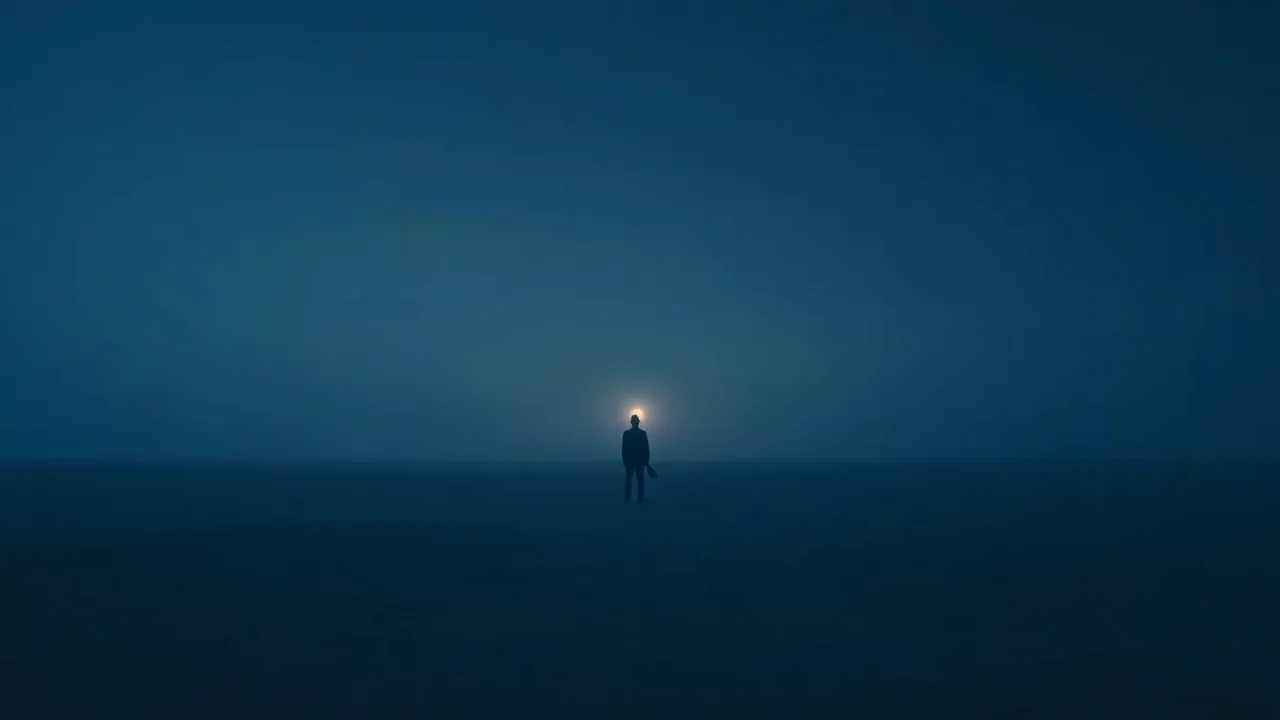
Space in ZOV4 is often empty and threatening. The film favors large rooms with high ceilings and small corridors with low ceilings. Both extremes create tension. In a large room, silence makes the character feel small. In a small corridor, silence makes the character feel trapped. The camera uses wide lenses to exaggerate the space. It uses long takes to let the space breathe. The silence fills every corner. We start to imagine what might be hiding there. ZOV4 builds tension by making the environment itself feel alive. The space is not a backdrop. It is a participant. It waits with us. It watches with us. It refuses to offer comfort.
Silence and Time
Time in ZOV4 is manipulated through silence. A few seconds can feel like minutes. A minute can feel like an hour. The film stretches time by holding shots and removing sound. It compresses time by cutting quickly after a silence. This manipulation makes the audience lose their temporal footing. We cannot predict when the next event will occur. That unpredictability is a source of tension. ZOV4 uses silence to make time feel heavy. Every second of quiet adds weight. We become hyperaware of our own breathing. We notice the slight hum of the projector. We become part of the silence. The film uses that awareness to tighten the screws.
Silence and Violence
Violence in ZOV4 is often preceded by silence. The film does not use music to warn us. It uses quiet. A character enters a room. The sound drops. We know something is wrong. The violence, when it comes, is quick and brutal. But the silence before it is what we remember. It is the calm that precedes the storm. ZOV4 also uses silence after violence. There is no score to tell us how to feel. We are left with the aftermath and the quiet. That quiet is more disturbing than the act itself. It forces us to sit with the consequences. ZOV4 builds tension by making violence feel inevitable and then making the silence after it feel eternal.
Silence and Revelation
Revelations in ZOV4 are often delivered in silence. A character sees something. The camera holds on their face. There is no dialogue. No music. Just the slow realization. The silence gives the revelation room to land. It also gives the audience time to piece together the clues. When the truth is finally spoken, it almost feels redundant. The silence has already told us. ZOV4 uses this technique to make reveals feel earned. It does not rely on a sudden sting. It relies on the weight of quiet understanding. That weight is heavier than any jump scare. It stays with us after the film ends.
Silence and Music
Music in ZOV4 is sparse and strategic. When it appears, it often feels intrusive. That is intentional. The film establishes silence as the norm. So when a score finally enters, it disrupts us. We become suspicious of the music. Is it telling us how to feel? Is it hiding something? ZOV4 uses music as a contrast, not a crutch. It also uses silence where other films would use a swelling orchestra. The result is a soundtrack that feels unpredictable. We cannot relax when the music plays because we know it will soon stop. The silence that follows is even more tense. ZOV4 builds tension by making us wait for the music to end.
Silence and Color
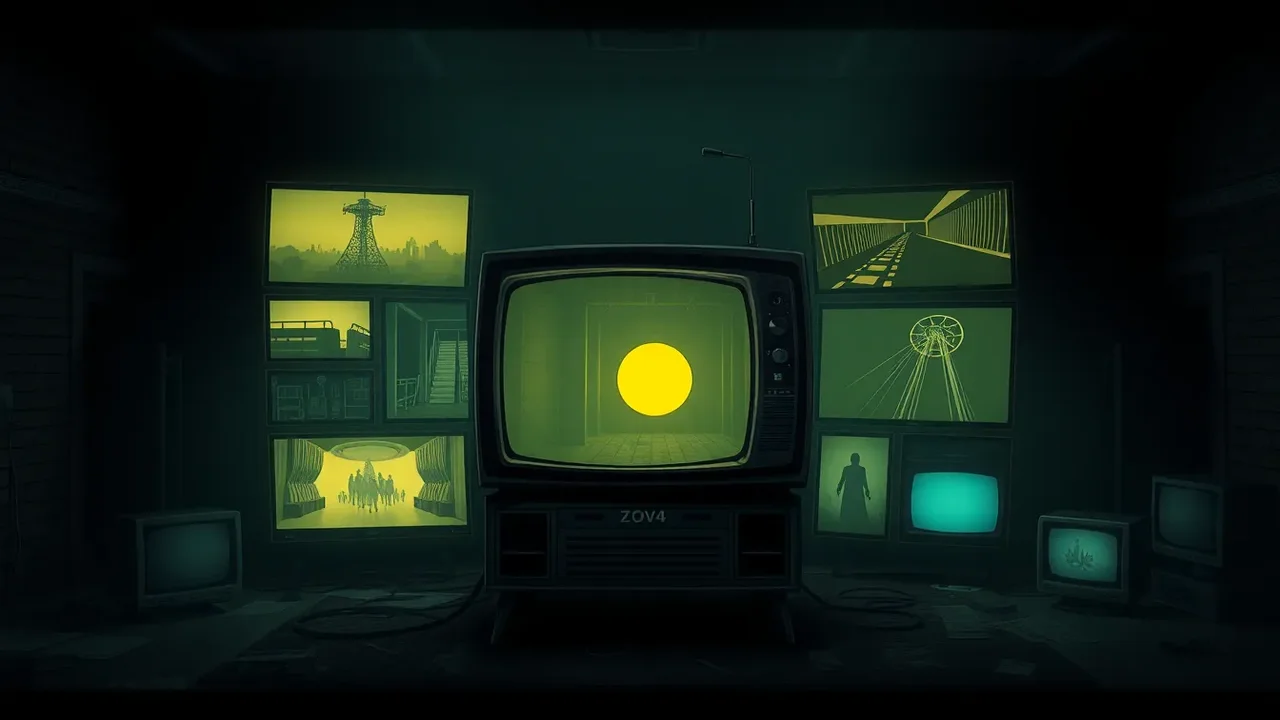
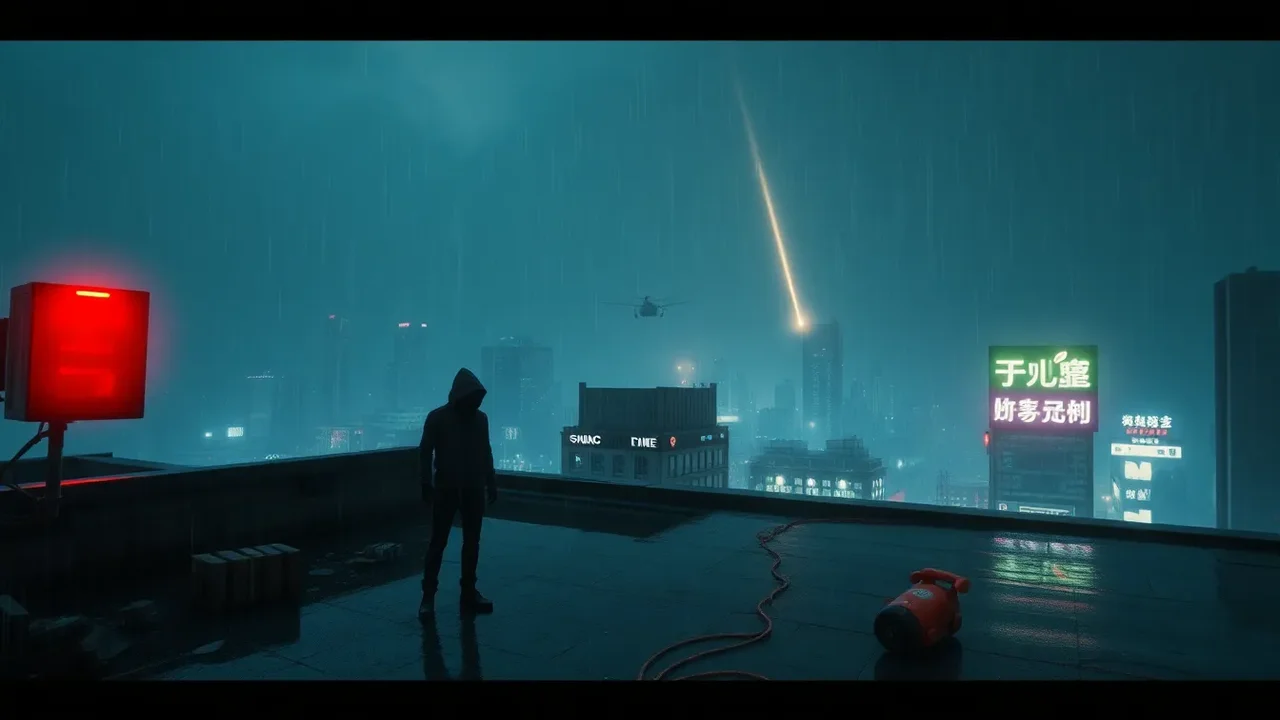
Color in ZOV4 is muted and cold. The palette is dominated by grays, blues, and sickly greens. This visual silence complements the audio silence. The lack of vibrant color makes the world feel drained. It also makes any flash of red feel like an alarm. The film uses color to guide our attention without sound. A red door in a gray hallway becomes a focal point. We stare at it. We wait for it to open. The silence around it makes it feel dangerous. ZOV4 builds tension by combining visual and auditory restraint. The two silences reinforce each other. The result is a world that feels suffocating and watchful.
Silence and Camera Movement
Camera movement in ZOV4 is slow and deliberate. The camera often creeps forward or pans slowly across a room. These movements mimic the act of searching. They also create a sense of inevitability. We know the camera will eventually reveal something. The silence makes the movement feel louder. We hear the slight whir of the lens. We hear our own heartbeat. When the camera stops, the silence becomes absolute. That stillness is a kind of violence. ZOV4 uses camera movement to build tension by making us complicit in the search. We are not just watching. We are looking for the threat. The silence makes us responsible for what we find.
Silence and Off-Screen Space
Off-screen space in ZOV4 is a source of constant tension. The film often frames characters so that the edges of the screen are empty. We know something could enter at any moment. The silence makes that possibility feel immediate. A sound from off-screen becomes a major event. A door closing. A footstep. A whisper. Because we cannot see the source, our imagination fills the gap. ZOV4 understands that the most frightening monster is the one we cannot see. Silence is the tool that keeps it hidden. It builds tension by refusing to show us everything. It lets the off-screen space remain a void. And voids are terrifying.
Silence and Dialogue
Dialogue in ZOV4 is minimal and fragmented. Characters often speak in short sentences. They interrupt themselves. They trail off. The silences between lines are as important as the lines themselves. A long pause after a question can be more revealing than an answer. The film uses silence to show power dynamics. Whoever speaks first in a silent scene often loses. Whoever stays quiet often controls the room. ZOV4 builds tension by making conversation feel like a minefield. Every pause could be a trap. Every silence could be a lie. We listen carefully, not just to the words, but to the absence of words.
Silence and Genre
ZOV4 blends elements of horror, thriller, and drama. Silence is the thread that holds these genres together. In horror, silence precedes the scare. In thriller, silence builds suspense. In drama, silence reveals emotion. ZOV4 uses silence to move between these modes without warning. We are never sure what kind of scene we are in. That uncertainty is a source of tension. The film refuses to signal its intentions with music or dialogue. It lets the silence keep us guessing. ZOV4 builds tension by making genre itself unstable. We cannot prepare for what comes next because the silence gives nothing away.
Silence and Audience Complicity
ZOV4 makes the audience complicit in its tension. When the film goes quiet, we lean in. We hold our breath. We stop moving. We become part of the silence. The film uses that complicity to tighten its grip. We are not passive viewers. We are participants in the waiting. Every time we flinch at a small sound, we are rewarding the film's restraint. Every time we imagine a threat, we are writing the horror ourselves. ZOV4 builds tension by trusting us to do the work. It gives us silence and lets us fill it with our own fears. That is why the tension feels so personal.
Silence and Replay Value
ZOV4 rewards repeated viewings because its silence changes on second watch. The first time, we are tense because we do not know what will happen. The second time, we are tense because we know exactly what will happen. The silence becomes filled with memory. We hear the absence of a sound that we know is coming. We notice new details in the quiet. A shadow. A reflection. A breath. ZOV4 builds tension that deepens with familiarity. The film does not rely on surprise alone. It relies on the architecture of silence. That architecture is sturdy enough to support multiple interpretations. Each viewing reveals another layer of quiet dread.
Common Mistakes When Using Silence
ZOV4 avoids common mistakes that make silence boring. It does not use silence as an excuse for poor sound design. Every quiet moment is carefully constructed. It does not let silence drag without purpose. Each pause has a dramatic function. It does not rely on silence alone. It contrasts silence with specific sounds. It does not forget the audience. It gives us enough visual information to stay engaged. It does not overuse silence. It varies the intensity. ZOV4 understands that silence is a tool, not a gimmick. When used well, it can make a whisper feel like a scream. When used poorly, it can make an audience check their phones. ZOV4 uses it well.
Silence and the Final Act
In its final act, ZOV4 pushes silence to its limit. The film removes almost all sound for an extended sequence. We are left with images and our own breathing. The silence becomes almost unbearable. Then, just when we think we cannot take it, a single sound arrives. It is not a scream. It is not a crash. It is something small. A click. A breath. A footstep. That small sound feels enormous. The release is not cathartic. It is a reminder that silence is always waiting to return. ZOV4 builds tension by making the final silence feel like a door left slightly open. We know the quiet will come back. And we will be waiting.
Silence and Memory
After watching ZOV4, the silence stays with you. You notice quiet rooms differently. You hear the hum of your refrigerator. You become aware of the spaces between sounds. The film trains you to listen for absence. That is its lasting power. It does not just build tension on screen. It builds tension in your memory. You replay the silent moments and feel them again. ZOV4 uses silence to create an echo. The echo does not fade. It grows. That is the mark of a film that understands tension. It does not need to shout. It whispers. And then it stops whispering. And the silence does the rest.
Silence and Trust
ZOV4 trusts its audience more than most films. It does not explain every silence. It does not underline every pause with a musical cue. It lets us sit in uncertainty. That trust creates a bond. We feel respected. We lean in because we know the film is not manipulating us cheaply. When the tension finally breaks, we feel it in our bodies. The silence has done its work. ZOV4 builds tension by treating quiet as a shared secret. We are all waiting together. The film does not break the silence for us. It lets us break it ourselves, in our own minds. That is why the tension feels so real.
Silence and the Uncanny
ZOV4 often uses silence to create an uncanny atmosphere. The world looks normal, but it sounds wrong. A room should have a hum. A street should have traffic. When those sounds disappear, the familiar becomes strange. This uncanny quality makes us distrust the image. We look for what is missing. We listen for what should be there. The silence makes the ordinary feel threatening. A child's toy becomes sinister. A hallway becomes a maze. ZOV4 builds tension by removing the sonic markers of reality. Without them, we are unmoored. We cannot tell if we are in a dream or a nightmare. The silence keeps us guessing.
Silence and the Body
ZOV4 makes the audience physically aware of silence. When the sound drops, we stop chewing. We hold our breath. We tense our shoulders. The film uses silence to control our bodies. It makes us lean forward. It makes us grip the armrest. It makes us afraid to move. This physical response is a sign of successful tension. ZOV4 does not need a loud jump scare to make us react. It uses silence to make us react to nothing. That is a more sophisticated form of horror. It turns our own body into the source of the scare. We startle ourselves with a swallowed breath. The silence makes us the monster.
Silence and the Score
Some viewers might wonder why ZOV4 does not simply use a score to build tension. The answer is that a score tells us how to feel. Silence makes us decide. When we hear a violin sting, we know we should be afraid. When we hear nothing, we have to interpret the moment ourselves. That interpretation is active. It engages our mind. It makes the tension personal. ZOV4 uses silence to give us agency. We are not being led by the nose. We are being asked to participate. That participation makes the tension stick. A score can be forgotten. A silence that you filled with your own fear is hard to shake.
Silence and the Cut to Black
ZOV4 ends with a cut to black. There is no music. No final line. Just silence. That final silence is the film's last act of tension. It refuses to give us closure. It leaves us in the dark, listening. We wait for a sound that never comes. The credits roll in silence. We sit there, still holding our breath. The film has trained us to expect a release. It does not give one. ZOV4 builds tension by making the ending feel like a held note. The silence after the film is part of the film. It follows us out of the theater. It sits with us in the car. It waits for us at home.
FAQ - How ZOV4 Builds Tension in Silence
What is ZOV4?
ZOV4 is a film that uses silence, negative space, and minimal sound design to create a suffocating atmosphere of tension. It blends horror, thriller, and drama elements while making quiet its central storytelling tool.
How does ZOV4 use silence to build tension?
ZOV4 removes expected sounds, stretches pauses, frames empty spaces, and cuts on silence. This forces viewers to lean in, imagine threats, and fill the quiet with their own fears, making the tension personal and persistent.
Is ZOV4 a horror film?
ZOV4 blends horror, thriller, and drama. Its use of silence makes it feel like a horror film at times, but it also uses quiet for psychological and emotional tension rather than relying only on scares.
What can filmmakers learn from ZOV4?
Filmmakers can learn to trust empty tracks, use negative space, let actors pause, contrast silence with sudden sounds, and time cuts to quiet moments. Silence can be a powerful tool when it has a clear dramatic purpose.
Does ZOV4 use any music?
ZOV4 uses music sparingly and strategically. When a score appears, it often feels intrusive because silence is the norm. The film uses music as a contrast, not a crutch, and returns to silence quickly.
Why is silence more effective than sound in ZOV4?
Silence makes the audience active participants. Instead of being told how to feel by a score, viewers interpret the quiet themselves. That personal interpretation creates deeper, longer-lasting tension than a loud jump scare.
ZOV4 builds tension by treating silence as a character. Through negative space, micro sounds, slow pacing, and silent cuts, the film forces viewers to lean in and imagine the threat. This short review explains how ZOV4 uses quiet to create a suffocating, unforgettable atmosphere.
ZOV4 demonstrates that silence is not the absence of tension but its most refined instrument. By removing sound, stretching pauses, and trusting the audience to fill the quiet, the film creates a dread that feels intimate and inescapable. This short review shows how ZOV4 builds tension in silence through negative space, micro sounds, slow pacing, and silent cuts. It is a masterclass in restraint, proving that what we do not hear can be far more frightening than what we do.