The Anatomy of a Rage Scene in ZOV4
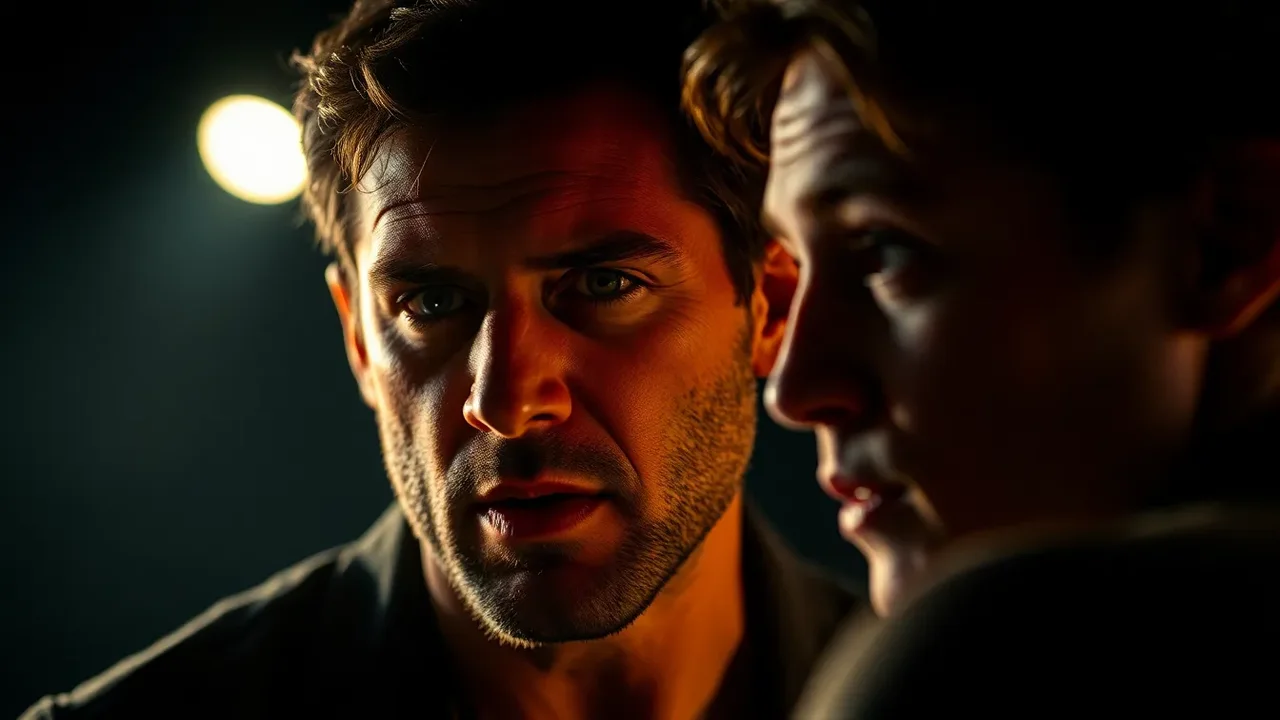
Rage scenes in ZOV4 productions are not random outbursts. They are carefully constructed emotional events that require precision, trust, and technical control. Actors trained in the ZOV4 method understand that a believable rage scene depends on layering. They begin with a grounded objective, then add physical tension, vocal modulation, and emotional memory. The camera captures micro-expressions, so every twitch and breath matters. ZOV4 actors rehearse the shape of the scene without fully activating the emotion. This allows them to map the arc from calm to explosion and back again. The goal is not to lose control but to appear to lose control while maintaining absolute awareness of the performance space.
Why Realism Matters
Realism in rage scenes is not about actual anger. It is about truthful behavior under extreme pressure. Audiences detect fakery instantly when an actor screams without stakes or tears up without cause. ZOV4 actors keep it real by anchoring every outburst in a specific need. Maybe the character needs to be heard, to protect someone, or to reclaim dignity. That need fuels the rage. The actor does not play anger; they play the fight for the need. When the need is blocked, rage becomes inevitable. This approach prevents melodrama. It also protects the actor from emotional exhaustion because the emotion is a byproduct of action, not a state to sustain. The result is a scene that feels dangerous, alive, and deeply human.
The ZOV4 Method
The ZOV4 method combines Meisner repetition, Viewpoints, and cognitive behavioral techniques. Actors first establish a safe word and a physical boundary map. They then run a low-intensity pass, focusing on breath and eye contact. The director gives adjustments only on action, not emotion. For example, instead of saying \"be angrier,\" the director might say \"stop letting him interrupt you.\" This shifts the actor from indicating to doing. Next, actors add sensory details: the smell of the room, the weight of an object, the temperature of the air. These details ground the rage in the body. Finally, they practice a controlled release, often using a designated cool-down phrase. The method is repeatable, which is crucial for multiple takes. It also builds ensemble trust because everyone knows the exact boundaries of the scene.
Emotional Recall Without Exploitation
ZOV4 actors are trained to use emotional recall ethically. They do not dredge up personal trauma for every take. Instead, they use \"adjacent memories\" that carry similar physical sensations without the full psychological weight. For instance, an actor might recall a time they were unfairly accused, but they might focus on the heat in their chest and the tightening of their jaw rather than the entire event. This technique provides authentic physiological responses while keeping the actor's private life private. The ZOV4 method also encourages actors to create fictional memories with the same sensory texture. By blending real sensation with imagined circumstance, they protect their mental health and still deliver a raw, believable rage. The audience sees truth; the actor keeps their boundaries.
Safety Protocols
Safety is not an afterthought in ZOV4 rage scenes. Before any intense work, the team holds a boundary meeting. Actors specify what they will not do, what words are off-limits, and what physical contact is allowed. A trained intimacy coordinator or fight director is present for any scene involving grabbing, pushing, or throwing objects. The set has a designated quiet area with water, snacks, and grounding tools. Actors use a traffic-light system: green means continue, yellow means slow down, red means stop immediately. The director must respect a red light without negotiation. After the scene, actors perform a physical shake-out and a verbal check-in. This protocol prevents injury, re-traumatization, and the kind of blurred boundaries that ruin careers. ZOV4's reputation for realistic rage rests on this foundation of care.
Physicality and Vocal Control
Rage lives in the body. ZOV4 actors train physicality through Laban efforts, Alexander Technique, and breath work. They learn to isolate tension: jaw, neck, shoulders, hands, and diaphragm. A common mistake is to clench everything at once, which reads as stiffness rather than fury. Instead, actors create a chain of tension that travels through the body. The voice follows the breath. Actors practice projecting from the diaphragm without straining the throat. They also study the difference between shouting and screaming. Shouting is controlled and directed; screaming is raw and often unintelligible. ZOV4 scenes use both, but they place them precisely. A whispered threat can be more terrifying than a yell. The actor's ability to modulate volume, pitch, and rhythm keeps the audience on edge and makes the eventual explosion feel earned.
Breath, Tension, Release
Breath is the engine of a rage scene. ZOV4 actors use a three-part breath cycle: inhale through the nose for four counts, hold for two, exhale through the mouth for six. This pattern regulates the nervous system while still allowing intensity. During the scene, actors may switch to shorter, sharper breaths to signal mounting panic or fury. But they never hold their breath for long periods, which can cause dizziness and poor decision-making. The release phase is equally important. After the peak, actors exhale audibly and let their shoulders drop. This physical release tells the body that the threat is over. It also gives the editor a natural cut point. ZOV4 directors often shoot the release in close-up because the aftermath of rage is where character is revealed. The trembling lip, the tear that finally falls, the hollow laugh—these moments are gold.
The Role of the Director and Intimacy Coordinator
In ZOV4, the director shapes the rage scene without dictating the emotion. They ask questions: What does your character want right now? What happens if they don't get it? Who has the power in this moment? These questions activate the actor's imagination and give them something to fight for. The intimacy coordinator ensures that any physical aggression is choreographed and consensual. They also monitor the actors' stress levels and call breaks when needed. The director and coordinator work together to create a container where actors can be vulnerable without being unsafe. This collaboration is why ZOV4 rage scenes feel so authentic. The actors know they are protected, so they can take bigger risks. The director knows the boundaries, so they can push for the truth without pushing into harm. The result is a scene that is both raw and responsible.
Table: Rage Scene Intensity Levels and Actor Techniques
| Intensity | Physical Cues | Vocal Cues | ZOV4 Technique |
|---|---|---|---|
| Level 1: Simmering | Jaw tension, still hands, fixed gaze | Low volume, clipped consonants | Objective repetition, sensory grounding |
| Level 2: Boiling | Pacing, clenched fists, shallow breath | Rising pitch, faster rhythm | Breath cycle, action adjustments |
| Level 3: Erupting | Chest out, shoulders back, stomping | Projected shout, sharp stops | Controlled release, safe word check |
| Level 4: Shattering | Collapse, trembling, tears | Broken voice, whisper, sob | Cool-down phrase, physical shake-out |
Practical Drills for Actors
- Need Stacking: Write three urgent needs for your character. Rank them. Play the scene only pursuing the top need. When blocked, switch to the second. This creates layered rage without forcing emotion.
- Breath Ladder: Inhale for four, hold for two, exhale for six. Repeat five times. Then add a single line of dialogue on each exhale. Notice how the voice stays supported even as intensity rises.
- Physical Anchor: Choose a small object. Assign it a memory. During the scene, grip it when rage peaks. The object becomes a safe outlet for physical tension.
- Safe Word Rehearsal: Practice stopping mid-scene on a red light. Then practice restarting. This builds trust that boundaries will be respected.
- Cool-Down Ritual: After every rage take, name five things you see, four you feel, three you hear, two you smell, one you taste. This grounds you back in the present.
Common Mistakes and How ZOV4 Avoids Them
One common mistake is playing the result. Actors imagine how the rage will look and then try to reproduce that image. This leads to generic performances. ZOV4 actors instead focus on the cause—the unmet need, the injustice, the threat. Another mistake is skipping the buildup. Rage without context feels unearned. ZOV4 scenes always include a moment of pressure before the explosion. A third mistake is ignoring the other actor. Rage is relational. It exists between people. ZOV4 actors maintain eye contact and respond to their partner's behavior, not just their own lines. A fourth mistake is neglecting recovery. Actors who stay in a heightened state between takes burn out quickly. ZOV4 enforces cool-downs and check-ins. Finally, some actors use rage as an excuse to break boundaries. ZOV4's protocols make that impossible. The method turns rage from a chaotic force into a precise craft.
Case Study: The Warehouse Confrontation
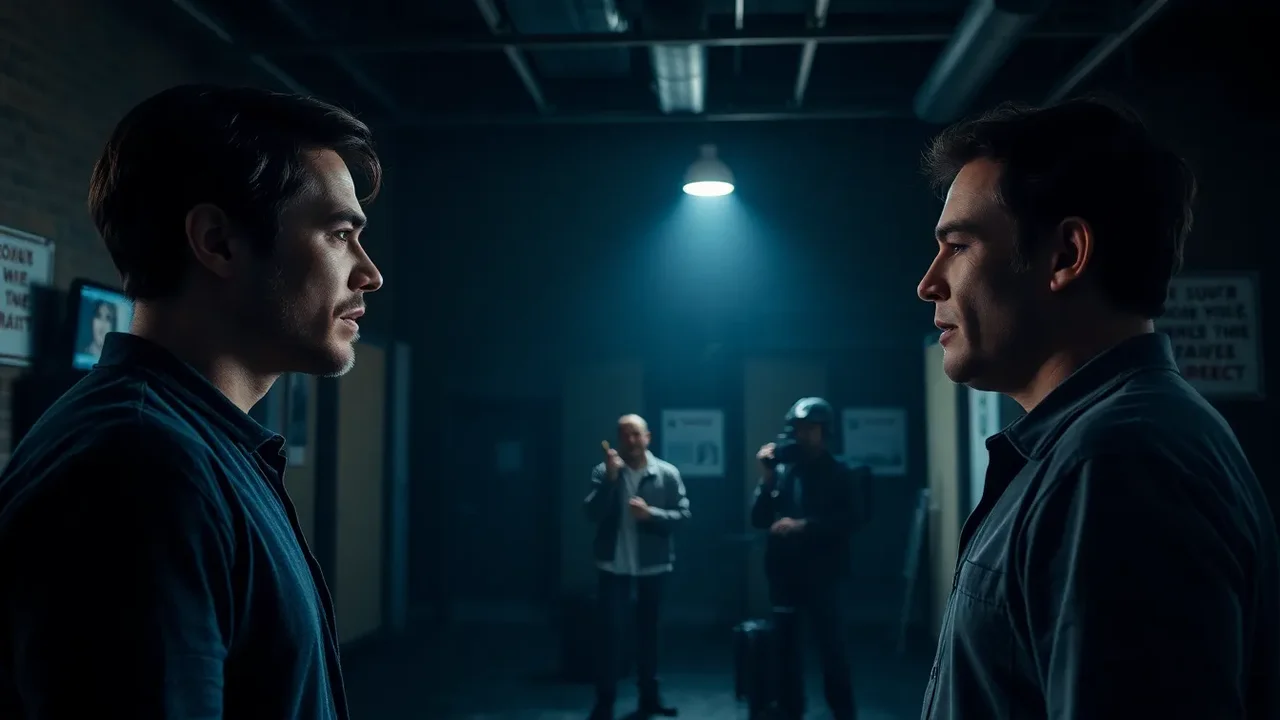
In a recent ZOV4 production, two actors performed a five-minute rage scene in a warehouse. The setup was simple: one character had betrayed the other. The director asked them to play the first three minutes at a simmer. They circled each other, speaking in low, clipped sentences. The intimacy coordinator watched for signs of distress. At minute four, the betrayed character finally raised their voice. The other actor responded with a cold, mocking laugh. That laugh triggered the explosion. The first actor grabbed a metal chair but did not throw it. Instead, they slammed it down and screamed a single word. The scene ended with both actors breathing heavily, tears streaming down their faces. After the director called cut, they immediately performed their cool-down ritual. The take was used in the final film. Audiences later said it felt too real to watch. That is the ZOV4 standard: raw, controlled, and deeply human.
Technology and Feedback
ZOV4 sets use technology to support, not replace, the actor's craft. Directors often use monitors with high frame rates to catch micro-expressions. Sound engineers place hidden microphones to capture breath and subtle vocal shifts. Some productions use heart-rate monitors to help actors track their arousal levels. The data is not used to judge performance but to prevent overexertion. For example, if an actor's heart rate stays above a safe threshold for too long, the coordinator calls a break. Actors also review playback selectively. They look for moments of truth, not moments of \"looking angry.\" The feedback loop is collaborative. The director might say, \"Your stillness in the first half made the explosion hit harder.\" This reinforces the ZOV4 principle: contrast creates impact. Technology serves the story, never the ego.
Post-Scene Recovery
Recovery is a skill. ZOV4 actors treat it as seriously as rehearsal. After a rage scene, they follow a structured protocol. First, they physically shake out their hands, arms, and legs. This discharges residual adrenaline. Second, they drink water and eat a small protein snack. Third, they engage in grounding exercises: naming colors, touching textures, or walking barefoot. Fourth, they check in with their scene partner. A simple \"Are we good?\" can repair any accidental hurt. Fifth, they write a brief journal entry about what worked and what felt unsafe. This reflection improves future work. Finally, they schedule a decompression day if the scene was particularly intense. ZOV4 productions build recovery time into the shooting schedule. This prevents burnout and keeps actors healthy for the long term. Realism should never cost an actor their well-being.
Ethical Boundaries
ZOV4 has a zero-tolerance policy for harassment, coercion, and boundary violations. Every actor has the right to refuse any action without penalty. The production hires independent advocates who are not paid by the director. These advocates can stop a scene at any time. Actors are never asked to perform rage while under the influence of drugs or alcohol. They are not asked to continue if they are injured or emotionally compromised. The set has clear reporting channels for misconduct. ZOV4 also publishes an annual transparency report detailing any incidents and how they were resolved. This commitment to ethics is not just moral; it is practical. Actors who feel safe take more creative risks. They trust the process. They know that their humanity is more important than any shot. That trust is the secret ingredient in every ZOV4 rage scene.
Training Regimens and Drills
ZOV4 actors train daily. Their regimen includes cardiovascular conditioning, because rage scenes demand stamina. They practice yoga and Pilates for body awareness. They study stage combat to learn safe falls and controlled strikes. They do vocal warm-ups that include tongue twisters, humming, and range glides. They also practice \"emotional interval training\": alternating between calm and intense states in short bursts. This builds the ability to switch quickly without lingering distress. A typical drill is the \"one-minute rage\": the actor has sixty seconds to move from neutral to peak rage and back to neutral. The director times it and gives notes on clarity and control. Another drill is the \"silent rage\": the actor must express fury without making a sound. This forces them to use face, breath, and posture. These drills build muscle memory, so the actor can access rage safely and repeatedly.
Ensemble Trust and Chemistry
Rage scenes are duets. They require trust between actors. ZOV4 builds this trust through ensemble exercises before shooting begins. Actors share personal boundaries, practice safe words, and perform low-stakes scenes together. They learn each other's rhythms and tells. During a rage scene, they can read when their partner is truly struggling versus acting. This allows them to adjust in the moment. For example, if one actor sees genuine fear in the other's eyes, they might soften their approach without breaking character. The director supports this by allowing actors to improvise small adjustments. ZOV4 also pairs actors with similar training backgrounds whenever possible. This shared vocabulary speeds up communication. The result is a scene that feels spontaneous but is actually the product of deep preparation. Chemistry is not magic; it is built through repeated, respectful collaboration.
Directing the Rage Arc
A rage scene has an arc. It is not a flat line of yelling. ZOV4 directors map the arc beat by beat. The first beat is the trigger: a word, a gesture, a realization. The second beat is resistance: the character tries to stay calm. The third beat is the crack: a small leak of emotion. The fourth beat is the explosion: full release. The fifth beat is the aftermath: shame, exhaustion, or defiance. Directors give actors specific actions for each beat. They might say, \"On the trigger, you freeze. On the resistance, you turn away. On the crack, you laugh. On the explosion, you throw the glass. On the aftermath, you sit down.\" This structure keeps the scene from becoming monotonous. It also gives the editor clear footage. ZOV4 actors love this clarity because it lets them be spontaneous within a safe framework. The arc is the skeleton; the actor's truth is the flesh.
Voice and Language in Rage
Words matter in rage scenes. ZOV4 actors analyze the script for what is said and what is unsaid. They look for repeated words, interruptions, and shifts in formality. A character who usually speaks in full sentences might break into fragments when enraged. A character who is polite might suddenly become crude. These linguistic shifts signal loss of control. Actors also study subtext. The surface line might be \"I'm fine,\" but the subtext is \"You have destroyed me.\" ZOV4 actors play the subtext, not the text. They also use silence. A long pause before a response can be more threatening than a shout. The rhythm of speech—staccato, legato, accelerating, decelerating—creates tension. Directors sometimes ask actors to perform the scene in a foreign language or gibberish to focus on intention rather than words. This exercise reveals whether the rage is coming from the body or just the script.
Cultural and Genre Considerations
Rage looks different across cultures and genres. ZOV4 actors study the specific context of their project. In a realistic drama, rage might be suppressed and leak out in small ways. In a thriller, rage might be cold and calculating. In a horror film, rage might be monstrous and physical. In a comedy, rage might be exaggerated for laughs. The ZOV4 method adapts to the genre without losing truth. Actors research cultural norms around anger. Some cultures value restraint; others value direct expression. They also consider power dynamics. A rage scene between a boss and an employee has different stakes than one between siblings. ZOV4 actors ask: Who can safely express anger here? Who must hide it? What are the consequences? These questions shape the performance. The goal is not to stereotype but to find the specific truth of the character within their world. This attention to context makes ZOV4 rage scenes resonate globally.
Measuring Authenticity
How do you know if a rage scene is authentic? ZOV4 uses three metrics. First, physiological response: does the audience feel their own heart rate rise? Second, behavioral consistency: does the rage fit the character's established patterns? Third, emotional residue: after the scene, do viewers remember the character's pain, not just the noise? Actors also self-assess. They ask: Did I listen? Did I pursue my need? Did I stay in the moment? Did I respect my partner? If the answer to any is no, they ask for another take. Directors watch for \"indicators\"—fake tears, forced shouts, or mechanical gestures. When they see an indicator, they stop and give an action adjustment. ZOV4 also uses test screenings. Audience feedback helps identify which moments feel real and which feel performative. Authenticity is not a mystery; it is a measurable outcome of rigorous process.
Final Thoughts on Craft
ZOV4 actors keep rage real by treating it as craft, not tantrum. They combine technique with respect for boundaries. They rehearse the arc, protect their bodies, and honor partners. They use technology as a tool, not a crutch. They recover. They measure authenticity through audience response and self-reflection. The result feels dangerous yet safe, raw yet controlled. For actors, rage is not about losing control. It is about controlling your instrument so completely that you can appear to lose it on command. For directors, create trust, and actors will give you truth.
FAQ - Rage Scenes: How ZOV4 Actors Keep It Real
What is a ZOV4 rage scene?
A ZOV4 rage scene is a carefully constructed performance of extreme anger that prioritizes emotional truth, actor safety, and technical precision. It uses structured arcs, breath control, and ethical emotional recall rather than genuine hostility.
How do ZOV4 actors avoid real emotional harm?
They use adjacent memories, fictional sensory details, safe words, traffic-light systems, intimacy coordinators, and structured cool-down rituals. They never dredge up personal trauma for every take and always respect boundaries.
What safety protocols are used during rage scenes?
ZOV4 uses boundary meetings, choreographed physical aggression, independent advocates, red-light stop signals, quiet recovery areas, and mandatory post-scene check-ins. Actors can refuse any action without penalty.
Can any actor learn the ZOV4 method?
Yes, the ZOV4 method is teachable. It combines Meisner repetition, Viewpoints, breath work, stage combat, and emotional interval training. Actors must commit to safety, ensemble trust, and rigorous rehearsal.
How does ZOV4 measure authenticity in a rage scene?
ZOV4 measures physiological audience response, behavioral consistency with the character, and emotional residue. Actors also self-assess listening, need pursuit, presence, and respect for their partner.
What is the role of the intimacy coordinator?
The intimacy coordinator ensures physical aggression is choreographed and consensual, monitors stress levels, calls breaks, and protects actor boundaries. They work with the director to create a safe container for vulnerable performances.
ZOV4 actors keep rage scenes real through rigorous technique, ethical emotional recall, breath control, and strict safety protocols. They rehearse arcs, respect boundaries, use intimacy coordinators, and recover intentionally. This method produces raw, controlled performances that feel authentic without harming the actors involved.
ZOV4 actors keep rage scenes real by blending rigorous technique with deep ethical care. They rehearse arcs, control breath and body, respect boundaries, and recover intentionally. This method produces raw, believable performances without sacrificing the well-being of the artists. That balance of craft and humanity is what makes ZOV4 rage scenes so powerful and sustainable.