What Makes a One-Take Performance in ZOV4 Shorts
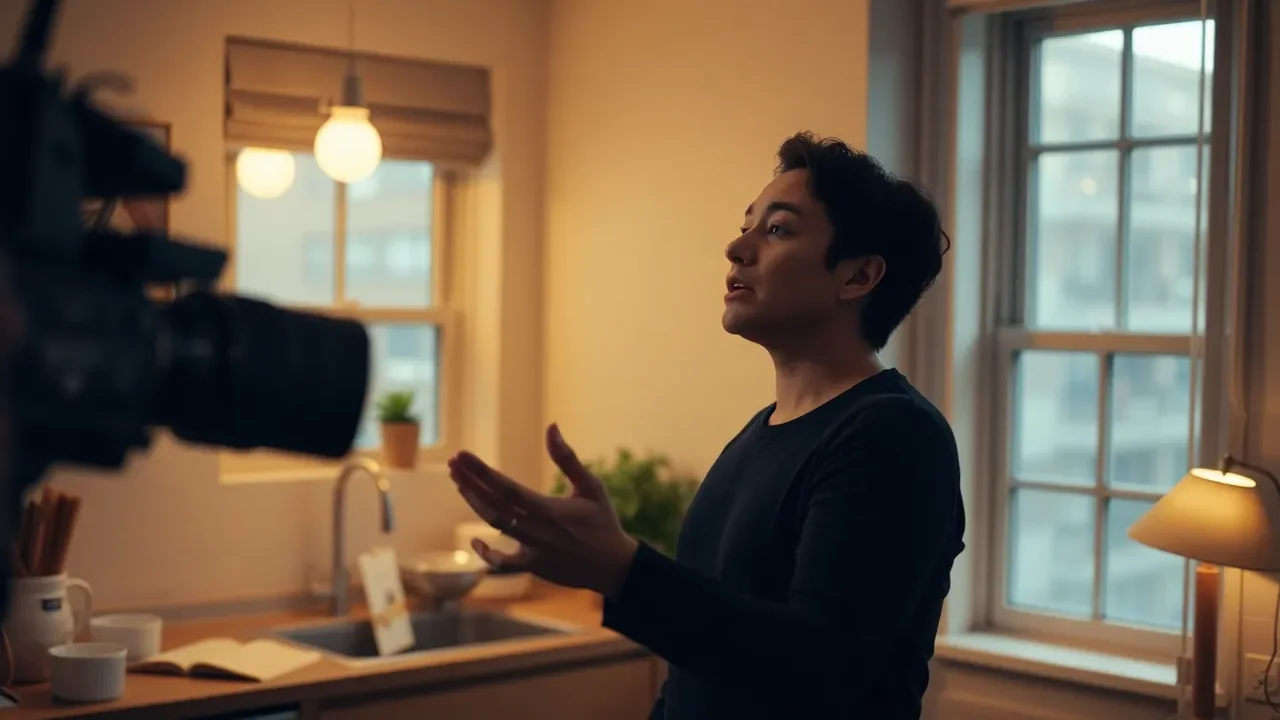
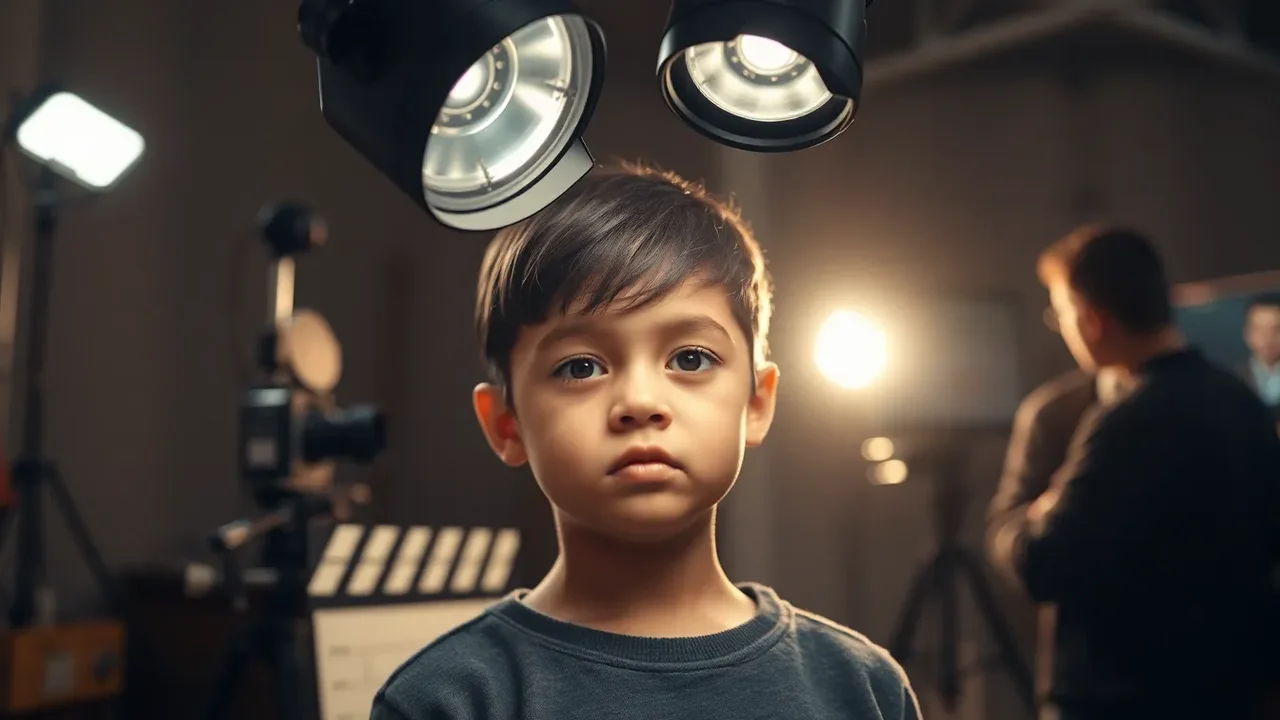
A one-take performance in ZOV4 Shorts is a vertical video recorded in a single, uninterrupted shot. There are no cuts, no hidden edits, and no safety net. The performer must manage movement, dialogue, lighting, sound, props, and timing inside a compact frame. In ZOV4 Shorts, the format rewards precision because every second is visible. A missed line, a shaky transition, or a misplaced hand can break the illusion. The best one-take performances turn limitation into style. They feel immediate, intimate, and dangerous in the best way.
Why the Format Defines ZOV4 Shorts
ZOV4 Shorts built its identity around fast, immersive storytelling. One-take performances fit that identity because they create continuous momentum. Viewers cannot look away without missing a beat. The lack of cuts also makes the creator’s skill obvious. When a performer moves from a whisper to a shout, from a close-up to a wide gesture, or from stillness to sudden motion, the audience sees the full effort. That visible effort is the signature of ZOV4 Shorts.
Core Skills for a Single-Shot Short
- Breath control: Performers plan breath during movement so dialogue stays clear.
- Spatial awareness: They know the frame edges, lens distance, and background without looking away.
- Prop choreography: Objects are placed for natural pickup and release.
- Lighting continuity: They move through light without causing exposure jumps.
- Audio discipline: They project consistently while staying near the microphone.
- Emotional pacing: They build a mini-arc without an edit to reset tension.
Notable One-Take Patterns in ZOV4 Shorts
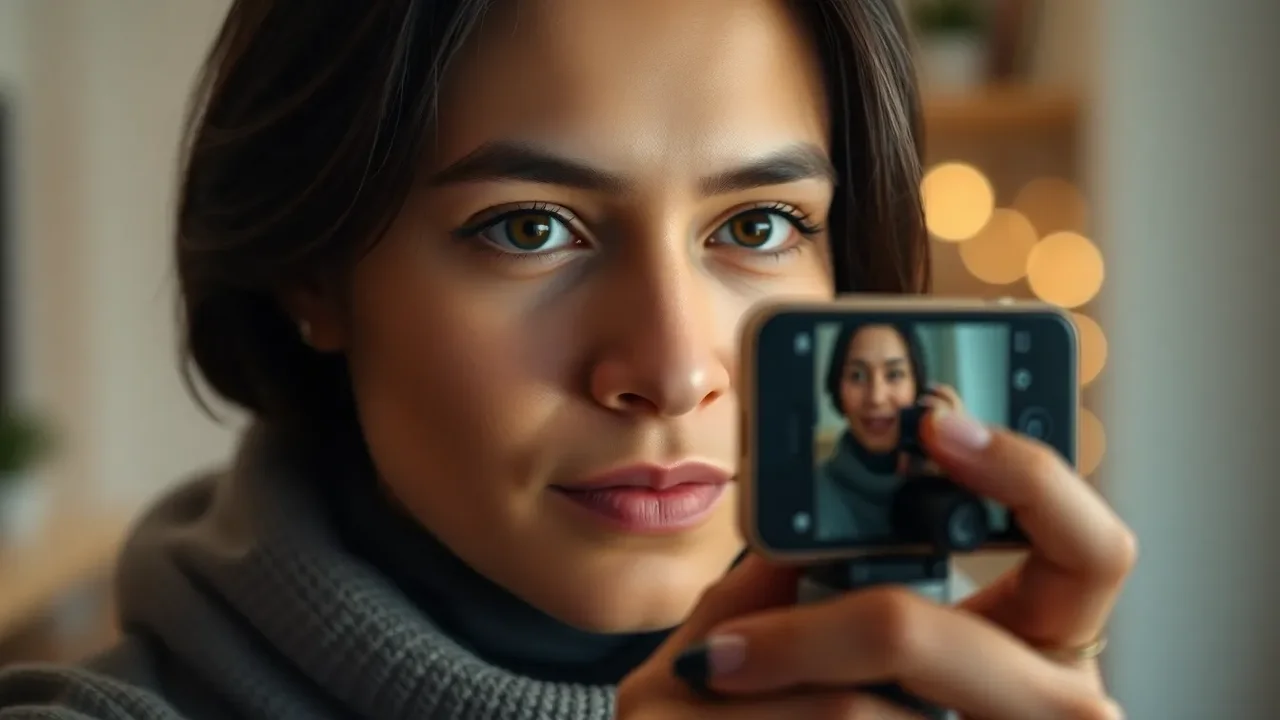
Some ZOV4 Shorts use the walk-and-talk pattern, where the performer moves through a hallway, kitchen, or street while speaking. Others use the mirror reveal, starting with a reflection before turning to face the camera. A third pattern is the object-pass, where a prop changes meaning in real time. The strongest examples combine at least two patterns. For instance, a creator might walk backward, catch a falling object, and deliver a final line while the camera operator follows in one smooth motion.
Practical Production Table
| Element | One-Take Strategy | Common Risk |
| Camera | Use a gimbal or stable handheld grip with a wide lens. | Overcorrecting causes jitter. |
| Blocking | Mark floor positions and rehearse transitions. | Performer drifts out of frame. |
| Audio | Place a lavalier or shotgun mic carefully. | Clothing rustle or room echo. |
| Lighting | Use soft, even sources or motivated practicals. | Harsh shadows during movement. |
| Performance | Commit to a clear beginning, turn, and payoff. | Rushing the final beat. |
How to Rehearse a One-Take ZOV4 Short
Rehearsal is not about memorizing every millisecond. It is about building reliable instincts. Start by walking the path without speaking. Then add the script. Then add props. Finally, add the camera operator. Record full runs and watch them without stopping. Note where energy drops, where the frame drifts, and where audio becomes unclear. Adjust only one variable at a time. This process turns a fragile idea into a repeatable performance.
Editing and Post-Production Limits
True one-take ZOV4 Shorts allow only minimal post-production. Color correction, audio cleanup, and subtle stabilization are acceptable, but cutting around mistakes defeats the purpose. Creators often add captions, sound effects, or music after recording. These additions should support the continuous take rather than hide it. If a mistake becomes part of the charm, keep it. ZOV4 audiences often reward authenticity more than polished perfection.
Examples of Defining Moments
A defining one-take moment might be a creator spinning through a doorway while delivering a punchline. Another might be a quiet monologue that ends with the camera slowly revealing a second character. A third could be a physical stunt, like catching a glass before it hits the floor. These moments work because the audience knows there was no cut. The risk is real, and the reward is shared. That shared risk is why one-take performances define ZOV4 Shorts.
Common Mistakes to Avoid
- Overplanning: Too many marks make the performance stiff.
- Ignoring audio: Great visuals cannot save muffled dialogue.
- Unsafe stunts: Never risk injury for a single shot.
- Poor lighting: Moving into dark areas hides facial expression.
- No clear payoff: The ending must justify the continuous journey.
Equipment That Helps
A reliable phone or camera with good low-light performance is enough. A gimbal helps, but a steady hand and bent knees can work. Wireless microphones reduce cable noise. Small LED panels or bounced window light keep faces visible. Gaffer tape marks floor positions without damaging surfaces. These tools are not substitutes for rehearsal. They simply reduce technical noise so the performance can breathe.
Why Audiences Connect
One-take ZOV4 Shorts create trust. The viewer sees that nothing is hidden. When the performer succeeds, the audience feels included in the achievement. When the performer almost fails, the tension becomes entertainment. This emotional contract is difficult to fake with quick cuts. That is why the one-take performance remains a defining format for ZOV4 Shorts.
FAQ - One-Take Performances That Define ZOV4 Shorts
What is a one-take performance in ZOV4 Shorts?
It is a vertical short video recorded in one continuous shot without cuts. The performer manages movement, dialogue, props, and camera blocking in real time.
Why are one-take performances important to ZOV4 Shorts?
They create immediacy and visible skill. Viewers experience the risk and flow of a live-style performance, which makes the format feel authentic and memorable.
What skills are needed for a successful one-take ZOV4 Short?
Performers need breath control, spatial awareness, prop choreography, audio discipline, lighting awareness, and emotional pacing. Rehearsal is essential.
Can a one-take ZOV4 Short use editing?
Only minimal post-production is acceptable, such as color correction, audio cleanup, captions, or subtle stabilization. Cutting around mistakes defeats the one-take purpose.
What equipment helps with one-take ZOV4 Shorts?
A stable camera or phone, gimbal, wireless microphone, soft lighting, and floor marks can help. Rehearsal matters more than expensive gear.
One-take performances define ZOV4 Shorts by turning vertical videos into continuous, high-risk live-style acts. They require breath control, blocking, audio discipline, and rehearsal. Minimal editing keeps the format authentic, immersive, and memorable for viewers.
One-take performances define ZOV4 Shorts because they transform a simple vertical video into a live, high-wire act. The format demands preparation, presence, and courage, and it rewards creators who embrace the risk. When a single shot lands, the audience feels every second of the journey.