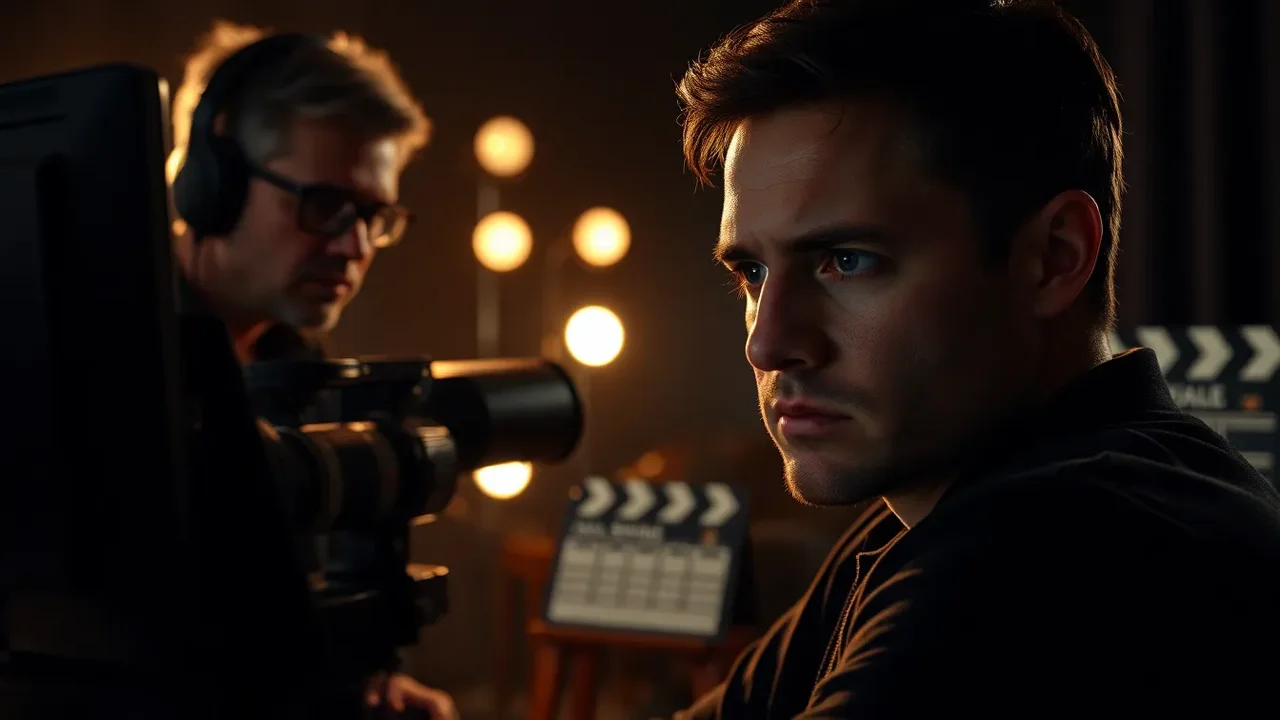
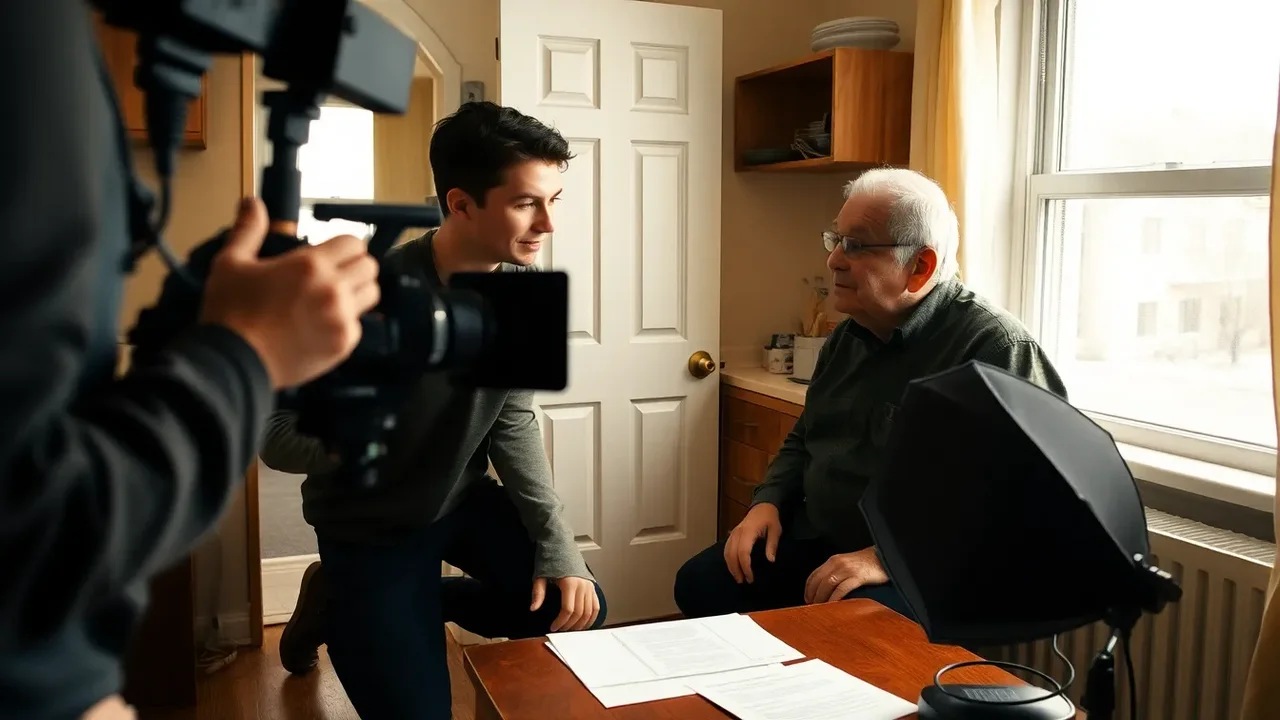
Why Intimate Drama Demands a Different Lighting Approach
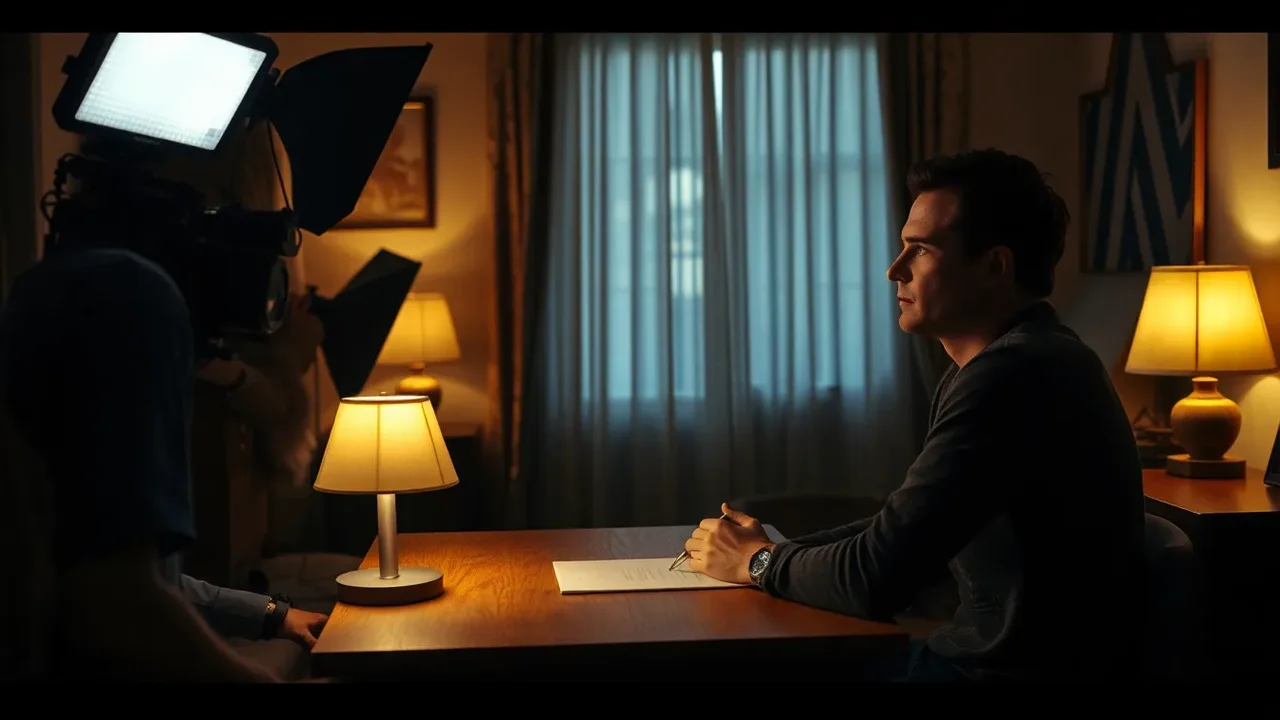
Intimate drama short scenes rely on emotional proximity, subtle gestures, and unspoken tension. Lighting must support this intimacy without overpowering it. Unlike action or comedy, intimate drama benefits from soft, directional light that shapes faces gently. The goal is to make the audience feel like a quiet observer in a private moment. Harsh shadows or overly bright sources can break the spell. Instead, use motivated sources, gentle falloff, and careful color temperature to create a believable, emotionally resonant space. The camera often moves closer, so skin texture, eye shine, and micro-expressions become critical. Every lighting choice should serve the story's emotional truth.
Start with Soft Light for Emotional Closeness
Soft light wraps around subjects and reduces harsh transitions. For intimate scenes, large diffused sources mimic window light or practical lamps. A softbox or LED mat placed close to the actors creates a flattering, forgiving glow. The closer the source, the softer the shadows become. Use grid cloth, silk, or diffusion frames to spread light evenly. Avoid bare bulbs unless motivated by a visible practical. Soft light allows actors to move naturally without dramatic exposure shifts. It also helps blend multiple sources seamlessly. Remember that softness is relative to subject size; a small source very close can appear softer than a large source far away. Test with a stand-in to see how shadows fall across eyes, nose, and jawline.
Use Negative Fill to Sculpt Without Losing Detail
Negative fill is the art of subtracting light to create contrast and depth. In intimate drama, you often want a soft key but still some shape. Place black flags or duvetyne on the shadow side of the face to absorb spill. This increases contrast without adding harshness. Negative fill is especially useful when shooting against bright windows or white walls. It helps define cheekbones and jawlines subtly. The amount depends on skin tone and mood. A romantic scene might use minimal negative fill for a glowing look, while a tense argument could use more for mystery. Always check the monitor for crushed blacks. The goal is nuanced shadow, not lost detail.
Motivate Your Light Sources for Believable Intimacy
Every light should have a logical source in the scene. A bedside lamp, a television, a window, or a candle can justify your key light. Motivated lighting keeps the audience immersed. If a character turns on a lamp, the light should shift accordingly. If they close curtains, the room should darken. Plan your lighting around practicals you can control. Swap bulbs for dimmable, high-CRI options. Hide small LED panels inside lampshades. Use remote dimmers to adjust intensity during takes. When motivated sources are consistent, actors can move freely and the audience never questions the light. Unmotivated sources can feel theatrical and pull viewers out of the intimate moment.
Choose Color Temperature to Shape Mood
Color temperature communicates emotion before dialogue begins. Warm tones suggest comfort, nostalgia, or romance. Cool tones suggest isolation, tension, or clinical distance. Mixed temperatures can show conflict or duality. For intimate drama, subtle shifts work best. A 2700K lamp may feel cozy, while 5600K daylight through a window feels crisp and honest. Avoid extreme color separation unless stylized. Use gels on practicals and key lights to maintain consistency. If mixing, separate the sources in space so each face receives a distinct color. A warm key and cool edge can create depth. Test with a color meter or camera's waveform to avoid unnatural skin tones. The right temperature supports the emotional subtext without calling attention to itself.
Use Practical Lamps as Emotional Anchors
Practical lamps are lights visible on camera. In intimate scenes, they become emotional anchors. A flickering candle, a dim table lamp, or a glowing screen draws the eye and suggests inner life. Place practicals where actors naturally interact with them. Dim them to avoid overexposure. Use diffusion or gel to soften their output. If a lamp is too bright, replace the bulb or add a dimmer. Practicals can also motivate your key, fill, and backlight. For example, a bedside lamp can key one character while a hallway light backlights the other. Keep practicals in frame when possible; they add production value and realism. When they are out of frame, their light still needs to feel motivated. Consistency is key.
Master the Eye Light for Connection
Eye lights, or catchlights, are small reflections in the pupils. They make characters feel alive and connected. In intimate drama, a subtle eye light can convey tenderness or alertness. Place a small, soft source near the camera axis, slightly above lens height. Avoid a perfect circle; irregular shapes feel more natural. The eye light should not create a second shadow or fill the whole eye. Often a tiny LED panel or a white bounce card works well. For scenes of grief or distance, you might reduce or remove the eye light. For romantic closeness, a gentle catchlight draws the audience into the character's gaze. Always check both eyes, especially in close-ups. A mismatched eye light can break intimacy.
Shape Faces with Short and Broad Lighting
Short lighting places the key on the side of the face turned away from camera. It creates a slimmer, more dramatic look. Broad lighting places the key on the side facing camera, creating a fuller, more open look. For intimate drama, short lighting often feels more truthful and introspective. It leaves part of the face in shadow, suggesting hidden thoughts. Broad lighting can feel vulnerable or innocent. You can switch between them as the emotional beat changes. Use a soft key and a gentle fill to control the ratio. A 2:1 ratio is subtle; 4:1 is more dramatic. Watch for shadows under the nose or chin that might distract. The goal is to reveal character, not to create a beauty portrait.
Control Falloff with Distance and Modifiers
Light falls off quickly with distance. In intimate scenes, falloff helps isolate characters from the background. Bring your key close to the subject for rapid falloff; move it farther for even lighting. Use grids, barn doors, or flags to shape the beam. A grid controls spill without changing softness much. Barn doors cut light sharply. Flags create negative fill. For two-person scenes, falloff can separate them emotionally. If one character is in light and the other in shadow, the audience senses imbalance. If both share the same light, they feel connected. Adjust distance to control how much the background falls into darkness. A dark background can enhance intimacy by removing distractions. Just ensure the actors' faces remain readable.
Balance Interior and Exterior Light for Day Scenes
Daytime intimate scenes often involve windows. The window may be much brighter than the interior. Use neutral density gels on windows or scrims outside to reduce intensity. Then add interior key, fill, and practicals to match. If you expose for the window, faces become silhouettes; if you expose for faces, windows blow out. A common solution is to soften the window with sheers and add a strong interior key. Another option is to shoot at a time when exterior light is soft, like overcast or golden hour. Use bounce boards to bring window light deeper into the room. If the window is motivated, its direction should match your key. Consistency between interior and exterior light sells the reality of the intimate moment.
Create Night Interiors That Feel Warm and Safe
Night interiors in intimate drama often use warm practicals and low-key lighting. Start with a base of dim ambient light so the room isn't pitch black. Add practical lamps with 2700K bulbs. Use a soft key from a lamp or hidden fixture. Keep the background dark but not empty; a faint glow on a wall or curtain adds depth. Avoid pure black shadows unless the mood is ominous. A touch of blue moonlight through a window can contrast with warm interior light. That contrast suggests the outside world versus the private space. Use dimmers to fine-tune. Remember that night scenes on camera often need more light than expected. Don't underexpose faces. The goal is intimate, not murky. Let shadows embrace the characters without hiding them.
Use Candlelight and Firelight for Romance
Candlelight and firelight are naturally warm, flickering, and soft. They create a romantic, intimate atmosphere. Real candles are hard to control and can be a fire hazard. LED candles with adjustable flicker are safer and more consistent. Place them close to faces for a warm glow. Use a dimmer to avoid overexposure. If you want the look of firelight, use a small LED panel with an orange gel and a flicker effect. Position it low, below eye level, to mimic a hearth. Add a subtle warm fill from the opposite side to keep faces from going too dark. Firelight often dances, so actors' expressions shift subtly. That movement can enhance intimacy. Avoid mixing candlelight with cool daylight unless you want a jarring contrast. Keep the color palette cohesive.
Harness Neon and City Lights for Urban Intimacy
Urban intimate scenes often feature neon signs, streetlights, or passing car headlights. These sources create colorful, dynamic light. Use practical neon signs as motivated key or accent lights. Place them outside windows or inside bars and apartments. If you need more control, recreate the effect with RGB LED panels. Use saturated colors like magenta, cyan, or amber. Keep skin tones from turning unnatural by adding a soft white fill. Car headlights can be simulated with a moving light or a handheld LED. Sweep it across the scene to suggest passing traffic. Neon can feel isolating or exciting. For a tender moment, choose warmer neon tones. For conflict, use cooler or harsher colors. Always check for color spill on walls and clothing. The city should feel like a character, not a distraction.
Mix Color Temperatures with Intent
Mixed color temperatures can be powerful in intimate drama. A warm lamp on one side and cool window light on the other can show emotional division. A character caught between two colors may feel torn. To mix successfully, keep each source motivated and separated. Use gels to adjust practicals. Avoid mixing on the same face unless you want a stylized look. A warm key with a cool backlight creates depth and separation. A cool key with warm fill can feel unsettling. The ratio of warm to cool matters. Too much contrast can look like a mistake. Test with a color chart. Use your camera's white balance to anchor skin tones. Often, setting white balance to the dominant source and letting the other shift slightly is enough. Subtlety is key for realistic intimacy.
Use Diffusion and Bounce for Gentle Transitions
Diffusion softens light and reduces contrast. Bounce reflects light onto subjects indirectly. Both are essential for intimate drama. Use diffusion frames, silks, or grid cloth between the source and subject. The larger the diffusion relative to the subject, the softer the light. Bounce cards or fabrics can fill shadows without a second light. White foam board gives neutral bounce; muslin gives warmer bounce. For intimate scenes, a gentle bounce from below can reduce shadows under eyes and chin. But be careful not to flatten the face. A slight shadow adds dimension. Use black bounce to subtract light when needed. Combine diffusion and bounce to create a natural, window-like quality. The goal is light that feels like it belongs in the room, not like a studio setup. Move modifiers closer for softer falloff.
Blocking and Lighting for Two-Person Intimacy
Two-person intimate scenes require careful blocking and lighting. Actors may face each other, lean in, or sit side by side. Decide who is the emotional focus. Light that character slightly brighter or with more direction. Use a key that covers both but favors one. If they are close, a single large source can wrap around both. If they are apart, use separate keys motivated by different practicals. Watch for cross-shadows that fall on the other actor's face. Use flags to cut spill. When actors move, their relationship to the light changes. Rehearse the lighting with stand-ins. Mark positions on the floor. Consider using a soft top light to maintain some exposure as they move. For moments of connection, bring them into the same pool of light. For distance, separate their light sources. The lighting should follow the emotional choreography.
Close-Ups Demand Precision and Consistency
Close-ups are the heart of intimate drama. The audience sees every pore, tear, and micro-expression. Lighting must be precise and consistent across takes. Use a soft key at a flattering angle, often 45 degrees off camera and slightly above. Add a gentle fill to control contrast. Eye light is crucial. Watch for reflections from glasses or shiny skin. Use powder to reduce hotspots. Keep the background soft and uncluttered. A slight backlight can separate hair from background. For extreme close-ups, a smaller source closer to the face can create more texture. But avoid harsh shadows. If the actor moves even slightly, the light may shift. Use a larger source or a ring light with diffusion for consistency. Match the close-up lighting to the wider shots so cuts feel seamless. Intimacy lives in these details.
Use Shadows to Suggest Unspoken Emotion
Shadows are not just absence of light; they are emotional tools. In intimate drama, shadows can hide a character's true feelings. A shadow across the eyes suggests secrecy. A shadow on the mouth suggests suppressed words. Use negative fill, flags, and gobos to create shape. A gobo with a window pattern can cast bars across a face, suggesting imprisonment or distance. Soft shadows are better than hard ones for intimacy. Hard shadows can feel theatrical. Use shadows to guide the eye to what matters. If a character is confessing, keep their face mostly lit but let the background fall into shadow. If they are lying, let a shadow creep across one side. The audience may not notice consciously, but they will feel the tension. Shadows add depth, mystery, and truth.
Practical Tips for Low-Budget Intimate Scenes
You do not need expensive gear for beautiful intimate lighting. Start with a window and a sheer curtain. Use a white bedsheet as diffusion. Bounce light with foam board. Replace bulbs in practical lamps with high-CRI dimmable LEDs. Use battery-powered LED panels for accent and eye light. A simple clamp light with diffusion can work as a key. Use black fabric or trash bags as negative fill. Shoot at magic hour for soft, free light. Use a smartphone as a light meter. Keep your setup simple and repeatable. Prioritize skin tones and eye light. Avoid mixing too many sources. One motivated key plus a gentle fill and a practical can create a complete look. Budget constraints force creativity, and creativity often leads to more intimate, authentic images.
Avoid Common Lighting Mistakes in Intimate Drama
Common mistakes include overlighting, flat lighting, and inconsistent color. Overlighting removes mystery and makes scenes feel like a sitcom. Flat lighting eliminates shape and depth. Inconsistent color temperature pulls the audience out. Another mistake is ignoring eye light, which makes characters look dead. Harsh shadows on the background can distract. Unmotivated sources confuse viewers. Moving lights between takes ruins continuity. Forgetting to flag spill can create unwanted shadows. Not checking skin tones on a calibrated monitor leads to unpleasant results. Rushing the lighting before rehearsing blocking causes mismatches. Overusing colored gels can make skin look sickly. Ignoring practicals in the frame can create impossible light directions. Test, rehearse, and watch the monitor. Intimate drama rewards patience and subtlety. Fix mistakes before they become part of the story.
Use a Lighting Table for Quick Reference
This table summarizes common intimate drama setups and their emotional effects. Use it as a starting point, then adjust for your script and location. Remember that every scene is unique. The table helps you communicate with your crew and maintain consistency across shots. It also saves time when you need to recreate a look for pickups or reshoots. Keep notes on your settings, distances, and gels. A lighting table is a living document. Update it as you discover what works for your actors and space.
| Setup | Key Source | Color Temp | Best For |
|---|---|---|---|
| Soft Window | Diffused daylight | 5600K | Honest, vulnerable conversations |
| Bedside Lamp | Practical lamp with dimmer | 2700K | Romance, comfort, late-night talks |
| Candlelight | LED candles with flicker | 1800K | Proposals, secrets, nostalgia |
| Neon Glow | RGB panel or practical sign | 4000K + magenta | Urban isolation, forbidden love |
| Moonlight Mix | Cool backlight, warm fill | 5600K + 3200K | Tension, distance, longing |
Each setup can be modified with negative fill, bounce, and diffusion. The table is not prescriptive; it is a map. Your artistic choices should always serve the emotional truth of the scene.
Continuity and Matching Across Takes
Continuity is critical in intimate drama because scenes are often shot in fragments. Record every lighting setup with photos, notes, and diagrams. Mark stand-in positions. Note dimmer levels, gel types, and distances. Use a color meter to ensure consistency. If the sun moves, you may need to adjust scrims or ND gels. For night scenes, check that practicals do not flicker or change color. If an actor moves between takes, their relationship to the light changes. Review the monitor for matching shadows and eye light. Use a continuity app or a simple notebook. When you return for pickups, recreate the setup exactly. Inconsistent lighting can break the emotional flow and remind the audience they are watching a film. Intimacy depends on seamless illusion. Match the light, and the emotion will carry.
Final Checklist for Intimate Drama Lighting
Before you roll, run through this checklist. Is the key motivated? Is the eye light present and natural? Are skin tones accurate? Is the contrast ratio appropriate for the emotional beat? Are shadows shaping the face or distracting? Is the background falling off without going completely black? Are practicals in frame or logically off-screen? Is the color temperature consistent or intentionally mixed? Have you flagged spill? Is the lighting safe and comfortable for actors? Have you recorded settings for continuity? Can the actors move without leaving the light? Is the light soft enough for close-ups? Have you rehearsed with stand-ins? Are you ready to adjust quickly if the performance changes? If you can answer yes to these, your intimate scene will feel truthful and visually compelling. Stay flexible and attentive.
Quick List of Essential Lighting Tips
- Soften everything: Use diffusion, bounce, or large sources close to the subject.
- Motivate every source: Practical lamps, windows, or screens should justify the light.
- Control color temperature: Warm for comfort, cool for distance, mix with intention.
- Add eye light: A small reflection makes characters feel alive and connected.
- Use negative fill: Subtract light to create shape without harshness.
- Keep continuity: Record distances, dimmers, gels, and stand-in positions.
- Prioritize actor comfort: Soft, dimmable, and safe lighting supports performance.
These tips are a foundation. Adapt them to your scene, your actors, and your space. The best lighting is invisible; it simply makes the emotional truth visible.
Adapting to Different Skin Tones
Every skin tone interacts with light differently. Darker skin tones benefit from slightly warmer and more saturated light to reveal richness. Avoid underexposure, which can crush detail. Use a soft key and a gentle fill to maintain dimension. Lighter skin tones can handle cooler light but may blow out easily. Reduce intensity or add diffusion. Olive and medium tones often work well with neutral white light. Always test with the actual actors and makeup. Use a color chart and a calibrated monitor. Don't rely on your eyes alone. Adjust the key's intensity, color, and angle to flatter each actor. In intimate scenes with multiple actors, you may need to light them separately or use a compromise. The goal is to make everyone look natural, not identical. Respect the unique beauty of every face.
Using Movement and Dimmers for Emotional Shifts
Intimate drama often involves subtle emotional shifts. You can reflect these with lighting changes. A dimmer on a practical can slowly warm the room as characters reconcile. A flag slowly cutting light can suggest growing distance. A gentle flicker can indicate unease. Use remote dimmers or programmable consoles to make changes invisible. Rehearse the timing with actors. The change should feel motivated, not arbitrary. If a character turns down a lamp, the light should follow. If they walk past a window, the light on their face might shift naturally. Even small changes in intensity or color can guide the audience's emotions. Avoid sudden jumps unless the scene calls for a shock. Smooth, subtle transitions mirror the complexity of human intimacy. Lighting becomes a silent actor in the scene.
Using Gobos and Patterns for Subtext
Gobos are stencils placed in front of a light to project patterns. In intimate drama, subtle gobos can add subtext. A window pattern suggests longing for the outside. Venetian blind shadows suggest imprisonment or secrecy. Branches suggest nature and freedom. Use gobos sparingly; they can become distracting. Soften the pattern with diffusion. Place the gobo close to the light for sharp edges, farther for softer. Combine with a gentle key so the pattern falls on the background or across a character's body, not their face. A pattern on the wall can deepen the space. A pattern on a bedsheet can suggest intimacy. Always motivate the pattern with an off-screen source, like a window or streetlight. Gobos are poetic tools. Use them to whisper, not shout.
FAQ - Lighting Tips for Intimate Drama Short Scenes
What is the most important lighting principle for intimate drama short scenes?
The most important principle is soft, motivated light that shapes faces gently without overpowering the emotional intimacy. Use large diffused sources close to the actors, maintain consistent color temperature, and always include a subtle eye light to keep characters connected.
How do I light a two-person intimate scene without making it look flat?
Use a soft key that favors one character emotionally, add negative fill on the shadow side to create shape, and separate the actors with falloff or slight color temperature contrast. Avoid wrapping both faces in identical flat light; let shadows and practicals define their emotional distance or closeness.
Can I achieve intimate lighting with a low budget?
Yes. Use window light with sheer curtains, white bedsheets as diffusion, foam board for bounce, and high-CRI dimmable LED bulbs in practical lamps. A single clamp light with diffusion, plus black fabric for negative fill, can create a beautiful, motivated intimate look.
How do I handle mixed color temperatures in intimate scenes?
Keep each source motivated and separated in space. Use warm practicals for comfort and cool daylight or moonlight for distance. Set white balance to the dominant source so skin tones stay natural, and let the secondary color shift slightly for emotional contrast without becoming distracting.
What role does eye light play in intimate drama?
Eye light creates catchlights that make characters feel alive and emotionally present. Place a small, soft source near the camera axis, slightly above lens height. A gentle catchlight draws the audience into the character's gaze, while removing it can suggest grief, distance, or emptiness.
How do I maintain continuity when shooting intimate scenes out of order?
Record every setup with photos, diagrams, dimmer levels, gel types, and stand-in positions. Use a color meter and calibrated monitor. Rehearse blocking with stand-ins, and recreate the exact lighting for pickups. Consistent light prevents cuts from breaking the emotional flow.
Lighting intimate drama short scenes requires soft, motivated sources, gentle color temperature, subtle eye light, and negative fill for shape. Prioritize actor comfort, continuity, and emotional truth. Use practicals, diffusion, and bounce to create believable, intimate atmospheres that draw the audience into private moments without overwhelming the performance.
Lighting for intimate drama short scenes is ultimately about emotional truth. By prioritizing soft, motivated light, subtle color temperature, precise eye light, and respectful actor comfort, you can create a visual language that draws the audience into private moments without breaking the spell. Remember to use negative fill for shape, practicals for motivation, and continuity for seamless storytelling. Every shadow and highlight should serve the intimacy of the scene, making the invisible visible and the unspoken felt.