How ZOV4 Actors Make a Whisper Hit Harder
ZOV4 actors treat a whisper not as a lack of volume but as a precision instrument. They understand that a whisper can carry more emotional weight than a shout when it is placed inside a vacuum of silence. The technique begins with breath control. Instead of pushing air from the throat, they draw breath deep into the diaphragm and release it in a slow, steady stream. This creates a whisper that feels intimate yet controlled. The listener leans in, and that physical leaning becomes part of the performance. The actor gains power by making the audience work to hear. That effort creates investment. When the whisper finally lands, it hits harder because the audience has already committed their attention.
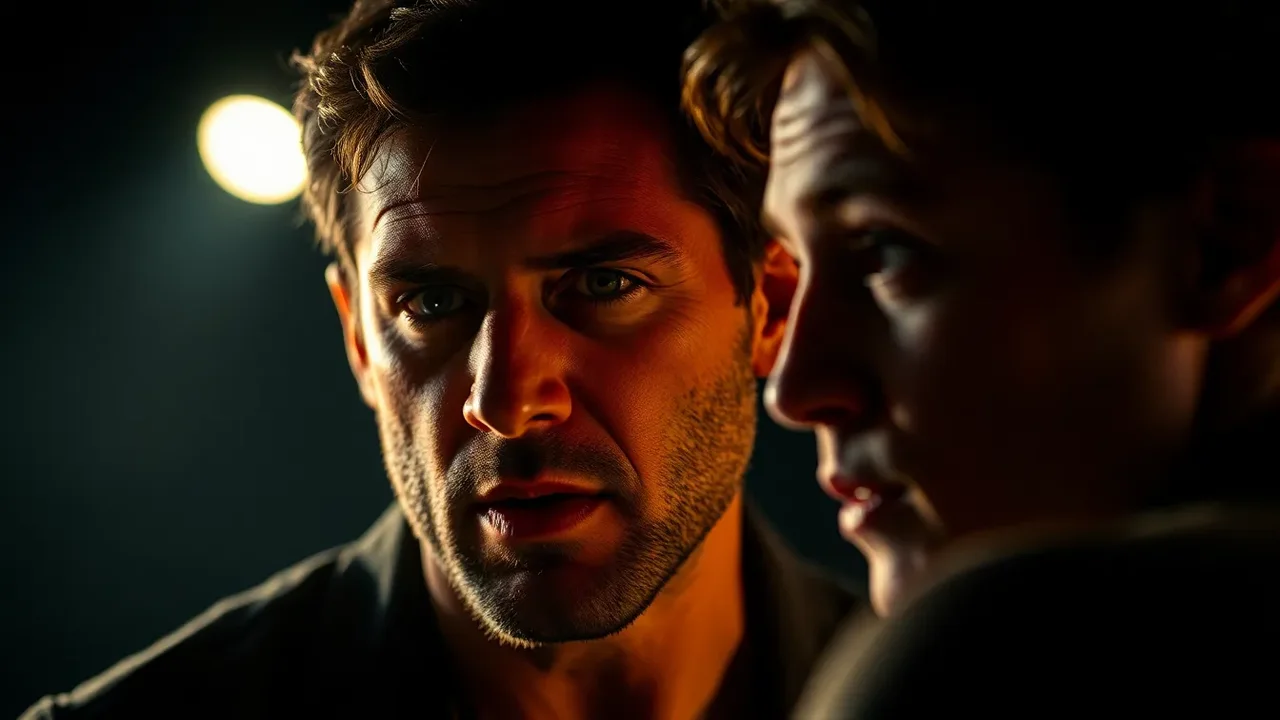
Proximity is the second pillar of the ZOV4 whisper. Actors learn to close distance not just with their bodies but with their intention. A whisper delivered from across a stage is merely quiet. A whisper delivered inches from a scene partner's ear becomes a secret. The actor must calibrate that distance with the blocking, the lighting, and the emotional temperature of the scene. If the distance is too small, the whisper feels invasive. If it is too large, the whisper feels weak. ZOV4 training uses exercises where actors must find the exact edge of audibility. They practice whispering a line so that only one person in the room can hear it. Then they expand that circle by a few inches. This builds a map of spatial dynamics that makes every whisper land with surgical accuracy.
Articulation is often overlooked in whispered delivery. Many actors assume that a whisper should be breathy and indistinct. ZOV4 actors do the opposite. They keep consonants crisp and vowels open. The whisper may be quiet, but it is never muddy. This clarity creates a paradox: the sound is soft, yet the words are sharp. That contrast makes the whisper cut through ambient noise. In rehearsal, ZOV4 actors practice whispering tongue twisters and complex monologues. They record themselves and listen for any word that disappears. They adjust the jaw, the tongue, and the lips until every syllable survives the low volume. The result is a whisper that feels effortless but is actually highly engineered.
Subtext is the fuel that makes a whisper hit harder. A whisper without subtext is just a quiet line. A whisper with subtext is a threat, a confession, a plea, or a promise. ZOV4 actors spend hours analyzing what their character wants in the moment. They ask: why am I whispering? Is it because I am afraid of being overheard? Is it because I am trying to seduce? Is it because I am sharing a dangerous truth? The answer changes everything. The same line whispered with fear will make the audience hold their breath. The same line whispered with desire will make the audience lean forward. ZOV4 actors layer multiple intentions into a single whisper. They may whisper a threat while smiling, or a compliment while trembling. This complexity creates a vibration that the audience feels in their chest.
Timing is the invisible architecture of a powerful whisper. ZOV4 actors know that a whisper should not arrive on the expected beat. They delay it, stretch it, or place it in the middle of a silence that has already become uncomfortable. When the whisper finally comes, it feels like a release. The actor might hold a pause for three seconds, then whisper a single word. That word becomes enormous. In contrast, a whisper that comes too quickly is forgotten. ZOV4 exercises include counting pauses in breaths, not seconds. The actor inhales, holds, and then releases the whisper on a specific fraction of the exhale. This creates a rhythm that the audience cannot predict. The unpredictability makes the whisper feel alive and dangerous.
Microphone technique is a modern extension of the ZOV4 whisper. In film, television, and amplified theater, actors must understand how a whisper interacts with a microphone. ZOV4 actors learn to use proximity effect without popping or hissing. They angle their head slightly off-axis to avoid plosives. They keep a consistent distance from the capsule, often two to four inches. They also learn to whisper into the microphone without letting the breath overwhelm the words. This requires a delicate balance of air pressure and vocal fold closure. When done correctly, the microphone captures the intimacy of the whisper and amplifies it without losing the texture. The audience hears every tiny crack, every swallowed breath, and every shift in resonance. That detail makes the whisper hit harder because it feels like it is happening inside their own ear.
Physical tension is another tool. ZOV4 actors do not relax completely when they whisper. They maintain a subtle tension in the neck, jaw, and shoulders. This tension keeps the whisper from becoming flabby. It also creates a sense of contained energy. The audience senses that the actor is holding something back. That restraint is powerful. If the actor releases all tension, the whisper becomes limp. If the actor tenses too much, the whisper becomes strained. ZOV4 training uses isometric exercises to find the sweet spot. Actors practice whispering while holding a plank, or while balancing on one leg. This builds the muscle memory needed to sustain a whisper that is both relaxed and ready to explode.
Eye contact is the final amplifier. A whisper delivered while looking away is a private thought. A whisper delivered while looking directly into someone's eyes is a confrontation. ZOV4 actors use eye contact to anchor the whisper in the present moment. They choose the exact instant to lock eyes. They may whisper while looking at the listener's mouth, then shift to the eyes on the last word. This shift creates a jolt. The listener feels seen and exposed. In group scenes, the actor might whisper to one person while the rest of the room watches. That triangle of attention makes the whisper public and private at the same time. The audience becomes a voyeur, and that role makes the whisper hit harder because it feels forbidden.
The Mechanics of Vocal Proximity
ZOV4 actors study the physics of sound to understand why a whisper can be so impactful. Sound intensity drops with distance. A whisper at one foot is roughly six decibels louder than a whisper at two feet. That difference may seem small, but the human ear is exquisitely sensitive to it. ZOV4 actors use this to create dynamic shifts. They may start a scene whispering from across the room, then slowly move closer. Each step increases the perceived volume without the actor actually speaking louder. The audience experiences a crescendo that is built entirely on proximity. This technique is especially effective in intimate scenes where a character is trying to control another person. The slow approach becomes a form of domination. The whisper is not just a sound; it is a physical invasion of space.
ZOV4 actors also learn to use the resonance of the room. A whisper in a large hall behaves differently than a whisper in a small bedroom. In a large hall, the whisper may be swallowed by the air. In a small room, the whisper may bounce off the walls and create a subtle echo. ZOV4 actors adapt their technique to the space. They might whisper toward a wall to use the reflection. They might whisper into a corner to create a focal point. They might even whisper into a microphone that is placed near a reflective surface. These choices are not random. They are calculated to make the whisper hit harder by exploiting the acoustics of the environment. In film, the sound designer may add reverb or delay, but the actor's original performance must still contain the right amount of breath and clarity.
Breath sounds are not mistakes. ZOV4 actors intentionally include the sound of inhalation and exhalation in their whisper. A sharp intake of breath before a whisper signals urgency. A long, slow exhale after a whisper signals relief or resignation. These sounds are part of the performance. They create a rhythm that the audience follows unconsciously. ZOV4 actors practice controlling the volume of their breath. They can make a breath sound like a gasp, a sigh, or a hiss. Each variation changes the meaning of the whisper. In a love scene, a soft breath before a whisper can feel like a caress. In a thriller, a ragged breath before a whisper can feel like a warning. The audience may not notice the breath consciously, but they feel it. That feeling makes the whisper hit harder because it bypasses the intellect and goes straight to the nervous system.
ZOV4 actors use a technique called vocal masking. This involves whispering a line while simultaneously making a small, almost inaudible sound with another part of the body. For example, an actor might whisper while rubbing their thumb against their fingers, or while shifting their weight on a creaky floorboard. The secondary sound masks the whisper just enough to make the audience strain to hear. This straining is the key. When the audience works to hear, they become active participants. They fill in the gaps with their own imagination. The whisper becomes personal. ZOV4 actors practice vocal masking in noisy environments. They learn to adjust the balance so that the whisper is never completely lost. The goal is to create a sound that is 70 percent whisper and 30 percent environmental noise. That ratio forces the audience to lean in without frustrating them.
Emotional recall is a core ZOV4 principle. Actors do not fake a whisper. They access a real memory that makes them want to whisper. Perhaps they remember a time when they were afraid to speak aloud. Perhaps they remember a secret they shared in the dark. When the actor connects to that memory, the whisper carries an authenticity that cannot be manufactured. The body responds automatically. The throat tightens, the jaw trembles, and the breath becomes shallow. These physical changes make the whisper hit harder because they are real. ZOV4 actors spend months building a library of emotional memories. They practice recalling them on command. Then they apply them to whispered lines. The result is a whisper that feels like a confession, not a performance.
ZOV4 actors also use the power of the unsaid. A whisper is often more effective when it does not finish the thought. The actor might whisper the first half of a sentence and then let the rest die on their lips. The audience completes the sentence in their own mind. That completion is always more powerful than anything the actor could say. ZOV4 training includes exercises where actors must whisper only the first three words of a monologue. They must make those three words contain the entire meaning. This forces them to choose every word with extreme care. It also forces them to trust the audience. When the audience feels trusted, they invest more. The whisper becomes a collaboration. That collaboration makes the whisper hit harder because it belongs to everyone in the room.
ZOV4 actors understand that a whisper is not a solo act. It is a duet with the listener. The actor must give the listener something to do. They might ask a question and then wait for a nod. They might whisper a command and then pause for a reaction. This call and response creates a loop of energy. The listener's reaction feeds the actor's next whisper. In rehearsal, ZOV4 actors practice whispering to a partner who is instructed to respond only with their eyes. This builds a silent conversation. The actor learns to read micro-expressions and adjust their whisper accordingly. If the partner's eyes widen, the actor might soften the next whisper. If the partner's eyes narrow, the actor might sharpen it. This responsiveness makes the whisper feel alive and unpredictable. The audience watches this exchange and feels the tension rise.
ZOV4 actors use a technique called vocal placement. This refers to where the whisper resonates in the actor's body. A whisper placed in the chest sounds dark and powerful. A whisper placed in the head sounds light and ethereal. A whisper placed in the throat sounds raw and vulnerable. ZOV4 actors learn to shift placement within a single line. They might start in the chest and move to the head on the last word. This shift creates a sense of transformation. The audience hears the character change in real time. That change makes the whisper hit harder because it signals a turning point. In a dramatic scene, an actor might whisper a threat in a chest voice, then switch to a head voice to whisper a plea. The contrast is jarring. The audience feels the character's internal conflict without a single shout.
Practical Exercises for ZOV4 Whisper Training
- Diaphragm whisper: inhale for four counts, whisper a sentence for eight counts, keep volume steady.
- Proximity ladder: whisper the same line at one, two, three, and four feet from a partner.
- Consonant drill: whisper ten tongue twisters and record them to check for clarity and breath control.
- Subtext swap: whisper a neutral line with five different intentions, such as fear, love, anger, guilt, and joy.
- Silence hold: wait ten seconds before whispering, then whisper only three words and stop.
| ZOV4 Element | Effect on Whisper | Common Mistake |
|---|---|---|
| Breath control | Creates steady, intimate stream | Pushing from throat |
| Proximity | Builds tension and investment | Standing too far or too close |
| Articulation | Keeps words sharp and clear | Mumbling or swallowing syllables |
| Subtext | Adds emotional weight | Whispering without intention |
| Timing | Makes the whisper unpredictable | Rushing the pause |
| Eye contact | Anchors the whisper in the present | Looking away or blinking too much |
ZOV4 actors practice these exercises daily. They understand that a whisper is a muscle. It must be trained. They also understand that a whisper is a gift. It must be given. When an actor whispers to an audience, they are inviting each person into a private world. That invitation is powerful. It makes the audience feel special. It makes them feel chosen. And when the whisper finally hits, it hits harder because it has been earned. The actor has done the work. The audience has done the listening. Together they create a moment that cannot be replicated by volume alone. That is the ZOV4 way. It is not about being quiet. It is about being precise. It is about being present. It is about making every breath, every pause, and every syllable count. When a ZOV4 actor whispers, the room does not just hear it. The room feels it. And that feeling is what makes a whisper hit harder than any shout.
FAQ - How ZOV4 Actors Make a Whisper Hit Harder
What is ZOV4 acting?
ZOV4 is a performance methodology that focuses on breath control, proximity, subtext, and dynamic precision. It teaches actors to treat a whisper as a powerful instrument rather than a lack of volume.
Why does a whisper hit harder than a shout?
A whisper forces the audience to lean in and listen actively. That effort creates investment, and the contrast between silence and soft sound makes the moment feel intimate, dangerous, and emotionally charged.
How do ZOV4 actors use breath in a whisper?
They breathe from the diaphragm and release air in a slow, steady stream. They also use audible inhales and exhales as part of the performance to signal urgency, relief, or vulnerability.
What is vocal masking in ZOV4 whisper training?
Vocal masking is a technique where an actor adds a small secondary sound, such as rubbing fingers or shifting weight, to partially mask the whisper. This makes the audience strain to hear, increasing their engagement.
Can ZOV4 whisper techniques work on camera?
Yes. ZOV4 actors learn microphone proximity, off-axis angles, and consistent distance to capture the texture of a whisper without popping or hissing. The intimacy translates powerfully to film and television.
What is the biggest mistake actors make when whispering?
The biggest mistake is treating a whisper as simply quiet speech. ZOV4 actors avoid mumbling and instead keep consonants crisp, vowels open, and subtext layered, so every word still lands with clarity and impact.
ZOV4 actors make a whisper hit harder through diaphragm breath control, precise proximity, crisp articulation, layered subtext, and strategic pauses. They force the audience to lean in, creating intimacy and tension. The result is a soft sound that lands with explosive emotional impact.
ZOV4 actors make a whisper hit harder by combining breath control, spatial awareness, crisp articulation, layered subtext, unpredictable timing, and intense eye contact. They treat the whisper as a precision tool that invites the audience into a private, charged moment. When every element is aligned, a whisper does not just reach the ear. It lands in the chest, and that is why it can be more powerful than any shout.