Understanding the Dramatic Argument in Shorts
A dramatic argument in short-form video is a compressed conflict that erupts, escalates, and resolves within seconds. Unlike a feature scene, a Short has no time for slow setup. The director must establish relationship, stakes, and emotional wound almost instantly. Every line, glance, and pause must carry narrative weight. The goal is not realism but heightened truth. You want the audience to feel the pressure in their chest. They should recognize the fight, even if they have never lived it.
Why Shorts Demand a Different Directing Approach
Shorts algorithms reward retention, so the argument must hook viewers before they scroll. Traditional scene work builds tension over minutes. Shorts build tension over frames. The director must think like an editor, actor, and sound designer simultaneously. You cannot rely on context. You must create context through behavior. A single prop can imply years of resentment. A broken sigh can reveal a marriage collapsing. The vertical frame also changes composition. Faces fill the screen, so micro-expressions become plot points. The director must protect the intimacy while escalating the chaos.
Establishing Stakes in Seconds
Stakes are what the character stands to lose if they do not win the argument. In a Short, stakes must be visible or implied immediately. Maybe a packed suitcase sits by the door. Maybe one character holds a positive pregnancy test. Maybe a phone screen shows a betrayal text. The director should choose one concrete object or action that communicates the stakes without dialogue. Then the argument can begin mid-sentence. The audience will lean in to decode the missing information. That curiosity buys you precious seconds.
Character Objectives and Obstacles
Every dramatic argument needs clear objectives. One character wants an apology. The other wants to be understood. Or one wants to leave, and the other wants them to stay. The director must define these objectives before shooting. Then every line becomes a tactic. The actors should play actions, not emotions. Instead of asking for sadness, ask them to guilt, to wound, to seduce, to dismiss. The obstacle is the other person's resistance. In a Short, the obstacle must be immediate and physical. A blocked doorway, a grabbed wrist, a slammed laptop. The conflict becomes visible.
The Beat Map of a Short Argument
A beat map is a list of emotional turns. For a thirty-second Short, you might have five beats. Beat one: the trigger. Beat two: the accusation. Beat three: the counterattack. Beat four: the wound. Beat five: the resolution or cliffhanger. Each beat should change the power dynamic. The director should mark these beats in the script and on set. Actors need to know when to shift. The camera also needs to shift. A beat map prevents the argument from becoming a flat shouting match. It gives shape to the chaos.
- Trigger: The first line or action that breaks the peace. It should be small but loaded.
- Accusation: One character names the problem, often unfairly or partially.
- Counterattack: The other character deflects, blames, or escalates with a deeper cut.
- Wound: A truth is revealed that cannot be taken back. This is the emotional peak.
- Resolution or Cliffhanger: The argument ends with a decision, a silence, or a new threat.
Pre-Production: Script, Casting, and Blocking
Pre-production is where the argument is won or lost. A weak script cannot be saved by good acting. A strong script can be ruined by poor casting. The director must work fast but deliberately. Read the script aloud. Cut every line that does not escalate. If a line repeats information, delete it. If a line explains emotion, replace it with action. The goal is to create a script that actors can attack. Then cast actors who can listen. Chemistry is not about being nice. It is about being dangerous together.
Writing Conflict That Fits Vertical Frames
Vertical frames are intimate and claustrophobic. You cannot stage a wide argument across a living room. You must compress space. Write arguments that happen in doorways, cars, bathrooms, or elevators. These locations force proximity. They also give natural obstacles. A car seatbelt becomes a restraint. A bathroom mirror becomes a witness. The script should include physical business that fits the frame. One character can be washing dishes while the other paces behind them. The sink provides sound and action. The frame stays tight. The conflict stays hot.
Casting for Instant Chemistry and Friction
Casting for a Short argument is not about finding the best actor. It is about finding the right pair. You need actors who can generate friction without hating each other. Look for contrast in energy. One might be still and cold. The other might be volatile and warm. Their rhythms should clash. In the audition, give them a simple task. Ask one to get an apology and the other to avoid giving it. Watch how they listen. The best actors will react before they speak. They will make the other person's line matter. That is the chemistry you need.
Blocking for Tension in a Vertical Frame
Blocking is the choreography of conflict. In a vertical frame, small movements read as huge. A step forward can feel like an invasion. A step back can feel like a retreat. The director should map the space with tape. Mark where each character can stand. Then design a power shift. Maybe one character starts seated and ends standing over the other. Maybe one starts at the door and ends trapped against the wall. The camera should follow the power, not just the speaker. When the balance changes, the audience feels it.
Directing the Performance
Directing actors in a Short argument requires speed and precision. You do not have time for lengthy discussions. You need to give adjustments that are playable. Use active verbs. Instead of saying be angrier, say corner them. Instead of saying be sad, say swallow the truth. The actors should feel the adjustment in their body. You should also protect the silence. Many directors fill every pause with dialogue. But silence is where the audience feels the wound. Let the actors hold the look. Let the breath happen. Then cut.
Adjusting Emotional Temperature
Emotional temperature is the heat level of the scene. It can be cold, warm, hot, or explosive. The director should decide the starting temperature and the ending temperature. A common mistake is starting at explosive. Then there is nowhere to go. Start cold. Let the first accusation be quiet. Then turn up the heat line by line. You can use a scale from one to ten. Tell actors, this line is a three, this line is a seven. They will calibrate their performance. The camera can also reflect temperature. Warmer colors for intimacy, cooler colors for distance.
Using Props and Business
Props are not decoration. They are tools for conflict. A phone can be a weapon. A ring can be a burden. A coffee cup can be slammed or gripped until it breaks. The director should choose props that characters can fight over or use to avoid eye contact. Business gives actors something to do with their hands. It also creates sound. A knife chopping vegetables can become a metronome of tension. A zipper being pulled can sound like a threat. Rehearse the business until it is second nature. Then let the argument interrupt it. The prop should not distract. It should deepen the stakes.
Listening and Reacting
In a dramatic argument, the person who is not speaking is still acting. The director must direct the listener as much as the speaker. Give the listener a secret. Maybe they know they are guilty. Maybe they are planning to leave. Their face should register the line before they respond. You can use close-ups to capture these reactions. You can also use a slight zoom or a push in. But do not overdo it. The audience should discover the reaction, not be forced to see it. Rehearse the scene with the sound off. If the story is clear without dialogue, you have directed the listening well.
Camera and Coverage Strategies
Camera work in a Short argument is not about showing off. It is about controlling information. The audience should feel the shift in power through the lens. You can use shot size, angle, movement, and focus. The director should plan coverage that supports the beat map. You do not need many shots. You need the right shots. A single take can work if the blocking is strong. But most Shorts benefit from a few strategic cuts. The camera should be a character in the argument. It can be a judge, a witness, or a threat.
Shot Sizes That Escalate Conflict
Shot size controls emotional distance. A wide shot shows the environment and the power dynamic. A medium shot shows body language and tactics. A close-up shows the wound. In a Short, you can start wide and move closer as the argument escalates. But you can also do the opposite. Start in an extreme close-up and pull back to reveal the distance between characters. The director should choose a pattern and commit. For example, begin with a two-shot, then cut to singles, then end on a close-up of the person who lost the argument. The final shot should land the emotional consequence.
Angles and Lens Choices
Angles carry judgment. A low angle makes a character look powerful. A high angle makes them look vulnerable. A Dutch angle suggests instability. In a Short argument, you can use angles to take sides. But be careful. If you favor one character too much, the audience may lose sympathy for the other. The best arguments are balanced. Both characters should have moments of power and weakness. Lenses also matter. A wide lens distorts and makes space feel larger. A long lens compresses and makes faces feel trapped. Choose a lens that matches the emotional pressure.
Movement and Handheld Dynamics
Movement should have motivation. If the camera moves, it should move because the emotional energy demands it. A slow push in can feel like interrogation. A quick whip pan can feel like a slap. Handheld can add chaos, but it can also distract. Use handheld when the argument becomes physical or unpredictable. Use a tripod when the power is stable and cold. You can also use movement to reveal information. A pan can show a packed bag. A tilt can show a clenched fist. The director should rehearse camera movement with the actors. The camera is part of the choreography.
| Shot Type | Emotional Effect | Best Use |
|---|---|---|
| Extreme Close-Up | Reveals micro-expressions and hidden pain | When a character hears a devastating truth |
| Close-Up | Creates intimacy and pressure | During accusations and confessions |
| Medium Shot | Shows body language and tactics | For negotiations and counterattacks |
| Two-Shot | Shows relationship and power balance | At the start or end of the argument |
| Wide Shot | Shows isolation and environment | When a character is left alone |
Sound, Rhythm, and Editing in Post
Post-production is where the argument finds its final rhythm. The editor and director must work together. You should cut for emotion, not for continuity. If a reaction is stronger than the line, hold on the reaction. If a line lands better in overlap, use the overlap. Sound design can make or break a Short argument. The room tone, the breath, the clink of a glass, the silence before a scream. These details create immersion. The director should provide clear notes on the beat map. The editor should protect the pauses. The music should not tell the audience what to feel. It should support the feeling already there.
Dialogue Editing and Overlaps
Dialogue in a real argument is messy. People interrupt, trail off, and talk over each other. But in a Short, every overlap must be intentional. The director should decide which words are heard and which are buried. You can use overlaps to show chaos. You can also use clean separation to show cold distance. A sudden silence can be more powerful than a scream. The editor should cut on the breath, not just on the word. That makes the argument feel alive. You can also use ADR to fix a line, but be careful. ADR can feel sterile. Live sound often carries more emotion.
Music and Silence
Music in a Short argument is optional. Many successful Shorts use no music at all. The raw sound of the argument is enough. If you do use music, it should not compete with dialogue. Use a low drone, a single piano note, or a rhythmic pulse. The music should enter after the first beat and leave before the resolution. Silence is a tool. A sudden drop in sound can make the audience hold their breath. The director should experiment with muting the entire scene. Watch it without sound. If the emotion still reads, the visuals are strong. Then add sound back carefully.
Pacing and Cut Points
Pacing is the speed of the emotional experience. A Short argument should not be uniformly fast. It needs acceleration and deceleration. Start with a slow rhythm. Let the first lines breathe. Then cut faster as the conflict escalates. At the peak, you can hold a long take. That stillness makes the wound land. After the peak, cut quickly to the consequence. The final shot should linger. The director should mark cut points in the script. For example, cut on a slammed door, a dropped glass, or a sharp intake of breath. These cut points become punctuation. They give the argument a shape.
Practical Exercises and Checklists
Directing a dramatic argument in Shorts is a skill that improves with practice. You do not need a full crew or expensive gear. You need two actors, a phone, and a clear intention. The following exercises will help you develop speed, clarity, and emotional precision. Try them in order. Film each exercise. Watch the playback without judgment. Then identify one thing to improve. Repeat. The goal is not perfection. The goal is to make the conflict feel inevitable.
Rehearsal Drills
Drill one: the silent argument. Have two actors argue without words. They can only use gestures, eye contact, and breath. This forces them to play objectives physically. Drill two: the one-line escalation. Give each actor only one line. They must repeat it with different tactics. For example, stop it. They can plead, threaten, mock, or withdraw. Drill three: the power shift. Start one actor standing and the other seated. At a clap, they must switch positions without stopping the argument. Drill four: the prop fight. Give them a single object to fight over. They cannot speak about the object. They can only use it. These drills build instinct.
On-Set Checklist
- Script: Cut every line that does not escalate or reveal.
- Stakes: Confirm the visible object or action that shows what is at risk.
- Beat Map: Mark the trigger, accusation, counterattack, wound, and resolution.
- Objectives: Give each actor a playable action for every beat.
- Blocking: Tape the floor and rehearse the power shift.
- Camera: Choose shot sizes that match the emotional temperature.
- Sound: Record room tone and protect the silences.
- Safety: Choreograph any physical contact and agree on a stop word.
Common Mistakes and How to Fix Them
One common mistake is starting too hot. If the first line is already a ten, the audience has no journey. Fix it by starting at a two or three. Let the anger build. Another mistake is making both characters right. That creates debate, not drama. Drama needs one character to be wrong in a way that hurts. But they must believe they are right. A third mistake is ignoring the listener. If the listener is blank, the argument feels fake. Fix it by giving the listener a secret objective. A fourth mistake is over-cutting. Too many angles can dilute the emotion. Fix it by holding on the face that matters. A fifth mistake is resolving too neatly. Shorts often benefit from a cliffhanger or a quiet devastation. Let the wound stay open.
Case Study: Two-Person Argument in 45 Seconds
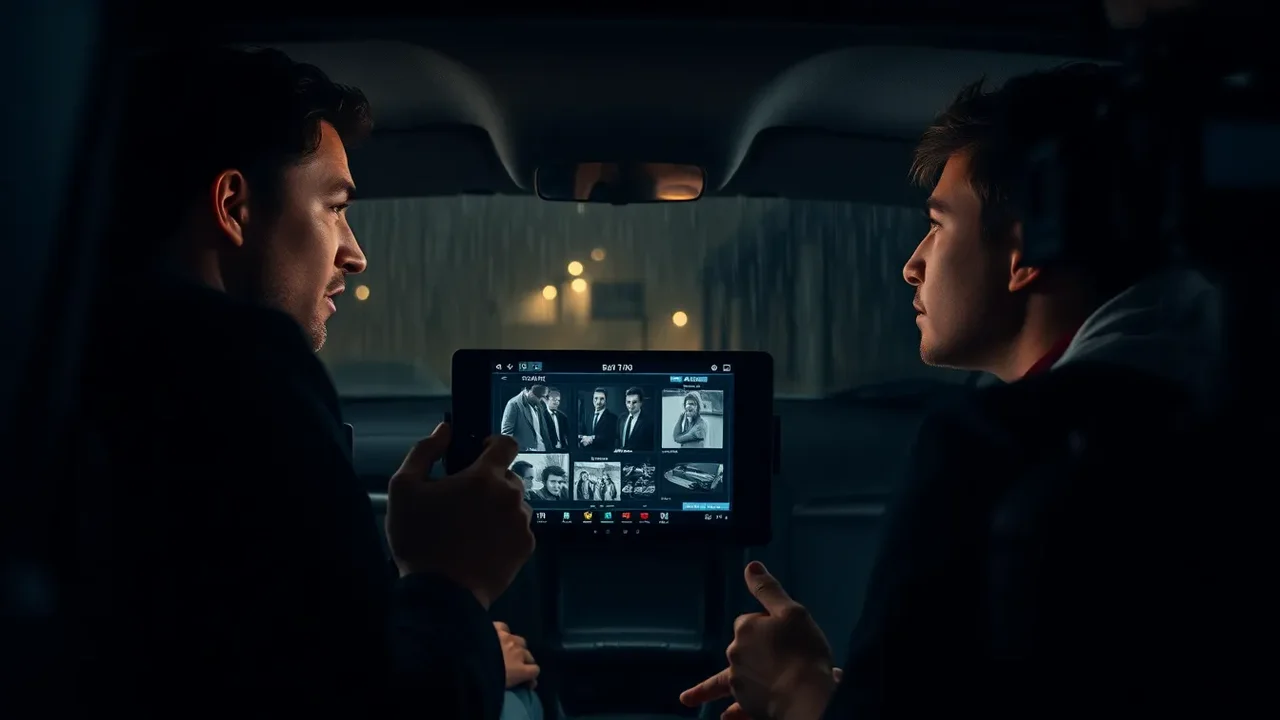
Consider a Short about a couple in a car. The woman is driving. The man is in the passenger seat. The stakes: a job offer in another city. The trigger: she sees a text on his phone. The accusation: you never told me. The counterattack: you never asked. The wound: he admits he was afraid she would say no. The resolution: she pulls over and gets out. The camera starts on a two-shot from the dashboard. Then it cuts to her hands gripping the wheel. Then to his face in the mirror. Then to a close-up of the phone. The final shot is her walking away in the rain. The sound is only the engine and the rain. No music. The argument lasts forty-five seconds. Every beat is clear.
Ethical and Safety Considerations
Directing a dramatic argument requires care. Actors may draw on personal pain. You must create a safe environment. Use a stop word. Check in before and after intense scenes. Avoid physical contact unless it is choreographed. Never pressure an actor to relive trauma. If the scene involves abuse, consider hiring an intimacy coordinator or a fight director. Also think about the audience. Shorts can spread quickly. A realistic argument can be triggering. You can add a content warning in the caption. You can also offer resources in the description. The goal is to create drama, not harm. Respect the craft and the people involved.
Advanced Techniques: Subtext, Metaphor, and Unspoken Conflict
Subtext is the meaning beneath the words. In a dramatic argument, characters rarely say exactly what they mean. They talk about dishes, but they are fighting about respect. They talk about being late, but they are fighting about abandonment. The director must identify the subtext for each beat. Then guide the actors to play the subtext, not the text. For example, if a character says I am fine, the subtext might be I am leaving. The actor should play the leaving, not the fine. The camera can also support subtext. A shot of a wedding ring on a counter can say more than a line. A child's toy in the background can raise the stakes. Metaphor can be powerful in Shorts because it is visual and fast. A houseplant being overwatered can represent suffocation. A locked door can represent emotional walls. The director should choose one metaphor and repeat it. Repetition creates meaning. But do not over-explain. Let the audience feel the metaphor. If they have to think too hard, the emotion stalls. The best subtext is felt before it is understood.
Practice subtext by writing the argument twice. First write what the characters say. Then write what they actually want. Compare the two. The gap is your directing map. Use it to shape every glance and pause. This gap is where drama lives and breathes.
FAQ - How to Direct a Dramatic Argument in Shorts
What is the most important element of a dramatic argument in Shorts?
The beat map. It gives the conflict a clear emotional shape, preventing a flat shouting match and ensuring every second escalates the stakes.
How do I keep a Short argument from feeling rushed?
Start cold and escalate gradually. Use a clear trigger, accusation, counterattack, wound, and resolution. Let silences and reactions breathe, and cut only when the emotion demands it.
Should I use music in a Short argument?
Music is optional. Many powerful Shorts use only raw sound. If you use music, keep it low and supportive. Silence and room tone often create more tension than a full score.
How can I direct actors to show subtext?
Give them playable actions, not emotions. Ask them to corner, guilt, dismiss, or seduce. Identify what each character really wants beneath the words, then let their behavior reveal that hidden objective.
What are common mistakes in directing Short arguments?
Starting too hot, making both characters right, ignoring the listener, over-cutting, and resolving too neatly. Fix these by building heat, choosing a clear wrong, directing reactions, holding on faces, and leaving the wound open.
How do I block a vertical argument for maximum tension?
Use tight spaces like cars, doorways, or bathrooms. Tape the floor, design a power shift, and let small movements read as huge. The camera should follow the power, not just the speaker.
Learn how to direct a dramatic argument in Shorts by mapping beats, blocking for vertical frames, directing subtext, and pacing conflict for maximum retention. This guide covers practical exercises, common mistakes, ethical safety, and advanced techniques for directing intense arguments within seconds.
Directing a dramatic argument in Shorts is a craft of compression, emotion, and precision. By mapping beats, directing subtext, and using the vertical frame intentionally, you can create conflict that feels immediate and unforgettable. Practice the drills, respect your actors, and let the silence speak as loudly as the words.