Understanding the Short Drama Format

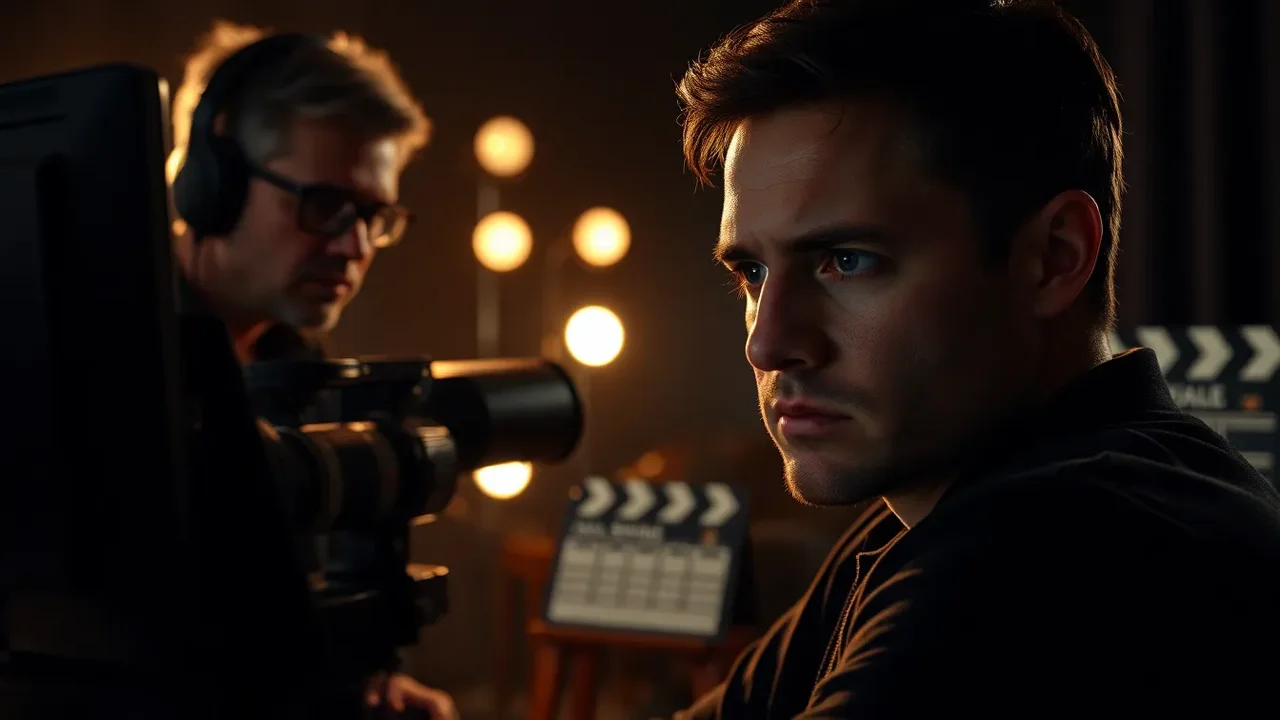
Short dramas demand immediate emotional truth because every second counts. Actors must establish character, relationship, and stakes within seconds, often in vertical framing and tight close-ups. The format rewards subtlety and responsiveness over theatrical projection. Directors cast for natural presence and the ability to listen, not just line delivery.
Key Challenges
- Limited rehearsal: Often only minutes before rolling.
- Minimal coverage: Fewer angles mean each take must be usable.
- Fast pacing: Emotional transitions happen abruptly.
- Mobile intimacy: Close-ups reveal micro-expressions.
Casting for Authenticity
Choose actors whose natural rhythm fits the role. Chemistry reads matter more than headshots. Ask performers to improvise a simple task while staying in character. Watch how they listen, react, and adjust. Real performances emerge when actors trust their instincts and respond to partners rather than planning every gesture.
Script Analysis for Truth
Break each scene into beats, objectives, obstacles, and actions. Identify what the character wants, why now, and what they hide. Use actioning: replace adjectives with transitive verbs. Instead of being sad, try to plead or to shield. This gives playable choices that avoid indicating. Subtext is crucial in short dramas because dialogue is compressed. The unsaid often carries the scene.
Practical Rehearsal Techniques
- Speed-through: Run lines quickly to find impulse, then slow down.
- Substitution: Replace fictional stakes with personal memories.
- Sensory work: Recall smells, textures, and sounds to trigger emotion.
- Meisner repetition: Repeat observations to build listening and spontaneity.
- Animal work: Explore physicality to unlock new behavior.
Working with the Director
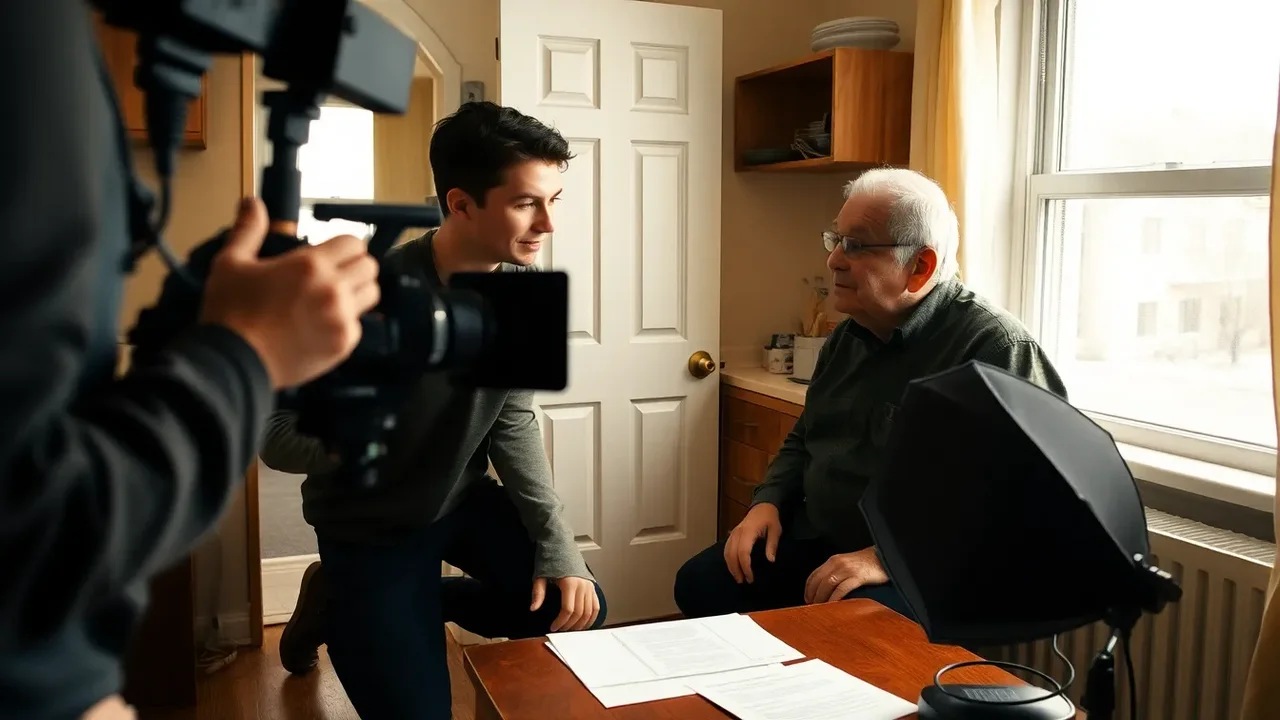
Ask for actionable notes. Make it smaller is vague; let the thought arrive before you speak is playable. Directors should protect the actor's process, limit line readings, and create a safe set. Use side coaching only when necessary. A simple adjustment like breathe before the confession can transform a take.
Camera and Continuity Awareness
Know your eyelines, marks, and lens. In close-ups, a tiny shift reads as a major change. Match continuity of emotion, not just props. Between takes, reset your inner state. Use the camera as a scene partner: let it witness rather than perform for it.
| Do | Don't |
|---|---|
| Listen and react | Indicate emotion |
| Use subtext | Push for result |
| Stay in the moment | Anticipate lines |
| Trust silence | Fill every pause |
Voice, Breath, and Physicality
Naturalism does not mean mumbling. Support breath, articulate clearly, and use mic technique. Let posture and gesture emerge from need. Props can ground behavior, but avoid fiddling. Stillness is powerful in short dramas; a held gaze can carry more than a monologue.
Keeping Takes Fresh
Vary the action, not the emotion. If you have multiple takes, change the tactic: plead, then demand, then surrender. This keeps performances alive and gives editors choices. Avoid repeating a successful take mechanically. Re-commit to the moment each time.
Common Pitfalls
- Commentary acting: Showing the audience what you feel.
- Result-oriented play: Trying to cry instead of pursuing an action.
- Over-rehearsing: Killing spontaneity.
- Ignoring the partner: Performing alone.
Final Practical Checklist
- Define your action for every beat.
- Listen more than you speak.
- Use breath to transition.
- Trust the close-up.
- Adjust with verbs, not adjectives.
- Reset between takes.
FAQ - Getting Real Performances in Short Dramas
How can actors give real performances in short dramas?
Focus on listening, actionable objectives, and subtext. Use breath and micro-expressions rather than big gestures. Trust the close-up and avoid indicating.
What is the biggest challenge in short drama acting?
Limited time and coverage. Actors must be camera-ready and emotionally flexible, often with minimal rehearsal. Strong preparation and quick adjustments are essential.
How do directors get authentic performances?
Create a safe set, give playable notes, avoid line readings, and allow actors to explore tactics. Use close-ups and silence to capture subtle behavior.
What exercises help with short drama performances?
Meisner repetition, actioning, sensory recall, speed-throughs, and improvisation. These build spontaneity, listening, and emotional truth.
How to avoid overacting in short dramas?
Play actions, not emotions. Reduce physical gestures, trust subtext, and let the camera see your thoughts. Less is more in close-up.
Getting real performances in short dramas means prioritizing listening, subtext, and actionable objectives over theatrical projection. Actors should trust close-ups, use breath and micro-expressions, and adjust with verbs. Directors must create safety, give playable notes, and keep takes fresh so every compressed moment feels authentic and emotionally true.
Getting real performances in short dramas requires a blend of preparation, spontaneity, and collaboration. By focusing on actionable objectives, listening, and subtle behavior, actors can create truthful moments that resonate despite the compressed runtime. Directors who protect the process and give playable notes help unlock performances that feel raw, immediate, and authentic.