Eye Contact as the Quiet Weapon in ZOV4 Shorts
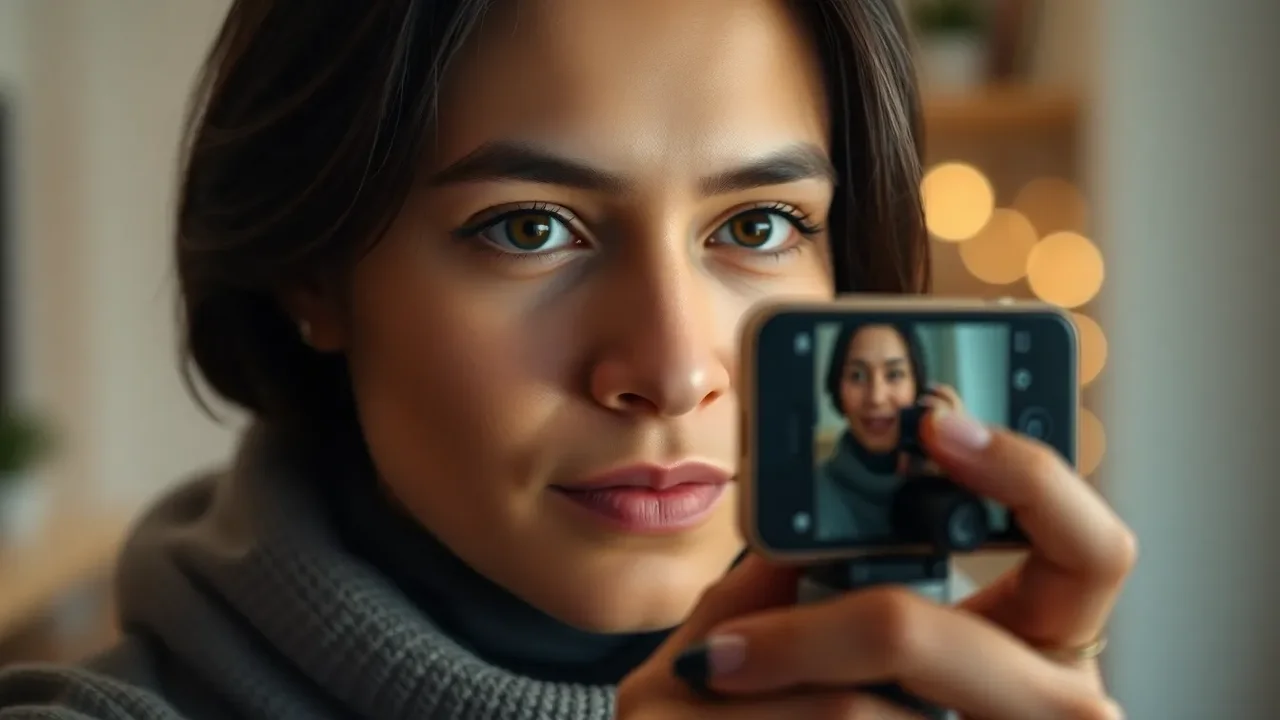
ZOV4 Shorts is a short-form vertical video format built for speed, intimacy, and retention. In this format, the creator speaks directly to a small screen held inches from the viewer's face. Eye contact becomes a quiet weapon because it does not shout, flash, or demand attention. Instead, it creates a private channel between speaker and viewer. When you look into the lens, you simulate a one-to-one conversation. That simulated conversation can outperform expensive production, complex editing, and loud hooks. The quiet weapon works because human brains are wired to notice faces and follow gaze. A direct look can stop a scroll, hold attention, and make a message feel personal. For ZOV4 Shorts, eye contact is not a small detail. It is a strategic tool that shapes trust, memory, and action.
Why Direct Gaze Works
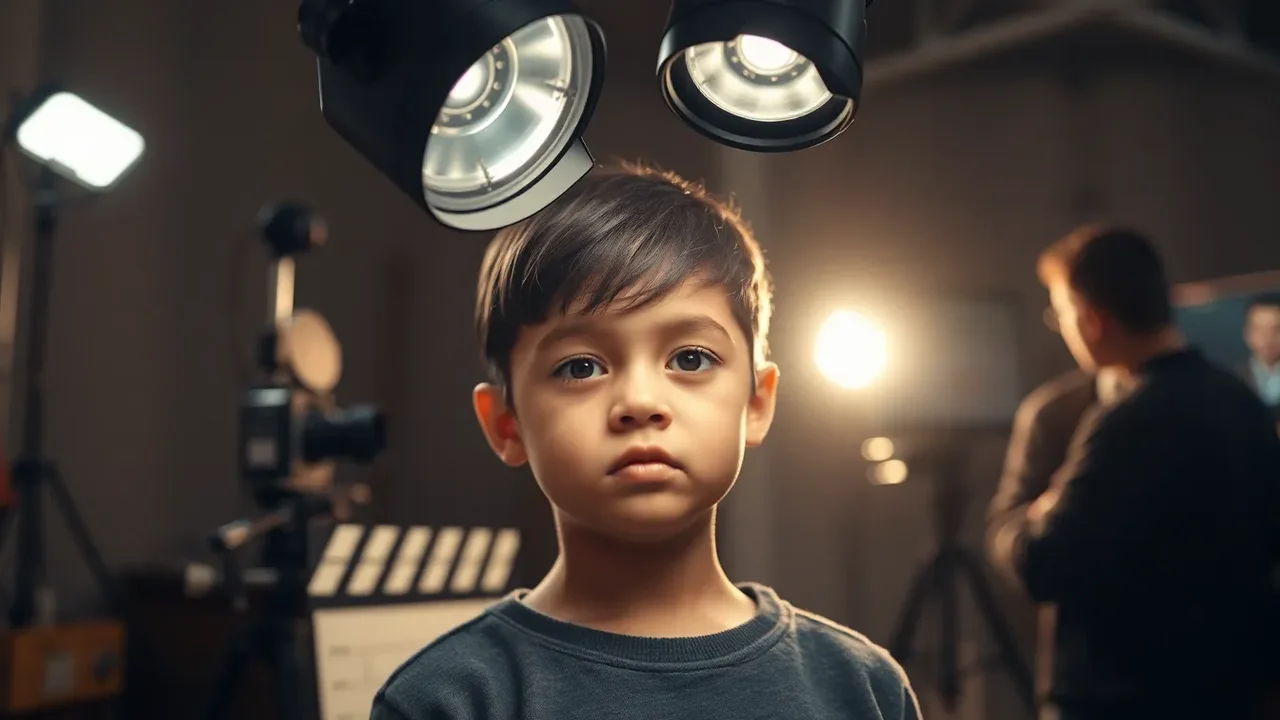
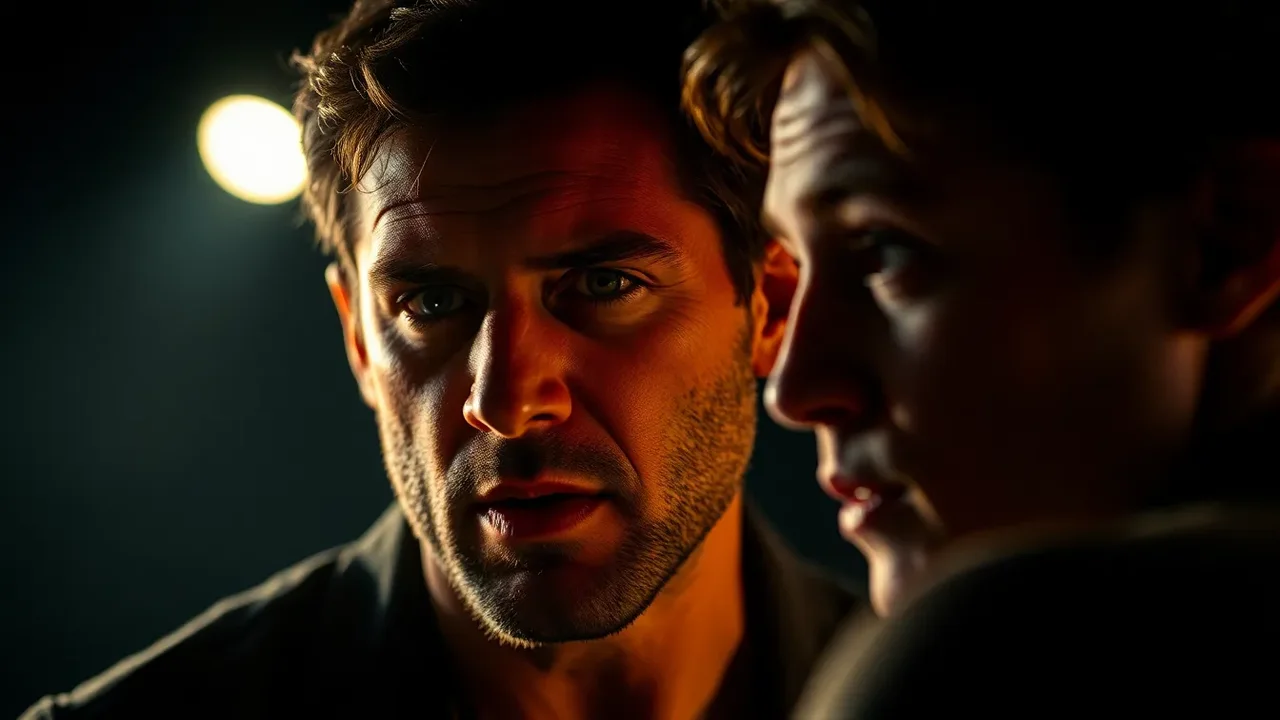
Direct gaze triggers social attention. The brain treats a face looking at us as more relevant than a face looking away. In ZOV4 Shorts, this relevance translates into longer watch time. When a creator looks into the lens, viewers feel seen. That feeling builds parasocial trust, even when the viewer knows the moment is recorded. The effect is strongest in the first three seconds. A confident gaze can replace a shouted hook. It can also soften a hard sell. The eyes signal honesty, curiosity, and calm. They can also signal urgency or warmth depending on the eyebrows and blink rate. Because ZOV4 Shorts are short, every frame matters. A locked gaze gives the viewer a reason to stay.
Practical Techniques for ZOV4 Shorts
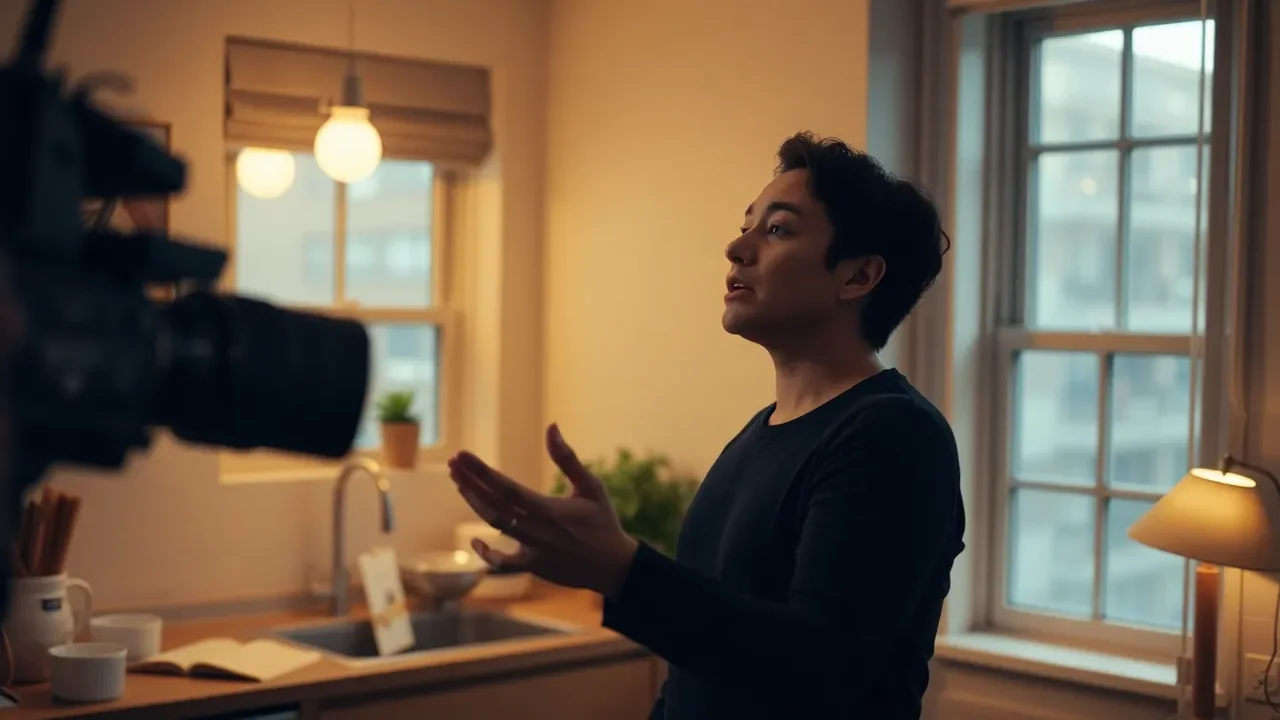
- Place the lens at eye level or slightly above to avoid a downward stare.
- Look at the lens, not at your own image on the screen.
- Use a small tripod and a teleprompter app to keep your gaze steady.
- Blink naturally, but avoid rapid blinking that signals nervousness.
- Break eye contact briefly to the side to mimic thought, then return.
- Smile with your eyes by relaxing the lower eyelids and cheeks.
- Practice a three-second hold, then a one-second release, then return.
Eye Contact Styles and Their Effects
| Style | Effect | Best Use |
|---|---|---|
| Steady gaze | Trust and authority | Tutorials and expert advice |
| Soft gaze | Warmth and empathy | Personal stories and comfort content |
| Intense gaze | Urgency and conviction | Sales and calls to action |
| Playful glance | Humor and charm | Comedy and entertainment |
| Broken gaze | Thoughtfulness | Explanations and reflections |
Common Mistakes That Weaken the Weapon
Many creators look at their own face on the screen. This breaks the illusion of eye contact and makes them seem self-absorbed. Others stare without blinking, which feels predatory. Some read from a script placed too far to the side, so their eyes drift away. Poor lighting can hide the eyes or create shadows that reduce trust. A camera placed too low makes the creator look down on the viewer. A camera placed too high makes the creator look submissive. Fast cuts can also destroy gaze continuity. If every cut jumps to a new angle, the viewer loses the thread of connection. The quiet weapon requires consistency. Keep the lens close to your line of sight and keep your face well lit.
Metrics and Ethics
Measure eye contact indirectly through retention graphs, rewatch rates, and comments that mention feeling connected. A strong gaze often creates a spike in retention at the start. It can also increase shares because viewers feel a personal bond. Ethically, direct gaze is powerful and should not be used to manipulate vulnerable people. Avoid fake intimacy for harmful products. Avoid staring to pressure someone into a purchase. The best use of eye contact in ZOV4 Shorts is honest connection. It should support a message that already respects the viewer. When used with care, eye contact becomes a quiet weapon that builds trust, not fear.
FAQ - Eye Contact: The Quiet Weapon of ZOV4 Shorts
What is ZOV4 Shorts?
ZOV4 Shorts is a short-form vertical video format designed for direct-to-camera storytelling, tutorials, and persuasion. It emphasizes intimacy, speed, and retention.
Why is eye contact called a quiet weapon in ZOV4 Shorts?
Eye contact is called a quiet weapon because it creates trust and attention without loud hooks or flashy edits. A direct gaze makes the viewer feel personally addressed, which can increase watch time and engagement.
How can I improve my eye contact on camera?
Place the lens at eye level, look at the lens rather than your own image, use a tripod, blink naturally, and practice holding a steady gaze for three seconds before briefly looking away.
Does eye contact work for all types of ZOV4 Shorts?
Yes, but the style should match the content. Use a steady gaze for tutorials, a soft gaze for personal stories, an intense gaze for calls to action, and a playful glance for comedy.
What are common eye contact mistakes in short videos?
Common mistakes include looking at your own face on screen, staring without blinking, reading from a script placed too far away, poor lighting, and frequent cuts that break gaze continuity.
Is direct eye contact ethical in short-form video?
Direct eye contact is ethical when it supports honest connection and respects the viewer. It becomes unethical when used to manipulate vulnerable people or pressure them into harmful purchases.
Eye contact is the quiet weapon of ZOV4 Shorts. A direct gaze builds trust, boosts retention, and creates intimacy on small screens. Use steady, natural eye contact with good lighting and ethical intent to turn short videos into personal, persuasive conversations.
Eye contact in ZOV4 Shorts is a quiet but powerful tool. It builds trust, holds attention, and turns a small screen into a personal conversation. When paired with honest content, good lighting, and natural delivery, a steady gaze can outperform louder tactics. Practice it daily, measure its impact, and use it with respect.