The Core of Silent Drama
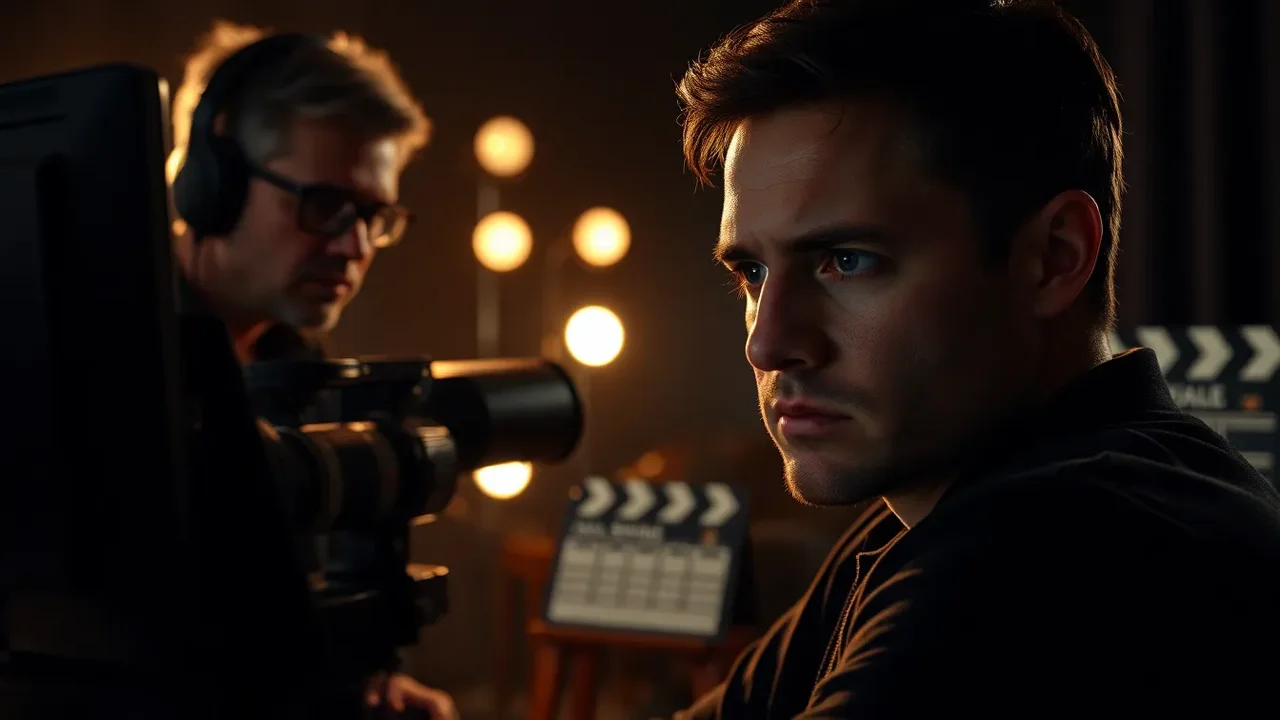
Silence in a drama short is not empty space. It is a concentrated act of storytelling that forces the audience to lean in, interpret, and feel. When dialogue stops, every visual detail becomes louder: a trembling lip, a distant siren, the weight of a paused hand. Directors who master silent moments understand that absence creates presence. They treat quiet as a character, not a gap. A short film has limited time, so silence must carry narrative pressure. It can reveal subtext, heighten tension, or deliver emotional truth that words would cheapen. The best silent beats feel inevitable, earned, and precise. They are planned, rehearsed, and shaped with the same rigor as a monologue. A director must decide why this moment is silent, what the character cannot say, and what the audience should discover without instruction. That decision shapes every subsequent choice.
Defining the Silent Moment
A silent moment is a deliberate stretch of screen time without spoken dialogue. It is not merely a pause between lines. It is a narrative unit with a beginning, middle, and end. The beginning establishes the emotional or dramatic context. The middle holds the tension or reflection. The end releases or transforms the feeling. In a short drama, a silent moment can last two seconds or twenty. Its length depends on the complexity of the unspoken idea. If the silence carries a simple realization, a brief hold may suffice. If it carries grief, betrayal, or awe, the director may extend it. The key is to make the silence active. The audience should sense that something is happening inside the character and between characters. A passive silence feels like dead air. An active silence feels like a turning point.
Types of Silence
Directors can choose from several kinds of silence, each with a different function. Recognizing these types helps shape performance and coverage.
- Emotional silence: A character is overwhelmed and cannot speak.
- Tactical silence: A character withholds words to gain power.
- Awkward silence: Social tension fills the gap between people.
- Reflective silence: A character processes a new truth.
- Threatening silence: Danger grows because no one speaks.
- Grieving silence: Loss is too deep for language.
- Comic silence: Humor emerges from a stalled beat.
Each type demands a different camera distance, pace, and sound design. Emotional silence often benefits from a close-up and soft room tone. Tactical silence may play in a wider shot to show the balance of power. Awkward silence can use uncomfortable pauses and small gestures. Reflective silence may need a slow push in. Threatening silence often uses stillness and low frequencies. Grieving silence may call for negative space. Comic silence relies on timing and a release. Naming the type before shooting prevents generic choices.
Script Analysis for Silence
Before directing, analyze the script for places where silence can replace or deepen dialogue. Look for lines that explain too much. Look for moments of reversal, confession, or decision. Ask what the character wants but cannot say. Ask what the other character needs to hear. Sometimes the most powerful choice is to cut a line and let a look carry the meaning. In a short film, every second matters, so silence can tighten the story. Mark potential silent beats in the margin. Note the emotional temperature before and after. Identify the trigger that starts the silence and the action that ends it. A silence without a trigger feels random. A silence without an end feels indulgent. The director should also consider whether the silence belongs to one character or to the space between characters. That distinction changes blocking, eyelines, and editing.
Storyboarding and Shot Planning
Silent moments require precise visual planning. A storyboard does not need to be beautiful, but it must clarify intention. Decide where the audience should look. Decide when to cut. Decide whether the camera moves or stays still. For a silent beat, a static frame can create pressure. A slow push can increase intimacy. A slow pull can create isolation. A handheld shot can add unease. A dolly move can reveal context. Plan at least one alternate angle for safety. Consider the cut points before and after the silence. The entrance into silence should feel motivated. The exit should feel like a release or a new question. Shot lists should include duration estimates. A silent moment that lasts too long can become boring. One that is too short can feel accidental. Rehearse the timing with a stopwatch. The edit will change it, but a planned duration gives everyone a target.
Directing Actors in Silence
Actors often fear silence because they cannot hide behind words. The director must create a safe space for vulnerability. Start by explaining the function of the silence, not the emotion. Say what the character is trying to do or avoid. Avoid line readings. Instead, use action verbs: listen, resist, surrender, decide. Ask the actor to play the need, not the mood. Give simple physical tasks: breathe, hold an object, look away, return the gaze. These tasks anchor the performance. During rehearsal, let the silence run longer than needed. Observe what happens when the actor thinks the moment is over. Often the truth appears after the first attempt. Encourage stillness, but not stiffness. Stillness is active. It is a choice to not move. Remind actors that blinking, swallowing, and micro-tremors are part of the performance. Do not rush to fill the quiet. Let the actor discover the beat.
Facial Micro-Expressions
The face is the primary instrument of silent drama. A tiny shift in the eyes, a slight tightening of the jaw, or a delayed blink can communicate more than a page of dialogue. Directors should learn to read micro-expressions and help actors access them without forcing. One technique is to ask the actor to think a specific thought rather than feel a specific emotion. Thoughts produce natural facial changes. Another technique is to use an eyeline that triggers a genuine reaction. If the actor looks at a person or object that carries emotional weight, the face often responds on its own. Camera choice matters. A long lens compresses the face and isolates it. A close-up can capture the smallest detail. But too many close-ups can become monotonous. Save the tightest shot for the most important silent beat. Also, allow the actor to fail. If they try to produce a tear or a smile, it may look false. Instead, create the conditions for the expression to emerge. Patience is a directorial tool.
Body Language and Stillness
Silence is not only in the face. The body tells its own story. A slumped shoulder, a clenched fist, a foot that turns toward the exit, or a hand that reaches then stops can reveal conflict. Blocking should support the silent beat. If a character is silent because they are hiding something, their body might be closed. If they are silent because they are listening, their body might lean in. If they are silent because they are defeated, their weight might sink. The director should choreograph small movements with the actor. Avoid random fidgeting. Every gesture should have a reason. Stillness is powerful, but it must be alive. The actor should be breathing, thinking, and reacting. A completely frozen body can look like a statue. A living stillness has micro-movements that keep the audience engaged. Use the environment too. A character who stops walking in a doorway creates a frame within a frame. A character who sits on the edge of a bed creates vulnerability. Body language and silence together create a physical language of subtext.
Camera and Lens Choices
The camera is the audience's eye during silence. It decides what to reveal and what to withhold. Lens choice, movement, and frame rate all shape the emotional experience. A wide lens can make a silent character feel small in a large space. A long lens can make them feel trapped or observed. A macro lens can turn a small detail into a landscape. Camera movement should be motivated. A slow push in can signal growing realization. A slow pull out can signal abandonment. A handheld frame can add anxiety. A locked-off frame can add inevitability. Frame rate also matters. Slow motion can stretch a silent beat, but it can also feel sentimental if overused. A normal frame rate often feels more honest. Consider aspect ratio. A narrow frame can increase claustrophobia. A wide frame can increase isolation. The director should test lenses during preproduction. Know how each lens treats the face and the space. The following table summarizes common camera choices for silent moments.
| Camera Choice | Emotional Effect | Best Use |
|---|---|---|
| Static wide shot | Isolation, helplessness | Character alone after a loss |
| Slow push in | Growing realization, intimacy | Character understands a truth |
| Slow pull out | Abandonment, release | Ending a relationship |
| Handheld close-up | Anxiety, raw emotion | Panic or suppressed grief |
| Long lens over shoulder | Observation, tension | Watching someone who cannot speak |
| Macro detail | Symbolic focus | Trembling hand or falling tear |
Lighting and Production Design
Lighting shapes silence by controlling attention and mood. Soft light can create intimacy and tenderness. Hard light can create tension and division. Shadows can hide information or suggest inner conflict. A single practical lamp can become a silent character. The director should collaborate with the cinematographer to decide where the light falls and where it does not. Negative space in lighting can be as important as the subject. Production design also contributes. A room with empty walls can feel lonely. A room filled with clutter can feel oppressive. A window can represent hope or separation. A closed door can represent a secret. Colors can carry emotional weight. Cool tones often suggest distance or grief. Warm tones often suggest memory or safety. But color should not be arbitrary. It should support the silent beat. Props can also be used as silent storytelling devices. A wedding ring, a letter, a broken glass, or a child's toy can hold meaning without dialogue. The director should ask what object the character would reach for or avoid during the silence. That object can become the visual anchor of the scene.
Sound Design and Absence of Sound
Silence on screen is rarely true silence. It is a carefully designed soundscape that removes dialogue and often removes music. Room tone becomes important. The hum of a refrigerator, the tick of a clock, or the distant traffic can ground the moment in reality. These sounds make the silence feel alive. Sometimes the director will strip away all sound for a few seconds to create a subjective effect. This can represent shock, dissociation, or intense focus. But total silence can also feel artificial. Use it sparingly. Music is a powerful tool, but it can overwhelm a silent moment. If music is used, it should not tell the audience what to feel. It should create space for feeling. Ambient sounds can also contrast with the emotion. A cheerful bird outside a window can make grief feel sharper. A dripping faucet can make tension unbearable. The sound designer and director should map the silent beat in detail. Decide what the audience hears before, during, and after. The transition into silence can be a sudden cut or a gradual fade. The transition out can be a single sound that pulls the character back to reality. Sound is the invisible partner of silence.
Editing the Silent Moment
Editing is where the silent moment finds its final rhythm. The editor must protect the performance while serving the story. Cut too early and the emotion feels incomplete. Cut too late and the audience becomes aware of the technique. The best edit feels invisible. Use reaction shots to build the silence. Hold on the character who is listening, not only the one who is speaking or not speaking. Sometimes the most powerful choice is to stay on a wide shot and let the audience wait. Other times, a cut to a small detail can externalize the internal state. The editor should also consider the cut before the silence. A hard cut into a silent beat can create a jolt. A soft transition can create a dreamlike quality. The cut after the silence should answer or complicate the moment. If the silence ends with a line, the line should feel earned. If it ends with an action, the action should feel inevitable. Temp music can help find the rhythm, but it should be removed before the final mix. The editor and director should watch the silent moment multiple times with different audiences. Laughter, sighs, and silence from viewers will reveal whether the beat works.
Rhythm and Pacing
Rhythm is the heartbeat of a short film. Silent moments change the rhythm. They can slow the pace to a crawl or create a sudden stop. The director must decide how the silence fits into the overall tempo. A fast-paced short may use a brief silence as a shock. A slow, contemplative short may use long silences as its primary language. Pacing is not just speed. It is the pattern of tension and release. A silent moment should feel like a breath. If the film is holding its breath, the silence creates pressure. If the film is exhaling, the silence creates relief. The director should map the emotional curve of the short. Mark where the audience should feel tight and where they should feel loose. Silence can be used to reset the rhythm after a chaotic scene. It can also be used to build toward a climax. In the edit, adjust frames carefully. A few frames can change the meaning of a pause. A blink that lasts too long can become comedic. A pause that is too short can feel like a mistake. Test the rhythm with the sound design and the picture together. The final rhythm should feel organic, even though it is carefully constructed.
Common Mistakes
Directors new to silent drama often make predictable mistakes. One is filling silence with unnecessary music. Music can rescue a weak scene, but it can also mask a strong one. Another mistake is using silence without a clear dramatic function. If the audience cannot sense why the silence exists, they will become restless. A third mistake is over-rehearsing the silence until it becomes mechanical. The actor may hit the same beat every time, but lose spontaneity. A fourth mistake is shooting too few angles. Silent moments need coverage because the editor needs options. A fifth mistake is ignoring sound. True silence is designed, not accidental. A sixth mistake is making the silence too long. Even a powerful beat can overstay its welcome. A seventh mistake is telling the actor to be silent rather than giving them an active objective. Silence is not a lack of action. It is action without words. An eighth mistake is using slow motion as a crutch. Slow motion can be beautiful, but it can also feel like a music video cliché. The director should ask whether the silence is earning its place. If the answer is no, cut it or change it.
Practical Exercises for Directors
Directing silent moments is a skill that improves with practice. The following exercises can help.
- Two-minute silent scene: Shoot a scene with no dialogue and no music. Use only visuals and sound.
- One-object exercise: Give an actor an object and ask them to communicate a secret without words.
- Eyeline drill: Have two actors hold eye contact for sixty seconds. Observe what changes.
- Frame-rate study: Shoot the same silent beat at 24fps, 48fps, and 120fps. Compare the emotional effect.
- Sound map: Record room tone in five different locations. Edit a silent scene using only those sounds.
- Cut point exercise: Edit the same silent moment three ways: cut early, cut late, and hold on a wide shot.
- Micro-expression journal: Watch silent film performances and note every facial change.
These exercises build muscle memory. They also help directors communicate more precisely with actors and editors. After each exercise, review the footage without sound. Then review it with sound. Ask what changed. Ask what the audience understood. Ask what was unclear. Keep a notebook of discoveries. Over time, the director will develop a personal vocabulary for silence.
Case Study Examples
Consider a short drama about a father and daughter at a bus stop. The daughter is leaving for college. The script has a line where the father says he is proud. Instead, the director cuts the line. The camera holds on the father as he watches the bus arrive. His hand tightens on a small gift. The daughter waits for him to speak. He does not. She boards. The silence carries the pride, the fear, and the love. In another example, a woman sits in a hospital corridor. A doctor approaches. The director chooses not to show the doctor's mouth. The camera stays on the woman's face. The silence before the diagnosis is more terrifying than any words. In a third example, two former friends meet at a cafe. They exchange small talk. Then one mentions a name. The other stops stirring coffee. The silence lasts eight seconds. The camera slowly pushes in. The audience understands the betrayal without a single accusation. These examples show that silence is not a lack of information. It is a different channel of information. The director's job is to tune that channel.
Checklist for Directing Silent Moments
Before shooting a silent moment, use this checklist to ensure clarity and coverage.
- What is the dramatic function of the silence?
- What does the character want but cannot say?
- What triggers the silence and what ends it?
- Which character owns the silence?
- Where should the camera be and why?
- What is the duration estimate?
- What sounds will fill the silence?
- What props or set details support the beat?
- What is the cut before and after?
- What is the emotional temperature before and after?
- Have you rehearsed the silence with the actor?
- Do you have enough coverage for the edit?
This checklist is not a formula. It is a safety net. It prevents the director from forgetting essential elements when the set is busy. It also helps communicate the vision to the crew. A silent moment is a collaboration. The actor, cinematographer, sound designer, and editor all contribute. The director's role is to hold the intention and protect the space for the silence to work.
Collaboration with Actors
Actors are the heart of silent drama. They must trust the director enough to be vulnerable without words. Build that trust before the silent scene. Rehearse with games and improvisation. Let the actors explore without judgment. Ask questions instead of giving answers. What does your character hear in the silence? What are they afraid of? What do they remember? When the camera rolls, give minimal direction. A single word like slower, softer, or hold can be enough. Avoid technical notes during an emotional take. Save those for after. If an actor is struggling, change the circumstance rather than the emotion. Give them a new imaginary situation that triggers the needed response. For example, instead of asking for sadness, ask them to imagine they are holding a secret that will hurt someone they love. The body and face will follow. Also, protect the actor's dignity. Silent moments often require raw exposure. Do not replay a bad take in front of the crew unless the actor asks. Do not joke about the emotion. Create a quiet, focused set. The actor's performance is the director's most valuable material.
Emotional Safety on Set
Directing silence often means directing pain, grief, or trauma. The director must prioritize emotional safety. Before shooting, discuss boundaries with the actors. Ask what they are comfortable exploring. Have a safe word or signal. Keep the crew small during intimate silent scenes. Limit the number of takes if the emotion is heavy. Allow breaks. Provide water and quiet space. Avoid using personal trauma as a directorial tool unless the actor explicitly offers it. Instead, use imagination and substitution. After the scene, check in with the actor. Do not immediately move to the next setup. Give them time to transition. A silent moment can linger in the body. The director should model calm and respect. If the set feels rushed or chaotic, the silence will not work. The crew should also understand the tone. Ask them to avoid loud conversations, phone noises, and unnecessary movement. The silence on screen begins with silence on set. That atmosphere is not a luxury. It is a technical requirement for the performance.
Final Thoughts on Directing Silence
Directing silent moments in drama shorts is an art of subtraction. It requires confidence in the image, the actor, and the audience. When done well, silence becomes the most memorable part of the film. It can break hearts, reveal truth, and create meaning that dialogue cannot reach. The director must plan carefully, but also remain open to the unexpected. The best silent moments often come from a small accident, a held breath, or a look that was not in the script. To capture them, the director must be present, patient, and precise. Study silent films, observe real life, and practice with short exercises. Learn to listen to what is not being said. In a short drama, every second counts. A silent second can count double. Use it with intention. Protect it on set. Shape it in the edit. Trust the quiet. The audience will lean in, and in that leaning, they will become part of the story. That is the power of directing silent moments.
FAQ - Directing Silent Moments in Drama Shorts
Why are silent moments important in drama shorts?
Silent moments create emotional pressure, reveal subtext, and force the audience to interpret unspoken feelings. In a short film, they can replace exposition and deliver powerful turning points without dialogue.
How long should a silent moment last?
Length depends on the dramatic function. A simple realization may need two seconds, while grief or betrayal may need ten or more. Test the duration in rehearsal and edit, and cut when the emotion peaks.
What camera techniques work best for silence?
Static wide shots create isolation, slow push-ins build intimacy, slow pull-outs suggest abandonment, and handheld close-ups add anxiety. Choose the technique that matches the character's internal state.
Should I use music during a silent moment?
Use music sparingly. It can overwhelm the silence and tell the audience what to feel. Prefer room tone, ambient sounds, or total silence to let the performance and image breathe.
How do I direct actors without dialogue?
Give active objectives, not emotions. Use action verbs like listen, resist, or decide. Provide physical tasks, allow long rehearsals, and create a safe set so the actor can be vulnerable.
What is the biggest mistake when directing silence?
The biggest mistake is using silence without a clear dramatic purpose. If the audience cannot sense why the silence exists, it feels like dead air. Always connect the silence to a trigger, a need, and a release.
Directing silent moments in drama shorts means shaping wordless beats with precise camera work, actor objectives, sound design, and editing. Silence can reveal subtext, heighten tension, and deliver emotional truth. Plan the trigger, duration, and release, then protect the quiet on set and in the edit.
Directing silent moments in drama shorts is a discipline of intention, patience, and visual storytelling. By planning the silence, guiding actors with active objectives, choosing camera and sound with purpose, and protecting emotional safety on set, a director can turn quiet into the most powerful language of the film. Silence is not the absence of story; it is story compressed into a look, a breath, and a held frame.