Understanding Non-Actors in Realistic Drama Shorts
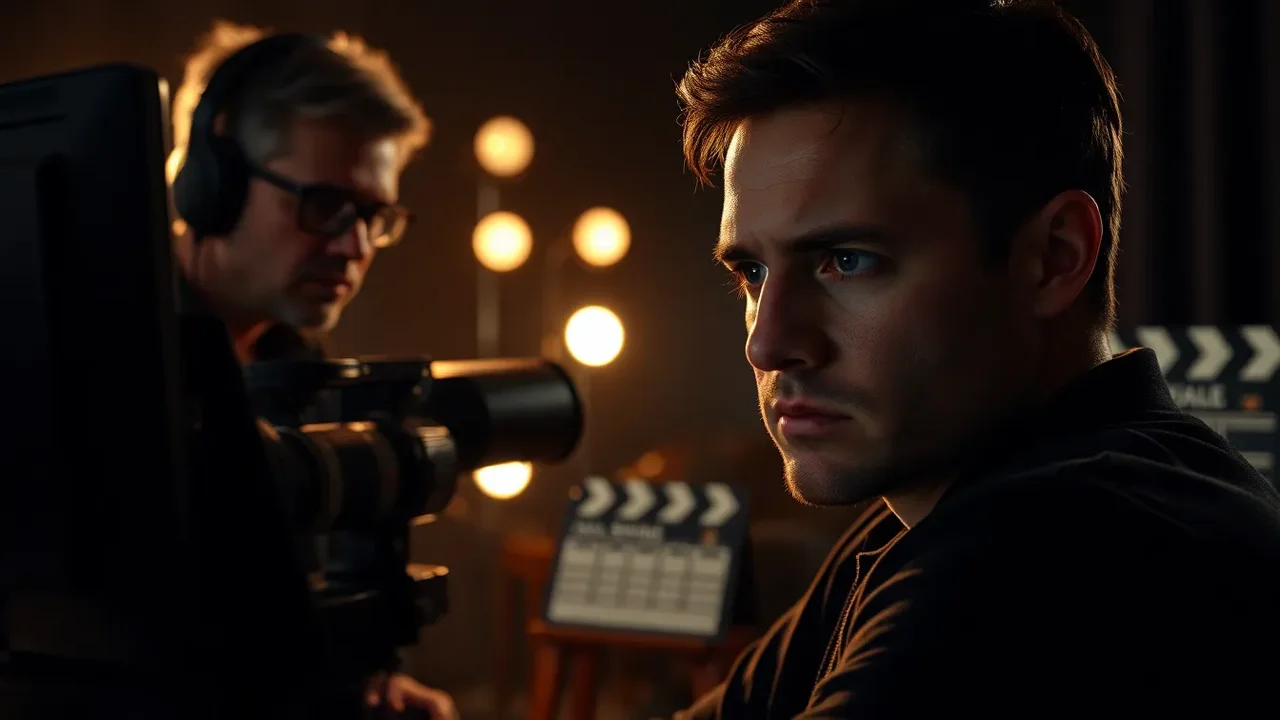
Directing non-actors in realistic drama shorts requires a distinct mindset because the goal is not polished performance but believable behavior. A non-actor often lacks formal training, yet brings lived experience, spontaneous reactions, and physical authenticity that trained actors may struggle to imitate. The director becomes a facilitator, psychologist, and editor of human moments. Instead of asking for emotional display, you create conditions where genuine responses can emerge. This approach values listening, patience, and observation over line readings and theatrical gestures. The camera then captures small truths: a hesitation, a glance, a nervous hand. These details make short films feel real even when the story is fictional. The director must also protect the non-actor from self-consciousness, because awareness of the camera can freeze natural impulses. By treating the set as a safe workshop rather than a stage, you invite unforced performances that serve realism.
Why Realism Demands Different Direction
Realistic drama shorts depend on emotional truth rather than dramatic articulation. Traditional acting direction often asks for objectives, beats, and emotional memory. Non-actors may find these concepts abstract or intimidating. A better method is to describe behavior, environment, and sensory tasks. For example, instead of saying be angry, ask the person to remember a time someone broke a promise and then try to fix a broken object. The physical task gives the mind something concrete to do, and emotion follows naturally. Realism also requires imperfect timing, overlapping dialogue, and pauses that scripts rarely capture. Non-actors often provide these rhythms instinctively if the director does not over-rehearse. The camera should be close enough to catch micro-expressions but not so close that it feels invasive. Lighting and sound should support intimacy without calling attention to technique. When the direction focuses on doing rather than feeling, non-actors can deliver moments that feel documentary-like yet narratively shaped.
Casting Authentic Presence
Casting non-actors begins with recognizing presence rather than skill. Look for people whose natural demeanor matches the emotional world of the short. A quiet person with watchful eyes may be perfect for a grieving sibling. A talkative neighbor may bring comic relief without trying. During casting sessions, avoid asking them to perform a monologue. Instead, have a conversation, give a simple task, or ask them to react to a hypothetical situation. Observe how they listen, pause, and use their hands. These behaviors reveal more than any prepared reading. You should also consider whether the person can take direction without feeling criticized. Non-actors need encouragement and clear boundaries. If possible, cast people who already know each other, because existing relationships create instant history on screen. Chemistry cannot be manufactured easily. Finally, be honest about the commitment and content. Realistic drama may require emotional scenes, long hours, or uncomfortable topics. Transparency builds trust, and trust produces better performances.
Building Trust and Safety
Trust is the foundation of directing non-actors. Before cameras roll, spend time without equipment. Share the story, explain why their role matters, and invite questions. Use simple language and avoid film jargon. Establish a clear signal for stopping a scene if they feel uncomfortable. Never pressure someone into an emotional state. Instead, offer choices: they can try the scene, take a break, or suggest a different approach. Physical safety matters too. Show them where to stand, what to touch, and how the camera will move. If a scene involves crying, shouting, or touching, discuss it in advance and rehearse the mechanics without demanding the emotion. A non-actor who feels safe will take risks. A non-actor who feels manipulated will shut down. The director should model calm, respect, and flexibility. When mistakes happen, respond with curiosity rather than disappointment. Say let us try another way, not that was wrong. This atmosphere encourages the vulnerability that realistic drama requires.
Language and Script Adaptation
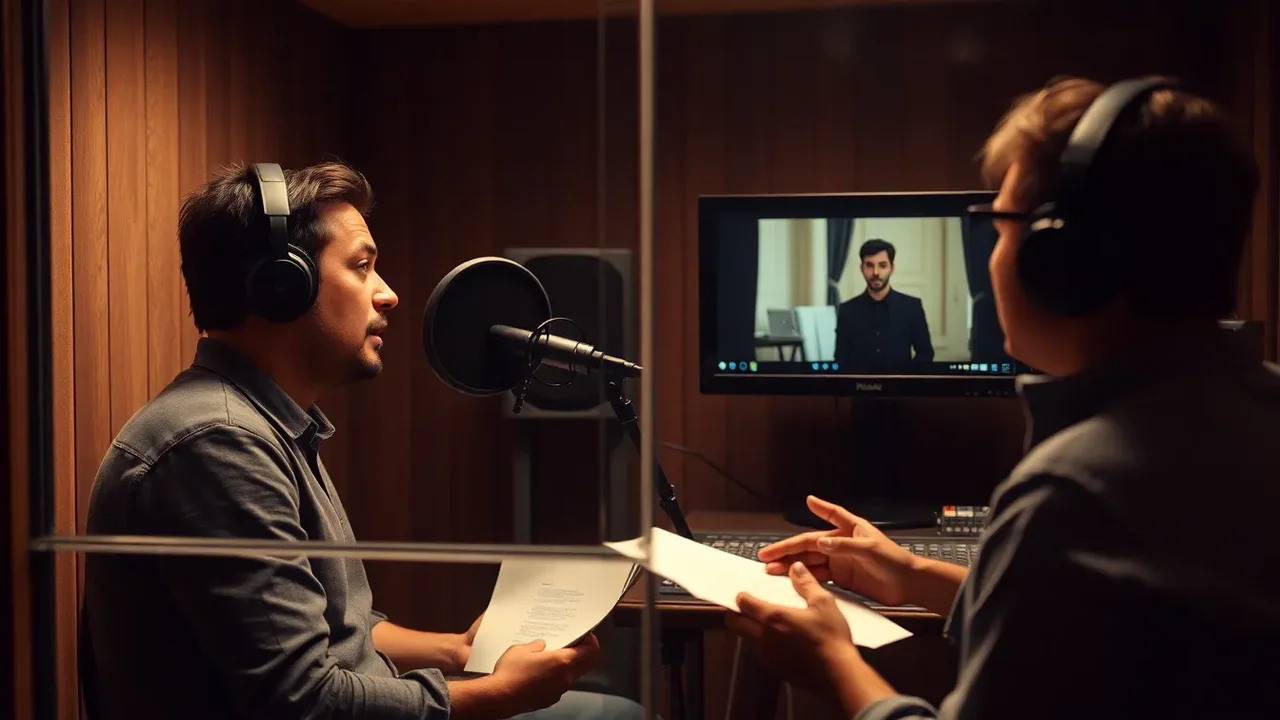
Scripts written for trained actors often sound unnatural when spoken by non-actors. The director should adapt dialogue to match the speaker's vocabulary, rhythm, and comfort. This does not mean abandoning the story. It means preserving intention while changing wording. Read lines aloud with the non-actor and ask what they would actually say. Replace complex sentences with short phrases. Allow contractions, slang, and pauses. If a line feels false, cut it or turn it into a physical action. Sometimes silence communicates more than dialogue. You can also use improvisation within a strict framework. Give the situation, the relationship, and the goal, then let them find words. Record these improvisations and use the best phrases in the final script. Be careful not to over-explain subtext. Non-actors often understand emotional situations intuitively. Trust their instincts and edit later. The final dialogue should sound like everyday speech, not a screenplay. This authenticity is one of the greatest strengths of realistic short films.
Blocking and Camera Strategy
Blocking non-actors should be simple, motivated, and flexible. Complex choreography can make them self-conscious. Instead, design spaces with natural movement paths. A kitchen scene might involve washing dishes, opening a fridge, or setting a table. These actions give the body something to do and reduce the pressure of standing still. Use long takes when possible, because cutting frequently forces non-actors to reset emotionally. A single continuous shot can capture a spontaneous arc. When you need coverage, shoot wide first to establish geography, then move in for close-ups after the non-actor is comfortable. Handheld camera work can add realism, but shaky footage can distract. Choose a style that supports the story. Let the camera observe rather than invade. If a non-actor looks at the lens, do not panic. Gently remind them to look at their scene partner. Place marks subtly, or avoid them entirely. Natural blocking often emerges from the environment and the task. Your job is to shape it without making it feel shaped.
Working with Emotion Without Acting
Emotional scenes are the hardest for non-actors. Asking them to cry or scream usually produces tension or embarrassment. Instead, create the conditions for emotion through memory, sensory detail, and physical circumstances. For grief, ask them to hold an object that belonged to someone they miss. For anger, give them a task that keeps failing. For fear, adjust the environment: dim lights, sudden sounds, or a tight space. These external triggers can evoke internal responses. Never force a feeling. If the emotion does not come, shoot the scene with restraint. A blank stare or a trembling lip can be more powerful than tears. Use multiple takes and let the non-actor recover between them. Watch for signs of genuine distress and stop if needed. The director must balance artistic needs with human care. After emotional scenes, offer water, quiet, and gratitude. The best realistic performances often come from moments that were not planned but were allowed to happen.
Rehearsal Techniques for Natural Behavior
Rehearsals for non-actors should feel like workshops, not performances. Start with games that build focus and listening. For example, mirroring exercises, counting together, or passing an imaginary object. These activities reduce self-consciousness and create group trust. Then move to scene work without cameras. Read through the script once, then put it aside. Improvise the same situation using only the character goals. Encourage overlapping dialogue and interruptions. If someone laughs or forgets a line, keep going. The goal is not perfection but aliveness. Record rehearsals on a phone so you can review natural moments. Later, recreate those moments on set without demanding exact repetition. Give notes as questions: what would you do if this happened to you? Avoid line readings. Instead, demonstrate a physical action or adjust the circumstance. Rehearse the technical elements separately so the non-actor can focus on behavior. By the time you shoot, the scene should feel familiar but not stale. Freshness matters more than memorization.
On-Set Direction and Adjustments
On set, keep the atmosphere calm and focused. Non-actors pick up on stress quickly. Limit the number of people near the camera. Give clear, brief instructions before each take. Use active verbs: walk, open, listen, wait. Avoid technical terms like frame, slate, or coverage. If a take goes wrong, reset gently and remind them of the task, not the mistake. Use positive reinforcement when something works. Say that felt real, let us try one more. Do not over-direct. Sometimes the best choice is to step back and let the moment breathe. If a non-actor freezes, reduce the pressure. Ask them to do a simple action, then build from there. Keep takes short and allow breaks. Fatigue destroys natural behavior. Watch for physical discomfort, hunger, or anxiety. A rested non-actor performs better. When you get a good take, move on. Chasing perfection can exhaust everyone and kill spontaneity. Trust your instincts and the non-actor's instincts. The final performance should feel discovered, not manufactured.
Editing and Performance Shaping
Editing is where non-actor performances are refined. You may have captured messy, uneven takes, but within them are gold moments. Watch footage with an eye for behavior, not line delivery. Look for pauses, glances, and gestures that feel true. Cut around weak line readings by using reaction shots, inserts, or another take. Sound design can also enhance realism. Room tone, distant traffic, and unscripted breaths make scenes feel lived-in. Avoid over-scoring emotional scenes. Music can manipulate, but silence often feels more honest. If a non-actor stumbles, you can sometimes keep the stumble if it fits the character. Realistic drama does not require flawless speech. In fact, imperfections often increase believability. When assembling the edit, prioritize emotional logic over chronological perfection. You may need to rearrange lines or use a look from one take with a line from another. This is not cheating; it is directing through editing. The final film should feel like a coherent moment, even if the raw footage was chaotic. Your editing choices protect the non-actor and serve the story.
Common Pitfalls and Solutions
Many directors fail with non-actors because they treat them like professionals. They expect memorization, emotional control, and repeated precision. This creates pressure and false performances. Another pitfall is over-rehearsing until spontaneity disappears. Non-actors need enough repetition to feel safe but not so much that they become mechanical. A third mistake is using complex camera moves that distract from behavior. Keep the technical plan simple. Fourth, some directors ignore the non-actor's real-life boundaries. They push for emotional scenes without consent or aftercare. This is unethical and damages trust. Fifth, they edit out all imperfections, creating a polished but lifeless scene. Realism lives in small flaws. Sixth, they fail to communicate the story. Non-actors need context to make choices. Explain the scene's emotional arc in plain language. Finally, they forget to thank and celebrate the non-actor. A positive experience leads to better collaboration and word-of-mouth casting. Avoid these pitfalls by prioritizing safety, clarity, and patience. The result will be a short film that feels honest and human.
| Element | Trained Actor | Non-Actor | Director Strategy |
|---|---|---|---|
| Preparation | Rehearses lines and objectives | Relies on lived experience | Use tasks and sensory prompts |
| Emotion | Can access on cue | Needs safe triggers | Create environment, avoid forcing |
| Dialogue | Handles complex text | Sounds natural with simple words | Adapt script to their voice |
| Camera | Hits marks consistently | May drift or look at lens | Use long takes and gentle reminders |
| Direction | Responds to notes | Responds to trust and clarity | Be concrete, patient, respectful |
- Prepare the environment: remove distractions, set clear boundaries, and explain camera positions.
- Use active tasks: give physical actions that reveal character without asking for emotion.
- Keep language simple: avoid film jargon and use everyday words.
- Protect dignity: never mock mistakes or force vulnerable moments.
- Shoot for behavior: prioritize natural reactions over perfect line delivery.
- Allow silence: pauses often carry more truth than dialogue.
- Review with care: edit to preserve authentic moments and hide weak takes.
Case Study: A Kitchen Confession
Imagine a short film about two sisters cleaning out their late mother's kitchen. One sister is a non-actor cast for her quiet intensity. The scene requires her to confess that she sold their mother's jewelry. Instead of asking for guilt, the director gives her a box of utensils and asks her to sort them while talking. The other sister, also a non-actor, washes dishes. The camera stays wide, then slowly pushes in. The director does not say be sad. She says keep sorting, and tell her what you did. The non-actor pauses, drops a spoon, and speaks in a low voice. That dropped spoon becomes the emotional beat. The take is imperfect: she looks down, misses a line, and starts again. The director keeps rolling. In editing, the stumble is kept because it feels real. The scene works because the environment, task, and relationship carried the emotion. No one acted. They simply did, listened, and reacted.
Directing Children and Elderly Non-Actors
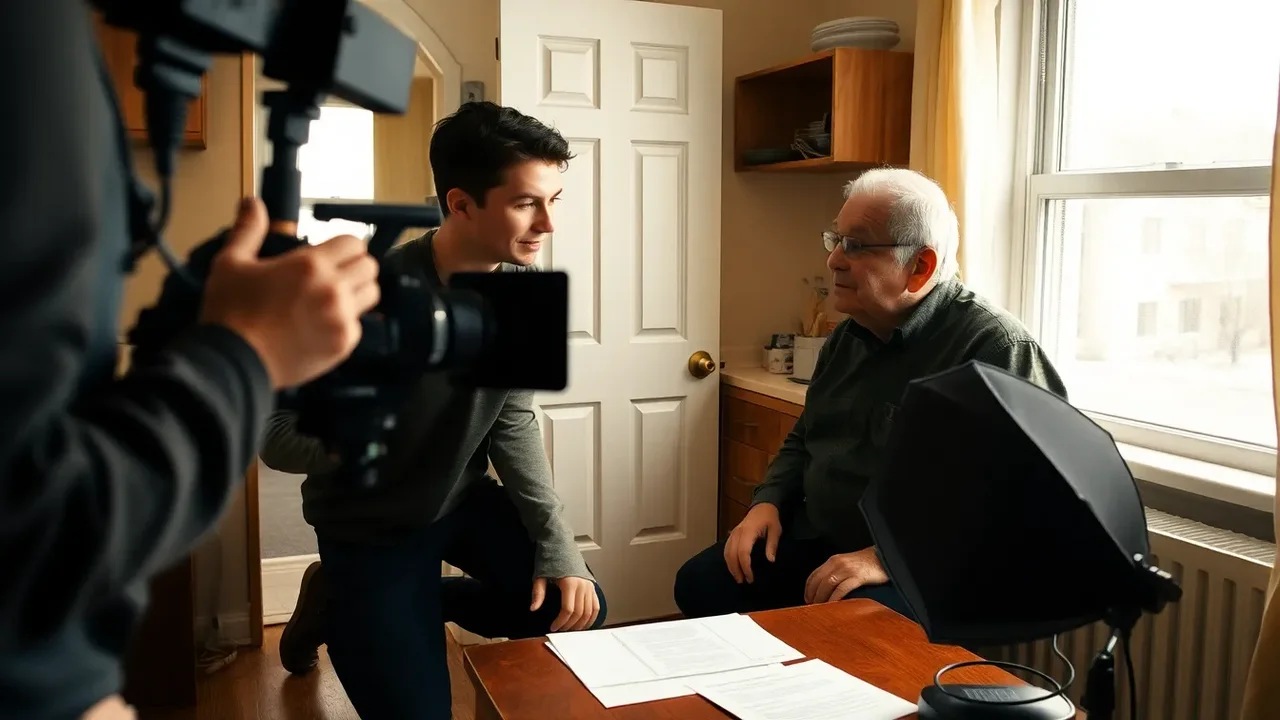
Children and elderly non-actors require special care. Children have short attention spans and vivid imaginations. Use play, games, and simple objectives. Avoid explaining complex backstory. Tell them their character wants something concrete: to find a toy, to hide a secret, to help a friend. Keep takes short and praise specific behavior. Never pressure a child to cry. Instead, create a safe pretend situation. Elderly non-actors may have physical limitations, hearing issues, or fatigue. Speak clearly, allow extra time, and provide comfortable seating. They often bring decades of lived experience and can convey deep emotion with a single look. Respect their pace and stories. Do not infantilize them. Ask about their preferences and adjust the schedule. Both groups benefit from a calm, patient set. A child who feels safe will be spontaneous. An elder who feels respected will be present. These performances can anchor a realistic short film with remarkable honesty.
Documentary Techniques for Fictional Realism
Documentary techniques can enhance fictional realism when directing non-actors. Use available light, real locations, and natural sound. Let scenes run longer than usual. Allow interruptions, background noise, and imperfect framing. These choices signal authenticity to the audience. You can also interview the non-actor in character before shooting. Ask them about their character's day, memories, or secrets. Record the answers and use them as voiceover or dialogue. This process helps the non-actor build an internal life without formal acting training. Another technique is to shoot in sequence. Non-actors often understand emotional progression better when events unfold chronologically. If that is impossible, explain what happened before the scene. Use handheld camera only when motivated. A locked-down tripod can feel more observational and less invasive. Finally, avoid overly polished color grading. Slightly muted tones, visible grain, and natural contrast support the realistic mood. The goal is not to fool the audience into thinking it is a documentary. The goal is to borrow documentary honesty to tell a fictional story with emotional truth.
Legal and Ethical Considerations
Directing non-actors raises legal and ethical questions. Always obtain written consent for participation and distribution. Explain how the footage will be used, where it will appear, and for how long. If the non-actor is a minor, a parent or guardian must consent and be present. Avoid deceptive casting practices. Do not promise fame or payment you cannot deliver. Pay non-actors fairly if the project has a budget. If there is no budget, be transparent about expenses and provide copies of the final film. Emotional scenes require special care. Never ask a non-actor to relive trauma without professional support. If a scene involves intimacy, violence, or distress, use a trained intimacy coordinator or a mental health professional. Respect the right to withdraw. A non-actor may decide mid-shoot that they no longer want to continue. Honor that decision. Ethical filmmaking is not just about avoiding lawsuits. It is about treating people with dignity. When non-actors trust the process, they give more honest performances. When they feel exploited, the film suffers and so does the community. Build a reputation for care, and more people will want to collaborate with you.
Practical Exercises for Directors
Directors can practice non-actor direction before production. Exercise one: the object task. Ask a volunteer to perform a simple action, such as folding laundry, while telling a story. Do not give emotional instructions. Observe what happens naturally. Exercise two: the interview. Ask a non-actor about a fictional character's morning routine. Record it and listen for vocal rhythm and pauses. Exercise three: the environment change. Set up the same scene in a bright room and a dim room. Notice how the space changes behavior. Exercise four: the active listening drill. Have two people discuss a disagreement while one must keep a secret. Give no lines. See how silence and glances build tension. Exercise five: the camera test. Shoot a short scene with a long take, then with many cuts. Compare which version feels more real. These exercises build your ability to recognize authentic behavior. They also help you give clearer, simpler instructions. The more you practice, the less you will rely on theatrical language. You will learn to trust the moment and the person in front of you.
Sample Shooting Schedule for Non-Actors
A gentle shooting schedule protects non-actor performances. Start with simple scenes that require little emotion. This builds confidence and familiarity with the crew. Schedule technical setups before the non-actor arrives. When they are on set, focus only on performance. Keep sessions under four hours with frequent breaks. Shoot emotional scenes earlier in the day when energy is fresh. Avoid back-to-back intense takes. Provide a quiet space where they can rest between scenes. Have food, water, and warm clothing available. If children are involved, schedule around school and nap times. For elderly non-actors, avoid late nights and long standing periods. Always shoot more coverage than you think you need, but do not exhaust the cast. End each day with a simple thank you. A schedule that respects human limits produces better realism than a rushed one. The goal is not speed but truth. When people feel cared for, they give more. When they feel rushed, they close down. Plan generously and remain flexible.
Finally, remember that non-actors are collaborators, not tools. Their lived experience is the material. Respect it, shape it gently, and the film will breathe with honest life. Truly.
FAQ - Directing Non-Actors in Realistic Drama Shorts
What is the biggest challenge when directing non-actors?
The biggest challenge is reducing self-consciousness. Non-actors often freeze when they feel watched or judged. Directors can help by creating a calm set, using simple physical tasks, and avoiding technical jargon or emotional pressure.
Should I give non-actors the full script?
Usually yes, but adapt it. They need context, not complex dialogue. Read the script together, explain the emotional arc, and allow them to rephrase lines in their own words. This preserves intention while making speech feel natural.
How do I get emotional performances without pushing too hard?
Create safe triggers through memory, objects, or environment. Never demand tears or anger. If emotion does not come, shoot with restraint. A pause, glance, or trembling lip can be more powerful than a forced display.
Can I use improvisation with non-actors?
Yes, within a clear framework. Give the situation, relationship, and goal, then let them find words. Record rehearsals and use the best natural phrases in the final script. Improvisation builds ownership and authenticity.
How many takes should I shoot with non-actors?
Shoot enough to capture natural moments, but avoid exhaustion. Long takes can preserve spontaneity, while a few close-ups provide coverage. Watch for fatigue and stop before performances become mechanical. Quality of presence matters more than quantity of takes.
What ethical rules matter most?
Obtain informed consent, protect dignity, and respect the right to withdraw. Never exploit trauma or pressure someone into vulnerable scenes. Provide aftercare, fair treatment, and clear information about how the footage will be used.
Directing non-actors in realistic drama shorts means guiding untrained people toward natural behavior through trust, simple tasks, and patient observation. Directors adapt scripts, use long takes, protect dignity, and shape performances in editing. The goal is authentic human moments, not polished acting, creating short films that feel honest and alive.
Directing non-actors in realistic drama shorts is ultimately an act of listening and trust. By simplifying language, designing meaningful tasks, protecting dignity, and shaping performances in the edit, directors can draw out honest behavior that feels alive. The result is not flawless acting but authentic human presence, which is exactly what realistic short films need.