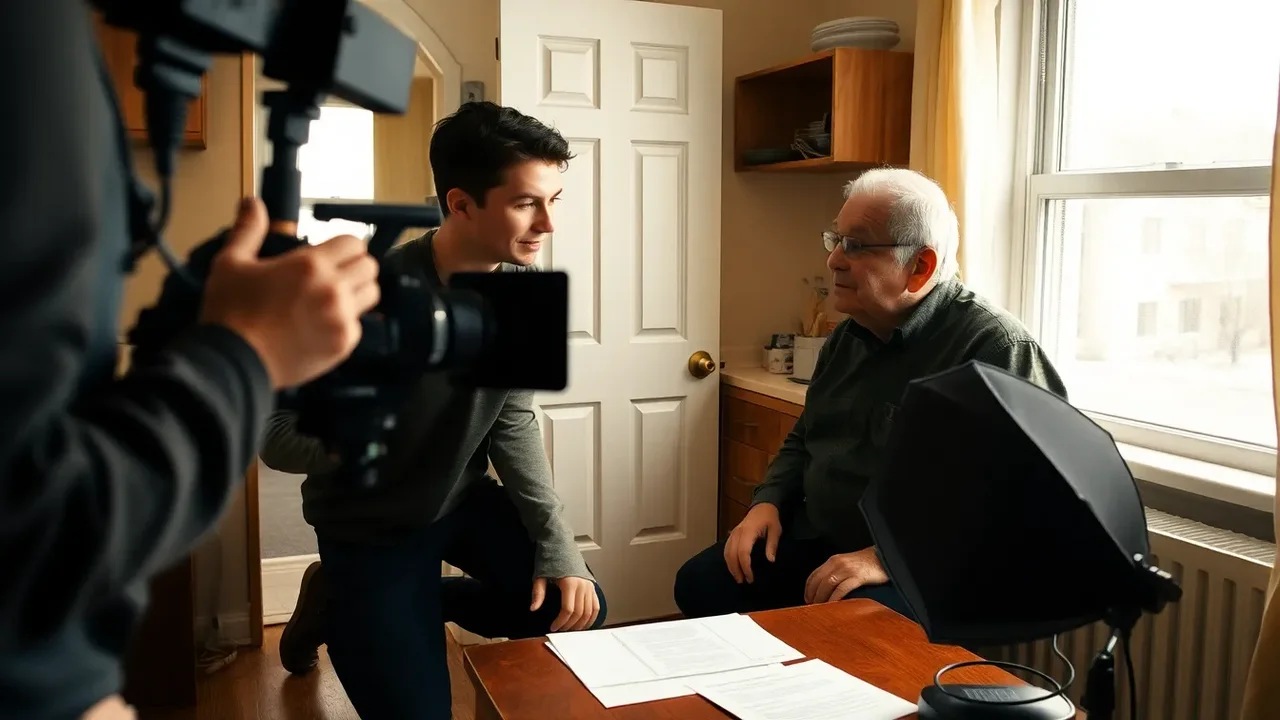
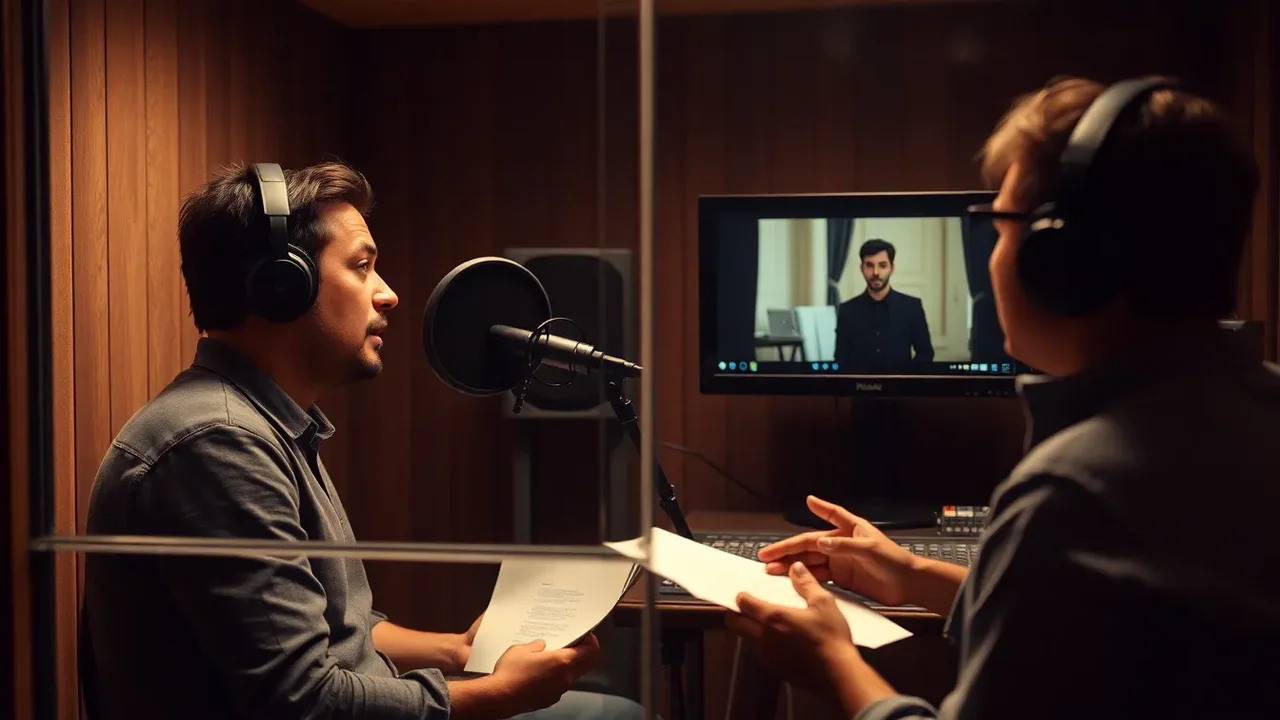
Directing Micro-Expressions in Drama Shorts
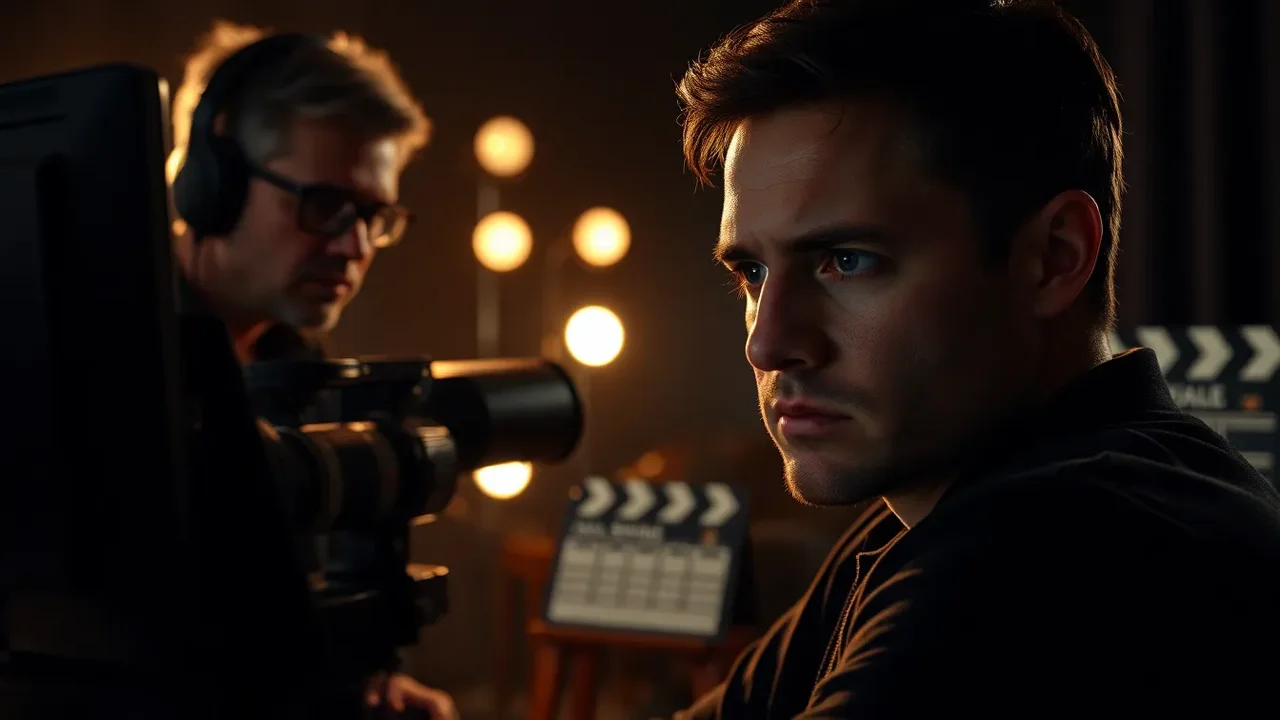
Directing micro-expressions in drama shorts is a specialized craft that demands psychological insight, technical precision, and collaborative trust. Unlike feature films, short dramas compress emotional arcs into minutes, so every flicker of the face carries narrative weight. Micro-expressions are involuntary facial movements that leak true feelings, often appearing for less than a fifth of a second. Directors must train actors to access these fleeting states without forcing them. The camera becomes a microscope, and the edit becomes a rhythm of breaths. A single raised brow or tightened lip can replace pages of dialogue. Therefore, the director’s primary task is to create a safe, focused environment where subtlety can flourish. This article explores practical methods for capturing, shaping, and editing micro-expressions in short-form drama.
Understanding Micro-Expressions
Micro-expressions are rapid, involuntary facial signals that reveal emotions people try to hide. They differ from macro-expressions, which are deliberate and lasting. In drama shorts, micro-expressions provide authenticity because they bypass conscious performance. The seven universal micro-expressions are happiness, sadness, fear, anger, surprise, disgust, and contempt. Each involves specific muscle groups around the eyes, nose, mouth, and brow. For example, true happiness engages the orbicularis oculi, creating crow’s feet, while a social smile only lifts the mouth. Fear widens the eyes and pulls the brows up and together. Anger lowers the brows and tightens the lips. Directors must learn these patterns to guide actors and recognize genuine moments. However, over-intellectualizing can kill spontaneity. The goal is to create conditions where micro-expressions arise naturally, then capture them with minimal interference.
Preparing the Actor for Subtlety
Actors in drama shorts often feel pressure to deliver big emotions quickly. Directors must counteract this by slowing down rehearsals and emphasizing inner life. Start with sensory exercises: ask the actor to recall a smell, a texture, or a temperature linked to the character’s secret. This activates the limbic system, which drives micro-expressions. Avoid line readings; instead, use questions like What are you trying not to say? or What would happen if you said it? These prompts create internal conflict, the engine of micro-expressions. Also, establish a private vocabulary. A director might say give me the lip catch or let the left eye flicker. This shorthand builds trust and precision. Finally, rehearse in silence. Silent scenes force actors to communicate through breath, gaze, and tiny facial shifts. Record these rehearsals and review them together, pointing out unintentional tells that can be amplified or suppressed.
Camera Placement and Lens Choice
The camera is the audience’s eye, and its position determines whether micro-expressions read or vanish. For short dramas, close-ups and extreme close-ups are essential, but they must be motivated. A 50mm lens at a moderate distance mimics human intimacy, while an 85mm or 100mm macro lens compresses features and isolates the eyes. Avoid wide lenses near the face because they distort proportions and exaggerate movements. The camera height should align with the actor’s eyeline or slightly below to create vulnerability. During a micro-expression, the operator must hold a steady frame and avoid reframing. Any zoom or pan will distract from the subtlety. Use a tripod or gimbal with a fluid head. If handheld, keep movements minimal and intentional. The focus puller must be precise; a soft eye destroys the moment. Test shots with different apertures to find the depth of field that keeps both eyes sharp while blurring the background.
Lighting for Micro-Movements
Lighting shapes how micro-expressions are perceived. Soft, directional light from a large source reveals the tiny contractions of facial muscles. Hard light creates shadows that can hide or exaggerate wrinkles, depending on the angle. For drama shorts, a classic Rembrandt or split lighting setup often works, but you may need to adjust for skin tone and makeup. Avoid flat, frontal light because it erases depth. Instead, place a key light at 45 degrees and a subtle fill on the opposite side. Use negative fill to increase contrast around the eyes and mouth. Practical lights, like a desk lamp or phone screen, can motivate close-ups and add realism. Color temperature also matters: warm light softens, cool light hardens. When shooting micro-expressions, consider a slight rim light to separate the actor from the background. Always monitor on a calibrated screen; what looks subtle to the naked eye may disappear on camera.
Directing the Moment
Directing a micro-expression is not about commanding a specific muscle. It is about creating a precise emotional trigger and then getting out of the way. Give the actor a clear objective, an obstacle, and a secret. For instance, a character wants to forgive but cannot forget. The obstacle is pride. The secret is that they still love the person. Ask the actor to listen to the other character’s line and let the face respond before the mind can censor it. Use action verbs: plead, dismiss, shield, ache. These verbs engage the body and face holistically. If the actor produces a false micro-expression, do not say that was fake. Instead, ask what they were feeling in that moment. Often, they were anticipating the camera. Redirect their attention to the other actor’s breath or a specific memory. Repeat the take without resetting the emotional state. Sometimes the best micro-expression happens between takes. Keep the camera rolling.
Working with Actors on Trust
Micro-expressions require vulnerability. Actors must feel safe enough to let their faces betray them. Directors can build trust by sharing their own vulnerabilities, avoiding public criticism, and respecting boundaries. Use a closed set for intimate scenes. Ask permission before giving physical adjustments. Never force an actor to relive trauma. Instead, use substitution: a fictional memory that evokes a similar feeling. Also, allow silence. Many directors fill every pause with notes, but micro-expressions need space to emerge. After a take, wait three seconds before speaking. This gives the actor time to transition. If an actor cries, do not immediately say cut. Let the emotion finish. Then offer a simple thank you. Over time, this trust yields performances that feel dangerously real. Remember, the camera captures what the actor tries to hide, so the director’s job is to make hiding unnecessary.
Blocking and Proximity
Blocking affects micro-expressions because distance changes how much the face must do. If actors are far apart, they may need larger expressions to communicate. For subtle work, bring them close, but not so close that they feel awkward. A distance of two to three feet allows for intimate eye contact and tiny mouth movements. Use furniture to create natural obstacles: a table, a doorframe, a glass. These barriers give actors something to react against. When one actor turns away, the other’s micro-expression can be captured in profile. Plan your coverage with this in mind. Shoot a master for context, then move in for singles. For the most important micro-expression, use a tight single with the other actor off-camera. The off-camera actor must still perform fully; their voice and energy will trigger the on-camera response. Never let the off-camera actor read lines flatly. Their performance is half of the equation.
Rehearsal Techniques for Micro-Expression Control
Rehearsal is where micro-expressions are discovered, not forced. Try these exercises: First, the mirror exercise. Have actors make a neutral face, then think of a secret. Observe what happens without trying. Second, the speed drill. Ask actors to cycle through emotions in one second each. This builds muscle awareness. Third, the interruption game. One actor speaks, the other interrupts with a different emotion. The face must shift quickly. Fourth, the subtext pass. Perform the scene with completely different lines that convey the true meaning. Fifth, the silence pass. Perform without words, using only breath and eyes. Record each pass and watch without sound. You will see micro-expressions that dialogue masked. Finally, the pressure pass. Add a distracting environment, like loud music or a ticking clock. This simulates the chaos of a real set and tests whether the actor can maintain subtlety. Use these techniques to build a shared language, not to exhaust the actor.
Capturing Micro-Expressions in Single Takes
Drama shorts often have limited time, so you may need to capture micro-expressions in long takes. This requires careful planning. Rehearse the entire scene as a single shot, marking the moments where micro-expressions should occur. Use a camera operator who can anticipate subtle movements. Consider a two-camera setup: one wide, one tight. The tight camera can follow the actor’s eyes without cutting. If you must cut, cut on movement, not on stillness. A blink, a head turn, or a hand gesture can hide the edit. Also, use the actor’s breath as a cut point. Inhale, cut, exhale. This creates a natural rhythm. When shooting digital, over-record by ten seconds before and after the scene. Micro-expressions often appear in the moments before action and after cut. Review the footage in slow motion. You may find a goldmine of tiny tells that you can use in the edit. Always slate and log your takes carefully; subtle moments are easy to lose in a sea of files.
Editing Micro-Expressions
Editing is where micro-expressions find their power. A single frame can change the meaning of a scene. Use slow motion sparingly; it can make a micro-expression feel artificial. Instead, hold the shot for an extra beat. Let the audience see the flicker, then cut away. Sound design amplifies micro-expressions: a sharp inhale, a swallowed word, a distant clock. These audio cues direct attention to the face. Color grading also matters. Increase contrast slightly around the eyes and mouth. Avoid heavy skin smoothing; it erases the texture that carries emotion. When cutting between two actors, use the Kuleshov effect. Show a neutral face, then a stimulus, then the same face. The audience will read a micro-expression that is not there. Use this to your advantage. Finally, test your edit with a small audience. Ask them what they felt, not what they saw. If they missed the micro-expression, you may need to hold the shot longer or add a subtle sound cue.
Common Mistakes to Avoid
Many directors ruin micro-expressions by over-directing. They ask for a specific eyebrow raise or lip curl. This produces a mechanical, unbelievable result. Another mistake is using too many close-ups. If every shot is a tight face, the audience becomes numb. Vary your shot sizes. Also, avoid cutting away too quickly. Micro-expressions need time to register, even if they last a fraction of a second. Another error is ignoring the body. Micro-expressions are connected to posture, breath, and hand tension. If the body is stiff, the face will lie. Do not use music to tell the audience what to feel. Let the micro-expression do the work. Finally, do not neglect the actor’s comfort. A cold set, an empty stomach, or a rushed schedule will destroy subtlety. Protect the actor’s focus. Micro-expressions are fragile; they require patience, silence, and respect.
Case Study: A Short Drama Scene
Consider a two-minute drama short about a woman who discovers her partner’s betrayal. The scene takes place in a kitchen. She holds a letter. The partner asks what is wrong. The director wants a micro-expression of suppressed rage followed by a flicker of grief. Rehearsal: the actress recalls a time she was lied to by a parent. She does not speak. The camera is on an 85mm lens, close-up. Lighting is soft from a window. The partner’s line is delivered off-camera. The actress’s jaw tightens, then her eyes glisten. She swallows. The director does not say cut. She waits. The actress looks down, then up. A tiny smile appears, then vanishes. That smile is the betrayal of her true plan. In the edit, the director holds the shot for twelve frames after the smile. Sound design adds a refrigerator hum. The audience feels the chill. This scene works because the director trusted the actress and the camera. No dialogue explained the emotion. The micro-expressions carried the story.
Technical Tools for Micro-Expression Work
Several tools help directors capture and analyze micro-expressions. High-speed cameras can record at 120fps or higher, allowing you to see movements invisible to the eye. However, high-speed footage requires more light and creates large files. Monitor with a waveform and false color to ensure exposure on the eyes. Use a focus peaking feature to keep the iris sharp. For analysis, software like FaceReader or iMotions can track muscle movements, but these are rarely used on set. More practical is a simple tablet with a slow-motion playback app. You can review takes immediately and note which micro-expressions worked. Also, use a clapperboard with a second marker for emotional beats. For example, mark M1 for first micro-expression, M2 for second. This helps the editor find them quickly. Finally, keep a micro-expression log. Note the timecode, the muscle group, and the emotional quality. This log becomes invaluable in post-production.
Directing Different Genres
Micro-expressions function differently across genres. In psychological drama, they are the main event. The camera lingers, and silence dominates. In thriller, micro-expressions signal deception. A tiny eye dart can mean a lie. In romance, they reveal hidden attraction. A parted lip or a softened gaze can carry the entire subplot. In comedy, micro-expressions can be punchlines. A character says one thing, but their face says another. In horror, micro-expressions of disgust or fear can unsettle the audience. The director must calibrate intensity. A micro-expression that works in a quiet drama may be too subtle for a fast-paced thriller. In short films, genre often blends. A drama short with thriller elements might use a quick micro-expression followed by a jump cut. Study the genre’s conventions, then subvert them. The most memorable micro-expressions are those that surprise us, revealing a truth we did not expect.
Working with Non-Professional Actors
Non-professional actors can deliver powerful micro-expressions if directed with care. They often lack technique, but they also lack bad habits. Start by building rapport. Ask about their life, their memories, their dreams. Find an emotional parallel to the character. Do not give them complex facial instructions. Instead, give them a task: count the tiles on the floor, listen for a sound, remember a secret. Their face will do the rest. Use improvisation. Set up a scenario and let them react. Keep the camera rolling. If they become self-conscious, remind them that no one will see the footage except you. Show them a playback of a genuine moment and say, that is what we need. Avoid over-rehearsing. Non-professionals can lose spontaneity after three takes. Shoot early, shoot often, and choose the take where they forgot the camera. Their micro-expressions will feel raw and true.
Ethical Considerations
Directing micro-expressions raises ethical questions. Actors may reveal emotions they did not intend to share. Directors must obtain informed consent and establish clear boundaries. Never use hidden cameras to capture private moments. Never pressure an actor to relive trauma for a shot. If an actor becomes distressed, stop immediately. Offer a break, water, and a quiet space. Do not use their vulnerability as entertainment. In the edit, be careful not to manipulate their image in ways that misrepresent their performance. Micro-expressions are intimate; they deserve respect. Also, consider the audience. Using micro-expressions to manipulate emotions without narrative justification can feel exploitative. The best drama shorts use subtlety to illuminate character, not to shock. Finally, credit the actor’s work. A micro-expression is a collaboration. The director creates the conditions, but the actor creates the moment. Honor that contribution in your credits and in your communication.
Practical Checklist for the Shoot Day
- Rehearse the emotional beats without dialogue to isolate micro-expressions.
- Choose the right lens for intimacy, usually 85mm to 100mm.
- Set soft, directional light that reveals facial muscles without harsh shadows.
- Keep the camera steady and avoid unnecessary movement during subtle moments.
- Record room tone and close-up audio for breath and swallowed words.
- Shoot extra takes before and after the scene for unguarded micro-expressions.
- Review in slow motion on set to confirm the micro-expression registered.
- Protect the actor’s focus by limiting crew and distractions.
- Log timecodes for every usable micro-expression.
- Thank the actor specifically for the subtle work, not just the big emotions.
Table: Micro-Expression Muscle Groups and Camera Tips
| Emotion | Key Muscles | Camera Tip |
|---|---|---|
| Happiness | Orbicularis oculi, zygomatic major | Use a tight close-up to catch crow’s feet. |
| Sadness | Corrugator supercilii, depressor anguli oris | Light from above to emphasize brow tension. |
| Fear | Frontalis, levator palpebrae | Keep eyes in sharp focus; use a rim light. |
| Anger | Corrugator, orbicularis oris | Increase contrast around the mouth. |
| Surprise | Frontalis, levator palpebrae | Shoot at 60fps for slow-motion analysis. |
| Disgust | Levator labii superioris, nasalis | Use a 45-degree angle to catch nose wrinkle. |
| Contempt | Orbicularis oris, zygomatic major | Hold the shot; contempt often appears asymmetrically. |
Advanced Techniques: Layering Micro-Expressions
Advanced directors layer micro-expressions to create complexity. A character can feel two emotions at once: relief and guilt, hope and fear. To achieve this, ask the actor to hold one emotion in the eyes and another in the mouth. For example, eyes show sadness while the mouth shows a polite smile. This creates cognitive dissonance in the audience. Another technique is the micro-expression sandwich. Start with a neutral face, flash a micro-expression, then return to neutral. The audience will question what they saw. Use this in mystery shorts. You can also use a mirroring technique. Two actors share a micro-expression simultaneously, suggesting a hidden connection. Or use a delayed micro-expression. One actor reacts, then the other reacts a half-second later. This builds tension. Finally, use sound to layer. A soft sigh can amplify a micro-expression of resignation. A sharp intake of breath can underline fear. Practice these layers in rehearsal, but do not overcomplicate. The best layered micro-expressions feel effortless.
Post-Production Workflow for Micro-Expressions
In post-production, micro-expressions require a dedicated workflow. First, ingest and sync all footage. Create a selects reel of only the close-ups. Second, use a slow-motion playback at 25% speed to identify the exact frames. Third, mark these frames with color labels: red for anger, blue for sadness, yellow for fear. Fourth, build a micro-expression map for each scene. This map shows where each subtle moment occurs and how long it lasts. Fifth, edit the scene without music. Watch it on a loop. Ask yourself: Is the micro-expression clear? Is it motivated? Does it advance the story? Sixth, add sound design. A single piano note or a distant siren can anchor the moment. Seventh, color grade with a gentle S-curve to increase midtone contrast. Avoid heavy vignettes. Eighth, export a version with and without subtitles. Subtitles can distract from micro-expressions. Ninth, test with a focus group. Ask them to describe the character’s feelings at specific timecodes. If they miss the micro-expression, adjust the edit. Finally, archive your micro-expression log for future projects.
Conclusion: The Art of Seeing
Directing micro-expressions in drama shorts is ultimately an art of seeing. It requires you to see what is almost invisible, to hear what is almost silent, and to feel what is almost unspoken. The director’s gaze must be both scientific and poetic. You must understand muscle anatomy, lens physics, and editing rhythm. But you must also trust the mystery of the human face. No algorithm can predict the exact moment when an actor’s guard drops. Your job is to be ready. Keep the camera rolling. Keep the set quiet. Keep your notes minimal. When that flicker appears, do not celebrate too loudly. Just hold the frame. Let it breathe. Then, in the edit, protect it. A single micro-expression can elevate a short drama from good to unforgettable. It can make an audience lean in, hold their breath, and recognize themselves. That is the power of subtlety. That is the director’s reward.
FAQ - Directing Micro-Expressions in Drama Shorts
What is a micro-expression in drama shorts?
A micro-expression is a fleeting, involuntary facial movement that lasts less than a fifth of a second and reveals a suppressed emotion. In drama shorts, directors use them to add authenticity and subtext without dialogue.
How do I get actors to produce genuine micro-expressions?
Create a safe, focused environment. Use sensory memories, action verbs, and subtext questions instead of direct facial instructions. Rehearse in silence, keep the camera rolling, and avoid over-directing.
What camera lens is best for capturing micro-expressions?
An 85mm to 100mm macro lens is ideal. It compresses facial features, isolates the eyes, and provides a shallow depth of field that keeps the background soft while the micro-expression remains sharp.
How should I light a scene for micro-expressions?
Use soft, directional light at a 45-degree angle. Avoid flat frontal light. Add negative fill for contrast around the eyes and mouth. A subtle rim light can separate the actor from the background.
Can I edit micro-expressions in post-production?
Yes. Use slow-motion playback to find the exact frames. Hold the shot for an extra beat, add subtle sound design, and increase midtone contrast. Avoid heavy skin smoothing that erases texture.
What are common mistakes when directing micro-expressions?
Over-directing specific muscles, using too many close-ups, cutting away too quickly, ignoring body tension, and rushing the actor. Micro-expressions need patience, silence, and respect to emerge naturally.
Directing micro-expressions in drama shorts requires trust, precise camera work, soft lighting, and patient editing. Learn to trigger genuine fleeting facial signals, capture them with 85mm lenses, and protect them in post to create powerful, dialogue-free emotional moments.
Directing micro-expressions in drama shorts is a demanding but deeply rewarding craft. By understanding the science of facial movement, preparing actors with trust and subtlety, choosing the right lens and light, and protecting the moment in the edit, directors can create performances that feel raw, truthful, and unforgettable. The smallest flicker can carry the largest story.