Understanding the Small Drama Space
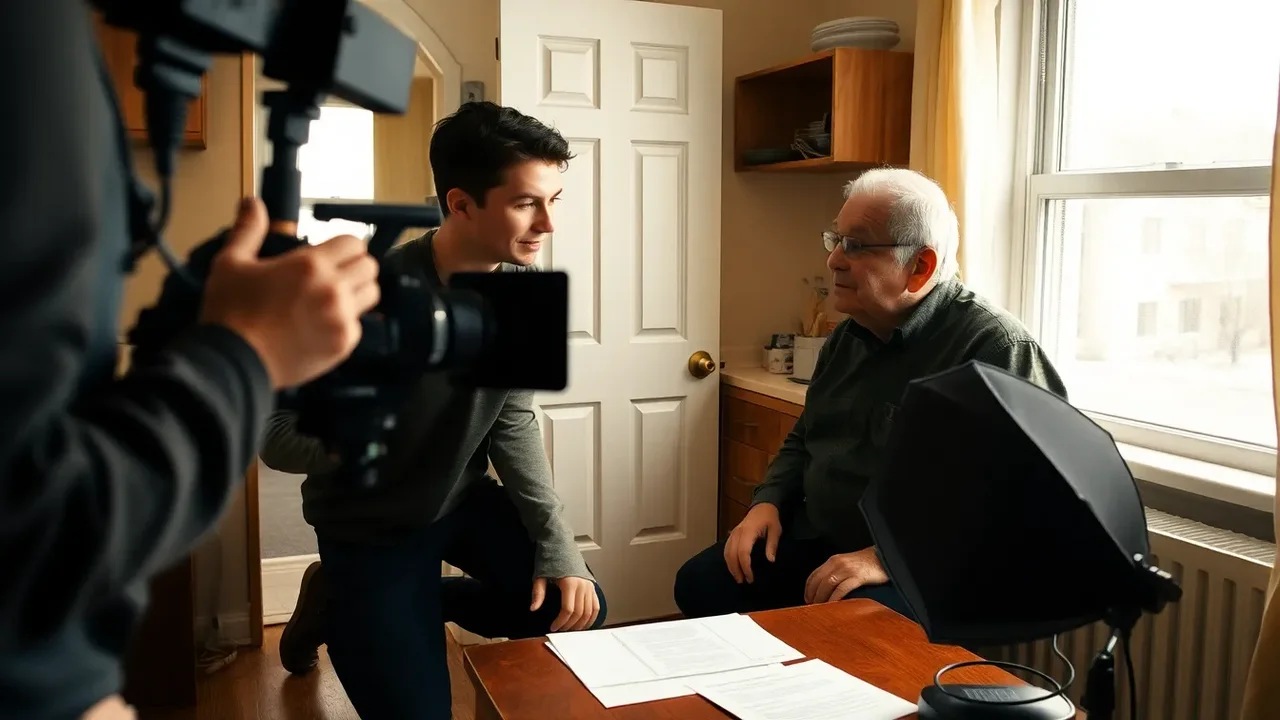
Small drama spaces force directors and actors to treat every inch as dramatic territory. A black box, a studio theatre, a classroom, or a pub back room can feel limiting, but the same compression that restricts movement also intensifies conflict. When the audience sits close, they see micro-shifts in weight, breath, and eye contact. Blocking for conflict in these spaces is not about filling the stage with traffic. It is about arranging bodies so that opposition becomes visible, spatial, and inevitable. The goal is to make the room itself an active partner in the struggle, not a neutral container.
In a small space, the audience is often on the same level as the performer or only slightly raised. This intimacy removes the safety of distance. A whispered threat can land with the force of a shout. A tiny retreat can read as a major defeat. Blocking must therefore be precise. Actors cannot rely on grand gestures or sweeping crosses to communicate conflict. They must use proximity, angle, level, and stillness. The director must think like a choreographer of tension, placing bodies in relation to each other and to the architecture.
Why Conflict Needs Spatial Logic
Conflict in drama is not only written in dialogue. It is also written in space. Who stands where, who moves toward whom, who retreats, who blocks a doorway, and who claims the center all tell the story before a line is spoken. In a large theatre, these spatial choices can be broad and symbolic. In a small drama space, they must be intimate and specific. The audience can see whether a character leans forward or pulls back. They can see whether one person stands over another or sits at the same level. These details create a grammar of power.
Without spatial logic, conflict can feel abstract. Two actors may argue loudly, but if they stand side by side facing the audience, the argument may not read as a clash. If they stand too far apart, the tension may dissipate. If they stand too close without purpose, the moment may become awkward or unintentionally comic. The director must map the emotional geography of each scene. Where is the pressure point? Where is the escape route? Where is the neutral ground? Blocking answers these questions with bodies and movement.
Reading the Room Before You Block
Before placing a single cross, study the space. Identify sightlines, pillars, furniture, doors, windows, and fixed obstacles. Note where the audience enters and where they sit. Find the natural focal points. In a small space, a doorway can become a threshold of power. A table can become a battlefield. A chair can become a throne or a trap. A window can become a promise of escape or a mirror of entrapment. The architecture is not background. It is a set of dramatic tools.
Measure the distances. In a small studio, three feet may be intimate. Six feet may feel like a vast divide. Ten feet may be the full width of the playing area. Know how many steps it takes to cross from one side to the other. Know where the audience's attention naturally falls. If the space has a corner, that corner can isolate a character. If it has a long wall, that wall can create a line of confrontation. If it has a low ceiling, that ceiling can press down on the action. Blocking begins with observation.
Principles of Blocking for Conflict
First, conflict needs opposition. Two forces must be visibly arranged against each other. This does not always mean face-to-face. It can mean one character facing away while the other speaks to their back. It can mean one character seated while the other paces. It can mean one character occupying the center while the other circles the edge. The spatial relationship should embody the struggle.
Second, conflict needs change. If characters hold the same position for too long, tension can flatten. Blocking should include shifts: a step forward, a step back, a turn, a sit, a rise, a reach, a withdrawal. Each shift should alter the balance of power. A character who advances may gain ground. A character who retreats may lose status. A character who turns away may refuse engagement. A character who moves closer may dare the other to react.
Third, conflict needs focus. In a small space, the audience can look anywhere. The director must guide their eyes. Use the strongest actor's position, the brightest light, or the most dynamic movement to pull focus. When one character speaks a crucial line, place them where they can be seen and heard. When another character reacts, make that reaction visible. Do not let important conflict happen in shadow or upstage of furniture.
Fourth, conflict needs safety. Physical and emotional safety are essential. Intimate scenes, violent scenes, and scenes of coercion require clear boundaries, consent, and choreography. In a small space, the audience is close enough to see discomfort. Actors must trust the blocking. They must know exactly where to place a hand, when to move, and how to disengage. Safety enables risk.
Stage Geography and Zones of Power
Every small space has zones. There is the center, which often reads as authority or exposure. There is upstage, which can feel distant or secretive. There is downstage, which can feel vulnerable or confrontational. There are corners, which can isolate. There are edges, which can suggest marginalization. There are thresholds, which can suggest transition. Blocking for conflict uses these zones deliberately.
If a character owns the center, they may hold power. If another character enters that center, they challenge that power. If a character is pushed to the edge, they may be losing. If they choose the edge, they may be withdrawing or plotting. If they cross behind another character, they may be circling for attack. If they cross in front, they may be blocking or dominating. The director should decide which zone carries which meaning for each scene.
In a small space, zone changes are quick. A single step can move a character from center to edge. A turn can shift them from downstage vulnerability to upstage mystery. Because the distances are short, the audience can track these shifts easily. This makes small spaces powerful for conflict. The geography is compressed, so every move matters.
Proxemics and the Distance of Tension
Proxemics is the study of personal space. In drama, it is a primary tool for conflict. Intimate distance, usually under eighteen inches, is charged with danger, desire, or domination. Personal distance, roughly eighteen inches to four feet, is the zone of conversation and confrontation. Social distance, four to twelve feet, is the zone of formal interaction. Public distance, beyond twelve feet, is the zone of performance or separation.
In a small drama space, these distances may be compressed. The audience may be within personal distance of the actors. This means the actors must be even more aware of their spatial choices. A character who invades another's intimate distance creates immediate tension. A character who maintains social distance in a small room may seem cold or evasive. A character who retreats to the edge may seem to be seeking escape. The director can use proxemic shifts to build conflict without dialogue.
Consider a scene where a boss confronts an employee. If the boss stands at personal distance, the employee may feel pressured. If the boss moves into intimate distance, the employee may feel trapped. If the employee steps back, the boss may step forward, maintaining the pressure. If the employee moves to the other side of a table, the table becomes a barrier. Each proxemic choice changes the emotional temperature.
Levels and Vertical Power
Levels are another essential tool. Height often reads as power. A standing character can dominate a seated character. A character on a chair or platform can dominate even more. A character who kneels or crouches can seem submissive or vulnerable. In a small space, levels are easy to see and easy to change. A simple rise from a chair can shift the balance of a scene.
Use levels to clarify conflict. If two characters argue while both seated, the conflict may feel contained. If one rises, the other may feel challenged. If the other also rises, the conflict may escalate. If one remains seated, the standing character may seem aggressive or superior. If the seated character refuses to rise, they may seem defiant or stubborn. The director can build a sequence of level changes to track the arc of the struggle.
In small spaces, be careful with high levels. A tall actor on a small platform may block sightlines or feel absurd. Low levels can also be powerful. A character who sinks to the floor may signal defeat. A character who crawls toward another may signal desperation. A character who lies down may signal surrender or death. Use levels with intention.
Lines and Angles
The angle of the body tells the audience how a character feels about the other. Facing another directly is confrontational. Standing shoulder to shoulder is allied or parallel. Turning away is avoidance or rejection. A three-quarter angle can be evasive or strategic. A profile can be formal or distant. In a small space, these angles are highly visible. The director should compose bodies like a painter composes figures.
Triangulation is a useful technique. If two characters are in conflict, a third character can stand at an angle to both, creating a triangle. This can make the third character a witness, a mediator, or a target. It can also create a visual tension between three points. In a small space, triangulation can be tight and claustrophobic. The third character may be drawn into the conflict or may try to stay out of it. Their position in the triangle reveals their role.
Lines of movement also matter. A straight line toward another character is direct and aggressive. A curved line is indirect and perhaps manipulative. A zigzag is chaotic or indecisive. A circle around another character is predatory or controlling. In a small space, these lines are short but potent. A single curved step can feel like a threat.
Furniture as Conflict Architecture
Furniture in a small drama space is never neutral. A table can separate characters or bring them together. A chair can be a seat of power or a place of weakness. A bed can be intimate or vulnerable. A sofa can be a social trap. A desk can be a barrier or a weapon. The director must decide how furniture participates in the conflict.
If a table is between two characters, it can represent a formal boundary. If one character leans across it, they invade the other's space. If one character pushes it aside, they escalate. If one character sits on it, they claim dominance. If one character hides behind it, they retreat. In a small space, the audience can see these choices clearly. The table becomes a character in the scene.
Chairs can be used for level changes. A character can stand behind a chair, sit in it, turn it backward, or knock it over. Each action carries meaning. A character who grips the back of a chair may be holding themselves back. A character who sits and crosses their legs may be closing off. A character who perches on the edge may be ready to flee. Use furniture to externalize inner conflict.
Entrances, Exits, and Thresholds
In a small space, entrances and exits are powerful. A door is a threshold between worlds. A character who enters may bring new pressure. A character who exits may abandon the conflict or escape it. A character who is blocked from exiting may feel trapped. A character who stands in the doorway may control the room. The director should choreograph entrances and exits with care.
If a character enters during an argument, their arrival changes the dynamic. They may be an ally, an enemy, or a witness. If they exit, their departure may leave a vacuum. If they hesitate at the threshold, they may be torn. If they slam the door, they may end the scene with force. In a small space, the door is close to the audience, so the sound and movement are immediate.
Windows can also act as thresholds. A character looking out a window may be longing to escape. A character blocking a window may be preventing escape. A character opening a window may be letting in air or letting out secrets. Use these architectural features to deepen conflict.
Crosses and Counter-Crosses
A cross is a movement from one point to another. In conflict blocking, crosses should have purpose. A character crosses to challenge, to comfort, to threaten, to avoid, to claim territory, or to surrender. A counter-cross is a response. If one character crosses toward another, the other may cross away, hold ground, or cross past them. The interplay of crosses creates rhythm.
In a small space, crosses are short. A cross of three steps may be the entire width of the stage. This means each cross must be deliberate. Avoid unnecessary crosses. If a character crosses without reason, the conflict weakens. If a character crosses at the wrong moment, it may distract from a key line. The director should map crosses like musical notes, building tension and release.
Counter-crosses can be especially powerful. If one character advances and the other retreats, the audience sees pursuit and avoidance. If one advances and the other stands still, the audience sees defiance. If one advances and the other advances too, the audience sees collision. If one advances and the other turns away, the audience sees rejection. The choice of counter-cross defines the relationship.
Status, Power, and Spatial Claims
Status is not fixed. It shifts moment to moment. Blocking can make status visible. A character who takes the center, stands tall, speaks from a high level, and moves freely has high status. A character who stays at the edge, crouches, hesitates, and yields space has low status. In a small space, these signals are amplified.
Directors can use spatial claims to show status battles. If two characters both want the center, they may circle it. If one takes it, the other may challenge. If one yields, they may move to the edge. If one reclaims it, the balance shifts again. The audience can follow the struggle without dialogue. This is especially useful in scenes where characters are polite on the surface but hostile underneath.
Status can also be shown through who touches whom. A character who initiates touch often has power. A character who receives touch may be vulnerable. A character who avoids touch may be resistant. In a small space, touch is intimate and visible. Choreograph touch carefully and with consent.
Focus and Isolation
Conflict often requires isolation. The audience needs to see the struggle clearly. In a small space, isolation can be achieved by moving other characters away, by using light, or by creating a tight cluster. If a character is isolated in a corner, they may seem trapped. If they are isolated in the center, they may seem exposed. If they are isolated behind furniture, they may seem hidden.
Focus can also be created by having other characters turn away. If the ensemble freezes or looks elsewhere, the audience will look at the active pair. In a small space, this technique is very effective. The director can use stillness and gaze to direct attention. A single character watching from the edge can pull focus if they react strongly.
Isolation can also be emotional. A character may be surrounded by others but still isolated because no one looks at them. Blocking can place them in the middle of a group while everyone faces outward. This creates a powerful image of loneliness within a crowd.
Repetition, Pattern, and Disruption
Conflict blocking can use repetition to build tension. A character may pace the same three steps again and again. Another may flinch each time. The pattern becomes a trap. When the pattern breaks, the conflict erupts. In a small space, repeated movements become hypnotic. The audience anticipates the next cycle and feels the pressure build.
Patterns can also be visual. Two characters may stand in the same relationship for several beats. Then one changes. The change is immediately meaningful. A step forward, a turn of the head, a hand on a table. These disruptions can be more powerful than large gestures. The director should look for patterns and decide when to break them.
Repetition can also be used for comedy or absurdity, but in conflict it usually creates dread. The same argument, the same retreat, the same silence. When the pattern finally breaks, the release is cathartic or devastating. Use repetition to make the space feel like a pressure cooker.
Stillness and Silence
In a small space, stillness is powerful. When actors stop moving, the audience leans in. A still body can hold tension. A still face can reveal micro-expressions. A still hand can tremble. Directors should not fear stillness. In fact, stillness can be the strongest blocking choice in a conflict scene.
Silence is the partner of stillness. A pause can be more threatening than a shout. In a small space, silence is intimate. The audience can hear breathing. They can see the effort of holding back. A long silence between two characters can feel unbearable. Use silence to let the conflict breathe and to let the audience anticipate the next move.
Stillness can also contrast with movement. If one character is still and the other paces, the stillness may seem like control or fear. If both are still, the tension may be frozen. If both move, the scene may feel chaotic. The director should vary stillness and movement to create rhythm.
Tableaux and Frozen Images
A tableau is a frozen picture of characters in relationship. In a small space, tableaux can be very effective. They distill conflict into a single image. The audience can read the power dynamics instantly. A tableau can be used at the start of a scene, at a climax, or at a transition. It can also be used in rehearsal to discover the essential spatial relationships.
To create a tableau, ask actors to freeze at a moment of high tension. Look at the picture. Who is dominant? Who is vulnerable? Who is connected? Who is isolated? Adjust the angles, levels, and distances until the image tells the story clearly. Then use that image as a reference for the scene. The tableau can guide the blocking.
Tableaux can also be used in sequence. A series of frozen images can show the progression of a conflict. The audience sees the changes in space and body. This can be a powerful rehearsal tool and a striking performance choice.
Sound, Breath, and Physicality
Blocking is not only visual. It is also physical and aural. The sound of footsteps, the scrape of a chair, the slam of a door, the rustle of clothing, and the rhythm of breath all contribute to conflict. In a small space, these sounds are amplified. The director should choreograph them as carefully as movement.
Breath can signal fear, anger, or exhaustion. A character who breathes heavily may be losing control. A character who holds their breath may be waiting. A character who sighs may be dismissing. Actors can use breath to support their blocking. The director can ask them to breathe at specific moments to heighten tension.
Physicality includes posture, gesture, and tension. A clenched fist, a stiff neck, a tapping foot, a trembling lip. In a small space, the audience sees these details. Blocking should incorporate them. A character may stand still but their body tells the story. The director should work with actors to physicalize the conflict.
Safety, Consent, and Intimacy
Conflict scenes can involve physical aggression, intimacy, or emotional vulnerability. In a small space, the audience is close, so safety and consent are paramount. Directors must establish clear boundaries. Actors must agree to all physical contact. Choreography must be precise and repeatable. There should be a way to stop or adjust at any time.
Intimacy coordinators can help with scenes of sexual or romantic conflict. Fight directors can help with violence. Even simple moments like a hand grab or a push should be choreographed. In a small space, a small mistake can be seen by everyone. Safety allows actors to commit fully. Without safety, they may hold back, and the conflict will feel false.
Emotional safety is also important. Conflict scenes can be draining. Directors should allow breaks, check in with actors, and create a respectful rehearsal room. The goal is to tell a story, not to harm anyone. Blocking should serve the story and protect the people telling it.
Rehearsal Techniques for Small-Space Conflict
Start with improvisation. Let actors move freely in the space while exploring the conflict. Observe where they naturally gravitate. Notice when they invade space, retreat, or claim territory. Then shape those instincts into repeatable blocking. Improvisation can reveal the emotional truth of the scene.
Use viewpoints and composition exercises. Ask actors to create shapes with their bodies. Ask them to explore levels, angles, and distances. Ask them to freeze and adjust. These exercises build spatial awareness. They help actors feel the space and respond to each other.
Rehearse in the actual space as much as possible. Small spaces have specific sightlines and acoustics. What works in a large rehearsal hall may not work in a black box. Run the scene from different audience seats. Check that key moments are visible and audible. Adjust blocking accordingly.
Use video review. Record the scene and watch it together. Actors can see what the audience sees. They can notice if their backs are turned too long, if a gesture is hidden, or if a spatial choice reads differently than intended. Video review can accelerate the blocking process.
Common Mistakes in Small-Space Conflict Blocking
One common mistake is over-blocking. Directors may fill every moment with movement because they fear stillness. In a small space, too much movement can feel chaotic and exhausting. It can also distract from the dialogue. Allow moments to breathe. Let the conflict sit in the bodies.
Another mistake is ignoring sightlines. Actors may stand in a line, blocking each other from the audience. Or they may turn upstage, hiding their faces. In a small space, the audience is close, so these mistakes are obvious. Always check that the key action is visible.
A third mistake is symmetrical blocking. If two characters mirror each other exactly, the conflict may feel static. Asymmetry creates tension. One character higher, one lower. One closer, one farther. One facing, one turned. Use asymmetry to show imbalance.
A fourth mistake is neglecting the audience's proximity. In a small space, the audience can see everything. Actors cannot cheat. They must be fully committed. Blocking must be honest. If a character is supposed to be threatening, they must actually create threat in the space. The intimacy demands truth.
Practical Exercises for Directors and Actors
Exercise 1: The Shrinking Room. Have two actors begin at opposite sides of the space. As they argue, they must each take one step closer every thirty seconds. They cannot touch. Observe how the tension rises as the space between them shrinks.
Exercise 2: The Chair. Place one chair in the center. Two actors must use the chair to show power. One may sit, stand behind it, turn it, or move it. The other must respond. Discuss how the chair changes the conflict.
Exercise 3: The Doorway. One actor stands in a doorway. The other must try to leave or enter. They cannot speak. Use only movement and proximity. Explore who controls the threshold and how the conflict shifts.
Exercise 4: The Tableau. Ask actors to freeze at the moment of highest tension. Adjust their positions until the image tells the story. Then unfreeze and continue the scene, trying to return to that image.
Exercise 5: The Pattern. Have actors repeat a simple movement sequence three times. Then break it. Discuss how the repetition built tension and how the break released it.
Table of Blocking Choices and Conflict Effects
| Blocking Choice | Conflict Effect | Best Use |
|---|---|---|
| Close proximity | Raises tension and intimacy | Confrontation, seduction, threat |
| Wide distance | Creates coldness or avoidance | Estrangement, formal conflict |
| Standing over seated | Shows dominance | Power struggle, intimidation |
| Both seated | Contains conflict | Negotiation, passive aggression |
| Direct facing | Confrontational | Argument, challenge |
| Turned away | Rejection or evasion | Betrayal, refusal |
| Center stage | Authority or exposure | Climax, confession |
| Corner or edge | Isolation or vulnerability | Defeat, plotting, fear |
| Blocking a door | Traps or controls | Coercion, escape denied |
| Circling | Predatory or manipulative | Interrogation, seduction |
Checklist for Blocking Conflict in Small Spaces
- Study the space: Know sightlines, acoustics, furniture, and exits.
- Define the conflict: What does each character want and fear?
- Map the power: Who has status at the start, and how does it shift?
- Use proxemics: Decide when characters are intimate, personal, social, or distant.
- Vary levels: Use height to show dominance or vulnerability.
- Choose angles: Face, profile, or turn away to show relationship.
- Use furniture: Make tables, chairs, and doors active participants.
- Choreograph crosses: Every move should have purpose and response.
- Embrace stillness: Let silence and frozen images hold tension.
- Check sightlines: Ensure key action is visible from all audience positions.
- Rehearse safely: Use consent, boundaries, and precise choreography.
- Review and adjust: Record, watch, and refine the blocking.
Advanced Techniques for Intimate Conflict
In a small space, you can use micro-blocking. This means tiny movements that carry large meaning. A shift of weight from one foot to the other. A finger tapping on a table. A slight lean forward. A slow blink. These micro-movements are visible to a close audience. They can build tension more effectively than a large cross. Directors should work with actors to identify and repeat these micro-movements.
Another advanced technique is spatial mirroring and anti-mirroring. When two characters mirror each other, they may seem connected or equal. When they anti-mirror, they may seem opposed. You can shift from mirroring to anti-mirroring to show a relationship breaking down. In a small space, this shift is subtle but powerful.
You can also use the audience as a pressure source. If actors play to the audience, they may seem to seek allies. If they ignore the audience, they may seem isolated. If they stand very close to the audience, the audience may feel implicated. Use the fourth wall deliberately. In a small space, the audience is part of the room. Their presence can be used to intensify conflict.
Directing the Conflict Arc
Every conflict has an arc. It begins with a trigger, builds through escalation, reaches a climax, and resolves or collapses. Blocking should track that arc. At the beginning, characters may be farther apart. As tension rises, they may move closer or take opposing positions. At the climax, the blocking should be at its most extreme: closest, highest, lowest, most isolated, or most trapped. After the climax, the blocking should change again. A character may retreat, collapse, or leave.
The director should map the arc on paper. Draw the space. Mark the positions for each beat. Note the crosses and level changes. This map can be adjusted in rehearsal, but it gives everyone a shared language. Actors can see where they are going and why. The blocking becomes a score for the conflict.
Actor's Role in Small-Space Blocking
Actors must be active partners in blocking. They should not wait for the director to move them like chess pieces. They should explore the space, listen to their impulses, and propose choices. They should ask: What does my character want right now? How can my body show that? Where do I need to be to get it? How does the other character's position affect me?
Actors should also be aware of the audience. In a small space, the audience is close. Actors must be truthful. They cannot fake tension. They must actually create it through breath, posture, and focus. They must also be generous. They must share the space and the story. Conflict is a duet, even when it feels like a fight.
Technical Theatre and Small-Space Conflict
Lighting, sound, and set design can support conflict blocking. Lighting can isolate a character, create shadows, or change the mood. Sound can amplify tension with music, effects, or silence. Set design can provide levels, barriers, and thresholds. In a small space, these elements are close to the audience, so they must be precise.
Lighting can be used to narrow the playing area. If the conflict is intimate, a tight pool of light can focus the audience. If the conflict is isolating, a single spotlight can trap a character. Sound can underscore a cross or a moment of stillness. A sharp sound cue can make an audience jump. A long silence can make them lean in.
Set pieces should be chosen for their blocking potential. A table that can be moved. A chair that can be turned. A door that can slam. A window that can be opened. Every element should serve the conflict. Avoid clutter that restricts movement or blocks sightlines.
Final Practical Tips
Rehearse the blocking until it is second nature. Actors should not have to think about where to go. The movement should feel motivated and inevitable. When blocking is set, actors can focus on the emotional truth of the scene. The spatial choices will support them.
Be willing to change. What works on paper may not work in the space. What works in rehearsal may not work with an audience. Stay flexible. Adjust distances, angles, and levels until the conflict reads clearly. The goal is not perfect geometry. The goal is compelling storytelling.
Remember that small spaces are not limitations. They are amplifiers. They magnify every choice. When you block for conflict with precision, intimacy, and courage, a small room can become one of the most powerful stages in theatre. The audience is close enough to feel the heat. The actors are close enough to risk. The conflict is close enough to touch.
FAQ - Blocking for Conflict in Small Drama Spaces
What is blocking for conflict in small drama spaces?
Blocking for conflict is the deliberate arrangement of actors' movements, positions, levels, and distances to make dramatic tension visible. In small spaces, it uses proximity, angles, furniture, and stillness to amplify conflict because the audience is close and can see every detail.
Why is proxemics important in small-space blocking?
Proxemics studies personal space. In a small drama space, distances are compressed, so moving from social to intimate distance can instantly raise tension. Directors use proxemic shifts to show threat, desire, dominance, or retreat without dialogue.
How can furniture help create conflict in a small space?
Furniture can act as a barrier, a throne, a trap, or a weapon. A table can separate characters, a chair can change levels, and a door can control escape. In small spaces, furniture is close to the audience, so its role in the conflict is highly visible.
What are common mistakes when blocking conflict in intimate theatre?
Common mistakes include over-blocking with too much movement, ignoring sightlines, using symmetrical positions that flatten tension, and neglecting safety. Directors should allow stillness, check visibility from all seats, use asymmetry, and choreograph physical contact with consent.
How do actors stay safe during intense conflict blocking?
Safety requires clear boundaries, consent, precise choreography, and regular check-ins. Intimacy or fight coordinators can help with physical scenes. Actors should know exactly where to place hands, when to move, and how to stop if needed. Safety allows full commitment.
Can small spaces be an advantage for conflict scenes?
Yes. Small spaces amplify micro-movements, breath, and eye contact. The audience is close enough to feel tension physically. When blocking is precise, the compression of space becomes a powerful tool for intimate, high-stakes conflict.
Blocking for conflict in small drama spaces uses proxemics, levels, angles, furniture, and stillness to make tension visible. Because audiences sit close, every micro-movement matters. Directors should map power shifts, check sightlines, choreograph safely, and let compression amplify conflict for intimate, powerful storytelling.
Blocking for conflict in small drama spaces is a craft of precision, intimacy, and courage. By using proxemics, levels, angles, furniture, stillness, and safe choreography, directors and actors can turn a cramped room into a pressure cooker of dramatic tension. The small space does not limit conflict; it magnifies it, allowing every step, pause, and glance to carry the weight of the struggle.